Transporting a classic car or a high-value auction vehicle is not like moving a standard daily driver. These automobiles represent significant investments of time, passion, and money. Their unique designs, delicate components, and often irreplaceable nature demand a specialized approach to logistics. Using standard towing equipment can risk catastrophic damage, turning a prized possession into a costly repair project.
This post explains why low-profile vehicle movers and powered vehicle pullers are the gold standard for transporting classic and auction cars. We will explore the specific challenges these vehicles present and show how specialized equipment is designed to overcome them, ensuring your investment arrives safely and to its final destination without a scratch.
The Unique Challenges of Transporting Irreplaceable Vehicles
Classic and high-value vehicles are fundamentally different from modern cars. Their transport requires careful consideration of several factors that standard equipment simply isn’t built to handle.
Low Ground Clearance
Many classic sports cars, luxury models, and race cars were designed with performance in mind, resulting in very low ground clearance. Think of a vintage Ferrari, a classic Porsche, or a custom hot rod. The distance between the chassis and the road is minimal, making them extremely vulnerable during loading and unloading.
A standard tow truck or trailer uses steep ramp angles. Attempting to load a low-clearance vehicle onto such a ramp can cause significant damage. The front spoiler, exhaust system, oil pan, and undercarriage can easily scrape against the ramp or the truck bed, leading to deep scratches, dents, or even structural damage.
The Delicate Nature of Vintage Automobiles
Older vehicles are fragile. Their bodywork, paint, and mechanical components are not as resilient as those on modern cars. The suspension systems can be less robust, and original parts may be brittle with age. Standard transport methods that involve chains, hooks, or rough handling can place undue stress on these delicate systems.
Improperly securing a classic car can lead to a host of problems. Chains can scratch custom paint jobs or damage chrome bumpers. Jolts and vibrations during transit can stress the chassis and suspension, potentially misaligning panels or damaging sensitive components. For a collector, originality is everything, and even minor, avoidable damage can significantly decrease a vehicle’s value.
How Low-Profile Movers Provide the Solution
Low-profile vehicle movers, often called flatbed or rollback carriers with low-angle decks, are engineered specifically to address the challenges of transporting valuable and delicate cars.
Gentle Loading with Near-Level Ramps
The defining feature of a low-profile mover is its ability to reduce the loading angle. These carriers use hydraulic systems to tilt the entire bed, creating a ramp that is nearly parallel to the ground. This gentle incline allows a vehicle with even the lowest ground clearance to be driven or winched aboard without any risk of scraping the undercarriage, front lip, or exhaust.
This single feature eliminates the most common cause of damage during vehicle transport. It provides a smooth, seamless transition from the ground to the truck bed, protecting every inch of the car.
Secure, Damage-Free Fastening
Instead of using heavy chains and hooks that can mar a vehicle’s finish, professional low-profile transport services use soft-strap systems. These wide, durable nylon straps are placed over the tires to secure the vehicle to the truck bed.
This method has two key advantages. First, the straps only touch the rubber tires, ensuring no contact with painted surfaces, chrome, or delicate body panels. Second, securing the vehicle by its wheels allows its own suspension to absorb bumps and vibrations during transit, reducing stress on the chassis and other components. This is the same method used by manufacturers to transport brand-new vehicles from the factory to the dealership.
Professional Handling and Expertise
Companies that invest in low-profile vehicle movers also invest in trained operators. These professionals understand the nuances of handling high-value automobiles. They know how to carefully winch a non-running vehicle, how to navigate tight spaces, and how to perform meticulous pre-trip inspections to ensure everything is secure.
This expertise is particularly critical in scenarios involving rare or unique vehicles. Imagine transporting a one-of-a-kind pre-war classic to the Pebble Beach Concours d’Elegance. Or moving a multi-million dollar hypercar after a high-stakes auction. In these situations, you are not just paying for a truck; you are paying for the peace of mind that comes with professional, white-glove service.
When Low-Profile Vehicle Movers Most Beneficial
While ideal for any cherished vehicle, these movers are indispensable in certain situations:
Auction Transport: When a vehicle is bought or sold at an auction, its condition is paramount. The buyer expects to receive the car in the exact state it was in when the hammer fell. Low-profile transport guarantees a damage-free handover, protecting the investment for both the seller and the buyer.
Classic Car Shows and Concours Events: Exhibitors spend countless hours preparing their cars for shows. The last thing they need is transport damage undoing all their hard work. Specialized movers ensure the car arrives in show-ready condition.
Transporting Exotic and Supercars: Modern supercars from brands like Lamborghini, McLaren, and Bugatti have extremely low profiles and are constructed from advanced materials like carbon fiber. They require the gentle handling and secure fastening that only low-profile movers can provide.
Moving Non-Running Project Cars: A vintage car being restored often cannot be driven onto a trailer. Low-profile movers equipped with powerful winches can carefully pull the vehicle onto the bed without putting any strain on its delicate components.
Low-Profile Vehicle Puller for Precision On Site
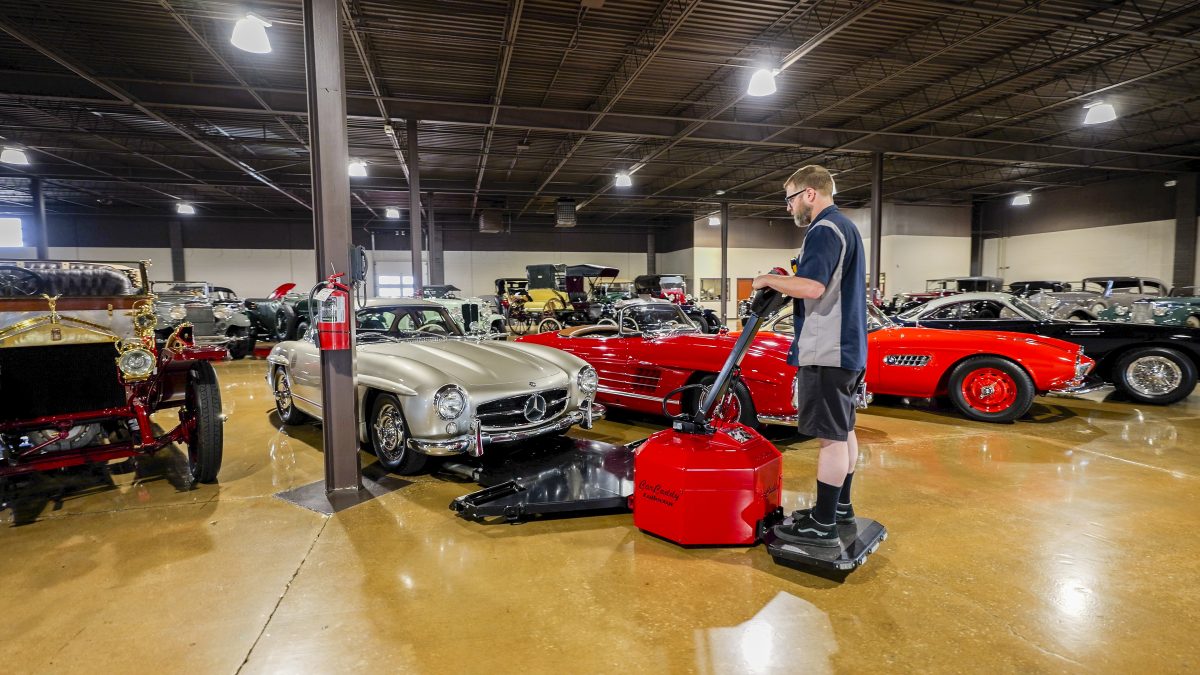
After transportation, safely moving the car into a garage or storage space requires precision. This is where the Low Profile CarCaddy Vehicle Puller becomes essential. Designed specifically for low-clearance vehicles, the CarCaddy allows precise maneuverability without damaging the car’s undercarriage. Its sturdy yet compact design ensures that even the most delicate project or luxury cars can be moved effortlessly into tight spaces, making it an indispensable tool for car enthusiasts and restorers alike.
Protect Your Investment with the Right Transport
Your classic car or auction vehicle is more than just a car. It’s a piece of art, a slice of history, and a valuable asset. When it comes time to move it, choosing the right transport method is one of the most important decisions you will make. Standard towing services introduce unnecessary risks that can lead to costly and heartbreaking damage.
By opting for a professional service that uses low-profile vehicle movers, you ensure your car receives the care and respect it deserves. The gentle loading angles, damage-free securing methods, and expert handling provide complete peace of mind.
And don’t forget that once your irreplaceable vehicle reaches its destination it will require the same attention to detail and precision handling only our CarCaddy Vehicle Puller can deliver. Contact us today and customize your premium car puller.