A Guide to Operating Your Vehicle Puller Safely

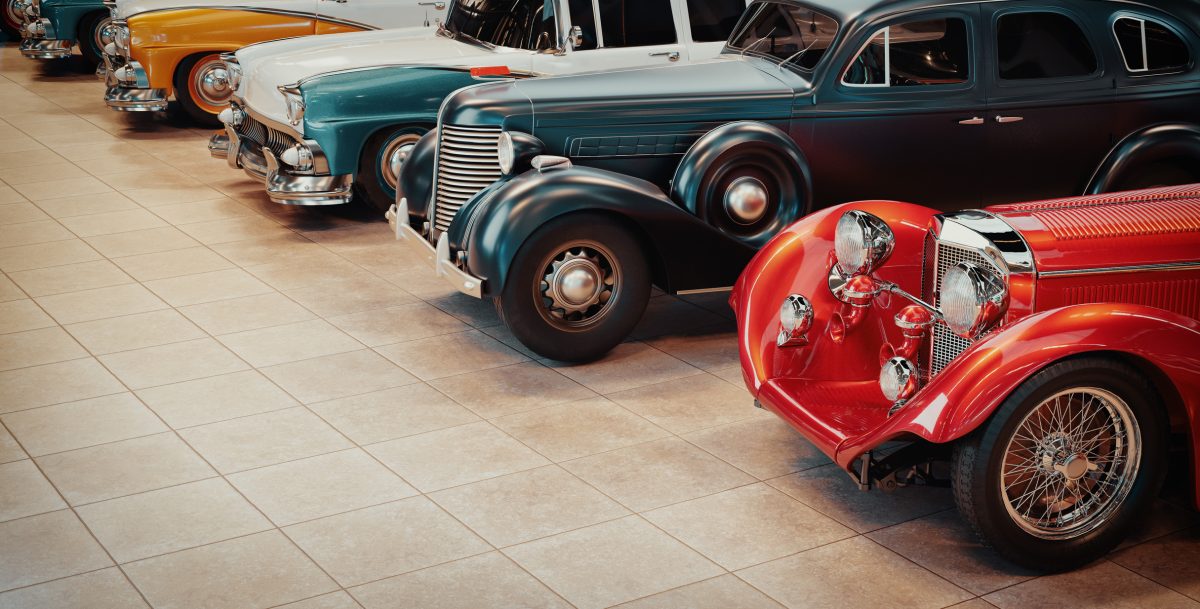
Moving vehicles in tight spaces like car museums, car auction showrooms, or storage and repair facilities presents unique challenges. Whether it’s a priceless classic car or an expensive supercar, ensuring the safety of both the vehicle and the staff is paramount. Pushing a car by hand or attempting to drive it in tight quarters is not just inefficient; it’s risky. This is where a specialized vehicle mover becomes an indispensable tool.

Using a vehicle puller correctly is essential for preventing accidents and damage. This guide outlines the key safety protocols, training requirements, and maintenance checks necessary for operating these machines. By following these best practices, you can create a safer, more efficient environment for everyone.

Key Safety Precautions for Operation

Safe operation starts with a clear understanding of the equipment and its environment. Before pulling a car, operators must be aware of their surroundings and follow established procedures to minimize risks.

  • Clear the Path: Before moving any vehicle, ensure the intended path is completely clear of obstacles, debris, and personnel. A clean and open pathway prevents unexpected collisions and allows for smooth maneuvering.
  • Know Your Load: Understand the weight and dimensions of the vehicle being moved. Do not exceed the rated capacity of your vehicle mover, as this can lead to equipment failure and loss of control.
  • Maintain a Safe Speed: Operate the vehicle puller at a slow, controlled speed. Abrupt starts, stops, or sharp turns can destabilize the load and create a hazardous situation.
  • Stay Alert: The operator should always face the direction of travel and maintain a clear line of sight. Avoid distractions and remain focused on the task at hand to react quickly to any potential hazards.
  • Use Proper Signals: In busy environments, use clear hand signals or a spotter to communicate with other staff members. This is especially important when navigating blind spots or tight corners.

Essential Training

Although the CarCaddy Vehicle Puller does not require a certification, proper training is the cornerstone of safe vehicle mover operation. A basic understanding of how the vehicle mover operates and its major functions should be a priority for new users.

Elements of a Strong Training Program:

  • Hands-On Instruction: Operators should receive practical, hands-on training from an experienced supervisor. This includes learning how to correctly attach the vehicle puller to a car, maneuver it, and park it safely.
  • Understanding the Equipment: Training must cover the specific features of the vehicle mover being used, including its controls, emergency stop functions, and battery charging procedures.
  • Emergency Procedures: Operators must know what to do in case of an emergency, such as equipment malfunction or an unexpected obstacle. This includes how to safely stop the mover and secure the vehicle.
  • Regular Refresher Courses: Periodic refresher training helps reinforce safety standards and keeps operators updated on any new procedures or equipment features.

Regular Inspection and Maintenance

A well-maintained vehicle mover is a safe vehicle mover. Routine inspections and a consistent maintenance schedule are critical for identifying potential issues before they become serious safety hazards.

Daily Pre-Operation Checklist:

Before each use, operators should perform a quick inspection. This checklist should include:

  • Brakes: Test the brakes to ensure they are functioning correctly.
  • Controls: Check that all controls, including the emergency stop button, are responsive.
  • Battery: Verify that the battery is adequately charged for the tasks ahead.
  • Tires: Inspect tires for any signs of wear or damage.
  • Connections: Ensure that all connection points are secure and free of defects.

Although the CarCaddy Vehicle Puller is a low maintenance machine,  proactive maintenance program should also be in place for more in-depth service. This helps prolong the life of your equipment and ensures it operates reliably and safely, preventing unexpected downtime and accidents.

Utilizing Vehicle Movers in Challenging Environments

Car museums, private collections, and high-density storage facilities often present challenging environments with limited space. A vehicle mover is specifically designed to excel in these conditions.

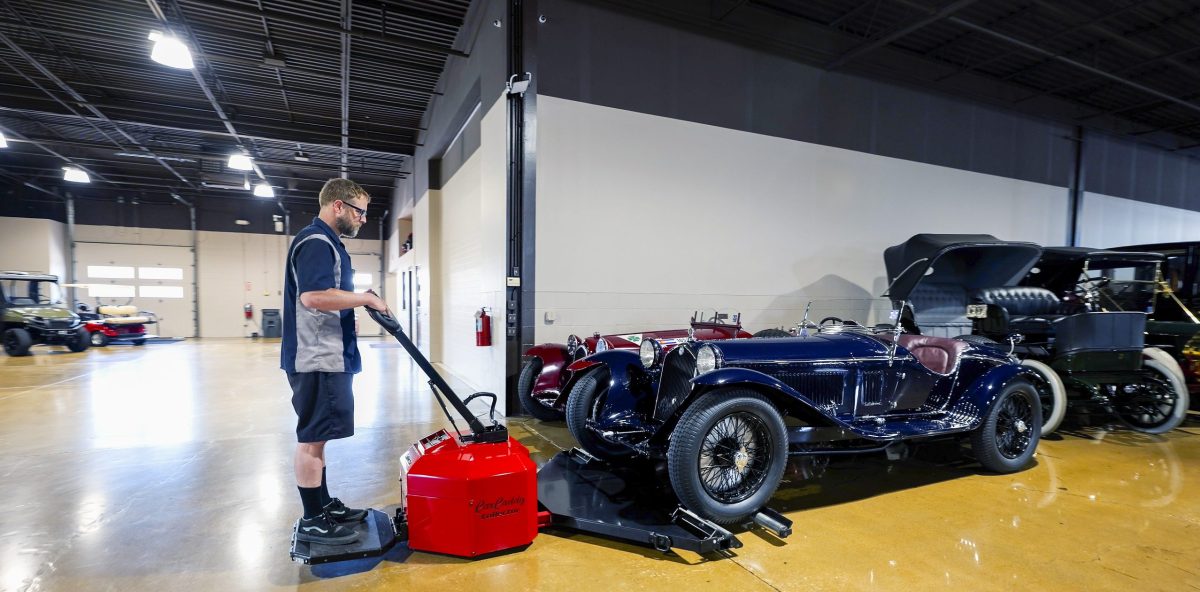
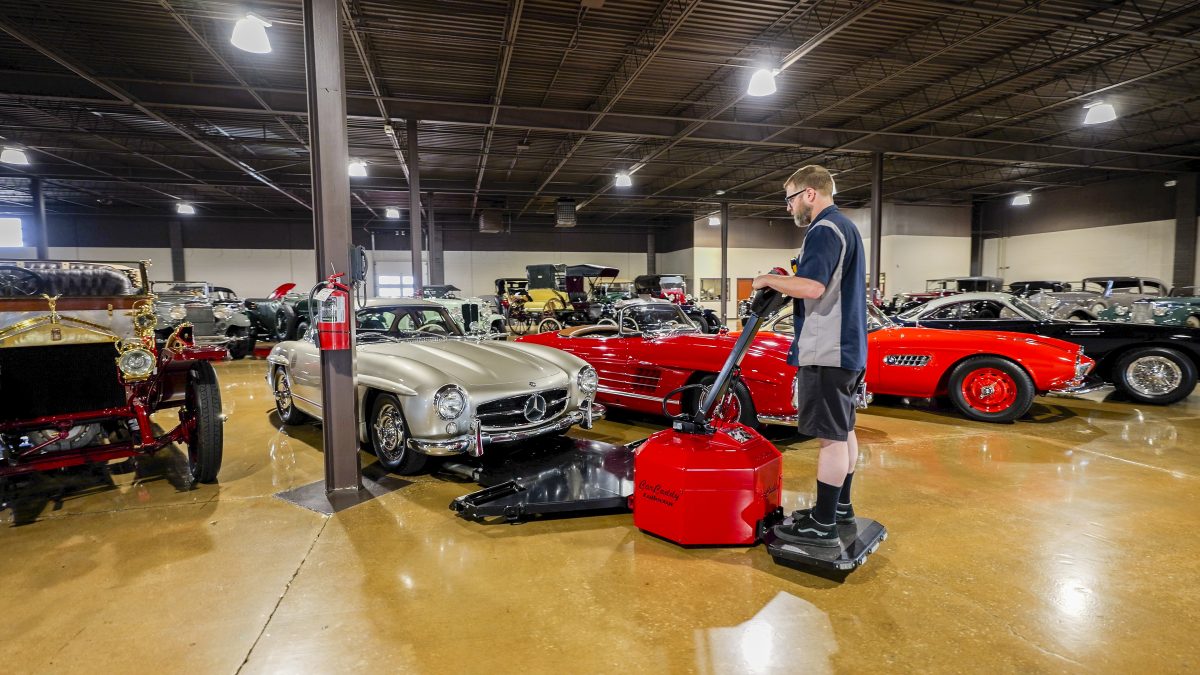
In a museum setting, for instance, exhibits are changed frequently. An electric vehicle puller allows staff to rearrange priceless artifacts efficiently and with precision, minimizing risks. Manually pulling a car in such a delicate environment is precarious and can lead to costly damage.

Similarly, car collectors often have vehicles that don’t run. A vehicle mover provides a safe way to relocate these cars without risking injury or damage that can occur from pushing by hand.

Maximizing Space with Vehicle Movers

For car storage facilities, space is money. Using a vehicle puller allows you to position cars much closer together than would be possible if you needed to open a door to get a person inside. Many facilities report fitting up to 20% more vehicles after investing in a CarCaddy Vehicle Puller. This level of optimization allows a single employee to move a car quickly and safely, maximizing both space and operational efficiency.

Promote a Culture of Safety and Efficiency

Implementing a robust safety program for your vehicle movers does more than just prevent accidents. It fosters a culture of professionalism and care that protects your employees, your valuable vehicles, and your bottom line. By prioritizing training, maintenance, and safe operating procedures, you ensure your operations run smoothly and efficiently.

Ready to enhance the safety and efficiency of your facility? Contact us today and order your CarCaddy Vehicle Puller!

Why Low-Profile Vehicle Movers are Essential for Classic Car and Auction Transport

Transporting a classic car or a high-value auction vehicle is not like moving a standard daily driver. These automobiles represent significant investments of time, passion, and money. Their unique designs, delicate components, and often irreplaceable nature demand a specialized approach to logistics. Using standard towing equipment can risk catastrophic damage, turning a prized possession into a costly repair project.

This post explains why low-profile vehicle movers and powered vehicle pullers are the gold standard for transporting classic and auction cars. We will explore the specific challenges these vehicles present and show how specialized equipment is designed to overcome them, ensuring your investment arrives safely and to its final destination without a scratch.

The Unique Challenges of Transporting Irreplaceable Vehicles

Classic and high-value vehicles are fundamentally different from modern cars. Their transport requires careful consideration of several factors that standard equipment simply isn’t built to handle.

Low Ground Clearance

Many classic sports cars, luxury models, and race cars were designed with performance in mind, resulting in very low ground clearance. Think of a vintage Ferrari, a classic Porsche, or a custom hot rod. The distance between the chassis and the road is minimal, making them extremely vulnerable during loading and unloading.

A standard tow truck or trailer uses steep ramp angles. Attempting to load a low-clearance vehicle onto such a ramp can cause significant damage. The front spoiler, exhaust system, oil pan, and undercarriage can easily scrape against the ramp or the truck bed, leading to deep scratches, dents, or even structural damage.

The Delicate Nature of Vintage Automobiles

Older vehicles are fragile. Their bodywork, paint, and mechanical components are not as resilient as those on modern cars. The suspension systems can be less robust, and original parts may be brittle with age. Standard transport methods that involve chains, hooks, or rough handling can place undue stress on these delicate systems.

Improperly securing a classic car can lead to a host of problems. Chains can scratch custom paint jobs or damage chrome bumpers. Jolts and vibrations during transit can stress the chassis and suspension, potentially misaligning panels or damaging sensitive components. For a collector, originality is everything, and even minor, avoidable damage can significantly decrease a vehicle’s value.

How Low-Profile Movers Provide the Solution

Low-profile vehicle movers, often called flatbed or rollback carriers with low-angle decks, are engineered specifically to address the challenges of transporting valuable and delicate cars.

Gentle Loading with Near-Level Ramps

The defining feature of a low-profile mover is its ability to reduce the loading angle. These carriers use hydraulic systems to tilt the entire bed, creating a ramp that is nearly parallel to the ground. This gentle incline allows a vehicle with even the lowest ground clearance to be driven or winched aboard without any risk of scraping the undercarriage, front lip, or exhaust.

This single feature eliminates the most common cause of damage during vehicle transport. It provides a smooth, seamless transition from the ground to the truck bed, protecting every inch of the car.

Secure, Damage-Free Fastening

Instead of using heavy chains and hooks that can mar a vehicle’s finish, professional low-profile transport services use soft-strap systems. These wide, durable nylon straps are placed over the tires to secure the vehicle to the truck bed.

This method has two key advantages. First, the straps only touch the rubber tires, ensuring no contact with painted surfaces, chrome, or delicate body panels. Second, securing the vehicle by its wheels allows its own suspension to absorb bumps and vibrations during transit, reducing stress on the chassis and other components. This is the same method used by manufacturers to transport brand-new vehicles from the factory to the dealership.

Professional Handling and Expertise

Companies that invest in low-profile vehicle movers also invest in trained operators. These professionals understand the nuances of handling high-value automobiles. They know how to carefully winch a non-running vehicle, how to navigate tight spaces, and how to perform meticulous pre-trip inspections to ensure everything is secure.

This expertise is particularly critical in scenarios involving rare or unique vehicles. Imagine transporting a one-of-a-kind pre-war classic to the Pebble Beach Concours d’Elegance. Or moving a multi-million dollar hypercar after a high-stakes auction. In these situations, you are not just paying for a truck; you are paying for the peace of mind that comes with professional, white-glove service.

When Low-Profile Vehicle Movers Most Beneficial

While ideal for any cherished vehicle, these movers are indispensable in certain situations:

Auction Transport: When a vehicle is bought or sold at an auction, its condition is paramount. The buyer expects to receive the car in the exact state it was in when the hammer fell. Low-profile transport guarantees a damage-free handover, protecting the investment for both the seller and the buyer.

Classic Car Shows and Concours Events: Exhibitors spend countless hours preparing their cars for shows. The last thing they need is transport damage undoing all their hard work. Specialized movers ensure the car arrives in show-ready condition.

Transporting Exotic and Supercars: Modern supercars from brands like Lamborghini, McLaren, and Bugatti have extremely low profiles and are constructed from advanced materials like carbon fiber. They require the gentle handling and secure fastening that only low-profile movers can provide.

Moving Non-Running Project Cars: A vintage car being restored often cannot be driven onto a trailer. Low-profile movers equipped with powerful winches can carefully pull the vehicle onto the bed without putting any strain on its delicate components.

Low-Profile Vehicle Puller for Precision On Site

After transportation, safely moving the car into a garage or storage space requires precision. This is where the Low Profile CarCaddy Vehicle Puller becomes essential. Designed specifically for low-clearance vehicles, the CarCaddy allows precise maneuverability without damaging the car’s undercarriage. Its sturdy yet compact design ensures that even the most delicate project or luxury cars can be moved effortlessly into tight spaces, making it an indispensable tool for car enthusiasts and restorers alike.

Protect Your Investment with the Right Transport

Your classic car or auction vehicle is more than just a car. It’s a piece of art, a slice of history, and a valuable asset. When it comes time to move it, choosing the right transport method is one of the most important decisions you will make. Standard towing services introduce unnecessary risks that can lead to costly and heartbreaking damage.

By opting for a professional service that uses low-profile vehicle movers, you ensure your car receives the care and respect it deserves. The gentle loading angles, damage-free securing methods, and expert handling provide complete peace of mind.

And don’t forget that once your irreplaceable vehicle reaches its destination it will require the same attention to detail and precision handling only our CarCaddy Vehicle Puller can deliver. Contact us today and customize your premium car puller.

What is a Powered Vehicle Mover? Complete Guide & Features

Moving vehicles safely and efficiently has become essential across various industries—from automotive manufacturing to vehicle storage facilities. When manual pushing isn’t practical and forklifts pose safety risks, powered vehicle movers offer the ideal solution. But what exactly is a powered vehicle mover, and how can it transform your operations?

A powered vehicle mover is a specialized piece of equipment designed to transport cars, trucks, and other vehicles without the need for an engine or driver. These machines attach to a vehicle’s wheels or frame, allowing operators to move vehicles precisely and safely in tight spaces. Whether you’re managing an assembly line, organizing a storage lot, or working in a dealership, understanding how these machines work can significantly improve your workflow efficiency.

This comprehensive guide explores everything you need to know about powered vehicle movers, from their key features to their practical applications. You’ll discover how these machines enhance safety, what specifications matter most, and when investing in a high-performance model makes sense for your operations.

Defining a Powered Vehicle Mover

A powered vehicle mover, also known as a vehicle puller or auto mover, is an electric-powered machine that moves vehicles without requiring them to be operational. The device typically features a platform where an operator stands or sits while controlling the movement of the attached vehicle.

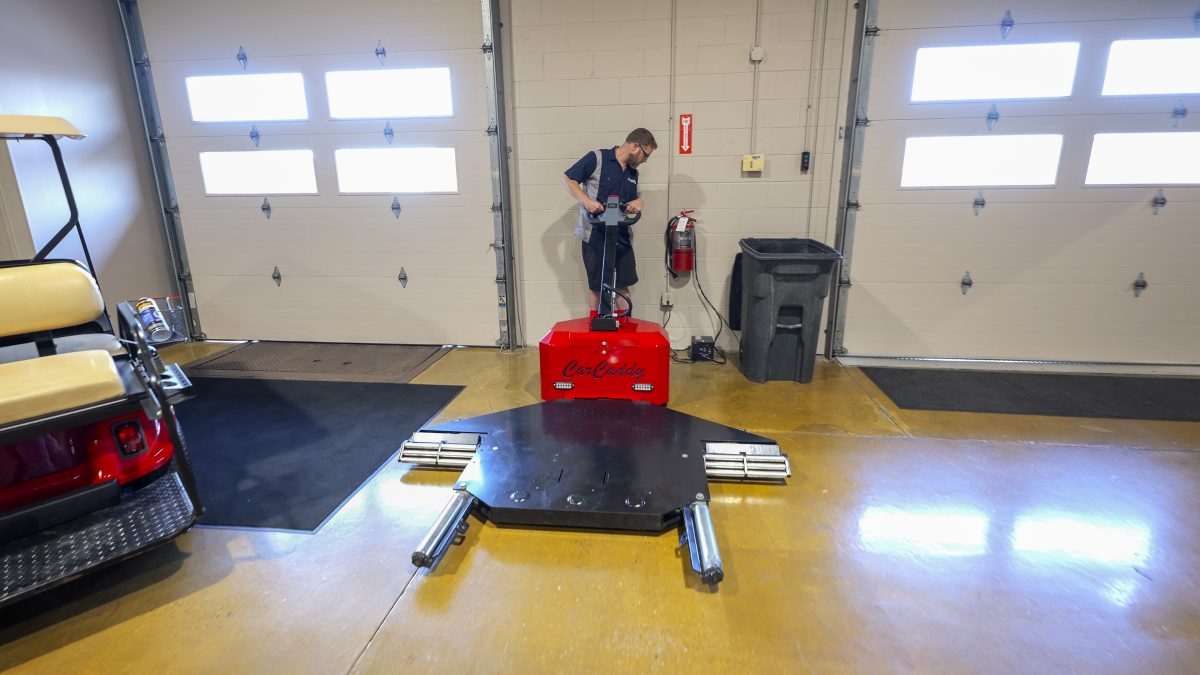
These machines work by securing onto a vehicle’s front wheels through roller planes or specialized attachment systems. Once connected, the powered unit provides the traction and power needed to push or pull the vehicle in any direction. The operator controls speed, direction, and braking through an intuitive control panel, making vehicle positioning precise and effortless.

Most powered vehicle movers operate on battery systems, making them environmentally friendly and suitable for indoor use. They eliminate the need for starting vehicle engines, reducing emissions and noise in work environments while providing consistent, reliable movement regardless of the vehicle’s mechanical condition.

Key Features of a High-Performance Vehicle Mover

High-performance powered vehicle movers incorporate advanced engineering to handle demanding industrial applications. These machines go beyond basic transportation, offering superior stability, durability, and operator safety features that standard models cannot match.

Load Capacity and Stability

Professional-grade vehicle movers can handle substantial loads, with many models supporting vehicles weighing up to 7,000 pounds and front axle weights of 3,000 pounds or more. High-performance units are specifically engineered to manage loads up to five tons consistently, making them suitable for heavy-duty applications in automotive manufacturing and large vehicle storage operations.

The increased load capacity comes from reinforced structural components and advanced weight distribution systems. These machines maintain stability even when moving heavier vehicles, preventing the rocking motion common in lighter-duty models.

Smooth Transportation and Bogie Wheel Construction

One distinguishing feature of high-performance vehicle movers is their bogie wheel construction. Instead of wheels positioned across the machine, bogie wheels are aligned in-line, providing a smoother ride and enhanced stability during transport.

This wheel configuration reduces vibration and allows the machine to navigate uneven surfaces more effectively. Operators experience less jarring movement, which translates to better control and increased confidence when maneuvering vehicles through challenging environments.

Roller Planes and Overroll

Advanced vehicle movers feature roller planes with  overroll protection . These roller planes allow vehicle tires to smoothly roll onto the machine’s front section, creating a secure connection without requiring complex positioning procedures.

The overroll protection prevents vehicles from rolling too far forward during the attachment process, eliminating the risk of damage to both the vehicle and the moving equipment. This safety feature is particularly valuable in high-volume operations where speed and reliability are essential.

Robust Construction and Joint Pins

High-performance models incorporate reinforced joint pins and bushings for press arm connections. These components are significantly larger and more robust compared to standard vehicle movers, ensuring reliable operation under continuous heavy use.

The enhanced joint construction reduces wear and extends service life, making these machines cost-effective investments for facilities that rely on frequent vehicle movement. Maintenance requirements remain low despite the increased durability and performance capabilities.

Enhanced Safety for Operators and Facilities

Safety represents a primary advantage of powered vehicle movers over manual vehicle handling methods. These machines eliminate the physical strain associated with pushing vehicles by hand while providing precise control that reduces accident risks.

Modern vehicle movers feature shock-assisted ride-on platforms that provide operator comfort during extended use. The stable platform design minimizes the rocking motion that can occur with basic models, allowing operators to maintain better balance and control throughout the moving process.

Emergency safety stop switches provide immediate shutdown capability when needed. LED lighting systems improve visibility in low-light environments, while angled control panels offer ergonomic operation that reduces operator fatigue during long shifts.

Vehicle Compatibility and Limitations

Powered vehicle movers demonstrate remarkable versatility in terms of vehicle compatibility. They can effectively move everything from compact cars to SUVs and heavier commercial vehicles. This broad compatibility makes them valuable tools for mixed-use facilities handling various vehicle types.

However, certain limitations exist. Vehicles with extremely low ground clearance or particularly low front ends may require special low-profile front sections. High-end sports cars often fall into this category, requiring specialized equipment modifications for safe handling.

Most standard powered vehicle movers handle typical passenger vehicles, light trucks, and commercial vehicles without difficulty. The key consideration is ensuring the vehicle’s weight falls within the mover’s specified capacity limits and that adequate ground clearance exists for proper attachment.

Specifications and Components

Understanding the technical specifications helps in selecting the right powered vehicle mover for specific applications. Key specifications include load capacity, battery system details, drive system configuration, and dimensional requirements.

Drive System and Speed Control

Professional vehicle movers typically feature 36VDC drive systems with non-marking drive wheels. These systems provide smooth acceleration and precise speed control, typically offering speeds from 0-3 mph in both forward and reverse directions.

High-tech speed controllers allow operators to adjust acceleration and braking characteristics to match specific operational needs. This adjustability proves valuable when moving delicate or valuable vehicles that require extra care during positioning.

Braking and Safety Features

Advanced braking systems include neutral throttle braking, which automatically applies braking force when the throttle is released. This feature provides additional safety by preventing uncontrolled movement if the operator releases the controls unexpectedly.

Battery charge indicators help operators monitor power levels and plan charging schedules to avoid interruptions during busy periods. External battery chargers enable convenient overnight charging, ensuring equipment readiness for each work shift.

Maximizing Your Investment in Vehicle Moving Technology

Powered vehicle movers represent a significant advancement in vehicle handling technology, offering safety, efficiency, and versatility benefits that far exceed manual handling methods. Whether you’re operating an automotive assembly line, managing a vehicle storage facility, or working with collector cars, these machines can transform your operations.

The key to success lies in matching the equipment specifications to your specific needs. Consider your typical vehicle weights, operating environment conditions, and usage frequency when evaluating options. High-performance models justify their additional cost in demanding applications where reliability and durability are paramount.

For facilities beginning their transition to powered vehicle movement, start by assessing your current challenges and operational requirements. This analysis will guide you toward the most suitable equipment configuration and help ensure your investment delivers the expected productivity and safety improvements.

Contact Us Today To Start Customizing Your CarCaddy Vehicle Puller: The Collectors Edition

Powered Vehicle Movers: Moving Vehicles Safely in R&D and Crash Testing

Moving vehicles around a workshop or testing facility might seem like a simple task. However, in the high-stakes world of automotive research and development (R&D) and crash testing, it’s a process filled with hidden risks and inefficiencies. The traditional methods of manually pushing or driving vehicles can lead to accidents, damage, and inaccurate test results. A powered vehicle mover offers a modern solution, transforming how automotive professionals handle vehicles with precision, safety, and efficiency.

This post will explore the critical role of powered vehicle movers in the automotive development lifecycle. We will cover the challenges of manual vehicle handling, the significant benefits of using specialized equipment, and how these tools ultimately lead to better, safer products. See how our CarCaddy Vehicle Puller has helped our clients.

The Hidden Dangers of Manual Vehicle Moving

In any automotive facility, from a design studio to a crash test lab, vehicles must be moved frequently. They are shifted between bays, positioned on dynamometers, or aligned for crash testing. Relying on manual labor or driving the vehicle itself presents several significant problems.

Safety Risks to Personnel

Pulling a vehicle weighing thousands of pounds, even a short distance, is physically demanding and inherently risky. A slip, a loss of grip, or an unexpected roll can lead to serious injuries. Strains, sprains, and crush injuries are real possibilities when several team members are trying to coordinate the movement of a heavy, unwieldy object. In an environment filled with expensive equipment and prototypes, the potential for human error is a constant concern.

Damage to Valuable Prototypes and Equipment

Automotive prototypes are often one-of-a-kind, representing millions of dollars in investment and countless hours of work. Manually moving these assets increases the risk of accidental damage. A small bump against a wall, a collision with another vehicle, or a scrape against testing equipment can set a project back by weeks or months. Similarly, driving a vehicle in a confined indoor space can easily lead to minor collisions that compromise the integrity of the vehicle or the facility.

Inefficiency and Wasted Resources

Coordinating a team to manually push a vehicle is far from efficient. It requires pulling multiple skilled technicians away from their primary tasks. This process is slow, requires careful communication, and disrupts workflow. Driving the vehicle, on the other hand, introduces exhaust fumes into an indoor environment, creating health hazards and requiring extensive ventilation systems. This method also adds unnecessary mileage and wear to a prototype that may have specific testing parameters.

The Solution: Powered Vehicle Movers

A powered vehicle mover is a purpose-built, often electric-powered, walk-along device designed to move vehicles safely and precisely. These machines attach to a vehicle’s wheels and allow a single operator to maneuver it with complete control, eliminating the need for manually pushing/ pulling a car or starting the engine.

Unmatched Precision and Control

One of the greatest advantages of a powered vehicle mover is the level of precision it offers. An operator can guide a vehicle into the tightest of spaces with millimeter accuracy. This is particularly crucial in several scenarios:

  • Crash Test Alignment: For crash testing to yield valid data, the vehicle must be positioned perfectly. A powered mover allows technicians to align the vehicle with the barrier or impact point exactly as required by the test protocol, ensuring data accuracy.
  • Dynamometer and NVH Testing: Positioning a vehicle correctly on a chassis dynamometer or within an anechoic chamber for Noise, Vibration, and Harshness (NVH) testing requires precise placement. A powered mover makes this a simple, one-person job.
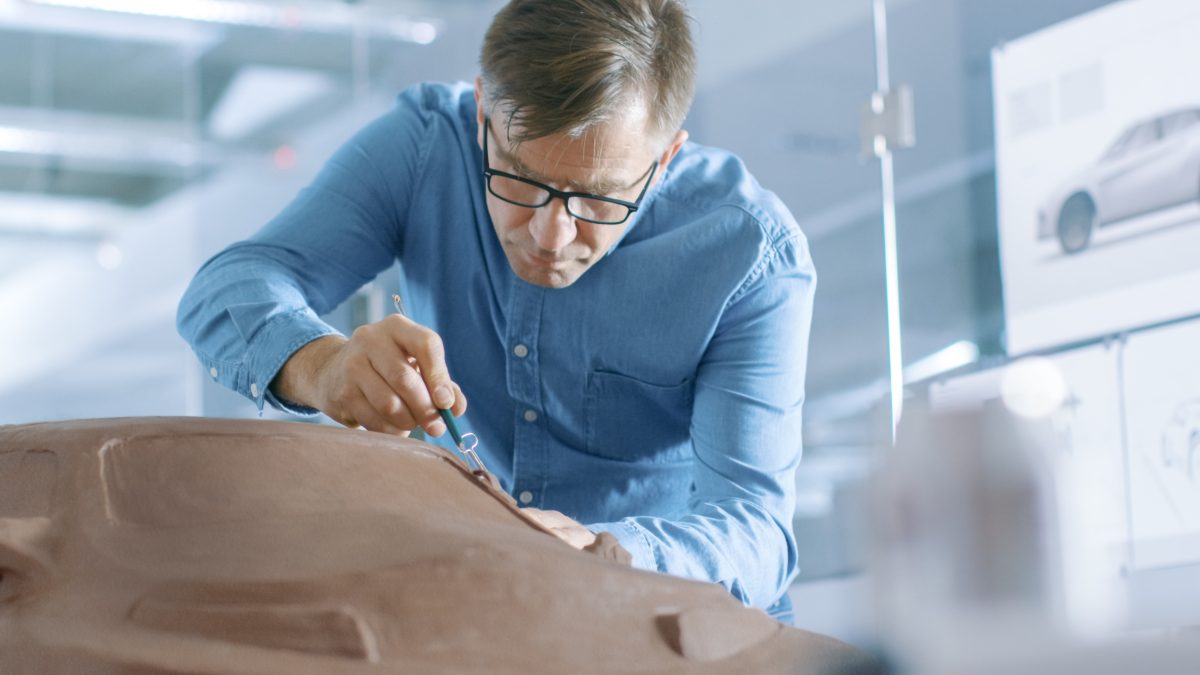
  • Clay Modeling Studios: In design studios, multi-million dollar clay models must be moved without any risk of damage. Powered movers provide the gentle, controlled movement necessary to protect these invaluable assets.

A Leap Forward in Operational Safety

Introducing a powered vehicle mover dramatically improves workplace safety. It turns a hazardous, multi-person task into a safe, one-person operation. The risk of physical strain and injury from pushing is eliminated entirely. Advanced features like automatic braking and controlled acceleration prevent runaway vehicles, ensuring the operator, the vehicle, and the surrounding equipment are always protected. Furthermore, by keeping the vehicle’s engine off, you eliminate harmful exhaust fumes from the indoor workspace.

Boosting Efficiency and Productivity

Efficiency gains are immediate and substantial. What once required a team of three or four technicians can now be accomplished by a single person in a fraction of the time. This frees up valuable personnel to focus on more complex, high-value tasks related to engineering, testing, and development. The speed and ease of movement mean that transitions between different stages of testing or assembly are quicker, reducing downtime and keeping the entire product development timeline on track.

The Impact on Product Development and Testing Outcomes

The benefits of using a powered vehicle mover extend beyond just safety and efficiency. They have a direct, positive impact on the quality of the work being done.

When vehicles are positioned with greater accuracy for crash tests, the resulting data is more reliable and repeatable. Engineers can be confident that the outcomes are a true reflection of the vehicle’s performance, not a variable introduced by sloppy positioning. This leads to better-informed design decisions, safer final products, and a more streamlined validation process.

In R&D environments, the ability to move vehicles without starting them is a game-changer. It allows for the safe handling of vehicles with disconnected powertrains, incomplete electrical systems, or even electric vehicles (EVs) with high-voltage batteries that need to be handled with care. This flexibility accelerates the development cycle and allows for more innovative engineering solutions.

Is a Powered Vehicle Mover Right for You?

If your operations involve moving vehicles within a confined space—whether it’s a manufacturing plant, a testing laboratory, a dealership service bay, or a design studio—the answer is almost certainly yes. The initial investment in a powered vehicle mover is quickly offset by the gains in safety, efficiency, and the protection of valuable assets.

Stop putting your team and your prototypes at risk. It’s time to move beyond the outdated and dangerous methods of the past. By embracing modern, purpose-built technology, you can create a safer, more productive work environment and improve the quality of your results.

Explore how a CarCaddy Vehicle Puller: The Collectors Edition can revolutionize your operations. Contact us today to learn more about our solutions and schedule a demonstration.

How a Vehicle Puller Keeps People Safe When Pulling a Car

Moving vehicles safely and efficiently in tight spaces has become a critical concern for businesses across multiple industries and vehicle collectors alike just look at our testimonials. Vehicle pullers represent a specialized solution that eliminates the risks associated with manual vehicle handling while dramatically improving operational efficiency.

Enhanced Safety When Pulling a Car

Safety remains the primary driver behind vehicle mover adoption. When you’re pulling a car manually or using improvised equipment, you’re exposing both your vehicles and employees to unnecessary risks.

Protecting Your Assets

Vehicle movers contact only the tires during transport, eliminating body damage that commonly occurs with manual pushing or unsafe mechanical pushers. This protection proves especially valuable when handling expensive or classic vehicles where even minor scratches can result in costly repairs.

One-Person Operation

A single trained operator maintains complete control throughout the moving process. This eliminates communication breakdowns and reduces the physical strain that leads to workplace injuries. The operator remains protected by the machine itself, creating a safer work environment for everyone involved.

Built-In Safety Features

High end vehicle movers like the CarCaddy Vehicle Puller include engineered safety systems designed for industrial environments. These typically include horn alerts, emergency stop switches, LED lighting systems, and customizable safety configurations that adapt to your specific operational requirements.

Operational Efficiency That Makes Sense

Universal Vehicle Compatibility

Modern vehicle movers handle various vehicle types and weights, typically supporting capacities up to 7,000 pounds. Adjustable roller arms and variable height settings accommodate everything from compact cars to larger SUVs and trucks.

Advanced Safety Technology

Automatic over-roll protections prevent vehicles from sliding off during transport, even during sudden stops or when navigating obstacles. This technology proves particularly important when moving vehicles with larger wheels or all-wheel-drive systems.

Customizable Performance

Adjustable acceleration and braking settings allow operators to match the equipment’s performance to specific operational needs and safety requirements.

Key Applications Across Industries

Manufacturing and Assembly Lines

Vehicle movers streamline assembly line operations by safely transporting vehicles between stations without risking damage to painted surfaces or assembled components.

Museums and Collections

Classic car museums and private collectors benefit from the precise control and damage prevention that vehicle movers provide. The equipment’s ability to handle valuable vintage vehicles safely makes it indispensable for these specialized applications.

Automotive Testing Facilities

Testing environments require frequent, precise vehicle positioning. Vehicle movers provide the accuracy and repeatability necessary for these demanding applications.

Essential Features to Consider

When selecting a vehicle puller, focus on these critical specifications:

Drive System and Capacity: Look for robust 36VDC drive systems with non-marking drive wheels that can handle your maximum vehicle weight requirements.

Control Features: Variable speed controls (typically 0-3 mph), adjustable acceleration/braking, and neutral throttle braking provide the precision needed for safe operations.

Safety Systems: Emergency stop switches, LED lighting, battery charge indicators, and roller arm configurations ensure safe operation in any environment.

Optional Enhancements: Consider wheel bonnets with swivel hooks, AWD dolly kits, and specialized battery systems based on your specific operational needs.

Making the Investment Work

The combination of eliminated vehicle damage, reduced injury risk, and improved operational efficiency makes vehicle movers a sound investment for any operation that regularly moves vehicles. Proper operator training maximizes these benefits while ensuring your team follows best practices and safety procedures.

The most successful implementations include designating trained “superusers” who become vehicle mover specialists within your organization. This approach combines efficiency gains with the highest safety standards. Just ask us we are happy to provide training.

Learn More About Vehicle MoversContact our team to discuss how the right vehicle moving equipment can transform your operations while protecting both your valuable assets and your workforce.

Best Way to Pull a Car: Car Dolly Vs Powered Vehicle Puller

As someone who’s spent years in the vehicle moving industry, I’ve seen countless car collectors struggle with the same dilemma: how to safely and efficiently move their prized vehicles. Whether you’re managing a classic car collection, operating a museum, or running a storage facility, choosing the right equipment can make all the difference between protecting your investment and risking costly damage.

Let me share my expertise on two popular solutions—car dollies and powered vehicle pullers—to help you make the right choice for your specific needs. I’ve watched both tools in action across hundreds of applications, and the differences are more significant than most people realize.

Two Main Methods of Pulling a Car

How Does a Car Dolly Work?

A car dolly operates as a two-wheel trailer that lifts only the front wheels of your vehicle off the ground. The rear wheels remain in contact with the road surface while you tow the car behind another vehicle, such as an RV or moving truck.

This system works well for certain applications, particularly short-distance moves with compatible vehicles. The dolly connects to your tow vehicle through a standard hitch system, and you secure the front wheels using straps or chains.

How Does a Vehicle Puller Work?

A powered vehicle puller takes a completely different approach. These motorized devices are designed specifically for moving immobilized or non-running vehicles without requiring manual labor. Our CarCaddy Vehicle Puller: The Collector’s Edition, for example, uses powered roller arms that grip the vehicle’s wheels securely, eliminating the need for straps or hooks entirely.

The operator simply positions the vehicle puller, engages the arms, and uses the electric motor to push and pull the vehicle precisely where it needs to go. Battery power provides the energy, making these units completely independent of external power sources.

Car Dolly vs Vehicle Puller: Key Differences

The fundamental difference lies in their intended purposes and capabilities. Car dollies are transportation tools designed for moving vehicles over roads between locations. Vehicle pullers are precision positioning tools built for moving cars within confined spaces.

Distance capabilities represent the most obvious distinction. Car dollies handle short distance moves across the room, while powered vehicle pullers excel at short-distance positioning within facilities and longer moves across display floors.

Vehicle compatibility varies significantly between the two options. Car dollies work with all cars, but require placing all four wheels on dollies manually then moving by hand. Powered vehicle pullers handle any vehicle type, regardless of drivetrain configuration or operational status, and utilize a powerful powered motor to pull the vehicle.

Ideal Use Cases

Car dollies shine in specific scenarios, especially if you only need to move one vehicle or do not need to move the vehicle often. Wheel dollies are often used in shops to move a vehicle a few feet.

However, for car collectors, the use cases favor powered vehicle pullers overwhelmingly. Museum exhibitions require frequent rearrangement of displays. Storage facilities need maximum space efficiency. Classic car collections often contain non-running vehicles that would be difficult to move by hand.

Pros and Cons of Each Vehicle Moving Solution

Car Dolly Advantages:

  • Lower initial cost
  • Suitable for infrequent use
  • Widely available for rental

Car Dolly Disadvantages:

  • Manual pulling of cars
  • Requires more than one person
  • Difficult backing and maneuvering
  • Safety concerns with manual pulling and tight spaces
  • No braking systems

Vehicle Puller Advantages:

  • Works with any vehicle type
  • Precise positioning capability
  • Eliminates manual pushing injuries
  • Battery-powered independence
  • Superior maneuverability in tight spaces

Vehicle Puller Disadvantages:

  • Higher initial investment
  • Not suitable for gravel lots or junk yards
  • Far too classy

CarCaddy Vehicle Puller Features and Benefits

Having developed our CarCaddy Vehicle Puller specifically for collectors, museums, and high end auto shops I can highlight several key advantages. Our powered roller arm system provides secure wheel grip without scratching or damaging expensive finishes. The compact design navigates spaces where dollies simply won’t fit.

Battery life supports full-day operation, and our customers frequently tell me they can fit 20% more vehicles in their storage facilities after switching to our system. One museum curator recently shared that they can relocate vehicles without being disruptive.

The safety benefits are equally important. Manual pushing often requires multiple staff members and risks injuries. Our powered system allows a single operator to handle moves safely and efficiently.

Make the Right Choice for Your Collection

For serious car collectors, the choice becomes clear when you consider long-term value and functionality. While car dollies serve a purpose in specific transport scenarios, powered vehicle pullers offer the precision, safety, and versatility that valuable collections demand.

Your classic cars deserve equipment designed specifically for their protection and your operational efficiency.

Order Your Powered Vehicle Puller Today and experience the difference professional-grade equipment makes in protecting your automotive investments.