
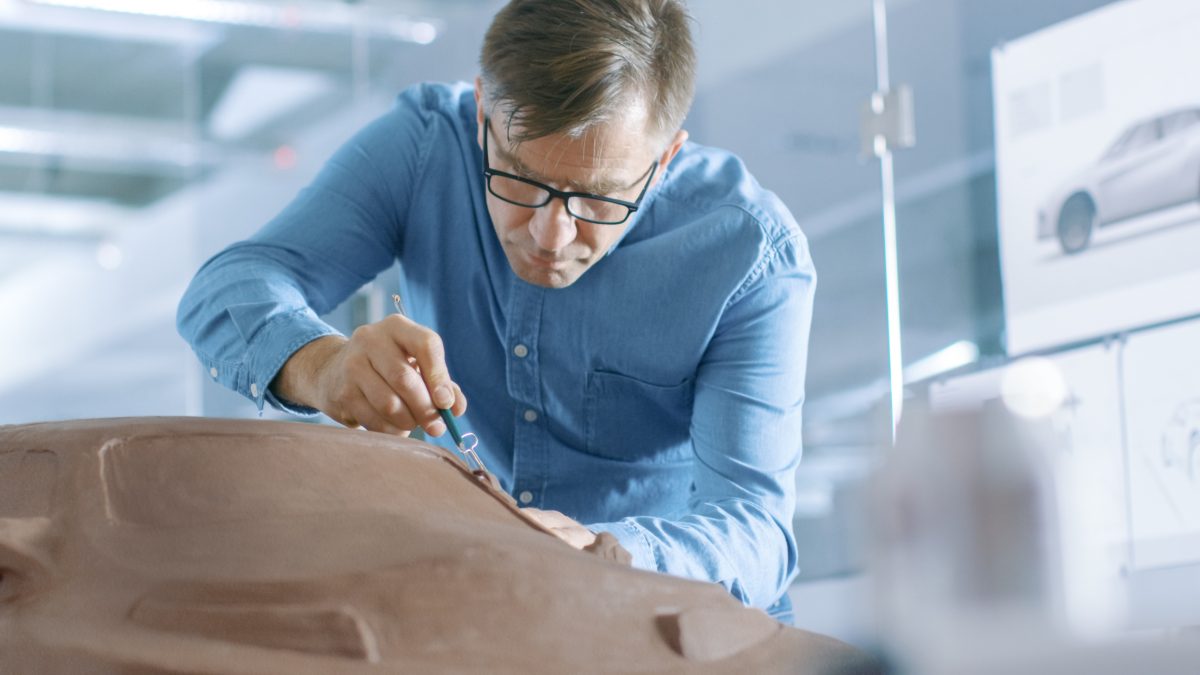
Research, development and crash-test facilities often need to reposition vehicles without driving them. A powered vehicle mover can support that work when the equipment is matched to the vehicle and the facility’s operating procedure.
Assess the vehicle and the test environment
Prototypes can have unusual weight distribution, incomplete systems or restricted handling points. Confirm the vehicle’s condition and the permitted method of movement with the responsible engineering team. An equipment selection does not establish that a damaged vehicle, disconnected powertrain or high-voltage system is safe to handle.
Check the route, floor condition, clearances, pedestrian access and available stopping space. Test protocols and facility procedures determine the required positioning tolerances; a mover alone does not guarantee test alignment, millimeter accuracy or valid test results.
Match the mover to the application
For the CarCaddy Collector’s Edition, the Collector’s Edition specifications list a 7,000 lb. vehicle-weight limit and a 3,000 lb. front-axle limit. The published drive system is 36VDC, with a 0–3 mph forward/reverse range. Check both weight limits and confirm the tire, clearance and route requirements for the actual application.
Use controls as part of a safe procedure
The published features include neutral throttle braking, adjustable acceleration/braking and a safety stop switch. These are operating features, not assurances that a vehicle cannot roll, collide or cause injury. Train operators on the specific unit, keep the movement area clear and use spotters where the facility’s procedure requires them.
For a compatible vehicle, electric movement can avoid starting its combustion engine during repositioning. It does not address other hazards in the vehicle or the test area. Efficiency benefits should be assessed against the facility’s actual workflow rather than assumed staffing or payback figures.
Review the planned move with the right teams
Have the facility’s engineering and safety teams review the proposed method. Then contact the CarCaddy team with the model, weights, tire details, clearances and intended operating environment to confirm the appropriate equipment configuration.