What is a Powered Vehicle Mover? Complete Guide & Features

Moving vehicles safely and efficiently has become essential across various industries—from automotive manufacturing to vehicle storage facilities. When manual pushing isn’t practical and forklifts pose safety risks, powered vehicle movers offer the ideal solution. But what exactly is a powered vehicle mover, and how can it transform your operations?

A powered vehicle mover is a specialized piece of equipment designed to transport cars, trucks, and other vehicles without the need for an engine or driver. These machines attach to a vehicle’s wheels or frame, allowing operators to move vehicles precisely and safely in tight spaces. Whether you’re managing an assembly line, organizing a storage lot, or working in a dealership, understanding how these machines work can significantly improve your workflow efficiency.

This comprehensive guide explores everything you need to know about powered vehicle movers, from their key features to their practical applications. You’ll discover how these machines enhance safety, what specifications matter most, and when investing in a high-performance model makes sense for your operations.

Defining a Powered Vehicle Mover

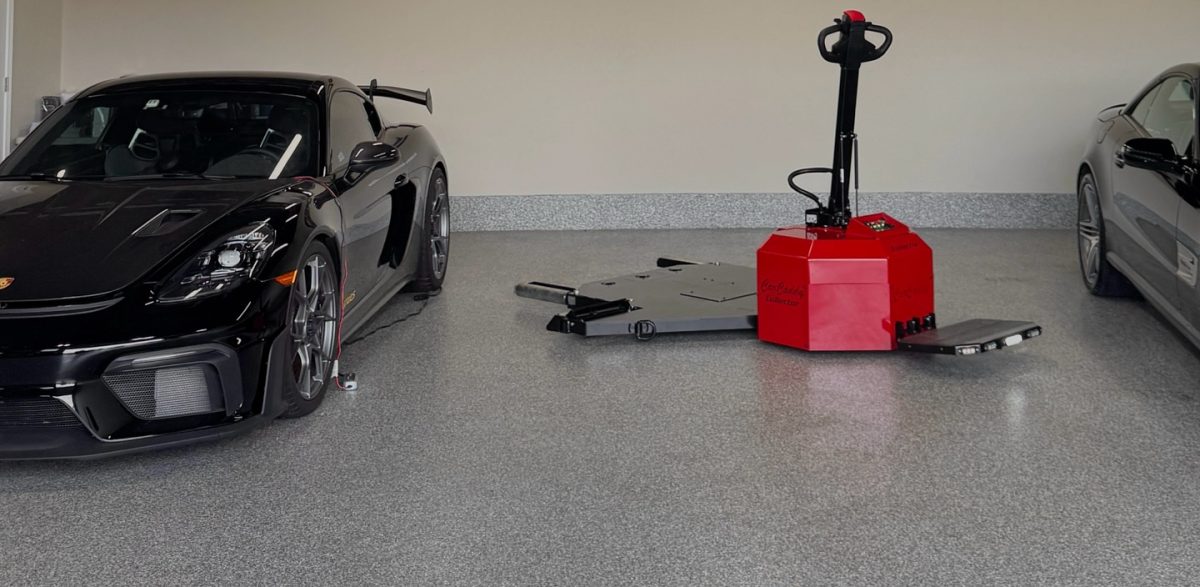
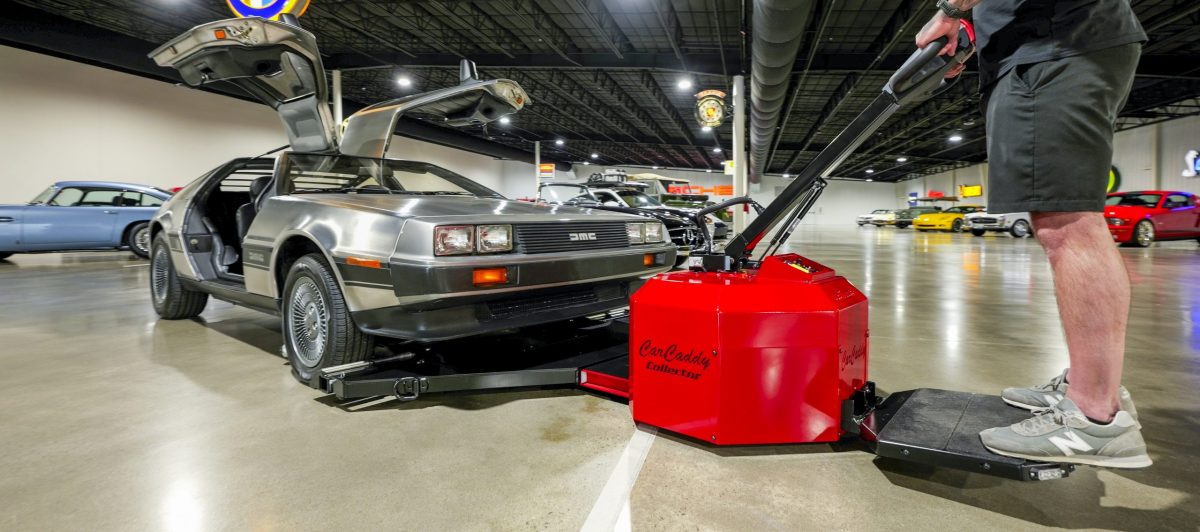
A powered vehicle mover, also known as a vehicle puller or auto mover, is an electric-powered machine that moves vehicles without requiring them to be operational. The device typically features a platform where an operator stands or sits while controlling the movement of the attached vehicle.

These machines work by securing onto a vehicle’s front wheels through roller planes or specialized attachment systems. Once connected, the powered unit provides the traction and power needed to push or pull the vehicle in any direction. The operator controls speed, direction, and braking through an intuitive control panel, making vehicle positioning precise and effortless.

Most powered vehicle movers operate on battery systems, making them environmentally friendly and suitable for indoor use. They eliminate the need for starting vehicle engines, reducing emissions and noise in work environments while providing consistent, reliable movement regardless of the vehicle’s mechanical condition.

Key Features of a High-Performance Vehicle Mover

High-performance powered vehicle movers incorporate advanced engineering to handle demanding industrial applications. These machines go beyond basic transportation, offering superior stability, durability, and operator safety features that standard models cannot match.

Load Capacity and Stability

Professional-grade vehicle movers can handle substantial loads, with many models supporting vehicles weighing up to 7,000 pounds and front axle weights of 3,000 pounds or more. High-performance units are specifically engineered to manage loads up to five tons consistently, making them suitable for heavy-duty applications in automotive manufacturing and large vehicle storage operations.

The increased load capacity comes from reinforced structural components and advanced weight distribution systems. These machines maintain stability even when moving heavier vehicles, preventing the rocking motion common in lighter-duty models.

Smooth Transportation and Bogie Wheel Construction

One distinguishing feature of high-performance vehicle movers is their bogie wheel construction. Instead of wheels positioned across the machine, bogie wheels are aligned in-line, providing a smoother ride and enhanced stability during transport.

This wheel configuration reduces vibration and allows the machine to navigate uneven surfaces more effectively. Operators experience less jarring movement, which translates to better control and increased confidence when maneuvering vehicles through challenging environments.

Roller Planes and Overroll

Advanced vehicle movers feature roller planes with  overroll protection . These roller planes allow vehicle tires to smoothly roll onto the machine’s front section, creating a secure connection without requiring complex positioning procedures.

The overroll protection prevents vehicles from rolling too far forward during the attachment process, eliminating the risk of damage to both the vehicle and the moving equipment. This safety feature is particularly valuable in high-volume operations where speed and reliability are essential.

Robust Construction and Joint Pins

High-performance models incorporate reinforced joint pins and bushings for press arm connections. These components are significantly larger and more robust compared to standard vehicle movers, ensuring reliable operation under continuous heavy use.

The enhanced joint construction reduces wear and extends service life, making these machines cost-effective investments for facilities that rely on frequent vehicle movement. Maintenance requirements remain low despite the increased durability and performance capabilities.

Enhanced Safety for Operators and Facilities

Safety represents a primary advantage of powered vehicle movers over manual vehicle handling methods. These machines eliminate the physical strain associated with pushing vehicles by hand while providing precise control that reduces accident risks.

Modern vehicle movers feature shock-assisted ride-on platforms that provide operator comfort during extended use. The stable platform design minimizes the rocking motion that can occur with basic models, allowing operators to maintain better balance and control throughout the moving process.

Emergency safety stop switches provide immediate shutdown capability when needed. LED lighting systems improve visibility in low-light environments, while angled control panels offer ergonomic operation that reduces operator fatigue during long shifts.

Vehicle Compatibility and Limitations

Powered vehicle movers demonstrate remarkable versatility in terms of vehicle compatibility. They can effectively move everything from compact cars to SUVs and heavier commercial vehicles. This broad compatibility makes them valuable tools for mixed-use facilities handling various vehicle types.

However, certain limitations exist. Vehicles with extremely low ground clearance or particularly low front ends may require special low-profile front sections. High-end sports cars often fall into this category, requiring specialized equipment modifications for safe handling.

Most standard powered vehicle movers handle typical passenger vehicles, light trucks, and commercial vehicles without difficulty. The key consideration is ensuring the vehicle’s weight falls within the mover’s specified capacity limits and that adequate ground clearance exists for proper attachment.

Specifications and Components

Understanding the technical specifications helps in selecting the right powered vehicle mover for specific applications. Key specifications include load capacity, battery system details, drive system configuration, and dimensional requirements.

Drive System and Speed Control

Professional vehicle movers typically feature 36VDC drive systems with non-marking drive wheels. These systems provide smooth acceleration and precise speed control, typically offering speeds from 0-3 mph in both forward and reverse directions.

High-tech speed controllers allow operators to adjust acceleration and braking characteristics to match specific operational needs. This adjustability proves valuable when moving delicate or valuable vehicles that require extra care during positioning.

Braking and Safety Features

Advanced braking systems include neutral throttle braking, which automatically applies braking force when the throttle is released. This feature provides additional safety by preventing uncontrolled movement if the operator releases the controls unexpectedly.

Battery charge indicators help operators monitor power levels and plan charging schedules to avoid interruptions during busy periods. External battery chargers enable convenient overnight charging, ensuring equipment readiness for each work shift.

Maximizing Your Investment in Vehicle Moving Technology

Powered vehicle movers represent a significant advancement in vehicle handling technology, offering safety, efficiency, and versatility benefits that far exceed manual handling methods. Whether you’re operating an automotive assembly line, managing a vehicle storage facility, or working with collector cars, these machines can transform your operations.

The key to success lies in matching the equipment specifications to your specific needs. Consider your typical vehicle weights, operating environment conditions, and usage frequency when evaluating options. High-performance models justify their additional cost in demanding applications where reliability and durability are paramount.

For facilities beginning their transition to powered vehicle movement, start by assessing your current challenges and operational requirements. This analysis will guide you toward the most suitable equipment configuration and help ensure your investment delivers the expected productivity and safety improvements.

Contact Us Today To Start Customizing Your CarCaddy Vehicle Puller: The Collectors Edition

Powered Vehicle Movers: Moving Vehicles Safely in R&D and Crash Testing

Moving vehicles around a workshop or testing facility might seem like a simple task. However, in the high-stakes world of automotive research and development (R&D) and crash testing, it’s a process filled with hidden risks and inefficiencies. The traditional methods of manually pushing or driving vehicles can lead to accidents, damage, and inaccurate test results. A powered vehicle mover offers a modern solution, transforming how automotive professionals handle vehicles with precision, safety, and efficiency.

This post will explore the critical role of powered vehicle movers in the automotive development lifecycle. We will cover the challenges of manual vehicle handling, the significant benefits of using specialized equipment, and how these tools ultimately lead to better, safer products. See how our CarCaddy Vehicle Puller has helped our clients.

The Hidden Dangers of Manual Vehicle Moving

In any automotive facility, from a design studio to a crash test lab, vehicles must be moved frequently. They are shifted between bays, positioned on dynamometers, or aligned for crash testing. Relying on manual labor or driving the vehicle itself presents several significant problems.

Safety Risks to Personnel

Pulling a vehicle weighing thousands of pounds, even a short distance, is physically demanding and inherently risky. A slip, a loss of grip, or an unexpected roll can lead to serious injuries. Strains, sprains, and crush injuries are real possibilities when several team members are trying to coordinate the movement of a heavy, unwieldy object. In an environment filled with expensive equipment and prototypes, the potential for human error is a constant concern.

Damage to Valuable Prototypes and Equipment

Automotive prototypes are often one-of-a-kind, representing millions of dollars in investment and countless hours of work. Manually moving these assets increases the risk of accidental damage. A small bump against a wall, a collision with another vehicle, or a scrape against testing equipment can set a project back by weeks or months. Similarly, driving a vehicle in a confined indoor space can easily lead to minor collisions that compromise the integrity of the vehicle or the facility.

Inefficiency and Wasted Resources

Coordinating a team to manually push a vehicle is far from efficient. It requires pulling multiple skilled technicians away from their primary tasks. This process is slow, requires careful communication, and disrupts workflow. Driving the vehicle, on the other hand, introduces exhaust fumes into an indoor environment, creating health hazards and requiring extensive ventilation systems. This method also adds unnecessary mileage and wear to a prototype that may have specific testing parameters.

The Solution: Powered Vehicle Movers

A powered vehicle mover is a purpose-built, often electric-powered, walk-along device designed to move vehicles safely and precisely. These machines attach to a vehicle’s wheels and allow a single operator to maneuver it with complete control, eliminating the need for manually pushing/ pulling a car or starting the engine.

Unmatched Precision and Control

One of the greatest advantages of a powered vehicle mover is the level of precision it offers. An operator can guide a vehicle into the tightest of spaces with millimeter accuracy. This is particularly crucial in several scenarios:

  • Crash Test Alignment: For crash testing to yield valid data, the vehicle must be positioned perfectly. A powered mover allows technicians to align the vehicle with the barrier or impact point exactly as required by the test protocol, ensuring data accuracy.
  • Dynamometer and NVH Testing: Positioning a vehicle correctly on a chassis dynamometer or within an anechoic chamber for Noise, Vibration, and Harshness (NVH) testing requires precise placement. A powered mover makes this a simple, one-person job.
  • Clay Modeling Studios: In design studios, multi-million dollar clay models must be moved without any risk of damage. Powered movers provide the gentle, controlled movement necessary to protect these invaluable assets.

A Leap Forward in Operational Safety

Introducing a powered vehicle mover dramatically improves workplace safety. It turns a hazardous, multi-person task into a safe, one-person operation. The risk of physical strain and injury from pushing is eliminated entirely. Advanced features like automatic braking and controlled acceleration prevent runaway vehicles, ensuring the operator, the vehicle, and the surrounding equipment are always protected. Furthermore, by keeping the vehicle’s engine off, you eliminate harmful exhaust fumes from the indoor workspace.

Boosting Efficiency and Productivity

Efficiency gains are immediate and substantial. What once required a team of three or four technicians can now be accomplished by a single person in a fraction of the time. This frees up valuable personnel to focus on more complex, high-value tasks related to engineering, testing, and development. The speed and ease of movement mean that transitions between different stages of testing or assembly are quicker, reducing downtime and keeping the entire product development timeline on track.

The Impact on Product Development and Testing Outcomes

The benefits of using a powered vehicle mover extend beyond just safety and efficiency. They have a direct, positive impact on the quality of the work being done.

When vehicles are positioned with greater accuracy for crash tests, the resulting data is more reliable and repeatable. Engineers can be confident that the outcomes are a true reflection of the vehicle’s performance, not a variable introduced by sloppy positioning. This leads to better-informed design decisions, safer final products, and a more streamlined validation process.

In R&D environments, the ability to move vehicles without starting them is a game-changer. It allows for the safe handling of vehicles with disconnected powertrains, incomplete electrical systems, or even electric vehicles (EVs) with high-voltage batteries that need to be handled with care. This flexibility accelerates the development cycle and allows for more innovative engineering solutions.

Is a Powered Vehicle Mover Right for You?

If your operations involve moving vehicles within a confined space—whether it’s a manufacturing plant, a testing laboratory, a dealership service bay, or a design studio—the answer is almost certainly yes. The initial investment in a powered vehicle mover is quickly offset by the gains in safety, efficiency, and the protection of valuable assets.

Stop putting your team and your prototypes at risk. It’s time to move beyond the outdated and dangerous methods of the past. By embracing modern, purpose-built technology, you can create a safer, more productive work environment and improve the quality of your results.

Explore how a CarCaddy Vehicle Puller: The Collectors Edition can revolutionize your operations. Contact us today to learn more about our solutions and schedule a demonstration.

Classic Auto Repair Required a Powered Vehicle Moving Solution

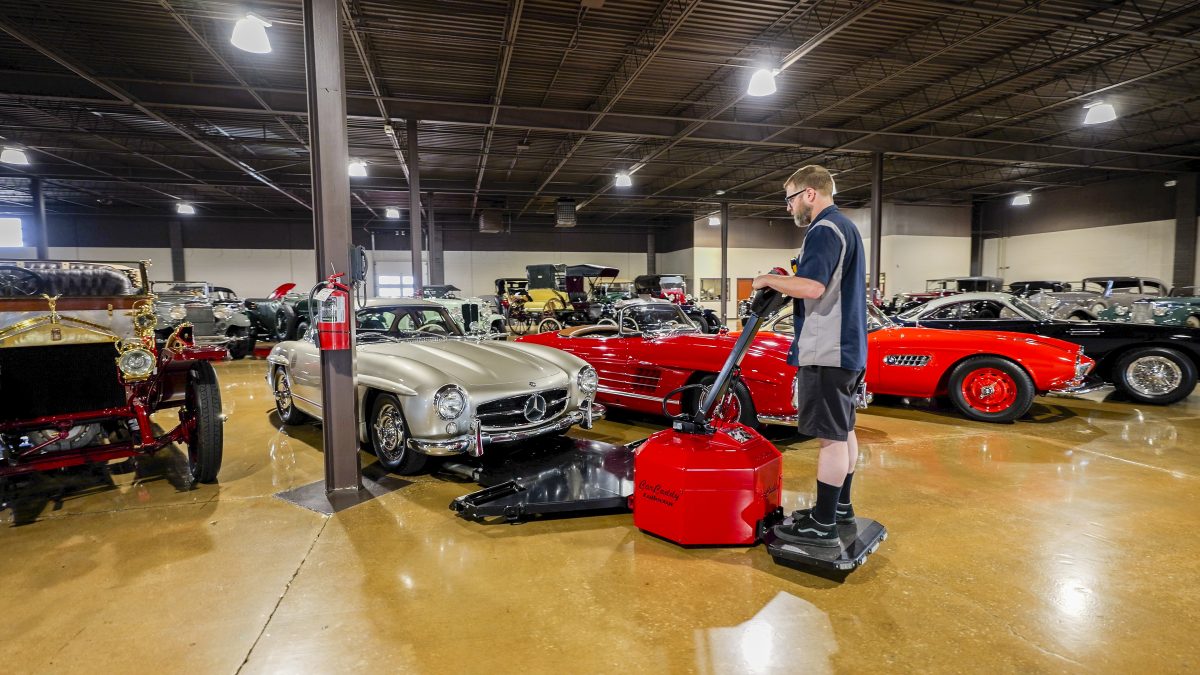
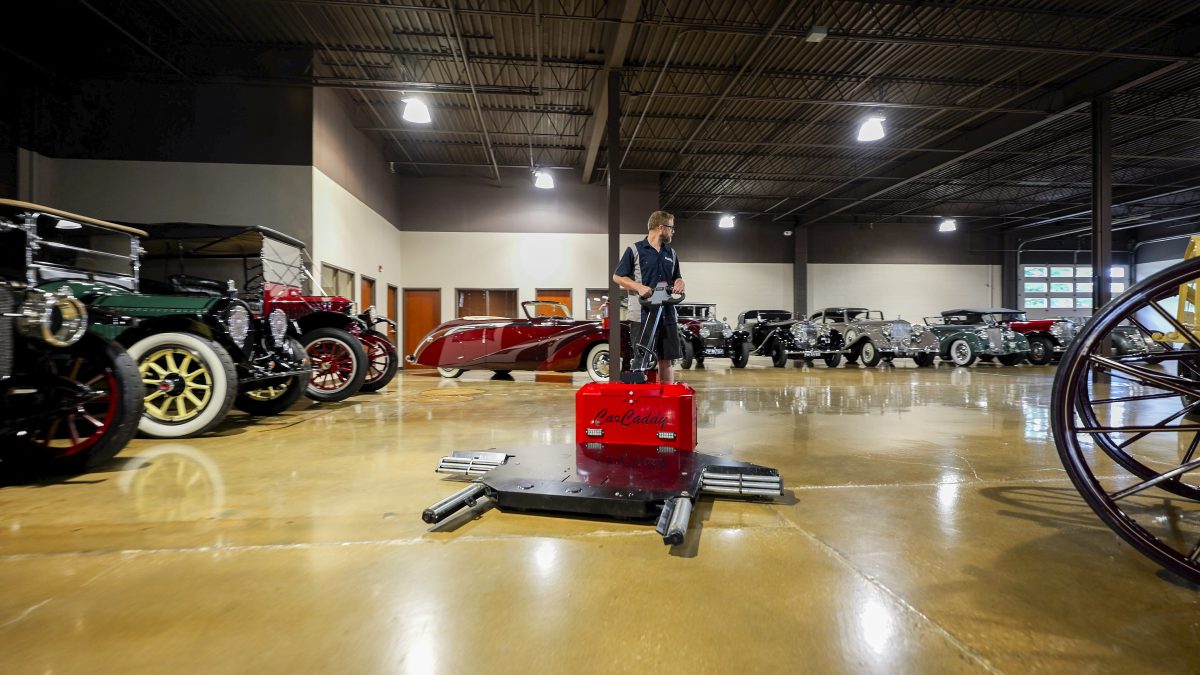
This car collection is nothing short of impressive, every vehicle is a standout, from beautifully restored classics to bold, high-performance machines. It’s clear that every car here has been carefully chosen and maintained with serious pride and attention to detail. Walking through this lineup feels like flipping through the best parts of automotive history, where each turn reveals something even more jaw-dropping than the last.

A big thank you to Bruce and Randy for letting us be a small part of something so well put together. Adding the Vehicle Puller Collector’s Edition to a collection like this means a lot. It’s clear you care about how your vehicles are moved, not just how they look and we’re proud our equipment made the cut.

Midwest Wanted an Affordable Powered Vehicle Mover Upgrade

The Midwest Dream Car Collection began as a private passion for Ward and Brenda Morgan and opened their doors to the public in 2019 as a 501c3 not for profit museum and event center.  Today, they proudly showcase over 65 vehicles that span the full history of the automobile—from an 1886 Benz Patent Motorwagen to modern marvels of automobile engineering.

As the most prestigious car collection in the region, Midwest Dream Collection has something for everyone—rare finds, historical gems, exotics, and timeless classics. Thanks to their active loaner network, exhibits rotate regularly, ensuring there’s always something new to discover. Their always exploring new and exciting ways to share their love of cars with the Manhattan, Kansas community and greater Midwest region.

The Midwest Dream Car Collection contacted DJ Products Inc. looking for a vehicle mover worthy of fine automobiles such as their 1948 Tucker or Cher’s custom made 1966 Ford Mustang convertible. The CarCaddy Vehicle Puller was the perfect powered vehicle mover for their museum. As a long-time user of a CarCaddy Vehicle Puller, once DJP’s Collectors Editions was finished, with all its upgrades to better handle various sized drive tires, so commonly seen with older vehicles,  realized that it was a better fit for MDCC’s collection.  Please watch the video of the CCVP Collector’s Edition in use:

Hyman Needed a Vehicle Moving Solution

“We love cars! Everyone at Hyman Ltd. is passionate about what they do.” Says Mark Hyman, owner and founder of Hyman Limited, one the premier multisegmented Car Collector and Consignment companies in the world.

Hyman Ltd. was created in 1989 because of Mark Hyman’s interest in antique, classic and special interest automobiles. Beginning in a small, rented garage of approximately 4,000 sq ft., the business quickly grew their current location — a beautiful two facility compound consisting of 67,000 sq ft. located near the St. Louis International Airport that houses their sales department, restoration, repair facility, showroom, and administrative offices.

At Hyman Ltd., they search the world to seek out and acquire rare and unusual cars of exceptional quality. Their clientele consists of collectors, museums, and enthusiasts throughout the world who come to them for assistance in buying, selling, and in refining their collections while shopping their extensive inventory exceeding over 200 vehicles.

With an operation at this scale Hyman knew they needed a vehicle moving solution other than towing or manually moving on wheeled car dollies. Hyman discovered the CarCaddy and realized the answer to their problem was a motorized vehicle mover.

Hyman, one of our DJProducts Inc. first CarCaddy Vehicle Puller customers, called us after receiving and using our CarCaddyVP, “Great product, but we have identified a few technical improvements… can you make it more aesthetically appealing to our premium car buyers? ”. After 3 years of refining the details, we finally delivered a finished product called the CarCaddy Vehicle Puller Collector’s Edition. See our premier vehicle mover in action in the following video:

Add Your Heading Text Here

Add Your Heading Text Here

Add Your Heading Text Here