CarCaddy Vehicle Puller: The Collectors Edition VS The Competition

A Guide to Choosing the Right Vehicle Puller

Moving vehicles within a confined space like a workshop, showroom, or museum presents a unique set of challenges. It requires precision, safety, and efficiency to prevent damage and ensure a smooth workflow. An electric vehicle mover, or vehicle puller, is an essential tool for this task, allowing a single operator to move cars safely without starting the engine.

Choosing the right vehicle puller is crucial for maximizing productivity and protecting valuable assets. With different models available, it’s important to understand which features best suit your specific operational needs. This guide will walk you through the key factors to consider and compare two leading models to help you make an informed decision.

Factors to Consider When Choosing a Vehicle Puller

Before investing in a vehicle puller, evaluate your requirements based on these four key factors.

Vehicle Weight Capacity

The first and most important consideration is the weight of the vehicles you need to move. A puller must be rated to handle the maximum weight of your heaviest vehicles to operate safely. Overloading a machine can lead to equipment failure and dangerous situations. Check the puller’s specifications for both total vehicle weight and maximum axle weight capacity.

Operating Time

Consider how frequently you will use the vehicle puller. For operations that require moving cars throughout the day, a long battery life is essential. Look for models that offer extended operating times, such as 8-10 hours on a single charge. This minimizes downtime for recharging and keeps your workflow uninterrupted.

Maneuverability and Visibility

Workshops, showrooms, and storage facilities are often tight spaces. A good vehicle puller should offer excellent maneuverability to navigate these areas easily. Features like a tight turning radius and responsive steering are critical. The operator should also have a clear line of sight around the machine to ensure precise and safe movement, preventing accidental bumps or scrapes.

Safety Features

Safety is non-negotiable. Essential safety features include reliable braking systems, emergency stop switches, and good lighting for visibility in low-light conditions. Some models also include features like adjustable acceleration and neutral throttle braking, which gives the operator greater control and helps prevent sudden jerks or movements.

A Look at Top Vehicle Puller Models

To help you understand how these factors apply in practice, let’s compare two popular options on the market: the S3 and the CarCaddy Vehicle Puller.

S3 Electric Vehicle Mover

The S3 is a robust machine designed for businesses that need to move vehicles frequently over various distances, such as in testing labs, on production lines, or in large workshops.

  • Features and Benefits: The S3 can handle vehicles weighing up to 3,000 kg (approximately 6,600 lbs). One of its standout features is an impressive 10-hour operating time, ensuring it can last through a full workday with minimal maintenance requirements. Its low-profile design provides the operator with excellent visibility during loading and unloading.
  • Specialized Use: The S3 is also available with a hydraulic cylinder, which provides greater power and allows it to handle cars with very low ground clearance—a key feature for businesses dealing with sports cars or luxury vehicles.
  • Price: The S3 starts at around $50K. Its higher price point reflects its capabilities, and setting their price in an emerging market.

CarCaddy Vehicle Puller: The Collectors Edition

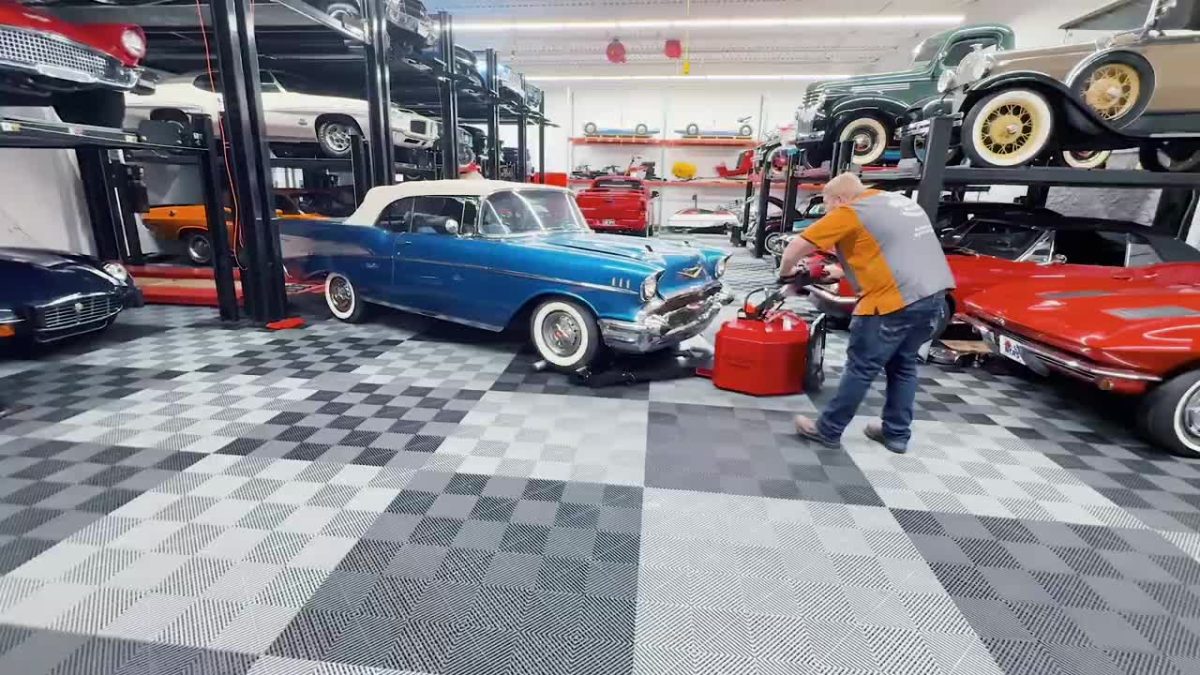
The CarCaddy Vehicle Puller is a versatile and cost-effective solution, ideal for car museums, private collections, and storage warehouses where vehicles are moved less frequently but still require careful handling.

  • Features and Benefits: The CarCaddy can pull vehicles up to 7,000 lbs (approximately 3,175 kg) with a front axle weight capacity of 3,000 lbs. It comes equipped with a range of standard features, including a variable speed twist grip, adjustable acceleration, and a shock-assisted ride-on platform for operator comfort. Its LED headlights improve visibility for easy alignment.
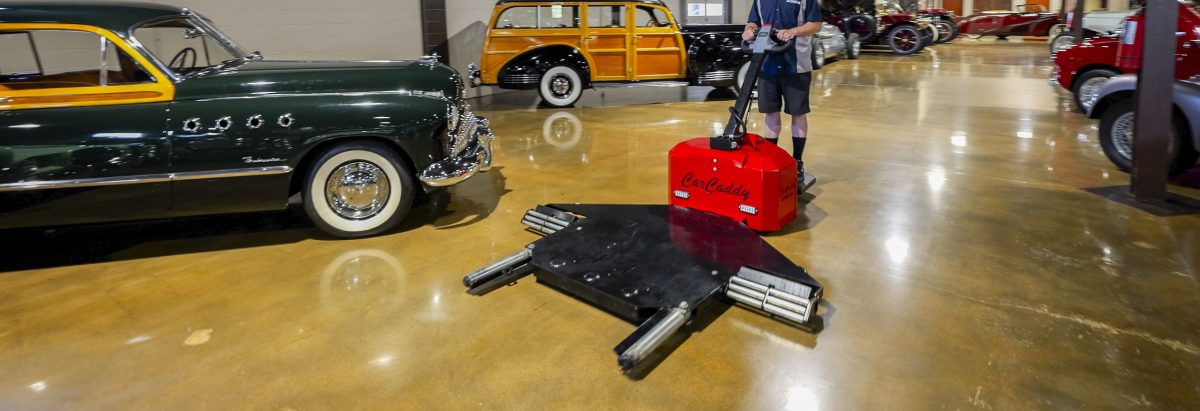
  • Specialized Use: A key advantage of the CarCaddy is its low-profile design with adjustable roller arms, which allows for easy loading and unloading without damaging a vehicle’s bumper or body. This makes it particularly suitable for handling valuable and classic cars.
  • Price: The CarCaddy Vehicle Puller starts at around $30K, making it a more accessible option for smaller businesses or private collectors who need a reliable machine without the scaled up price tag.

Special Features That Make a Difference

Certain features can significantly enhance the functionality of a vehicle puller for specific applications.

  • Hydraulic Cylinders: As seen with the S3, hydraulic systems can provide the extra power needed for lower-clearance vehicles, ensuring the mover can securely lift the wheels without damaging the vehicle’s undercarriage.
  • Adjustable Arms: The CarCaddy’s adjustable roller arms are a prime example of a feature designed for versatility. This allows the operator to customize the grip for different wheelbases and vehicle types, ensuring a secure and damage-free move every time.

Find the Right Mover for Your Needs

Choosing the right vehicle puller comes down to balancing your operational needs with your budget.

If your business involves continuous, heavy-duty vehicle movement and you regularly handle vehicles with low ground clearance, the power and extended operating time of the S3 and CarCaddy Vehicle Puller make either a worthy investment.

For car collectors, museums, or service centers that need a reliable, safe, and versatile machine for less frequent use, the CarCaddy Vehicle Puller offers an excellent balance of features and affordability. Its focus on preventing damage to the vehicle body makes it a trusted choice for handling valuable automobiles.

Investing in the right equipment streamlines your operations, protects your assets, and ensures a safer work environment.

Ready to improve your vehicle handling process? Request a custom quote today to customize your CarCaddy Vehicle Puller.

Why Low-Profile Vehicle Movers are Essential for Classic Car and Auction Transport

Transporting a classic car or a high-value auction vehicle is not like moving a standard daily driver. These automobiles represent significant investments of time, passion, and money. Their unique designs, delicate components, and often irreplaceable nature demand a specialized approach to logistics. Using standard towing equipment can risk catastrophic damage, turning a prized possession into a costly repair project.

This post explains why low-profile vehicle movers and powered vehicle pullers are the gold standard for transporting classic and auction cars. We will explore the specific challenges these vehicles present and show how specialized equipment is designed to overcome them, ensuring your investment arrives safely and to its final destination without a scratch.

The Unique Challenges of Transporting Irreplaceable Vehicles

Classic and high-value vehicles are fundamentally different from modern cars. Their transport requires careful consideration of several factors that standard equipment simply isn’t built to handle.

Low Ground Clearance

Many classic sports cars, luxury models, and race cars were designed with performance in mind, resulting in very low ground clearance. Think of a vintage Ferrari, a classic Porsche, or a custom hot rod. The distance between the chassis and the road is minimal, making them extremely vulnerable during loading and unloading.

A standard tow truck or trailer uses steep ramp angles. Attempting to load a low-clearance vehicle onto such a ramp can cause significant damage. The front spoiler, exhaust system, oil pan, and undercarriage can easily scrape against the ramp or the truck bed, leading to deep scratches, dents, or even structural damage.

The Delicate Nature of Vintage Automobiles

Older vehicles are fragile. Their bodywork, paint, and mechanical components are not as resilient as those on modern cars. The suspension systems can be less robust, and original parts may be brittle with age. Standard transport methods that involve chains, hooks, or rough handling can place undue stress on these delicate systems.

Improperly securing a classic car can lead to a host of problems. Chains can scratch custom paint jobs or damage chrome bumpers. Jolts and vibrations during transit can stress the chassis and suspension, potentially misaligning panels or damaging sensitive components. For a collector, originality is everything, and even minor, avoidable damage can significantly decrease a vehicle’s value.

How Low-Profile Movers Provide the Solution

Low-profile vehicle movers, often called flatbed or rollback carriers with low-angle decks, are engineered specifically to address the challenges of transporting valuable and delicate cars.

Gentle Loading with Near-Level Ramps

The defining feature of a low-profile mover is its ability to reduce the loading angle. These carriers use hydraulic systems to tilt the entire bed, creating a ramp that is nearly parallel to the ground. This gentle incline allows a vehicle with even the lowest ground clearance to be driven or winched aboard without any risk of scraping the undercarriage, front lip, or exhaust.

This single feature eliminates the most common cause of damage during vehicle transport. It provides a smooth, seamless transition from the ground to the truck bed, protecting every inch of the car.

Secure, Damage-Free Fastening

Instead of using heavy chains and hooks that can mar a vehicle’s finish, professional low-profile transport services use soft-strap systems. These wide, durable nylon straps are placed over the tires to secure the vehicle to the truck bed.

This method has two key advantages. First, the straps only touch the rubber tires, ensuring no contact with painted surfaces, chrome, or delicate body panels. Second, securing the vehicle by its wheels allows its own suspension to absorb bumps and vibrations during transit, reducing stress on the chassis and other components. This is the same method used by manufacturers to transport brand-new vehicles from the factory to the dealership.

Professional Handling and Expertise

Companies that invest in low-profile vehicle movers also invest in trained operators. These professionals understand the nuances of handling high-value automobiles. They know how to carefully winch a non-running vehicle, how to navigate tight spaces, and how to perform meticulous pre-trip inspections to ensure everything is secure.

This expertise is particularly critical in scenarios involving rare or unique vehicles. Imagine transporting a one-of-a-kind pre-war classic to the Pebble Beach Concours d’Elegance. Or moving a multi-million dollar hypercar after a high-stakes auction. In these situations, you are not just paying for a truck; you are paying for the peace of mind that comes with professional, white-glove service.

When Low-Profile Vehicle Movers Most Beneficial

While ideal for any cherished vehicle, these movers are indispensable in certain situations:

Auction Transport: When a vehicle is bought or sold at an auction, its condition is paramount. The buyer expects to receive the car in the exact state it was in when the hammer fell. Low-profile transport guarantees a damage-free handover, protecting the investment for both the seller and the buyer.

Classic Car Shows and Concours Events: Exhibitors spend countless hours preparing their cars for shows. The last thing they need is transport damage undoing all their hard work. Specialized movers ensure the car arrives in show-ready condition.

Transporting Exotic and Supercars: Modern supercars from brands like Lamborghini, McLaren, and Bugatti have extremely low profiles and are constructed from advanced materials like carbon fiber. They require the gentle handling and secure fastening that only low-profile movers can provide.

Moving Non-Running Project Cars: A vintage car being restored often cannot be driven onto a trailer. Low-profile movers equipped with powerful winches can carefully pull the vehicle onto the bed without putting any strain on its delicate components.

Low-Profile Vehicle Puller for Precision On Site

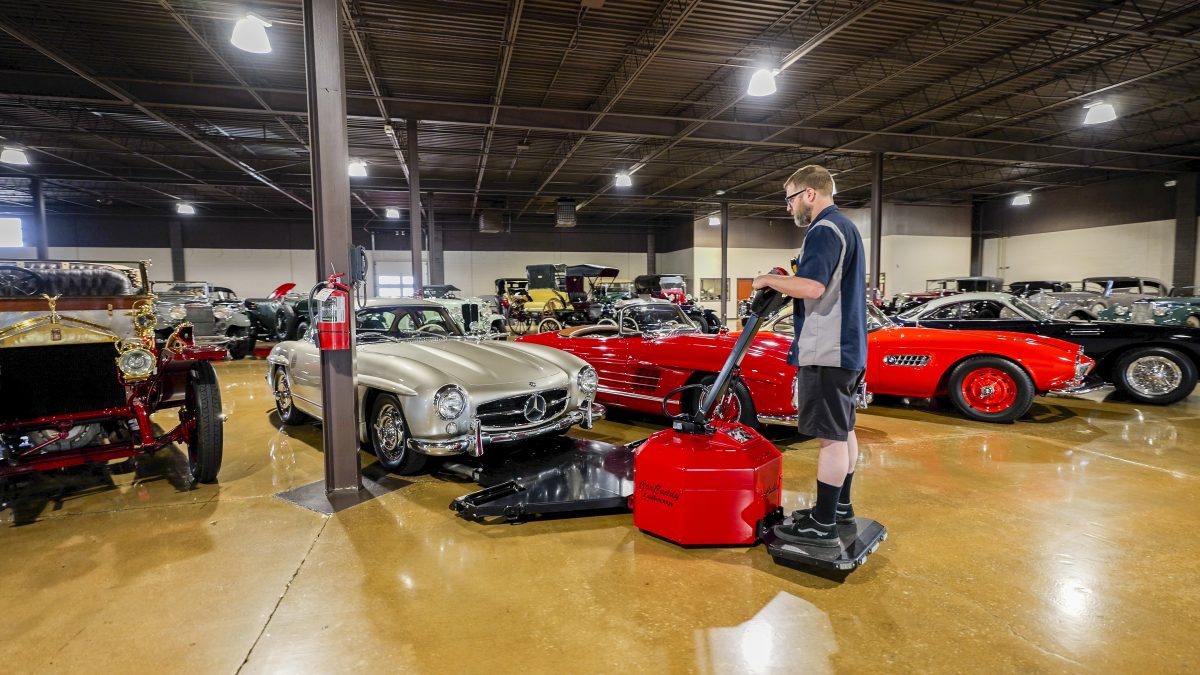
After transportation, safely moving the car into a garage or storage space requires precision. This is where the Low Profile CarCaddy Vehicle Puller becomes essential. Designed specifically for low-clearance vehicles, the CarCaddy allows precise maneuverability without damaging the car’s undercarriage. Its sturdy yet compact design ensures that even the most delicate project or luxury cars can be moved effortlessly into tight spaces, making it an indispensable tool for car enthusiasts and restorers alike.

Protect Your Investment with the Right Transport

Your classic car or auction vehicle is more than just a car. It’s a piece of art, a slice of history, and a valuable asset. When it comes time to move it, choosing the right transport method is one of the most important decisions you will make. Standard towing services introduce unnecessary risks that can lead to costly and heartbreaking damage.

By opting for a professional service that uses low-profile vehicle movers, you ensure your car receives the care and respect it deserves. The gentle loading angles, damage-free securing methods, and expert handling provide complete peace of mind.

And don’t forget that once your irreplaceable vehicle reaches its destination it will require the same attention to detail and precision handling only our CarCaddy Vehicle Puller can deliver. Contact us today and customize your premium car puller.

Powered Vehicle Movers: Planning Moves in R&D and Crash Testing

Research, development and crash-test facilities often need to reposition vehicles without driving them. A powered vehicle mover can support that work when the equipment is matched to the vehicle and the facility’s operating procedure.

Assess the vehicle and the test environment

Prototypes can have unusual weight distribution, incomplete systems or restricted handling points. Confirm the vehicle’s condition and the permitted method of movement with the responsible engineering team. An equipment selection does not establish that a damaged vehicle, disconnected powertrain or high-voltage system is safe to handle.

Check the route, floor condition, clearances, pedestrian access and available stopping space. Test protocols and facility procedures determine the required positioning tolerances; a mover alone does not guarantee test alignment, millimeter accuracy or valid test results.

Match the mover to the application

For the CarCaddy Collector’s Edition, the Collector’s Edition specifications list a 7,000 lb. vehicle-weight limit and a 3,000 lb. front-axle limit. The published drive system is 36VDC, with a 0–3 mph forward/reverse range. Check both weight limits and confirm the tire, clearance and route requirements for the actual application.

Use controls as part of a safe procedure

The published features include neutral throttle braking, adjustable acceleration/braking and a safety stop switch. These are operating features, not assurances that a vehicle cannot roll, collide or cause injury. Train operators on the specific unit, keep the movement area clear and use spotters where the facility’s procedure requires them.

For a compatible vehicle, electric movement can avoid starting its combustion engine during repositioning. It does not address other hazards in the vehicle or the test area. Efficiency benefits should be assessed against the facility’s actual workflow rather than assumed staffing or payback figures.

Review the planned move with the right teams

Have the facility’s engineering and safety teams review the proposed method. Then contact the CarCaddy team with the model, weights, tire details, clearances and intended operating environment to confirm the appropriate equipment configuration.

How a Vehicle Puller Keeps People Safe When Pulling a Car

Moving vehicles safely and efficiently in tight spaces has become a critical concern for businesses across multiple industries and vehicle collectors alike. See our testimonials. Vehicle pullers represent a specialized solution that eliminates the risks associated with manual vehicle handling while dramatically improving operational efficiency.

Enhanced Safety When Pulling a Car

Safety remains the primary driver behind vehicle mover adoption. When you’re pulling a car manually or using improvised equipment, you’re exposing both your vehicles and employees to unnecessary risks.

Protecting Your Assets

Vehicle movers contact only the tires during transport, eliminating body damage that commonly occurs with manual pushing or unsafe mechanical pushers. This protection proves especially valuable when handling expensive or classic vehicles where even minor scratches can result in costly repairs.

One-Person Operation

A single trained operator maintains complete control throughout the moving process. This eliminates communication breakdowns and reduces the physical strain that leads to workplace injuries. The operator remains protected by the machine itself, creating a safer work environment for everyone involved.

Built-In Safety Features

High end vehicle movers like the CarCaddy Vehicle Puller include engineered safety systems designed for industrial environments. These typically include horn alerts, emergency stop switches, LED lighting systems, and customizable safety configurations that adapt to your specific operational requirements.

Operational Efficiency That Makes Sense

Universal Vehicle Compatibility

Modern vehicle movers handle various vehicle types and weights, typically supporting capacities up to 7,000 pounds. Adjustable roller arms and variable height settings accommodate everything from compact cars to larger SUVs and trucks.

Advanced Safety Technology

Automatic over-roll protections prevent vehicles from sliding off during transport, even during sudden stops or when navigating obstacles. This technology proves particularly important when moving vehicles with larger wheels or all-wheel-drive systems.

Customizable Performance

Adjustable acceleration and braking settings allow operators to match the equipment’s performance to specific operational needs and safety requirements.

Key Applications Across Industries

Manufacturing and Assembly Lines

Vehicle movers streamline assembly line operations by safely transporting vehicles between stations without risking damage to painted surfaces or assembled components.

Museums and Collections

Classic car museums and private collectors benefit from the precise control and damage prevention that vehicle movers provide. The equipment’s ability to handle valuable vintage vehicles safely makes it indispensable for these specialized applications.

Automotive Testing Facilities

Testing environments require frequent, precise vehicle positioning. Vehicle movers provide the accuracy and repeatability necessary for these demanding applications.

Essential Features to Consider

When selecting a vehicle puller, focus on these critical specifications:

Drive System and Capacity: Look for robust 36VDC drive systems with non-marking drive wheels that can handle your maximum vehicle weight requirements.

Control Features: Variable speed controls (typically 0-3 mph), adjustable acceleration/braking, and neutral throttle braking provide the precision needed for safe operations.

Safety Systems: Emergency stop switches, LED lighting, battery charge indicators, and roller arm configurations ensure safe operation in any environment.

Optional Enhancements: Consider wheel bonnets with swivel hooks, AWD dolly kits, and specialized battery systems based on your specific operational needs.

Making the Investment Work

The combination of eliminated vehicle damage, reduced injury risk, and improved operational efficiency makes vehicle movers a sound investment for any operation that regularly moves vehicles. Proper operator training maximizes these benefits while ensuring your team follows best practices and safety procedures.

The most successful implementations include designating trained “superusers” who become vehicle mover specialists within your organization. This approach combines efficiency gains with the highest safety standards. Just ask us we are happy to provide training.

Learn More About Vehicle Movers – Contact our team to discuss how the right vehicle moving equipment can transform your operations while protecting both your valuable assets and your workforce.

Best Way to Pull a Car: Car Dolly Vs Powered Vehicle Puller

As someone who’s spent years in the vehicle moving industry, I’ve seen countless car collectors struggle with the same dilemma: how to safely and efficiently move their prized vehicles. Whether you’re managing a classic car collection, operating a museum, or running a storage facility, choosing the right equipment can make all the difference between protecting your investment and risking costly damage.

Let me share my expertise on two popular solutions—car dollies and powered vehicle pullers—to help you make the right choice for your specific needs. I’ve watched both tools in action across hundreds of applications, and the differences are more significant than most people realize.

Two Main Methods of Pulling a Car

How Does a Car Dolly Work?

A car dolly operates as a two-wheel trailer that lifts only the front wheels of your vehicle off the ground. The rear wheels remain in contact with the road surface while you tow the car behind another vehicle, such as an RV or moving truck.

This system works well for certain applications, particularly short-distance moves with compatible vehicles. The dolly connects to your tow vehicle through a standard hitch system, and you secure the front wheels using straps or chains.

How Does a Vehicle Puller Work?

A powered vehicle puller takes a completely different approach. These motorized devices are designed specifically for moving immobilized or non-running vehicles without requiring manual labor. Our CarCaddy Vehicle Puller: The Collector’s Edition, for example, uses powered roller arms that grip the vehicle’s wheels securely, eliminating the need for straps or hooks entirely.

The operator simply positions the vehicle puller, engages the arms, and uses the electric motor to push and pull the vehicle precisely where it needs to go. Battery power provides the energy, making these units completely independent of external power sources.

Car Dolly vs Vehicle Puller: Key Differences

The fundamental difference lies in their intended purposes and capabilities. Car dollies are transportation tools designed for moving vehicles over roads between locations. Vehicle pullers are precision positioning tools built for moving cars within confined spaces.

Distance capabilities represent the most obvious distinction. Car dollies handle short distance moves across the room, while powered vehicle pullers excel at short-distance positioning within facilities and longer moves across display floors.

Vehicle compatibility varies significantly between the two options. Car dollies work with all cars, but require placing all four wheels on dollies manually then moving by hand. Powered vehicle pullers handle any vehicle type, regardless of drivetrain configuration or operational status, and utilize a powerful powered motor to pull the vehicle.

Ideal Use Cases

Car dollies shine in specific scenarios, especially if you only need to move one vehicle or do not need to move the vehicle often. Wheel dollies are often used in shops to move a vehicle a few feet.

However, for car collectors, the use cases favor powered vehicle pullers overwhelmingly. Museum exhibitions require frequent rearrangement of displays. Storage facilities need maximum space efficiency. Classic car collections often contain non-running vehicles that would be difficult to move by hand.

Pros and Cons of Each Vehicle Moving Solution

Car Dolly Advantages:

  • Lower initial cost
  • Suitable for infrequent use
  • Widely available for rental

Car Dolly Disadvantages:

  • Manual pulling of cars
  • Requires more than one person
  • Difficult backing and maneuvering
  • Safety concerns with manual pulling and tight spaces
  • No braking systems

Vehicle Puller Advantages:

  • Works with any vehicle type
  • Precise positioning capability
  • Eliminates manual pushing injuries
  • Battery-powered independence
  • Superior maneuverability in tight spaces

Vehicle Puller Disadvantages:

  • Higher initial investment
  • Not suitable for gravel lots or junk yards
  • Far too classy

CarCaddy Vehicle Puller Features and Benefits

Having developed our CarCaddy Vehicle Puller specifically for collectors, museums, and high end auto shops I can highlight several key advantages. Our powered roller arm system provides secure wheel grip without scratching or damaging expensive finishes. The compact design navigates spaces where dollies simply won’t fit.

Battery life supports full-day operation, and our customers frequently tell me they can fit 20% more vehicles in their storage facilities after switching to our system. One museum curator recently shared that they can relocate vehicles without being disruptive.

The safety benefits are equally important. Manual pushing often requires multiple staff members and risks injuries. Our powered system allows a single operator to handle moves safely and efficiently.

Make the Right Choice for Your Collection

For serious car collectors, the choice becomes clear when you consider long-term value and functionality. While car dollies serve a purpose in specific transport scenarios, powered vehicle pullers offer the precision, safety, and versatility that valuable collections demand.

Your classic cars deserve equipment designed specifically for their protection and your operational efficiency.

Order Your Powered Vehicle Puller Today and experience the difference professional-grade equipment makes in protecting your automotive investments.

CarCaddy Vehicle Puller: Born from Real Need

A car can be the centerpiece of a collection and still need to be repositioned for a new display, storage arrangement or maintenance access. Moving it is a separate task from driving it. That practical need is the focus of the CarCaddy Vehicle Puller Collector’s Edition.

CarCaddy is a battery-powered vehicle puller from DJ Products, Inc., based in Little Falls, Minnesota. Its published application overview describes uses in car museums, private collections, social clubs and storage facilities. This story explains that product rationale and connects it to the published equipment details and customer evidence.

The need behind the Collector’s Edition

A change to an exhibition can require a vehicle to move between displays. A collector may need access to another car or a service area. In either case, the vehicle’s condition and the available route matter: a non-running car, a tight doorway and a crowded display floor each raise different questions.

Powered assistance offers another way to approach that work. It does not establish that every car or space is compatible. Vehicle weight, front axle weight, wheel movement and the proposed route need to be reviewed for the actual application.

From an application need to equipment features

The published CarCaddy specification lists roller arms, neutral throttle braking, adjustable acceleration/braking, a safety stop switch and a 0–3 mph forward/reverse speed range. The product overview shows the low-profile design and adjustable arms.

These are equipment features, rather than guarantees of accident prevention, a particular positioning accuracy or a fixed improvement in moving time. Confirm operating instructions, training requirements and vehicle compatibility with the team before using the equipment.

Customer evidence from collections and shops

The published CarCaddy testimonials include named examples from Parc Motor Club, Hyman LTD, the Midwest Car Collection Museum and Classic Auto Repair. They provide customer context for display, collection and shop use.

Classic Auto Repair’s published account describes moving from two or three people repositioning vehicles to one operator. That is an attributed customer experience, not a universal staffing or productivity promise. Review the original testimonials and discuss how your facility differs before drawing conclusions for your own workflow.

Bring your own requirements to the conversation

Start with the product overview, then compare your vehicles with the specification limits. Prepare their weights and condition, route measurements, floor details and expected frequency of use. Those details make a recommendation more useful than a general promise about speed or storage density.

To learn about the manufacturer, visit About CarCaddy and DJ Products. To review your application, contact the CarCaddy team. The goal is a vehicle-moving approach suited to your collection and its day-to-day needs.