Breathe Easy: The Eco-Friendly Way to Navigate Enclosed Automotive Spaces

Moving vehicles inside a showroom, detailing booth, or museum brings a problem most shop owners know all too well. You need to reposition a car, but firing up the engine fills the space with exhaust fumes. Or worse, you bring in a gas-powered piece of equipment that rumbles, smokes, and chokes the air your staff and customers breathe.

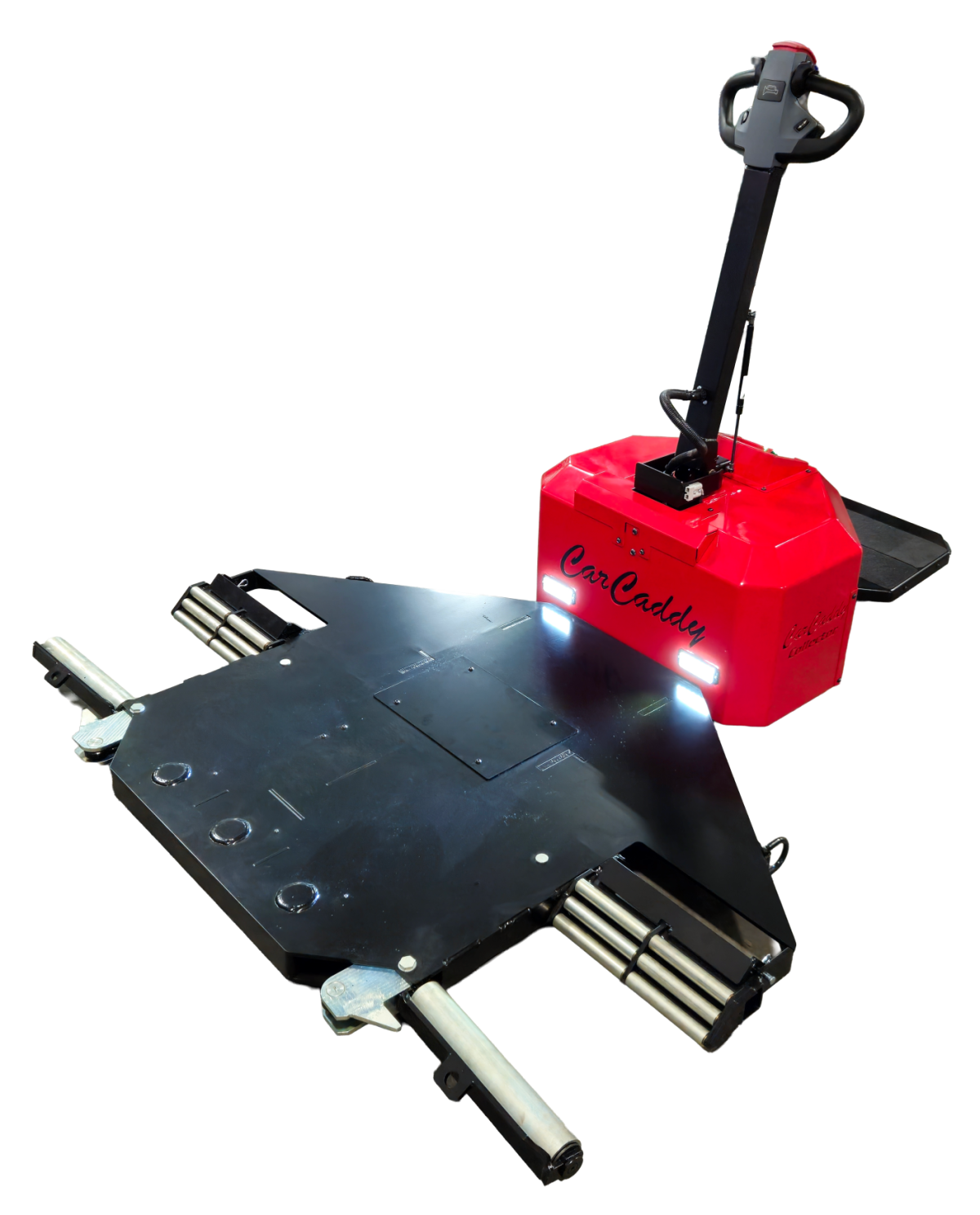
There’s a better way to handle indoor vehicle moving, and it doesn’t involve cranking an engine just to shift a car 50 feet. After years of building vehicle moving solutions for auto shops, dealerships, and manufacturers, we’ve seen how the right equipment transforms a space. Electric tugs like the CarCaddy vehicle mover lets you move heavy vehicles cleanly, quietly, and safely—without any of the downsides that come with gas or diesel machinery.

In this post, we’ll walk through why going electric makes sense for enclosed spaces, and how it protects your air quality, your employees, and your bottom line.

The Hidden Danger of Running Engines Indoors

Let’s start with the most serious issue: air quality. Running gas or diesel vehicles inside a closed building creates dangerous carbon monoxide buildup. This colorless, odorless gas can make your team sick fast, and prolonged exposure is a genuine health hazard. Add the foul smell of exhaust, the lingering soot, and the risk of oil leaks, and you’ve got an environment that’s far from ideal for staff or guests.

Then there’s the noise. Cranking up a vehicle just to move it across the floor is loud and disruptive. Picture a salesperson trying to close a deal while an engine roars in the background. Or a customer consultation interrupted by the rumble of machinery. These small disruptions add up, and they don’t reflect well on your business.

For shops, dealerships, and detailing studios that pride themselves on a clean, professional setting, gas-powered machinery indoors simply works against you.

Silent, Clean, and Powerful

This is where an electric tug changes everything.

The CarCaddy Vehicle Mover runs on a whisper-quiet electric motor. You can move cars during your busiest hours without interrupting a single sales conversation or customer consultation. No engine noise. No shouting over machinery. Just smooth, controlled movement that keeps your floor calm and professional.

Just as important, the CarCaddy is 100% electric and produces zero emissions. That means:

  • No exhaust fumes filling your showroom or studio
  • No carbon monoxide buildup putting your team at risk
  • No oil leaks or soot staining your floors
  • No lingering odors that drive customers away

The result is a cleaner, healthier space for everyone who walks through your doors. And the CarCaddy Vehicle mover doesn’t sacrifice power to get there. It pushes vehicles up to 10,000 lbs. on a flat surface, with a heavy-duty upgrade available for vehicles up to 30,000 lbs. You get the muscle you need without the mess.

The soft, adjustable push pad is gentle on bumpers, protecting your customers’ vehicles from scratches and dents. Non-marking tires keep your floors pristine. Every detail is built with clean, careful indoor operation in mind.

Battery Life Built for the Job

A clean machine is only useful if it’s reliable, and the CarCaddy is built to keep going all day.

The unit runs on a dependable 36V, three-battery system. This setup delivers steady power for continuous indoor use, so your team isn’t left waiting for a charge in the middle of a busy shift. A built-in battery gauge lets you check the charge level at a glance, so there are no surprises.

Charging couldn’t be simpler. The heavy-duty external charger plugs right into a standard 120VAC single-phase outlet—the same kind you already have in your shop. No special wiring. No complicated setup. Just plug it in, let it charge, and get back to work.

For businesses that need even more uptime, an onboard charger and maintenance-free battery options are also available.

Perfect for Pristine Environments

Some spaces demand spotless air and total quiet. The CarCaddy is right at home in:

  • Air-conditioned showrooms where clean air and quiet conversations matter
  • Detailing booths where a single speck of soot can ruin hours of work
  • Automotive museums where preserving both vehicles and atmosphere is the whole point

On top of its clean operation, the CarCaddy offers sleek aesthetic options that let it blend seamlessly into luxury public environments. It looks the part, so it won’t clash with the polished setting you’ve worked hard to create.

Create a Cleaner, Safer Space for Your Business

Create a cleaner, safer, and quieter environment for both your clients and your staff. As a family business, we take pride in manufacturing clean, efficient solutions that elevate your daily operations.

Go electric, go quiet, and go safe with the CarCaddy Vehicle Mover.

The Heavyweight Champions: How to Safely Move “Dead” Electric Vehicles

Electric vehicles have changed everything about modern automotive service—and not just what’s under the hood. When a dead or unpowered EV rolls into your shop, the challenges start before you even lift a wrench. These machines are heavier, more sensitive, and far less forgiving than their gas-powered counterparts. Moving them the wrong way can cost you far more than the repair job itself. This is where the CarCaddy electric vehicle puller shines.

This post breaks down exactly why dead EVs demand a different approach, what’s at risk when you get it wrong, and how the CarCaddy Electric Vehicle Puller gives your team the precision and power to handle them safely, every single time.

Why Dead EVs Are a Different Animal

The shift to electric vehicles hasn’t just changed how cars are powered—it’s changed how much they weigh. A Tesla Model S tips the scales at around 4,900 lbs. A GMC Hummer EV? Nearly 9,000 lbs. Even mid-range electric crossovers routinely land between 4,500 and 6,000 lbs, all because of the enormous lithium-ion battery packs required to power them.

That weight is the first problem. When an EV’s battery is depleted or the system is completely shut down, you can’t rely on the vehicle’s own power-assisted systems to help. The brakes are heavier to engage. The steering offers no assistance. And pushing or maneuvering a 6,000-lb vehicle by hand through a service bay isn’t just inefficient—it’s a serious injury risk for your technicians.

The second problem is less obvious, but potentially far more expensive.

Protecting Sensitive EV Drivetrains: The Back-EMF Risk

Here’s something many shop owners don’t know until it’s too late. Pushing or improperly towing an electric vehicle—even a short distance—can damage the drivetrain. The reason comes down to physics.

Electric motors work in both directions. When electricity flows in, the motor spins the wheels. But when the wheels spin while the motor is unpowered, the motor acts like a generator, producing what’s called back-EMF (back electromotive force). Without the vehicle’s control systems active to regulate this, the voltage generated can spike and damage the inverter, the motor windings, or other sensitive electronics. According to automotive engineers and EV forums, flat-towing an EV—or dragging it with its driven wheels rolling on the ground—is a well-documented cause of inverter failure.

Dual-motor drivetrains are particularly vulnerable. With motors on both axles, any uncontrolled wheel spin during an improper tow creates simultaneous back-EMF at the front and rear. Add regenerative braking systems into the mix, and the risk of expensive electronic damage multiplies further.

The solution isn’t to push harder or pull more carefully. The solution is to take the driven wheels completely out of the equation.

How the CarCaddy Protects Your EVs and Your Bottom Line

The CarCaddy electric vehicle puller is specifically designed for exactly this scenario. Rather than pushing or dragging the vehicle from behind—or rolling it on its own driven wheels—the CarCaddy uses hydraulic roller arms to cradle the front tires and lift them off the ground entirely.

That single design decision changes everything.

With the front wheels suspended, the drive axle doesn’t rotate. No wheel spin means no unintended motor activation. No motor activation means no back-EMF. Your customer’s EV drivetrain stays completely undisturbed, and you avoid the kind of repair bills that can turn a standard service job into a warranty nightmare.

The CarCaddy VP 7K handles vehicles up to 7,000 lbs.—more than enough for most luxury EVs currently on the road. The hydraulic dual tire engaging system loads the vehicle smoothly, without the straps, hooks, or rubber push pads that create contact points on bumpers and body panels. For shops working with high-value electric vehicles, that level of care matters enormously.

Power and Precision to Match EV Weight

Moving a 6,000-lb vehicle through a busy service bay requires more than raw pulling strength. It requires control.

The CarCaddy’s 36VDC drive system—running on a three-battery configuration—delivers steady, reliable power without sudden torque spikes that could send a heavy EV rolling out of position. Variable speed thumb control lets your technician dial in exactly the right pace for the situation, whether that’s a slow, careful crawl through a tight bay door or a more efficient repositioning across an open floor.

Neutral throttle braking is one of the features that makes the biggest practical difference on the shop floor. The moment a technician releases the throttle, the unit stops. There’s no coasting, no drift, no momentum carrying a multi-ton EV somewhere it shouldn’t go. Combined with an emergency safety stop switch, the CarCaddy gives a single operator full, confident control over a vehicle that would otherwise require four or five people to nudge manually—and even then, not safely.

The walk-behind design makes it equally manageable in confined spaces. Standard service bays weren’t built with 7,000-lb electric trucks in mind, but with the CarCaddy’s electric vehicle puller’s maneuverability, your team can navigate those same bays without modification or risk.

Future-Proof Your Shop for the EV Revolution

EVs aren’t a niche market anymore. They’re the direction the entire industry is heading, and shops that aren’t equipped to handle them safely and efficiently will fall behind fast. Injury claims from manual vehicle handling, drivetrain damage from improper towing, and bottlenecked service bays are all avoidable problems—but only if you have the right equipment.

Our family business engineered the CarCaddy to handle the heaviest modern vehicles with absolute precision and zero strain on your team. One technician. One unit. Full control over a vehicle that weighs as much as a small truck.

Contact us today for a free price quote, and let’s make sure your shop is ready for every EV that rolls through your door.

Work Smarter, Not Harder: Why Pushing Dead Cars is Ruining Your Shop’s Productivity

A “dead” car blocking a service bay creates an immediate bottleneck in any automotive repair shop. When a vehicle will not start, the standard protocol usually involves calling three or four mechanics away from their current tasks to push the heavy chassis across the shop floor. This everyday shop dilemma disrupts workflow, frustrates your team, and halts revenue-generating repairs.

The hidden costs of manual labor extend far beyond a few minutes of lost time. Pulling or pushing 7,000-pound vehicles manually is a leading cause of shop floor injuries, particularly back and muscle strains. Industry data shows that back pain accounts for tens of millions of lost workdays across the country each year. When your top technicians are out nursing a back injury, your shop’s productivity plummets. Add in the risks of dropped vehicles or accidental bumper damage from improper pushing techniques, and the financial toll of moving dead cars manually becomes staggering.

Your technicians are highly skilled professionals who should spend their time turning wrenches and completing billable work. When you force them to act as manual laborers, you waste your most valuable resource. Modern shops need a better way to manage immobile vehicles safely and efficiently.

The CarCaddy Solution: One-Person Operation

A powered vehicle mover transforms a hazardous, multi-person chore into a simple, one-person operation. The CarCaddy vehicle mover allows a single technician to safely load, move, and unload vehicles alone, completely freeing up the rest of your crew for profitable repair work.

The core of this efficiency is a robust 36VDC drive system powered by a three-battery setup. This system provides the consistent, reliable torque needed to push or pull vehicles weighing up to 7,000 pounds. It also handles up to a 3,000-pound front axle weight effortlessly, making it highly versatile for a wide range of cars, light trucks, and SUVs that come through your doors.

Shop environments are rarely perfect. You often have to navigate tight storage areas, crowded lots, or poorly lit spaces. The CarCaddy offers “Grab and Go” capability, making it easy to deploy at a moment’s notice. It comes equipped with high-beam LED headlights, ensuring your technicians have clear visibility when maneuvering vehicles out of dark corners or navigating the lot during early winter evenings. This level of control and power keeps your shop moving seamlessly, regardless of the physical obstacles.

Keeping Your Team and Floors Safe

Protecting your employees from physical strain is a top priority for any successful shop owner. The CarCaddy incorporates specific engineering controls designed to mitigate workplace hazards and maintain a clean facility.

Operator Protection Features

Safety is built directly into the operating mechanisms of the vehicle mover.

  • Neutral Throttle Braking: The unit features an automatic braking system. The machine stops immediately when the operator releases the throttle, preventing runaway vehicles on slight inclines.
  • Safety Stop Switch: An easily accessible safety stop switch instantly cuts power in the event of an emergency, giving the operator complete control.
  • Molded Handlebars: Ergonomically designed molded handlebars reduce hand and wrist fatigue, ensuring the operator remains comfortable and secure while steering heavy loads.

Facility Protection

Your shop’s appearance matters to your customers. Heavy equipment can easily damage expensive epoxy coatings or polished concrete.

  • Non-Marking Drive Wheels: The heavy-duty drive tires provide exceptional traction without leaving ugly black streaks across your service bays.
  • Crown Caster Wheels: The non-marking crown caster wheels allow for tight, precise turns while keeping your shop floors pristine and free of scuffs.

Modern Automotive Service Shops Need Modern Solutions

Relying on sheer physical force to move heavy vehicles is an outdated practice that actively harms your business. Every time multiple technicians step away from their bays to push a car, your shop loses money. Every time a mechanic strains their back, you risk long-term productivity losses and workers’ compensation claims.

Stop wasting manpower and let CarCaddy do the heavy lifting. By investing in the right equipment, you protect your staff, optimize your daily workflow, and ensure your team remains focused on what they do best: servicing vehicles and keeping your customers happy.

Stop Pushing Your Luck: Securing Your Private Auto Collection

High-value private auto collections require immense investments of time, money, and passion. Every vehicle represents a distinct piece of automotive history, carefully preserved and maintained to retain its beauty and value. Building a private gallery of rare automobiles is a massive achievement, but managing that gallery introduces a unique set of logistical challenges.

Vehicles frequently need to be moved for cleaning, routine maintenance, or display reorganization. Every time a car transitions from a stationary position to being in motion, a specific “risk window” opens up. During this window, the vehicle is vulnerable to environmental hazards, human error, and mechanical failures.

Relying on physical manpower to push these heavy, irreplaceable assets exposes both your staff and your collection to unnecessary dangers. We have seen firsthand how quickly a routine maneuver can result in property damage or personal injury. This guide explains why transitioning away from manual labor and utilizing a dedicated car pushing machine is the most responsible choice for safeguarding your automotive investments.

Where Things Go Wrong with Manual Pushing

Moving a classic car by hand introduces a dangerous variable into your gallery management operations. We call this “The X Factor.” It refers to the sheer unpredictability of manual pushing. Even with a highly trained team, human strength and coordination have limits, and gravity is unforgiving.

When you manually push a vehicle, you are relying entirely on the physical exertion of your staff and the mechanical integrity of a car that may not have been driven in months or years. This combination frequently leads to hazardous situations.

Here are a few common scenarios where manual pushing leads to disaster:

  • Uncontrolled Momentum: A team of people might successfully get a heavy classic car rolling, but stopping it is entirely different. Even a slight, almost imperceptible grade in your garage floor can cause a vehicle to gain dangerous momentum.
  • Personal Injury: When multiple people surround a moving vehicle, the risk of physical injury skyrockets. A slight misstep can result in a foot getting caught under a rolling tire, or a worker straining their back trying to halt a 4,000-pound piece of metal.
  • Mechanical Unpredictability: Relying on the car’s original equipment to stop the vehicle safely is a massive gamble. Sticking brakes, locked steering columns, or flat spots on tires can cause the car to veer suddenly into a wall or, worse, into another priceless vehicle.

Control is Safety: The Power of Positive Control

The most effective way to eliminate “The X Factor” is to adopt a system that provides absolute positive control over the vehicle’s movement. A high-quality car pushing machine delivers exactly this.

Positive control means that the equipment dictates the speed, direction, and braking of the vehicle at all times. Instead of relying on human muscle and coordination to guide a heavy automobile, the machine handles the physical burden securely and predictably.

Consider the braking systems on vintage vehicles. A 40-year-old master cylinder is often unreliable, especially if the car sits idle for long periods. Seals dry out, fluid degrades, and pressure drops. When a team is pushing a car toward a tight parking spot, realizing the vehicle’s brakes have failed is a terrifying and costly moment.

A car pushing machine eliminates this risk entirely. The machine itself is doing the braking and the steering. It features an integrated, heavy-duty braking system that stops the vehicle exactly when and where you need it to stop, regardless of the condition of the car’s internal mechanics. Furthermore, these machines allow a single operator to move a vehicle smoothly, providing a clear line of sight and removing the chaotic communication required when a large group of people tries to steer a car by hand.

The True Cost of a “Whoops”

Operating a private collection means understanding the value of your assets. You invest heavily in climate control, security systems, and insurance premiums to protect your vehicles. Yet, choosing to save a little money by manually moving cars leaves a gaping hole in your risk management strategy.

The financial reality is that the cost of a single mistake far exceeds the cost of purchasing the proper equipment. A simple dent, a scraped bumper, or a cracked taillight on a rare vehicle can cost thousands of dollars to repair. In many cases, replacement parts for vintage or limited-production automobiles are completely unavailable, meaning custom fabrication is your only option.

Beyond the immediate repair costs, any damage to a classic car diminishes its historical integrity and overall market value. Even perfectly executed bodywork leaves a record of damage. A reliable car pushing machine effectively pays for itself the moment it prevents just one minor mishap. It is an investment in loss prevention that yields immediate peace of mind.

Protect Your Automotive Legacy Today

Managing a private auto collection should bring you joy and pride, not anxiety every time a vehicle needs to be repositioned. By upgrading your operational protocols and integrating professional-grade equipment, you protect your staff from injury and your vehicles from costly damage.

Do not leave the safety of your investment to chance and gravity. Your collection deserves the highest standard of care, and your peace of mind is worth the investment. Reach out to our team today for a quote on the most reliable car pushing machine for your private gallery, and keep your automotive legacy pristine for years to come.

Why Your Showroom Needs an Electric Vehicle Mover

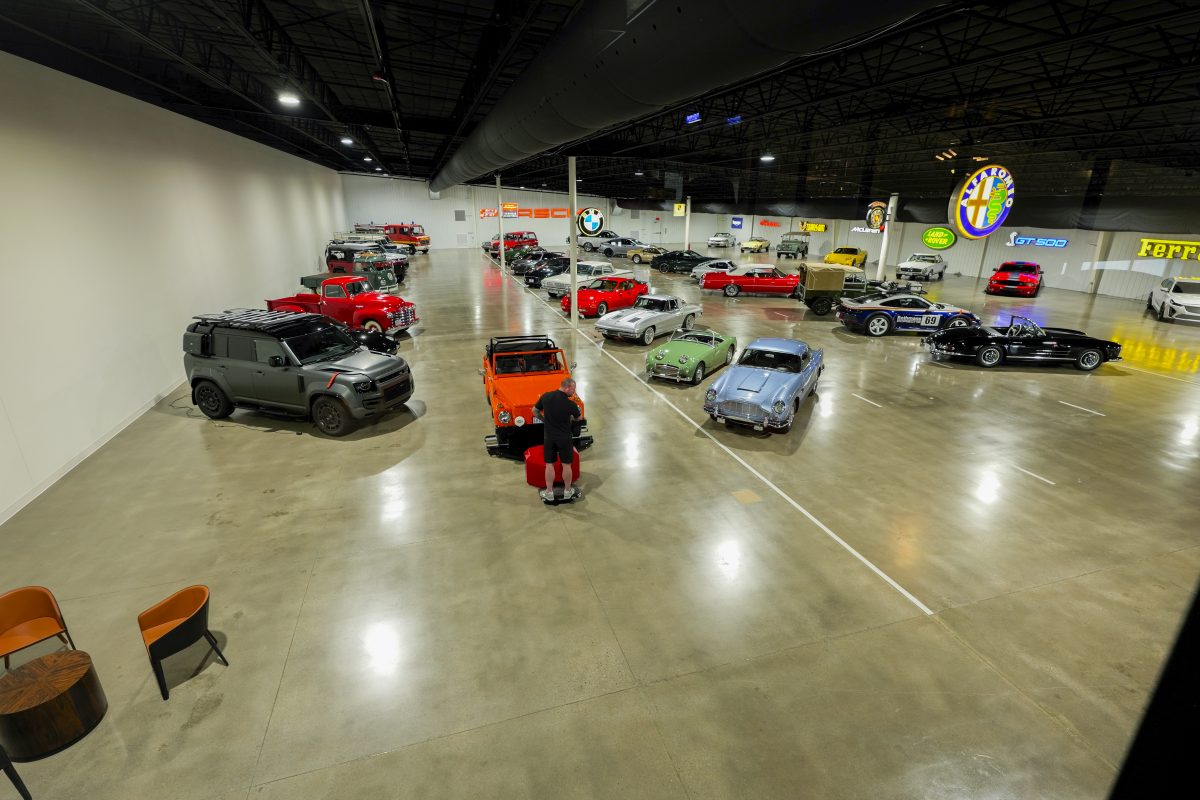
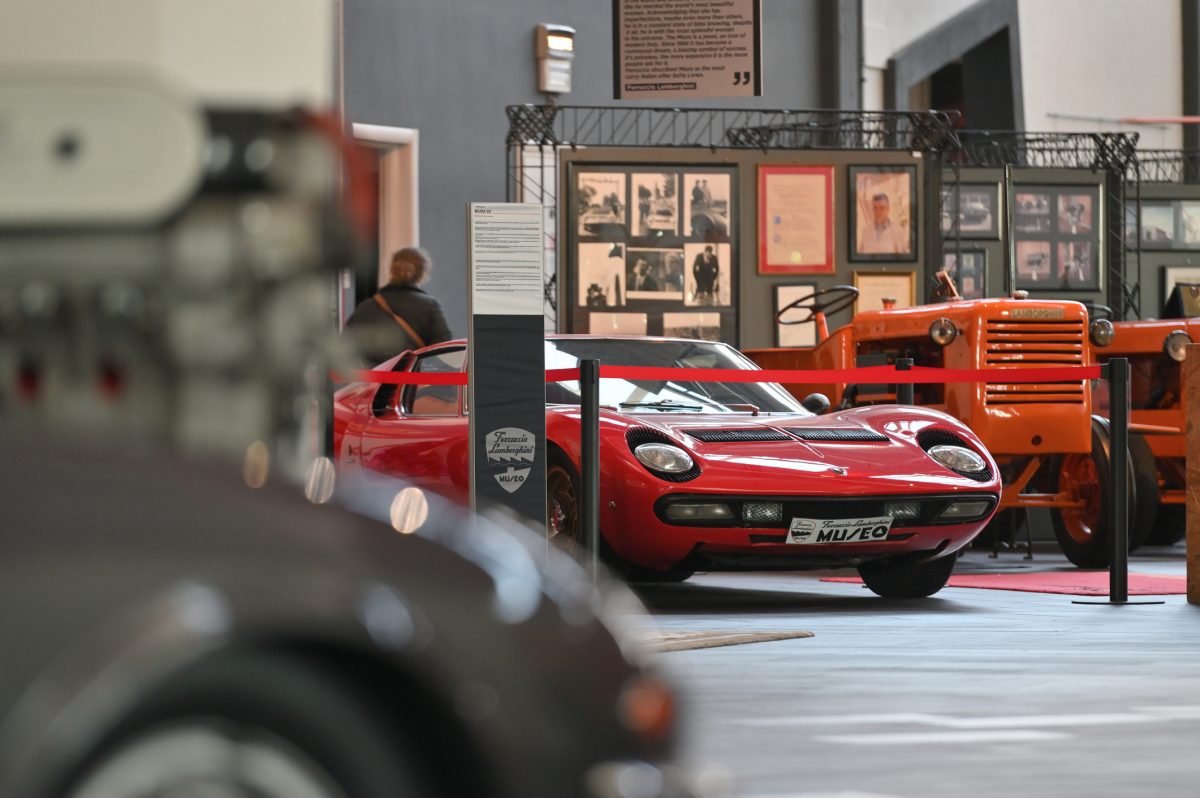
Walk into a high-end automotive museum or a meticulously curated private collection, and you immediately notice the atmosphere. The lighting perfectly highlights the curves of classic bodywork. The epoxy floors shine flawlessly underfoot. Above all, there is a distinct, hushed quiet that commands respect for the mechanical art on display. The “vibe” of the room is a massive part of the value, creating a premium experience for visitors, buyers, and fellow collectors.

Maintaining that pristine environment requires constant work behind the scenes. Vehicles need to be rotated, new acquisitions must be placed, and displays are frequently rearranged to keep the space fresh. Moving a heavy, valuable automobile indoors poses a significant logistical challenge. Starting a classic car engine indoors introduces noise, exhaust fumes, and the risk of accidental damage. Pushing it manually requires a team of people and invites a high risk of slips or handprints on immaculate paint jobs.

This is where investing in an electric vehicle mover becomes essential. Unlike loud industrial equipment designed for outdoor shipping yards, an electric vehicle mover is completely silent and emission-free. It is the definitive choice for relocating cars during public hours or within strict, climate-controlled spaces where air quality and the visitor experience are absolutely paramount.

Silence is the Ultimate Luxury

Think about the equipment typically used in industrial settings or shipping yards. It is loud, clanking, and disruptive. That type of machinery shatters the reverent atmosphere of a well-lit museum hall or a high-end private garage. When guests are admiring a million-dollar collection, the last thing they want to hear is the grinding gears of a heavy-duty forklift or a gas-powered tractor.

An electric vehicle mover operates with a whisper-quiet electric motor. You can actively reposition a display on one side of a showroom while visitors continue enjoying a guided tour on the other side. There are no loud engine revs, no backup alarms echoing off the walls, and no disruptive mechanical noises. The silence maintains the luxurious, professional atmosphere of your space.

Zero Emissions, Zero Odor

Automotive preservation is a white-glove industry. The environment must be strictly controlled to prevent deterioration of leather, rubber, and classic paint formulations. Operating gas-powered equipment indoors immediately compromises that environment. Combustion engines release toxic fumes, strong odors, and airborne particulates that settle on pristine vehicles.

Furthermore, using gas-powered machinery indoors usually requires opening massive warehouse bay doors to ventilate the carbon monoxide. Opening those doors ruins your expensive climate control. Humidity and outside temperature rush in, forcing your HVAC system to work overtime and putting delicate vintage components at risk.

Using an electric vehicle mover eliminates this problem entirely. Because the battery-powered motor produces zero emissions, there is no exhaust, no lingering smell of unburnt fuel, and no need to ventilate the building. You keep your doors closed, your climate control stable, and your air quality pristine. It ensures a comfortable, odor-free experience for your guests and a safe environment for your staff.

Smooth Motion for Priceless Assets

Moving a vehicle by hand is notoriously difficult. It takes several people to break the inertia, and the resulting movement is often jerky and unpredictable. A sudden stop or a slight miscalculation in steering can easily result in a bumped bumper or a scraped fender. When dealing with rare or custom automobiles, even the smallest mistake is an incredibly costly one.

An electric vehicle mover provides a smooth, heavily controlled transfer of power. The acceleration and deceleration feel almost hydraulic. The operator has precise control over the speed, allowing the car to inch forward without any sudden lurches. This level of control is crucial when navigating tight spaces between stanchions, display cases, and other priceless vehicles.

Museum-Grade Precision for the Private Collector

Many heavy-duty pushers on the market are built strictly for service bays and high-volume dealerships. They are bulky, complicated, and designed to be used by mechanics in greasy jumpsuits handling daily repairs.

We take a different approach with our CarCaddy. We specialize in preservation, not just repair. We deliver the exact same museum-grade precision trusted by massive institutions, but in a format that is accessible and incredibly easy for a private collector to operate entirely alone. You do not need a team of five people to reposition your collection.

Here is how our electric vehicle mover empowers a single user to manage a world-class collection:

  1. Effortless attachment: The unit easily slides under the tires of the vehicle without touching the chassis or the bodywork. This protects delicate undercarriages and avoids the need for crawling on the floor.
  2. Ergonomic controls: The handle features intuitive, variable-speed thumb controls. You simply walk behind the unit, guiding it effortlessly as the motor does all the heavy lifting.
  3. Tight turning radius: The compact footprint allows a single operator to pivot vehicles in remarkably tight spaces, maximizing the floor plan of your private garage.
  4. Clean operation: The battery-powered system means there are no oil leaks, no hydraulic fluid drips, and no grease to stain your beautiful epoxy floors.

Let’s face it. Curating and preserving your collection is what you know and love. An experienced equipment partner can offer advantages, such as specialized moving technology, that keep your overhead low while providing superior protection for your assets. In the meantime, you are free to work on enjoying and building your collection.

Elevate Your Showroom Operations

Your collection represents a massive investment of time, money, and passion. The tools you use to manage it should reflect that same level of quality and care. Enhance the professional atmosphere of your collection with a tool that works as hard as you do, all while remaining completely silent.

Keep your showroom running safely and efficiently. Request a quote and see which of our electric vehicle mover models best suits your display needs.

Why Museums Trust Electric Movers for Vintage Cars

Curating a museum exhibition featuring classic automobiles is a demanding task. You spend months sourcing rare vehicles, verifying their provenance, and planning the perfect gallery layout. But when the time comes to actually place these priceless artifacts on the showroom floor, facility managers face a massive logistical hurdle.

Moving a vintage car indoors requires extreme care. These vehicles are heavy, fragile, and often lack functioning drivetrains. In the past, gallery staff relied on sheer physical strength to muscle these machines into position. That approach routinely put both the artifacts and the employees at high risk of injury or damage.

Fortunately, facility managers now have a much safer option. Upgrading to an electric vehicle move eliminates the physical strain and unpredictable movement associated with manual pushing. By reading this guide, you will learn exactly why top automotive museums and private collectors have fully transitioned to specialized electric pushers for their gallery operations.

The Hidden Risks of Manual Pushing

Relying on human strength to move a vintage car might seem straightforward, but it creates a multitude of unseen hazards. When a team of employees pushes a vehicle, they apply uneven pressure across the car’s exterior. Vintage bodywork is incredibly delicate. Thin aluminum panels, aged fiberglass, and decades-old paint easily buckle or crack under the localized weight of human hands.

Furthermore, manual pushing lacks consistent control. Gallery spaces are notoriously tight, featuring narrow corridors, fragile glass display cases, and expensive lighting fixtures. When a heavy car builds momentum, human muscle cannot easily stop it. A sudden slip by a staff member or a miscommunication during a sharp turn drastically increases the risk of a catastrophic collision.

By removing the human element from the physical pushing process, you protect the structural integrity of the vehicle. Specialized moving equipment attaches securely to the vehicle’s chassis or tires, distributing the load evenly and entirely avoiding contact with the fragile body panels.

Silent and Exhaust-Free Operation

Bringing vehicles inside a climate-controlled building introduces environmental concerns. You cannot simply start a classic car’s engine and drive it onto the display floor. Combustion engines produce toxic carbon monoxide and thick exhaust smoke. These emissions quickly contaminate the indoor air quality, posing a severe health hazard to your staff and future visitors.

Beyond human safety, exhaust fumes carry microscopic particulates and corrosive elements. When these particulates settle on nearby exhibits, they degrade sensitive fabrics, dry out historic leathers, and permanently stain delicate paints. Museums spend significant portions of their budget maintaining a pristine, temperature-controlled environment. Introducing exhaust fumes immediately compromises those preservation efforts.

Electric motors solve this problem completely. An electric mover produces zero emissions, ensuring your gallery air remains clean and your surrounding artifacts stay safe. Additionally, the electric motor is completely silent. Your staff can orchestrate a complex electric vehicle move during regular operating hours without disrupting the peaceful, quiet atmosphere your patrons expect.

Achieve Single-Operator Precision

Coordinating a manual car move typically creates a chaotic environment. It requires pulling multiple staff members away from their regular duties to act as pushers, spotters, and steerers. This “all-hands-on-deck” approach wastes valuable labor hours and leads to loud, stressful communication across the gallery floor.

Modern electric movers give you total control with minimal manpower. These compact machines connect directly to the vehicle and operate via a wireless remote or an ergonomic steering handle. One single curator can easily navigate a multi-million dollar vehicle through a crowded exhibit space.

This single-operator precision offers incredible maneuverability. You can creep the vehicle forward at a fraction of a mile per hour, make sharp adjustments, and bring the heavy machine to an immediate, controlled stop. This level of exactness ensures the car lands precisely on its display mark without the stress, shouting, and physical exertion of a manual move.

Frequently Asked Questions About Museum Movers

Are electric movers safe for all types of vintage tires?

Yes. Professional-grade electric movers are designed to accommodate everything from narrow brass-era wooden wheels to wide modern racing slicks. They gently cradle the tire or attach to the chassis, preventing any pinching, scuffing, or flat-spotting on historic rubber.

How much training does my staff need to operate one?

Very little. The controls are highly intuitive, usually consisting of a simple directional joystick and a variable speed dial. Most facility staff become fully proficient in operating the equipment safely within a single afternoon of training.

Can these machines handle inclines and ramps?

Absolutely. High-torque electric motors easily maintain traction and speed control when navigating loading ramps, transport trailers, and sloping gallery floors. The automatic braking systems also prevent the vehicle from rolling backward on an incline.

Secure Your Collection with the Right Tools

Your museum collection represents a massive financial and historical investment. Protecting that investment means utilizing the best available equipment for every stage of your operations. Continuing to move priceless vehicles by hand exposes your business to unnecessary liabilities, potential worker compensation claims, and irreversible damage to irreplaceable artifacts.

Switching to electric moving equipment streamlines your workflow, lowers your labor costs, and provides peace of mind. Your staff can work more efficiently, and your vehicles remain in pristine condition. Review your current gallery logistics today and consider investing in an electric mover tailored for your specific facility needs.

Spring into Car Show Season for Minnesota

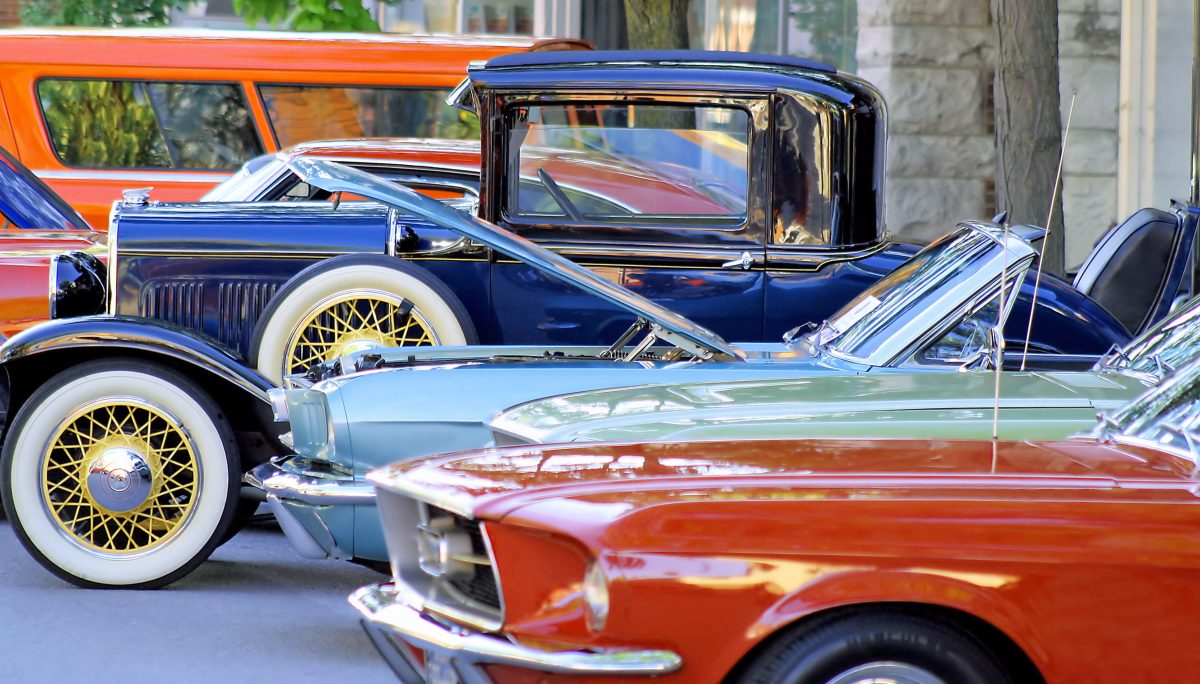
There is something undeniably magnetic about a classic car show. The gleaming chrome, the meticulous paint jobs, and the quiet history resting under every hood draw thousands of enthusiasts together each year. These events offer a unique opportunity to celebrate automotive craftsmanship and connect with people who share a deep appreciation for mechanical artistry.

Minnesota has cultivated a particularly vibrant car show scene. From small community gatherings to massive exhibitions, the state offers an impressive calendar of events that cater to every type of automotive fan. Car culture here is strong, driven by dedicated collectors who spend countless hours preserving automotive history for the public to enjoy.

However, putting together a flawless car show involves more than just parking a beautiful vehicle in a lot. For organizers and collectors, safely transporting and positioning these highly valuable, sometimes fragile machines is a logistical hurdle. Understanding how these events operate and the equipment used to protect these investments gives you an entirely new appreciation for the spectacle.

Spotlight on Chanhassen AutoPlex’s “Cars and Caves”

One of the premier automotive events in the state is “Cars and Caves,” hosted at the Chanhassen AutoPlex. This gathering has earned high praise, even securing recognition from Lake Minnetonka Lifestyle Magazine as the “Best Car Show Experience in Minnesota.

The event runs on the last Saturday of every month from April through September. Between 9:00 am and 1:00 pm, the AutoPlex opens its doors to the public, allowing visitors to walk the grounds and admire an incredible lineup of vehicles. What makes this event truly special is the diversity of the automobiles on display.

Types of Vehicles Showcased

To maintain the high quality of the exhibition, “Cars and Caves” categorizes its admitted show vehicles into specific classes:

  • Classic cars: Vehicles manufactured between 1925 and 1948 that remain in original or restored condition.
  • Collector cars: Automobiles that are at least 25 years old, carefully maintained or restored to their original specifications.
  • Muscle cars: High-performance, American-made vehicles produced between the mid-1960s and early 1970s.
  • Antique cars: Vehicles that are at least 45 years old, showcased in their original or beautifully restored state.
  • Street rods: Custom-built vehicles designed specifically to resemble cars from the 1930s and 1940s.
  • Exotic vehicles: Rare, expensive luxury vehicles and high-performance sports cars.
  • Vintage motorcycles: Two-wheeled machines that are at least 35 years old and kept in original or restored condition.

Enhancing the Car Show Experience: Vehicle Moving Solutions

The Challenge of Moving Vehicles

Bringing together hundreds of rare vehicles poses a significant operational challenge. Starting a vintage engine to move a car a few feet can cause unnecessary wear and tear. Furthermore, navigating a crowded showroom or a tight garage space requires absolute precision. A single scratch on a custom paint job or a dented chrome bumper can result in thousands of dollars in damage.

Event organizers, museum curators, and private collectors need a reliable way to maneuver these vehicles safely and efficiently without starting the engine.

Introduction to the CarCaddy Vehicle Puller

At DJ Products, we understand the stress of handling high-value automobiles. We designed the CarCaddy Vehicle Puller: The Collector’s Edition, specifically to solve this problem. Our low-profile vehicle mover allows a single operator to safely relocate vehicles weighing up to 7,000 pounds. It is the ideal solution for museums, private collectors, and classic car shops that need to move inventory securely.

Deep Dive into the Collector’s Edition

We proudly manufacture the CarCaddy Vehicle Puller Collector’s Edition right here in Minnesota. We engineered this specific Electric Vehicle Puller to meet the exact needs of classic car handlers.

The machine effortlessly handles a total vehicle capacity of 7,000 pounds, with a front axle capacity of 3,000 pounds. It operates on a robust 36VDC drive system powered by three batteries, utilizing non-marking wheels to protect pristine showroom floors. Our high-tech speed controller allows for smooth transitions between 0 and 3 mph in both forward and reverse.

Operator comfort and safety are paramount. The CarCaddy features a shock-assisted ride-on platform and molded handlebars to reduce fatigue. For safety, we included neutral throttle braking, adjustable acceleration and braking controls, a safety stop switch, and bright LED lighting for clear visibility in dimly lit garages. The wagon wheel steering provides excellent maneuverability in tight spaces, while the adjustable roller arms ensure damage-free loading by adapting to various tire sizes without ever touching the vehicle’s body or bumper.

Because we know our clients appreciate aesthetics, the Collector’s Edition comes standard in a striking Ferrari Red. We also offer additional color options to match your specific branding or collection, including Baby Blue, Matte Black + Gold, Pink, Silver, and White. Optional upgrades like wheel bonnets, AGM batteries, and an AWD Dolly Kit are available to customize the unit to your exact operational needs.

CarCaddy vs. The Competition

When comparing vehicle pullers, it pays to look closely at capacity and price. A common alternative on the market is the Stringo S3. While the S3 is a capable machine, it maxes out at a capacity of roughly 6,600 pounds and carries a starting price tag of around $50,000.

By contrast, the CarCaddy Collector’s Edition offers a higher weight capacity of 7,000 pounds at a much more accessible starting price of around $30,000. We built the CarCaddy to provide an unmatched balance of premium features, superior capacity, and genuine affordability for private collectors and professional shops alike.

Tips for Attending Minnesota Car Shows

If you plan to attend a Minnesota car show this season, a little preparation goes a long way.

First, plan your visit by checking the event schedules and parking maps in advance. Arriving early often gives you the best opportunity to photograph the cars before the crowds peak.

Once you are there, look closely at the details. Notice the differences between a 1930s street rod and a meticulously restored 1940s classic. Finally, take the time to engage with the collectors. Most owners are incredibly passionate about their vehicles and are more than happy to share the history and restoration journey of their prized possessions.

A Passion for Automobile Preservation

Minnesota car shows offer a spectacular display of automotive history, bringing communities together to celebrate mechanical innovation and design. Behind the scenes, the preservation and transportation of these vehicles require serious dedication and the right equipment.

Protecting these rolling works of art is a responsibility we take seriously. Equipping your operation with a reliable, safe, and efficient vehicle mover ensures that these classic cars remain pristine for future generations to admire.

Keep your operation running smoothly and protect your valuable inventory. Contact us to learn more about our innovative, cost-effective vehicle moving solutions that we can customize to fit your specific collection.

The Hidden Cost of Manual Pushing: Protecting Your Most Valuable Asset—Your Team

Boutique dealerships, classic car museums, and private collectors know the value of every vehicle in their care is more than monetary—it represents a history, an image, and a reputation. Preserving that value means more than climate control and routine detailing; it means smart, safe day-to-day handling practices that safeguard both your vehicles and your people.

One of the most overlooked risks is manual vehicle pushing. When a battery is flat or a showpiece needs repositioning, it’s common to see a handful of employees, docents, or technicians assembling to move an irreplaceable car by hand.

What seems like a convenient, time-saving fix actually introduces unnecessary hazards and detracts from the professional presentation of your collection or showroom. Moving multi-ton vehicles by hand puts your team at risk and undermines the meticulous image you strive to maintain.

In this post, we’ll explore the hidden costs of manual car pushing, the risks it creates for your assets and staff, and why investing in an electric vehicle mover or electric car pusher is a protective measure for your business and brand.

The Risk of the “Quick Push”

We’ve all faced the temptation—a vehicle won’t start, and the instinct is to gather whoever is nearby for a “quick push.” From classic roadsters to modern supercars, even the best-maintained vehicles sometimes need repositioning. But routine manual pushing is fraught with hazards that can have long-lasting consequences.

The Physical Toll on Your Team

Every organization relies on trusted team members, whether skilled technicians, knowledgeable docents, or dedicated staff. Asking them to manually push vehicles weighing several thousand pounds exposes them to serious risk of injury. Back strains, shoulder issues, or knee problems are common in these situations, regardless of age or experience.

Even on polished museum floors or showroom tiles, moving heavy vehicles means overcoming substantial rolling resistance. A minor slip on a waxed surface or an unexpected obstacle can quickly result in significant injury.

The Threat of the Incline

Boutique dealerships and museums often have ramps, elevators, and gentle slopes for accessibility or display purposes. Attempting to push a vehicle up even a slight incline drastically increases the chances of a mishap. Should someone lose grip or footing, the car can quickly roll backward, creating immediate danger to anyone nearby and risking considerable damage to priceless vehicles or surrounding property.

The Bottom Line Impact

Injuries not only harm your team, they affect your reputation and insurance premiums. Medical claims can be costly, but even more damaging is the loss of seasoned staff or exhibition downtime. When several employees are diverted from their primary responsibilities to push a car, productivity suffers, and the visitor or customer experience is interrupted.

A better solution is to remove this manual hazard entirely by introducing an electric vehicle mover or electric car pusher into your operations.

Professionalism vs. Liability

The aura of a boutique dealership, a world-class car museum, or a private collection depends on attention to detail and flawless presentation. First impressions count—every process and tool you use reflects your commitment to excellence.

The Perception of Chaos

Imagine a visitor to your museum or a potential buyer in your showroom witnessing staff physically struggling to move a classic or luxury car. What should be a serene, curated environment suddenly appears chaotic and disorganized. Such scenes erode trust, and can even call into question your ability to care for valuable vehicles.

Creating a High-Tech Operation

Now, consider the impact of an electric vehicle mover or electric car pusher. With these advanced tools, a single operator can effortlessly maneuver even the heaviest classic car or luxury SUV with precision and control. No commotion, no struggle—just quiet, smooth movement that reinforces your status as a technologically advanced, safety-first operation.

Guests, buyers, and even other collectors notice the difference. Investing in modern equipment communicates professionalism and care, setting your collection or dealership apart.

Controlled Braking: Stopping the Unstoppable

Moving some of the world’s most valuable vehicles isn’t just about getting them to shift—it’s about stopping them exactly where and when you intend.

The Danger of Momentum

Once a historic lead-sled or an electric SUV is rolling, traditional pushing methods offer little control over stopping. Without power brakes, the risk of overshooting, damaging surroundings, or even injuring staff is high. Trying to slow or stop a moving vehicle with manpower alone is a gamble you shouldn’t take.

The Power of Regenerative Braking

This is where a modern electric car pusher or electric vehicle mover truly changes the game. Advanced models feature regenerative braking systems that allow precise, instant stopping. When the operator lets off the control, the unit engages its motor resistance and brings both itself and the attached car to a quick, controlled halt—no risk of coasting, and no reliance on the car’s own brake system.

Whether repositioning inside a gallery, loading into a storage facility, or moving cars in a busy dealership, instant braking is a vital safety advantage for your staff and your artifacts.

Protect Your Collection and Elevate Your Brand

Your vehicles are unique, and the way you care for them should be, too. Asking valued employees, curators, or even yourself to manually push heavy vehicles is a risk not worth taking.

The hidden costs of manual pushing go beyond immediate safety—they influence your brand’s credibility and your ability to provide a truly premium experience. By investing in an electric vehicle mover or electric car pusher, you’re ensuring safe, efficient movement of every vehicle while upholding the standard your audience expects.

  • Reduce workplace injuries and downtime
  • Enhance operational efficiency with fewer staff required for vehicle movement
  • Maintain a quiet, orderly atmosphere for guests and clients
  • Demonstrate a commitment to innovation and safety

Review your current vehicle handling protocols today, and consider how the right electric vehicle mover or electric car pusher can add value to your operation. Protect your people, your reputation, and your investment one move at a time.

The Best Electric Vehicle Mover?

Executive summary

Classic car museums and repair shops were struggling with severe operational downtime and safety risks caused by manually moving heavy, priceless vehicles. By implementing our electric vehicle mover, the CarCaddy Vehicle Puller: Collector’s Edition, we provided a safe, battery-powered solution that allows a single staff member to effortlessly relocate cars. This completely eliminated the need to pull multiple technicians from their primary tasks, resulting in significantly boosted efficiency, reduced labor costs, and a safer workplace.

Introduction

Moving priceless, classic vehicles is a delicate process that requires precision, care, and the right equipment. For prestigious facilities like the Midwest Car Collection Museum, Parc Motor Club, Hyman LTD, and Classic Auto Repair, preserving high-value assets is the absolute top priority. However, the logistical challenges of maneuvering these heavy vehicles within confined spaces often place a heavy burden on daily operations.

As a business owner in the automotive preservation or repair industry, you know that operational efficiency is key to protecting your bottom line while delivering exceptional service. Every minute your highly trained technicians spend pushing cars is a minute lost on specialized repair and curation.

The Problem

Let’s face it. Repairing and curating classic cars is what your team knows and loves. But before working with us, our clients faced significant hurdles when it came to simple vehicle relocation.

The primary challenges encountered by these facilities included:

  • Severe Operational Downtime: Blake Mullen and the team at Classic Auto Repair frequently had to pull two to three technicians away from their primary repair tasks just to move a single vehicle around the shop. This constant interruption stalled out their workflow.
  • Workplace Safety Risks: Doug Melon, the Curator of the Midwest Dream Car Collection Museum, noted that his team was forced to use multiple people to push priceless cars in confined spaces. He described their previous manual methods as “borderline unsafe.”
  • Risk to High-Value Assets: Pushing heavy, classic vehicles manually not only put staff at risk of physical strain and injury, but it also increased the potential for accidental damage to irreplaceable automobiles.

The Solution

To solve these costly inefficiencies, we introduced our clients to the CarCaddy Vehicle Puller: Collector’s Edition. Designed specifically for the unique, high-stakes needs of museums and high-end auto shops, we built what is widely considered the best vehicle mover on the market today.

We implemented this solution to address their operational hurdles directly:

  • Single-Operator Functionality: We replaced the manual, multi-person maneuvers with a highly efficient electric vehicle mover. Now, just one staff member can safely and easily maneuver a heavy car without asking for help.
  • Battery-Powered Power: The high-torque, battery-powered system eliminates the physical strain of traditional pushing, effortlessly navigating the tight, confined spaces of museums and shops.
  • Safe and Secure Integration: The CarCaddy provides a stable, controlled pulling mechanism that protects high-value assets from the unpredictable risks associated with manual pushing. It allows curators and technicians to remain focused on the specialized tasks that actually drive the business forward.

Result

The implementation of the CarCaddy Vehicle Puller transformed daily operations for these facilities almost overnight. By partnering with us, our clients achieved the following measurable results:

  • Reduced Labor Requirements: Successfully reduced the labor needed for vehicle relocation from 3 people to a single operator.
  • Eliminated Operational Downtime: Technicians and curators are no longer pulled away from their stations, allowing them to focus entirely on their primary repair and curation tasks.
  • Enhanced Workplace Safety: Replaced hazardous manual pushing with a secure, battery-powered pulling system, protecting staff from physical strain.
  • Increased Maneuvering Efficiency: Facilities are now maneuvering priceless vehicles more quickly and safely than ever before within tight, confined spaces.
  • Protected Priceless Inventory: Provided a stable, high-torque movement solution. Steve Bonney, General Manager at Hyman LTD., and the team at Parc Motor Club report glowing reviews regarding the machine’s reliable battery life and its consistent, safe performance during daily operations.

Conclusion

Operating a classic car facility or repair shop shouldn’t involve risking your staff’s safety or sacrificing shop productivity just to move a vehicle from point A to point B. By partnering with an experienced vendor and utilizing the CarCaddy Vehicle Puller: Collector’s Edition, businesses like Classic Auto Repair and the Midwest Dream Car Collection Museum have successfully turned a risky, multi-person chore into a safe, one-person job. We look forward to continuing our successful partnership with these industry leaders, providing the reliable tools they need to protect their priceless inventory and streamline their daily operations for years to come.

Keep your auto shop or museum running on all cylinders safely and efficiently. Contact us today to learn more about our innovative, cost-effective solutions and to schedule a demo of the CarCaddy Vehicle Puller.

Preserving the “Pillow”: Avoiding Flat Spots in Long-Term Storage

For the serious collector, there is nothing quite like the ride of a pre-war Packard or a heavy luxury cruiser from the 1970s. These vehicles were engineered to float down the road, offering a suspension and ride quality that modern vehicles simply cannot replicate. We often describe it as driving on a cloud or a pillow. 

However, that luxurious weight comes with a specific maintenance cost, particularly when the driving season ends. When winter arrives and the car is tucked away, gravity begins to do its work. The very weight that provides that solid, grounded feel on the highway becomes the enemy of your tires in the garage. 

If you own a heavy classic, you are likely familiar with the dreaded “thump-thump-thump” sound of flat-spotting when you pull the car out for the first spring drive. While modern tire compounds are more resilient, the bias-ply tires found on many authentic classics—and even heavy-duty radials on 5,000-pound vehicles—are highly susceptible to permanent deformation. 

Here is how to manage the weight of your collection during the off-season without exposing your vehicles to winter road hazards. 

The Problem with the “Winter Spin” 

Traditional wisdom suggests that the best way to prevent flat spots is to take the car for a drive every few weeks. This gets the tires warm, makes the rubber pliable, and allows them to reshape. 

In July, this is excellent advice. In February, it is a risk management nightmare. 

Taking a pristine classic out in winter exposes the undercarriage to salt, brine, and moisture—the three horsemen of rust and corrosion. Even on a clear day, residual salt dust on the roads can settle into wheel wells and suspension components. Furthermore, cold starts on older engines without getting them up to full operating temperature can lead to condensation in the oil and exhaust systems. 

You are effectively trading the health of your tires for the health of your chassis and engine. For a preservationist, this is not a viable trade-off. 

The “Micro-Move” Strategy 

The alternative to the winter drive is what we call the “micro-move” strategy. To keep tires round, they do not need to travel twenty miles; they simply need to be rotated so the weight of the vehicle rests on a different section of the tire tread. 

By shifting the vehicle’s position by just a foot or two every few weeks, you distribute the load and prevent the internal structure of the tire from setting into a flat shape. This keeps the suspension geometry active and the tires healthy. 

The challenge, of course, is the weight. Pushing a 5,000-pound Lincoln or an arm-strong steered truck across a garage floor is not a one-person job, and doing it manually invites injury to yourself or accidental damage to the vehicle. 

The Solution: Controlled Power 

This is where the right equipment transforms maintenance from a chore into a simple procedure. The CarCaddy Vehicle Puller: Collector’s Edition was designed specifically for this scenario. 

It allows a single operator to move heavy vehicles safely, silently, and precisely. Unlike generic movers, the CarCaddy is engineered with the preservation of the vehicle in mind. It eliminates the physical strain of moving heavy iron and removes the need to start the engine for short repositioning tasks, preventing that harmful cold-start condensation. 

An Electric Vehicle Mover Engineered for the Heavyweights 

When dealing with valuable inventory, whether in a private collection, a museum, or a consignment shop, you need equipment that matches the caliber of the cars. The CarCaddy isn’t a toy; it is an industrial-grade electric vehicle mover refined for the showroom floor. 

Key capabilities include: 

  • Heavy Lifting: It easily pulls vehicles up to 7,000 lbs., covering almost everything from heavy pre-war iron to 70s land yachts. 
  • Precision Control: The 0-3 mph variable speed allows for “micro-moves.” You can inch a car forward exactly as much as you need to rotate the tires, without the jerking motion that comes from manual pushing. 
  • Safety First: The neutral throttle braking and safety stop switch ensure that the vehicle stops exactly when you want it to. You remain in complete control of the momentum. 
  • Protection: The design ensures no damage occurs to the bumper or body of the vehicle during the hook-up or moving process. 

Aesthetics and Functionality 

We understand that for many of our clients, the garage is not just a storage space; it is a gallery. Industrial equipment can often look out of place next to a row of polished vintage automobiles. 

The Collector’s Edition is designed with a low profile. It fits easily under the bumpers of vintage vehicles for loading and unloading, but it also looks the part. It features a sleek design that fits the aesthetic of a high-end collection. 

For those who appreciate details, we even offer customization. While the standard Ferrari Red with molded handlebars is a classic choice, we can match the unit to your collection. Whether you prefer Matte Black and Gold, Baby Blue, or a crisp Silver, the equipment can be as curated as the cars it moves. 

Technical Specifications 

For those interested in the mechanics, the CarCaddy is built to perform: 

  • Power: 36VDC Drive system with a 3-battery system ensures you have the torque needed for heavy static loads. 
  • Traction: Non-marking foam-filled drive wheels and caster wheels protect your epoxy or polished concrete floors. 
  • Visibility: LED lighting and high-beam headlights make it easy to operate in dimly lit storage corners or to inspect the undercarriage during hook-up. 
  • Ergonomics: The shock-assisted ride-on platform allows the operator to ride along for longer moves, or flip it up for tight maneuvering. 
Peace of Mind for the Winter Season 

Preservation is about attention to detail. It is about anticipating problems before they cause irreversible damage. Flat-spotting is a nuisance, but it is an avoidable one. 

By implementing a schedule of micro-moves using a dedicated vehicle puller, you ensure that when the salt clears and the sun comes out in spring, your classic is ready to glide down the road exactly as the engineers intended—smooth, quiet, and comfortable. 

Don’t let winter static ruin the ride quality of your investment. Equip your garage with the tools that make preservation effortless. 

Ready to Upgrade Your Garage? 

Ensure your collection is road-ready the moment spring arrives. Explore the full specifications of the CarCaddy Vehicle Puller and contact us to see how we can customize a solution for your showroom.