The “Cold Start” Crisis: Why Moving Your Collection Without Igniting the Engine is Better for Longevity

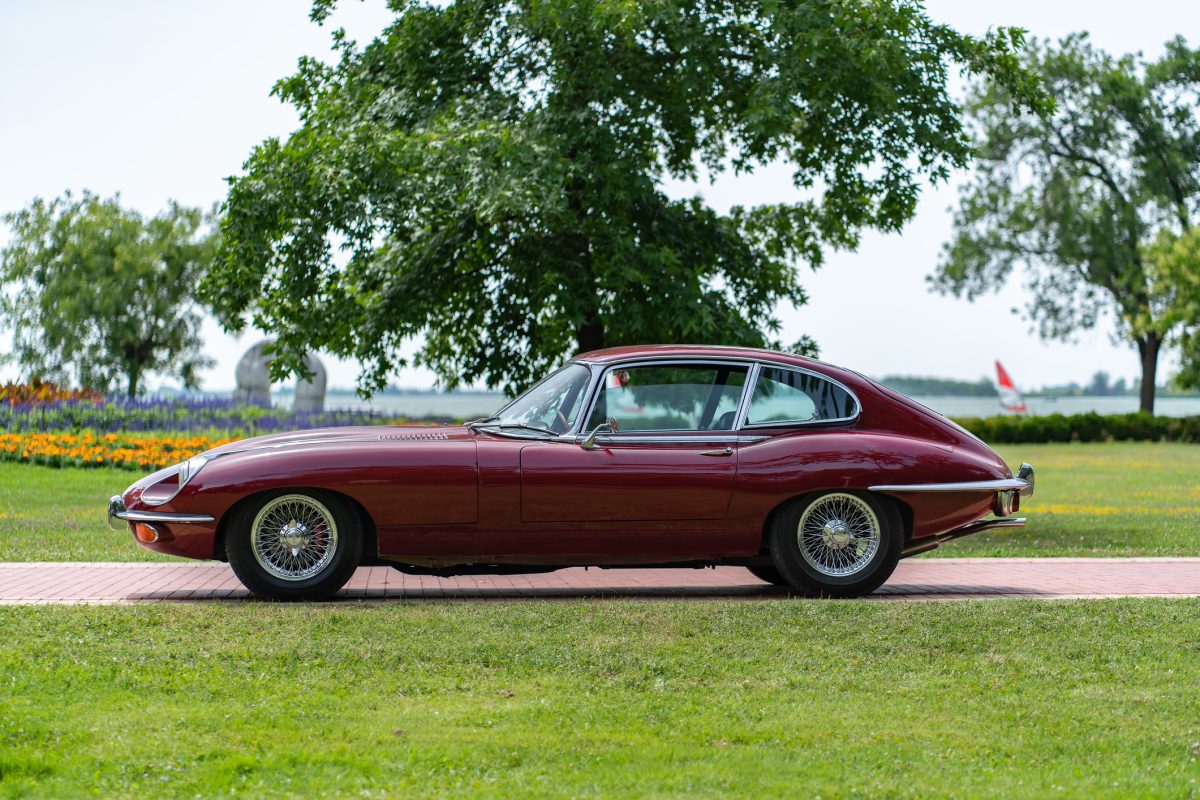
You walk into your showroom or garage. The lights are gleaming off the curves of a vintage 911, a pristine E-Type, and a muscular ’69 Camaro. It’s a beautiful sight. But then, you realize the layout needs a refresh. Maybe a new acquisition is arriving, or perhaps you just want to rotate the display for the season. 

Instinctively, you reach for the keys. You slide into the driver’s seat, turn the ignition, and listen to that engine roar to life. You gently ease the clutch out, drive the car forty feet to its new spot, and kill the engine. 

It feels satisfying. It sounds great. But from a mechanical standpoint, you may have just done more damage to that engine than a hundred miles of highway driving would have caused. 

This is the “cold start” crisis. For museums, boutique dealerships, and high-end private collectors, the necessity of moving vehicles short distances is a logistical constant. However, firing up an engine for a mere two minutes doesn’t just waste gas—it actively works against the preservation of the machine you are trying to protect. 

The Mechanics of the “Cold Start” 

To understand why a short move is so detrimental, we have to look at what happens inside an internal combustion engine when it wakes up from a slumber. 

When an engine sits, gravity does its work. The oil drains down into the sump, leaving the upper components—camshafts, lifters, and cylinder walls—with only a residual film of protection. When you turn the key, there is a momentary period of metal-on-metal friction before the oil pump can circulate lubricant to the top of the engine. This is where a significant percentage of engine wear occurs. 

But the friction isn’t the only enemy. The real issue with the “short move” is temperature. 

The Moisture Trap 

Combustion produces water vapor as a byproduct. When an engine reaches its optimal operating temperature (usually around 200°F or 95°C), that moisture evaporates and is expelled through the crankcase ventilation system and the exhaust. 

However, during a quick thirty-second shuffle across the garage floor, the engine block, oil, and exhaust system act like cold sponges. They never get hot enough to burn off that condensation. Instead, the water vapor condenses inside the engine and exhaust pipes. 

Over time, this moisture mixes with the oil to form a sludge (often visible as a milky residue under the oil filler cap) and combines with combustion byproducts to form acids that eat away at bearings and seals. In the exhaust system, that sitting water rots mufflers from the inside out. 

The Fuel Wash 

Vintage cars, particularly those with carburetors, often run “rich” when the choke is engaged for a cold start. This dumps extra fuel into the cylinders to keep the engine running while cold. 

If the car isn’t driven long enough to burn this excess fuel, the raw gasoline can wash the protective oil film off the cylinder walls, leading to accelerated ring and cylinder wear. Worse, that unburned fuel creates carbon deposits on valves and plugs, leading to rough running later on. 

The Problem with the “Push” Method 

Knowing the dangers of the cold start, many conscientious collectors opt for the pushing a car. 

While this saves the engine, it imperils the bodywork. We have all seen it—the “fingerprint dents” on the trunk lid or the quarter panel where a well-meaning helper pushed a little too hard on thin vintage sheet metal. 

Pushing is also a liability nightmare. Trying to shove a 4,000-pound luxury sedan up a slight incline or over a doorway threshold is a recipe for slipped discs and back injuries. If you are running a business, that’s a workers’ comp claim waiting to happen. If you are a private collector, it’s just an unnecessary exhausted effort. 

Furthermore, pushing lacks precision. Without steering control or braking ability, stopping a heavy rolling vehicle inches away from a priceless Ferrari is a nerve-wracking gamble. 

The Solution: Moving Without Ignition 

The goal for any curator or collector is preservation. You want the vehicle to remain in peak condition for as long as possible. This means the engine should only be started when it can be properly warmed up and exercised. For everything else—reorganizing the gallery, moving to the detailing bay, or loading onto a transport truck—you need a different method. 

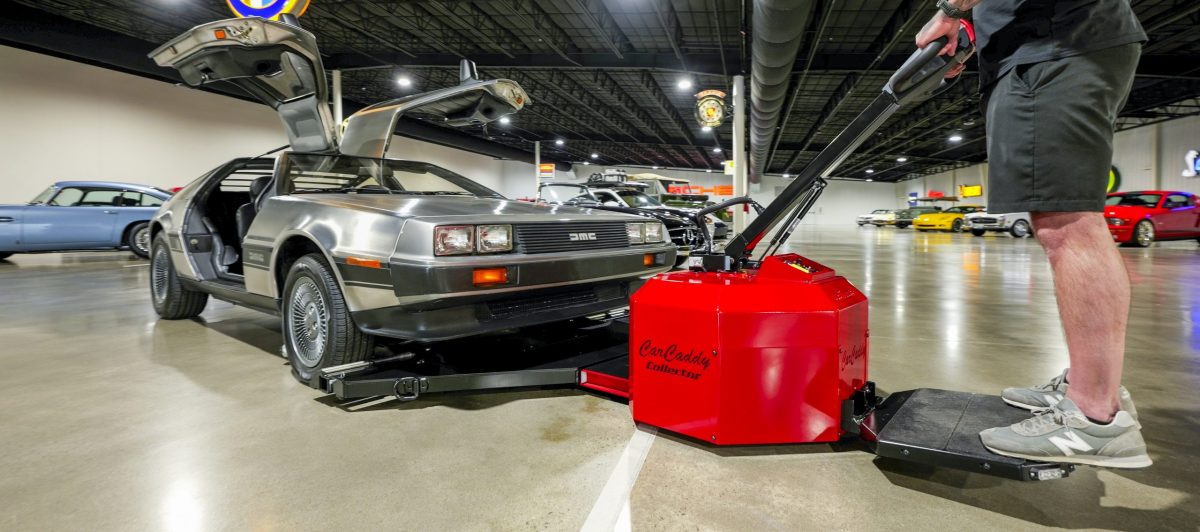
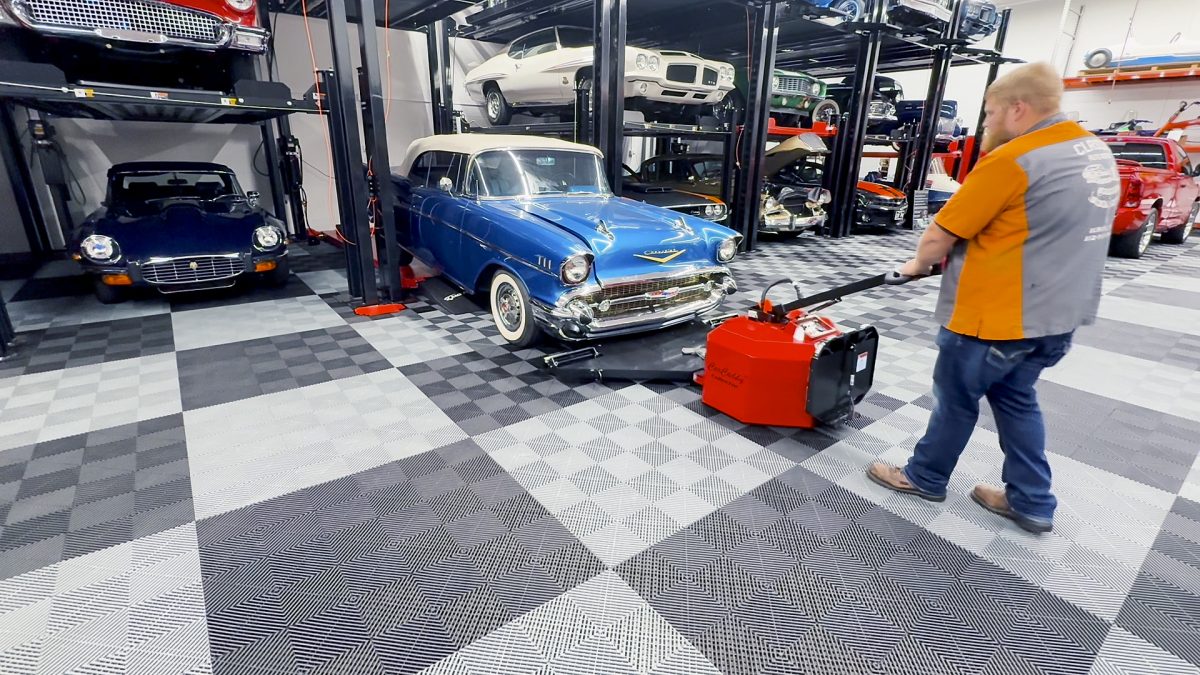
This is where technology bridges the gap between logistics and preservation. The CarCaddy Vehicle Puller, specifically the new Collector’s Edition, allows you to move heavy metal with zero mechanical empathy required. 

Silence in the Showroom 

One of the most jarring aspects of moving cars indoors is the noise and exhaust fumes. A cold V8 idling in a closed gallery smells of unburnt hydrocarbons and creates noise pollution that disrupts the atmosphere. 

The CarCaddy is electric. It operates in near silence. This allows you to reorganize an entire museum floor during open hours without disturbing guests or requiring ventilation fans to clear the air. 

Precision Handling for Heavyweights 

Despite its sleek profile, the CarCaddy Vehicle Puller is a powerhouse. It is rated to move vehicles up to 7,000 lbs. That covers everything from a featherlight Lotus Elan to a massive 1930s Duesenberg or a modern armored SUV. 

The unit features a 36VDC drive system and a high-tech speed controller. This gives the operator granular control over acceleration and, more importantly, braking. You aren’t relying on momentum or gravity; you are in command of every inch of movement. The neutral throttle braking ensures that if you let go, the movement stops. 

Protecting the Asset 

The primary concern with any towing device is physical contact. You don’t want hooks or chains near a show-quality bumper. 

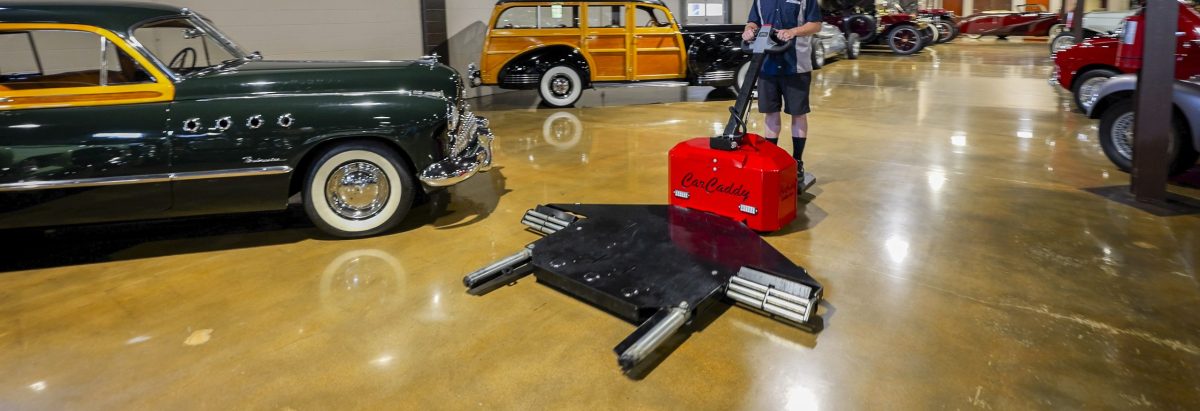
The CarCaddy uses a non-intrusive method to grab the vehicle. Its roller arms and low-profile design allow it to scoop under the tires, lifting the wheels securely without ever touching the bodywork, bumper, or suspension components. It’s a “touchless” move for the painted surfaces. 

Additionally, the unit runs on non-marking crown caster wheels. Whether your floor is polished concrete, epoxy, or expensive tile, the caddy leaves no trace behind. 

Aesthetics Matter 

We all know appearance counts. In a high-end facility, industrial orange equipment often looks out of place next to millions of dollars worth of automotive art. 

The Collector’s Edition of the CarCaddy was designed with the showroom environment in mind. It isn’t just a piece of warehouse equipment; it’s styled to match the caliber of cars it moves. 

It features a shock-assisted ride-on platform, allowing the operator to glide along with the vehicle rather than walking behind it, reducing fatigue during big reorganizations. It also comes in colors that complement a collection. While standard Ferrari Red is a classic choice, options like Matte Black + Gold, Baby Blue, or Silver ensure the equipment looks intentional and professional on the showroom floor. 

Longevity is a Choice 

Every time you choose to move a car without starting it, you are adding life to the engine. You are preventing the accumulation of acidic moisture in the crankcase. You are saving the exhaust system from rust. You are preventing dry-start wear on the cam lobes. 

The “cold start” is a habit born of convenience, but it is a costly one. By switching to a dedicated electric vehicle mover, you treat the mechanical heart of the car with the same respect you treat the paint and the upholstery. 

Preservation isn’t just about climate control and wax; it’s about mechanical sympathy. Igniting an engine should be an occasion, not a chore. Save the roar for the open road, and let the Car Caddy handle the garage shuffle. Contact our team today.
Meet the American-Made Electric Vehicle Mover

For any serious car enthusiast, the vehicle itself is the masterpiece. Whether it’s a pristine 1960s Mustang, a rare European import, or a modern supercar, the focus is always on the curves, the engine, and the history. But there is a less glamorous, often overlooked aspect of collecting: the logistics of moving these prized possessions.

Moving a high-value vehicle within a showroom, museum, or private garage can be nerve-wracking. Starting a cold engine for a ten-foot move isn’t ideal, and pushing it manually risks injury to yourself or accidental damage to the car’s bodywork. This is where the American-made CarCaddy Collector’s Edition comes in. It is a specialized electric vehicle mover designed not just to move cars, but to do so with the precision and care that a high-end collection demands.

This guide explores the features, design, and benefits of the CarCaddy Collector’s Edition, breaking down why it has become the go-to solution for museums and private collectors across the country.

What is the CarCaddy Vehicle Puller?

At its core, the CarCaddy is an electric vehicle mover designed to pull cars, trucks, and vans safely and efficiently. It eliminates the physical strain of manually pushing heavy vehicles and removes the need to start the engine for short transport trips—a crucial benefit for vintage cars where cold starts can cause unnecessary wear.

The CarCaddy operates by engaging two wheels of the vehicle (usually the front or rear tires), lifting them slightly off the ground via a hydraulic roller ramp system, and then towing the vehicle to its destination. This method ensures that the vehicle is moved securely without touching the bumpers or body panels, preserving the pristine condition of the paint and structure.

While the standard commercial versions of the CarCaddy are workhorses in busy automotive repair shops and assembly lines, the Collector’s Edition is a refined iteration built specifically for the unique needs of the preservation and display market.

Standard Features: Built for Precision

The Collector’s Edition isn’t just a pretty face; under the hood, it boasts robust engineering designed to handle valuable inventory with care. Here is a breakdown of the standard features that set this machine apart.

Performance and Power

The unit is powered by a 36VDC drive system, capable of moving vehicles up to 7,000 lbs with a front axle weight limit of 3,000 lbs. This capacity covers the vast majority of classic cars, sports cars, and even many luxury SUVs.

Speed control is critical when maneuvering tight spaces in a crowded garage. The CarCaddy features a high-tech speed controller allowing for smooth transitions from 0 to 3 mph, in both forward and reverse. The adjustable acceleration and braking ensure there are no jerky movements that could unsettle the vehicle being towed.

Safety and Control

Safety is paramount when moving a six-figure asset. The Collector’s Edition comes equipped with neutral throttle braking, meaning the unit automatically slows down when you let off the throttle. It also includes a safety stop switch for immediate emergency shutdowns.

Navigation is made easy with Wagon Wheel steering and a non-marking drive wheel, which provides excellent traction without scuffing polished showroom floors. The non-marking crown caster wheels further ensure smooth movement across various indoor surfaces.

Operational Comfort

Moving cars shouldn’t be back-breaking work. The unit features a shock-assisted ride-on platform, allowing the operator to ride along with the mover rather than walking behind it, reducing fatigue during longer moves. The angled control panel is ergonomically designed for easy access to all switches and dials, including the battery charge indicator.

Customization: Optional Features to Suit Your Needs

Every collection is different, and the CarCaddy offers optional upgrades to tailor the equipment to specific requirements.

  • Wheel Bonnets: For added security, especially on inclines or uneven surfaces, optional wheel bonnets with swivel hooks and ratchets are available to strap the vehicle’s tires firmly to the CarCaddy.
  • AGM Batteries: While the standard 36v system is robust, users can upgrade to AGM (Absorbent Glass Mat) batteries. These are maintenance-free and generally offer better performance and longevity.
  • AWD Dolly Kit: For vehicles that cannot be towed with two wheels on the ground (such as certain AWD drivetrains), a dolly kit can be added to lift all four wheels, ensuring the vehicle’s transmission remains protected during transport.

A Spectrum of Colors

While the standard unit comes in a striking Ferrari Red, aesthetics matter in a showroom environment. The Collector’s Edition can be customized in several additional colors to match your branding or personal taste, including:

  • Baby Blue
  • Matte Black + Gold
  • Pink
  • Silver
  • White
  • Or Match Your Car!

Who is the Collector’s Edition For?

The standard CarCaddy is built for high-volume, rough-and-tumble environments like manufacturing plants. The Collector’s Edition, however, targets a different demographic. It is engineered for environments where moves are fewer, shorter, and require a higher degree of finesse.

Museums and Private Collections

In a museum, space is often tight, and vehicles are parked inches from one another. The precise control of our electric vehicle mover allows curators to rearrange displays without risking door dings or bumper scratches.

Classic Consignment Shops

For high-end dealerships and consignment shops, presentation is everything. Using a sleek, professional electric mover to bring a car onto the sales floor looks far more professional than having three employees pushing a car manually, potentially leaving handprints on the hood.

Aesthetics and Design

The “Collector’s Edition” moniker refers to more than just its function; it refers to its form. This unit is designed to look at home next to a vintage Porsche or a modern McLaren.

The low-profile design is not just for looks—it improves visibility for the operator, allowing them to see exactly where the corners of the towed vehicle are relative to obstacles. The variable adjustable arms allow for the loading and unloading of almost any vehicle width, from narrow vintage roadsters to wide-body supercars.

Visibility is further enhanced by Hi-Beam Headlights, which make “grab and go” operations easy, even in dimly lit storage corners. Furthermore, the lighted rider platform is versatile; it can flip up for walk-behind operation in extremely tight spaces or flip down for a comfortable ride-on experience.

Benefits and Advantages

Investing in a CarCaddy Collector’s Edition offers three primary returns on investment:

  1. Safety: It protects staff from back injuries associated with pushing heavy machinery and protects the vehicles from accidental collision damage.
  2. Efficiency: One person can move a car that would normally require two or three people. This frees up staff to focus on maintenance, detailing, or sales.
  3. Preservation: By eliminating the need to start engines for short moves, you reduce cold-start wear and prevent the buildup of exhaust fumes in enclosed indoor spaces.

Invest in American-Made Quality

The CarCaddy Collector’s Edition combines American manufacturing quality with a design philosophy centered on the specific needs of the car collector. It is sleek, powerful, and precise—a tool that respects the value of the machinery it moves.

If you manage a museum, own a private collection, or run a classic car shop, moving your inventory shouldn’t be a source of stress. Contact us today and upgrade your logistics with an electric vehicle mover that looks as good as the cars you collect.

Purpose Built:  Climate Controlled Car Club

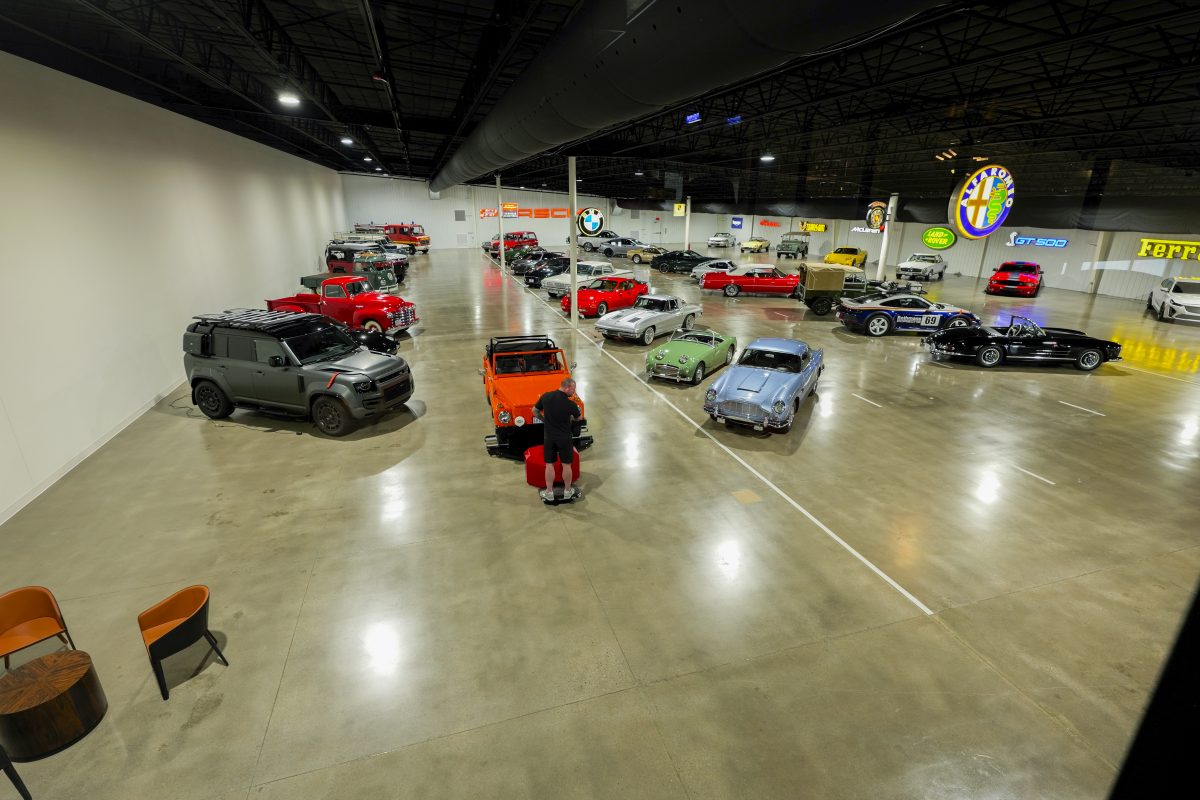
The team at Parc Motor Club were looking for an effective powered vehicle mover to reposition the priceless cars at their state of the art facility. They went with the CarCaddy Vehicle Puller and haven’t looked back.

They put the powered vehicle mover through all of the rigors and get the results they were looking for at a fraction of the cost compared to competitors. They are loving the aesthetics, efficiency, length of the battery life, and its ease of use. The CarCaddy Vehicle Puller the Collectors Edition has become an essential part of their operation.

Visit Parc Motor Club

Impounded Cars: A Use Case for an Electric Vehicle Mover

If you manage a police impound lot or evidence facility, you know the daily struggle. Vehicles arrive constantly, space is limited, and every square foot is valuable real estate.

Managing these lots comes with a unique set of headaches that go beyond simple parking. You are dealing with potential crime scenes, evidence preservation, and the sheer physical danger of moving disabled vehicles. Relying on external tow trucks is expensive, and manually pushing cars is a recipe for employee injury.

For many departments, the solution lies in electric vehicle movers. These battery-operated units allow a single person to move heavy vehicles safely and efficiently. By integrating this technology into your operations, you can significantly reduce operational costs, protect your staff, and maintain the integrity of crucial evidence.

The Electric Vehicle Mover Solution

An electric vehicle mover is a specialized, battery-powered machine designed to move cars and trucks without starting the engine. Unlike a forklift or a tow truck, these movers are compact and agile.

How they work

The concept is simple but effective. The operator walks behind the unit, guiding it to the vehicle. The mover slides under the vehicle’s tires, lifts them slightly off the ground, and uses its own power to push or pull the car.

Because the mover lifts the vehicle by the tires, there is no need to enter the car to steer or put it in neutral. This is a critical feature for police departments dealing with locked vehicles, cars without keys, or vehicles that are part of an active investigation.

Cutting Costs and ROI

Budget constraints are a reality for every law enforcement agency. One of the most compelling arguments for adopting electric vehicle movers is the direct financial impact.

eliminating tow bills

Historically, moving a disabled vehicle within a lot often required calling a third-party tow truck. These bills add up quickly.

Consider the case of a Police Department which faced capacity issues and high operational costs, the city invested in an electric vehicle mover. The results were immediate and substantial. Over a ten-year period, the department saved taxpayers more than $300,000 in tow bills alone. They successfully moved over 5,000 vehicles without generating a single external invoice.

Rapid Return on Investment

While the upfront cost of equipment can be daunting, the math works in your favor. In the mentioned example, the equipment paid for itself within three years. When you factor in the elimination of tow fees and the reduction in labor hours required to manage the lot, the return on investment becomes clear. This frees up budget that can be reallocated to other critical police resources.

Enhancing Safety and Evidence Integrity

Money isn’t the only metric that matters. The safety of your officers and civilian staff is paramount. Electric vehicle movers address two major safety concerns: physical injury and evidence contamination.

Reducing physical strain

Moving a stalled car manually is dangerous work. It typically requires two or three people pushing, with another steering. This creates a high risk for back injuries, slips, and falls. Furthermore, maneuvering a heavy vehicle in a tight, crowded lot increases the chance of accidental damage to other vehicles or facility infrastructure.

With an electric vehicle mover, a single operator does the heavy lifting. The machine handles the weight, and the operator simply guides it. This reduces physical strain and minimizes the risk of workers’ compensation claims related to musculoskeletal injuries.

Preserving the chain of custody

In a police impound lot, a vehicle is often more than just a car; it is a piece of evidence. It may contain fingerprints, DNA, or other crucial materials related to a homicide or robbery investigation.

Traditional methods of moving cars often require an officer to sit in the driver’s seat to steer. This seemingly harmless act can contaminate the crime scene. Because electric vehicle movers lift and guide the car externally, there is no need for staff to touch the door handles, steering wheel, or interior. The vehicle remains sealed and untouched until crime scene technicians are ready to process it. This capability is essential for maintaining a pristine chain of custody.

Mastering the Game Space Savings

Efficiency in an impound lot is defined by how well you utilize space. When you are over capacity, maneuverability is usually the first thing to suffer.

Navigating tight spaces

Tow trucks are large and cumbersome. They require wide lanes and significant turning radii to operate effectively. This limits where you can place vehicles and often results in wasted space.

Electric vehicle movers are compact and highly maneuverable. They can place vehicles deep into corners or tightly against walls where a tow truck could never reach. This allows lot managers to stack vehicles more densely, effectively increasing the storage capacity of the existing facility without the need for expensive expansion or off-site leasing.

Operational speed

Time is another resource that cannot be wasted. Waiting for a tow truck to arrive to move a single vehicle can stall operations for hours. With an electric mover on-site, moving a vehicle to an inspection bay or releasing it to an owner happens on your schedule.

Testimonials from facility managers highlight that what used to take two or three people stopping their work to assist with a move can now be accomplished by one person in a fraction of the time. This keeps your staff focused on their primary duties rather than wrestling with heavy machinery.

A Smarter Future for Impound Management

The transition from manual labor and external towing to electric vehicle movers represents a shift toward smarter, safer, and more cost-effective policing.

By adopting this technology, departments do more than just move cars. You protect the physical well-being of your workforce, ensure the integrity of critical evidence, and demonstrate fiscal responsibility to the taxpayers. This Police Department’s success proves that this is not just a theoretical upgrade, but a practical solution with proven results. Check out some of our testimonials.

If your facility is struggling with overcrowding, safety risks, or ballooning operational costs, it is time to look at how electric vehicle movers can transform your impound lot operations. Contact our team at CarCaddy the American Made electric vehicle puller today and improve your operations.

A Case Study for CarCaddy The Affordable Powered Vehicle Mover

Powered Vehicle Puller Case Study Overview

Parc Motor Club, a premium facility for car enthusiasts, needed a safe and efficient way to move valuable client vehicles without causing unnecessary wear or damage. By implementing the CarCaddy Collectors Edition, a Powered Vehicle Puller, they eliminated the need to start engines for short moves, reduced the risk of damage, and streamlined their daily operations. The solution not only improved efficiency but also enhanced the club’s reputation as a top-tier service provider.

Introduction

Parc Motor Club is more than just a storage facility; it’s a high-end haven for car enthusiasts who entrust their most prized and often irreplaceable vehicles to its care. As a premier club, maintaining the pristine condition of these valuable assets is paramount. The team at Parc Motor Club is tasked with moving these rare and expensive vehicles within the facility daily, a process that requires the utmost care and precision.

The Problem

When building their state-of-the-art facility, General Manager David Kern knew that moving cars would be a significant operational challenge. The team faced several key issues:

  • Inefficient and Damaging Processes: Manually pushing or pulling vehicles was not a viable option, as it created a high risk of scratches, dents, or other damage to the cars.
  • Unnecessary Engine Wear: The alternative was to start each vehicle to move it, even for short distances. This process led to fouled spark plugs, unnecessary fuel consumption, and added wear and tear on the engines of these high-value cars.
  • Safety Concerns: Moving heavy and powerful vehicles by hand, or even by starting them in an enclosed space, posed safety risks to both staff and the cars themselves.

The club needed a solution that was hands-free, safe, and would prevent the constant starting and stopping of engines. They required a tool that reflected the high standards of their facility and the expectations of their discerning clientele.

The Solution

After researching their options, Parc Motor Club chose the CarCaddy Vehicle Puller, Collectors Edition. This powered vehicle mover was specifically designed to address the challenges they faced and at a price that was competitive. The implementation was straightforward and immediately impacted their daily workflow.

The CarCaddy provided a powerful, hands-free method for moving vehicles smoothly and safely. Its design allowed a single operator to maneuver cars with precision, eliminating physical strain and minimizing the chance of accidental damage. As Kern noted, the powered vehicle mover prevented the team from “needing to push or pull the car… start the car and fouling the plugs.”

One initial concern was the unit’s maneuverability in tight spaces. However, our customer service team was able to provide clear instructions over the phone, resolving the issue in minutes. This quick and effective support, followed by proactive check-ins, ensured the Parc Motor Club team felt valued and confident in their investment.

Result

The CarCaddy Vehicle Puller has become an indispensable tool for Parc Motor Club, delivering significant and measurable results that align with their commitment to excellence.

  • Eliminated Unnecessary Wear and Tear: By using the CarCaddy, the club no longer needs to start vehicle engines for short relocations, preserving the engine health and integrity of their clients’ prized possessions.
  • Significantly Reduced Risk of Damage: The controlled, hands-free operation of the CarCaddy has minimized the risk of accidental scratches, dents, or other damage during movement.
  • Improved Operational Efficiency: The device boasts an impressive battery life, handling 10-12 hours of continuous use on a single charge. This reliability ensures that the team can operate efficiently throughout the day without interruption.
  • Enhanced Brand Reputation: The CarCaddy’s sleek design and quiet operation became a point of interest for club members. It visually demonstrated the club’s commitment to using the best tools to care for their vehicles, enhancing its reputation as a premier facility.

Conclusion

The partnership between Parc Motor Club and CarCaddy has proven to be a resounding success. The CarCaddy Vehicle Puller effectively solved the club’s core challenge of moving valuable vehicles safely and efficiently. The result is a streamlined operation, reduced risk, and an enhanced customer experience that reinforces Parc Motor Club’s position as a leader in its industry.

This success story highlights how the right equipment can not only solve practical problems but also contribute to a company’s brand and reputation. We are proud to support Parc Motor Club and look forward to continuing our strong partnership.

If your facility faces similar challenges in moving vehicles safely and efficiently, it’s time to consider a better solution. Contact our team at CarCaddy to learn how our powerful vehicle movers can be customized to fit your needs.

The ROI of Powered Vehicle Movers: A Financial Breakdown for Auto Auction Houses

In the high-stakes, fast-paced world of the auto auction house, efficiency isn’t just a goal—it’s the foundation of profitability. Every vehicle needs to be staged, moved, and positioned with lightning speed and absolute precision. While the cars themselves are the main event, the process of moving non-running, disabled, or heavy vehicles is often a massive bottleneck.

This is where investing in a specialized piece of equipment—the powered vehicle mover—stops being an expense and starts being a critical financial decision.

Here is a breakdown of the three key areas where a dedicated powered vehicle mover delivers a rapid and substantial Return on Investment (ROI) for auto auction operations.

1. Maximizing Speed: The Time-is-Money Factor

Auction schedules are relentless. The time it takes to move a vehicle from the intake bay to the staging area and ultimately across the block directly impacts how many units you can process in a day.

Manual Movement (The Old Way) Powered Vehicle Mover (The Efficient Way)
3-4 Staff Members required to push heavier vehicles. 1 Staff Member required for safe, smooth operation.
Slow, jerky starts and stops, especially on inclines. Consistent, controlled speed and high-capacity pulling power.
Increased fatigue leading to slower pace later in the day. Sustained peak efficiency throughout the shift.

A high-performance powered vehicle mover, like the CarCaddy, is engineered for maximum operational uptime. By drastically cutting the staging time per vehicle and freeing up multiple employees, you immediately increase the throughput capacity of your auction floor without increasing your labor budget.

2. Optimizing Staff Time & Labor Costs

The most visible ROI metric is the reallocation of expensive staff hours.

Imagine a scenario where your team spends 15-20 minutes manually wrestling a heavy truck or a disabled luxury sedan into position. That time represents four employees who could otherwise be processing paperwork, detailing the next set of vehicles, or managing customer relations.

A single operator using a powered vehicle mover can handle the exact same task in a fraction of the time, effortlessly.

  • Reduction in Manpower: Tasks that required a team are now handled by one trained individual, allowing the rest of the crew to focus on revenue-generating activities.

  • Ergonomic Safety: Manual pushing is a prime cause of workplace injuries—from back strains to shoulder fatigue. The CarCaddy vehicle puller removes the physical strain completely, reducing liability, insurance claims, and lost workdays associated with musculoskeletal injuries. This ensures your key personnel remain healthy and productive.

3. The Hidden Cost of Damage Prevention

The final hammer price of an auction vehicle is highly sensitive to its cosmetic condition. A small scratch, a dinged bumper, or a scuffed fender—all potential risks of uncontrolled, manual pushing—can lead to thousands of dollars in devaluation.

The average repair cost for minor body damage can easily exceed the cost of prevention.

Powered vehicle movers provide:

  • Controlled Acceleration and Braking: Smooth starts and stops eliminate the risk of vehicles bumping into walls, other cars, or equipment.

  • Precise Maneuverability: Designed for tight spaces, the equipment ensures vehicles can be threaded through staging lanes and crowded storage areas without incident.

By investing in equipment that guarantees gentle and controlled movement, you are essentially purchasing an insurance policy against preventable, value-crushing damage. The few instances of damage avoided can easily offset the initial investment in a high-quality powered vehicle mover.

The CarCaddy Vehicle Puller Advantage

The CarCaddy Vehicle Puller line of equipment is purpose-built to meet the heavy-duty demands of the automotive industry. Its robust design, powerful drive system, and easy-to-use controls make it the ideal powered vehicle mover for any auction house looking to professionalize its workflow.

By focusing on speed, reducing labor costs, and eliminating preventable damage, a vehicle mover is not just a purchase—it is an essential operational asset that guarantees a strong return on investment year after year.

Ready to improve ROI for your auction house?

Contact us today to order your vehicle mover and see the CarCaddy  Vehicle mover in action on your floor.

A Collector’s Guide to Winterizing Your Classic Cars

As the leaves turn and the air grows crisp, it’s a bittersweet sign for car enthusiasts. The driving season is ending, and it’s time to prepare your prized collection for winter hibernation. Proper winterization is not just about tucking your cars away; it’s a crucial process that protects your investment, preserves its condition, and ensures your vehicles are ready to hit the road when spring returns. Neglecting these steps can lead to costly damage from moisture, pests, and the simple toll of sitting idle.

This guide will walk you through the essential steps for preparing your classic cars and your garage for the colder months. We will cover vital maintenance tasks, the best products for protection, and how to create the perfect storage environment with a Powered Vehicle Mover.

Pre-Hibernation Maintenance Checklist

Before you put the cover on for the last time, a thorough maintenance routine is your first line of defense against winter’s effects.

A Deep Clean Inside and Out

Start with a comprehensive wash and wax. Dirt, bird droppings, and road grime can eat away at your paint if left to sit for months. Use a quality automotive soap and finish with a high-grade carnauba wax or a modern paint sealant. This protective layer acts as a barrier against moisture and dust.

Don’t forget the interior. Vacuum the carpets and seats thoroughly to remove any crumbs or debris that could attract pests. Clean and condition any leather surfaces with a dedicated leather conditioner to prevent them from drying out and cracking in the cool, dry air.

Fluid Management

Fluids are the lifeblood of your vehicle, and managing them correctly before storage is critical.

  • Oil Change: Old, used oil contains contaminants that can damage engine components over time. Perform a complete oil and filter change before storage. This ensures clean oil is circulating, protecting the engine’s internal parts from corrosion.
  • Fuel Tank: A common debate is whether to store a car with a full tank or an empty one. For winter storage, a full tank is best. This minimizes the air space in the tank, reducing the potential for condensation to form and cause rust. Add a quality fuel stabilizer to the full tank and run the engine for a few minutes to circulate it through the entire fuel system. This prevents the fuel from breaking down and gumming up the lines and carburetor.

Battery and Tire Care

Your battery and tires need special attention to survive the winter without issues.

  • Battery Care: A battery left connected in a vehicle will slowly discharge over the winter, potentially leading to a dead battery that won’t hold a charge come springtime. The best practice is to disconnect the battery and connect it to a battery tender or smart charger. These devices monitor the battery’s charge and deliver a slow, steady trickle to keep it in optimal condition.
  • Tire Pressure: To prevent flat spots from developing, inflate your tires to the maximum recommended pressure listed on the tire’s sidewall. As the temperature drops, tire pressure naturally decreases. Overinflating them slightly compensates for this and helps maintain their shape. If the car will be stored for an extended period, consider placing it on jack stands to take the weight completely off the tires.

Creating the Ideal Garage Environment

Your garage is more than just a parking spot; it’s your collection’s sanctuary. Optimizing this space is key to a successful winter storage strategy.

Climate Control is Key

The ideal storage environment is dry and maintains a stable temperature.

  • Humidity: Moisture is the enemy of classic cars, promoting rust and mildew. Aim for a humidity level below 50%. A good dehumidifier is a worthwhile investment for any serious collector. Set it to your desired level and let it run throughout the winter to keep the air dry.
  • Temperature: While a heated garage is a luxury, the main goal is to avoid extreme temperature swings. A consistent, cool temperature is better than fluctuating between freezing and warm. An insulated garage helps stabilize the internal climate.

Pest Prevention

Your garage can look like a cozy winter home to mice and other pests. They can cause significant damage by chewing through wires, upholstery, and insulation. Place mouse traps and deterrents, like mothballs or peppermint oil-soaked cotton balls, around the perimeter of the garage and near each vehicle’s tires. Avoid placing them inside the car, as the scent can be difficult to remove.

Efficiently Organizing Your Collection

A well-organized garage not only looks better but also makes managing your collection safer and easier. When you have multiple vehicles, moving them around can be a challenge, especially when they are not running.

Maximize Your Space with a Powered Vehicle Puller

Maneuvering cars in a tight space without starting them is essential for long-term storage. This is where specialized equipment becomes invaluable. The CarCaddy Vehicle Puller is an excellent example of a tool designed for this exact purpose. It allows a single person to move vehicles up to 7,000 lbs. easily and safely.

The Powered Vehicle Movers low-profile design allows it to slip under the front of a vehicle without causing damage to the bumper or body. You can effortlessly pull a car out to work on it or simply rearrange your garage layout without starting an engine and introducing harmful exhaust fumes into your clean storage environment. Investing in a tool like this turns a difficult, multi-person job into a simple, efficient task.

Protect with the Right Cover

Finally, protect your clean car with a high-quality, breathable car cover. Avoid using plastic tarps, as they trap moisture against the car’s surface, which can ruin the paint. A good cover will keep dust and debris off the vehicle while allowing air to circulate, preventing condensation buildup.

Prepare with a Powered Vehicle Mover

By following these winterization steps, you are doing more than just storing your cars. You are actively preserving their beauty, functionality, and value. When the snow melts and the roads clear, you’ll be able to pull off the covers, reconnect the batteries, and enjoy your pristine classic car collection without any unpleasant surprises. A little effort in the fall pays huge dividends in the spring. If you’re interested in making the most out of your garage make sure to contact our team at CarCaddy so we can get you the powered vehicle mover you need.

The Luxury Valet Parking Powered Vehicle Mover: Managing High-Density Vehicle Flow in Luxury Parking Garages

luxury hotels, casinos, and residential towers, your valet service is the first and last impression you make. But behind the scenes, managing high-density vehicle flow in tight spaces is a constant challenge.

The “valet nightmare” is real: the stress of retrieving a car quickly, the risk of scraping a bumper, and the physical strain of manually pushing heavy vehicles. Modern material handling technology offers a powerful solution: the powered vehicle mover.

From Brute Force to Precision

When every parking spot counts and each vehicle is a high-value asset, relying on manual parking or pushing into a tight spot is a recipe for disaster. This outdated method often requires multiple staff members and results in jerky, uncontrolled movements—a leading cause of parking garage incidents.

A powered vehicle mover eliminates this risk by giving a single operator precise command over any vehicle’s movement. These machines use robust motors to smoothly start, move, and stop any car or SUV, even if the engine is off.

1. Maximize Density, Minimize Risk

The main goal of a high-density garage is to maximize revenue by parking as many cars as safely as possible. Manual pushing limits how tightly you can park because staff need room to maneuver.

A compact powered vehicle mover allows valets to navigate cars with only inches of clearance. The operator stands safely behind the unit, guiding it with precision and allowing vehicles to be staged shoulder-to-shoulder. This can significantly increase your garage’s capacity by eliminating wasted space.

2. Boost Safety and Protect Assets

Luxury valet services can’t afford vehicle damage. Every time a car is manually pushed, you risk:

  • Scrapes and dings from a lack of control in tight corners.
  • Back strain and injuries to staff.
  • Fumbled stops that can lead to collisions.

Solutions like our CarCaddy Vehicle Puller: The Collectors Edition are engineered for precision. They provide the power to move large vehicles with smooth acceleration and braking. This creates a safer work environment for your team and offers unmatched protection for your clients’ property.

3. Improve Speed and Staff Retention

In a luxury setting, wait times are critical. A powered vehicle mover helps your team work more efficiently by:

  • Reducing physical fatigue, which lowers staff burnout and turnover.
  • Increasing retrieval speed, as one person can move cars faster than a team of three.
  • Handling any vehicle, including those in neutral or with low clearance, without delay.

For high-volume, high-value valet operations, investing in a purpose-built powered vehicle mover is a necessity. It’s the ultimate tool to transform garage chaos into a seamless, professional, and profitable service. Contact us today and one of our professional sales engineers with help you build the powered vehicle mover specifically to your needs.

5 Essential Tips for Maintaining Your Classic Car Collection

Owning a classic car is more than a hobby; it’s a passion. It’s the thrill of turning the key in a machine from a different era, the smell of aged leather, and the rumble of an engine that tells a story. Each vehicle is a rolling piece of history, a testament to design and engineering from a bygone time. But with this great joy comes a significant responsibility. Unlike modern cars, classics require a special kind of attention and meticulous care to keep them in pristine condition.

The challenges are unique. Parts can be scarce, the technology is less forgiving, and the effects of time are a constant battle. However, preserving these automotive treasures is a rewarding journey. This guide will walk you through five essential tips for maintaining your classic car collection, ensuring each vehicle remains a source of pride and joy for years to come. We’ll cover everything from routine checks to smart garage organization.

1. The Foundation: Regular Inspections and Fluid Checks

The most fundamental rule of classic car ownership is consistency. These machines weren’t designed to sit idle for months on end. Regular inspections are your first line of defense against the slow creep of decay. Make it a habit to check your cars at least once a month, even if you don’t plan on driving them.

Start with a visual inspection. Look for any signs of leaks under the car, check for cracks in hoses and belts, and examine the tires for flat spots or pressure loss. Pay close attention to the fluids. Classic cars can be particular about their oil, coolant, and brake fluid. Unlike modern synthetic oils, many older engines require conventional oils with specific additives, like zinc, to prevent premature wear on camshafts and lifters. Always use fluids that meet the original manufacturer’s specifications.

2. Protect Your Investment: Climate-Controlled Storage

One of the biggest enemies of a classic car is the environment. Extreme temperatures, humidity, and direct sunlight can wreak havoc on paint, rubber, upholstery, and metal. The ideal storage solution is a climate-controlled garage that maintains a consistent temperature and low humidity. This prevents moisture from settling on metal surfaces, which leads to rust, and it stops rubber seals and tires from drying out and cracking.

If a fully climate-controlled space isn’t an option, do your best to mitigate the risks. Use a high-quality, breathable car cover to protect the paint from dust and scratches while allowing moisture to escape. Avoid plastic tarps, as they can trap condensation and cause more harm than good. A good dehumidifier can also make a significant difference in a standard garage, helping to keep the air dry and protect your collection from corrosion.

3. The Heart of Authenticity: Sourcing the Right Parts

When a repair is needed, the hunt for parts begins. Maintaining the authenticity of your classic car often means tracking down original or period-correct components. This can be one of the most challenging yet rewarding aspects of the hobby. Using incorrect or poorly made reproduction parts can not only devalue your vehicle but also lead to performance issues or even damage.

Build a network of resources. Join owner’s clubs for your specific makes and models, connect with other collectors online, and identify reputable suppliers who specialize in classic parts. These communities are invaluable for finding rare components and getting advice from experienced enthusiasts. Sometimes, a new old stock (NOS) part isn’t available, and you’ll need to choose a high-quality reproduction. In these cases, research the manufacturer thoroughly and rely on recommendations from your network to ensure you’re getting a part that fits and functions correctly.

4. Keep Them Moving: Exercise is Key

Cars are meant to be driven. While you want to protect your classics from the hazards of the road, letting them sit for too long can cause a host of problems. Seals can dry out, carburetors can get gummed up, and batteries will lose their charge. Taking each car for a gentle drive of at least 15-20 miles once in a while can keep things moving freely.

This “exercise” does several important things. It gets the engine up to operating temperature, which burns off moisture in the crankcase and exhaust system. It circulates all the fluids, lubricates moving parts, and keeps the brakes from seizing. It also helps prevent flat spots from forming on the tires. A short, regular drive is one of the best forms of preventative maintenance you can perform.

5. A Vehicle Puller for Smart Organization in a Crowded Garage

As a collection grows, garage space quickly becomes a premium. Maneuvering vehicles in a tight space is not only frustrating but also risky. A slight miscalculation can lead to a dent or a scratch, turning a simple garage reshuffle into a costly repair. This is where modern innovation can help preserve automotive history.

An excellent tool for this challenge is the CarCaddy Vehicle Puller. This powered device is designed to move vehicles effortlessly and safely, even in the most confined spaces. Instead of starting the engine and carefully backing a car out, you can use the Vehicle Mover to pull or push it with precise control. Its compact design allows it to navigate tight corners, making it easy to reposition cars without the risk of accidental bumps. The CarCaddy is especially useful for moving non-running project cars or simply reorganizing your showroom to make space for a new acquisition. By eliminating the risk of accidental damage during movement, it helps preserve the integrity and value of your collection.

A Legacy of Care

I remember the first time I brought home my own classic—a 1967 Mustang that had been sitting for years. The initial excitement was quickly met with the reality of the work ahead. Every weekend spent turning wrenches, every hour spent searching for a specific piece of chrome trim, was a lesson in patience and dedication. It taught me that these cars are not just possessions; they are legacies we are entrusted to care for.

Maintaining a classic car collection is a labor of love. It requires diligence, knowledge, and a deep appreciation for the art of the automobile. By following these tips—from regular checks and proper storage to smart garage solutions—you are not just maintaining machines. You are preserving a piece of history, ensuring that the stories these beautiful cars tell can be enjoyed by generations to come.

CarCaddy Vehicle Puller: The Collectors Edition VS The Competition

A Guide to Choosing the Right Vehicle Puller

Moving vehicles within a confined space like a workshop, showroom, or museum presents a unique set of challenges. It requires precision, safety, and efficiency to prevent damage and ensure a smooth workflow. An electric vehicle mover, or vehicle puller, is an essential tool for this task, allowing a single operator to move cars safely without starting the engine.

Choosing the right vehicle puller is crucial for maximizing productivity and protecting valuable assets. With different models available, it’s important to understand which features best suit your specific operational needs. This guide will walk you through the key factors to consider and compare two leading models to help you make an informed decision.

Factors to Consider When Choosing a Vehicle Puller

Before investing in a vehicle puller, evaluate your requirements based on these four key factors.

Vehicle Weight Capacity

The first and most important consideration is the weight of the vehicles you need to move. A puller must be rated to handle the maximum weight of your heaviest vehicles to operate safely. Overloading a machine can lead to equipment failure and dangerous situations. Check the puller’s specifications for both total vehicle weight and maximum axle weight capacity.

Operating Time

Consider how frequently you will use the vehicle puller. For operations that require moving cars throughout the day, a long battery life is essential. Look for models that offer extended operating times, such as 8-10 hours on a single charge. This minimizes downtime for recharging and keeps your workflow uninterrupted.

Maneuverability and Visibility

Workshops, showrooms, and storage facilities are often tight spaces. A good vehicle puller should offer excellent maneuverability to navigate these areas easily. Features like a tight turning radius and responsive steering are critical. The operator should also have a clear line of sight around the machine to ensure precise and safe movement, preventing accidental bumps or scrapes.

Safety Features

Safety is non-negotiable. Essential safety features include reliable braking systems, emergency stop switches, and good lighting for visibility in low-light conditions. Some models also include features like adjustable acceleration and neutral throttle braking, which gives the operator greater control and helps prevent sudden jerks or movements.

A Look at Top Vehicle Puller Models

To help you understand how these factors apply in practice, let’s compare two popular options on the market: the S3 and the CarCaddy Vehicle Puller.

S3 Electric Vehicle Mover

The S3 is a robust machine designed for businesses that need to move vehicles frequently over various distances, such as in testing labs, on production lines, or in large workshops.

  • Features and Benefits: The S3 can handle vehicles weighing up to 3,000 kg (approximately 6,600 lbs). One of its standout features is an impressive 10-hour operating time, ensuring it can last through a full workday with minimal maintenance requirements. Its low-profile design provides the operator with excellent visibility during loading and unloading.
  • Specialized Use: The S3 is also available with a hydraulic cylinder, which provides greater power and allows it to handle cars with very low ground clearance—a key feature for businesses dealing with sports cars or luxury vehicles.
  • Price: The S3 starts at around $50K. Its higher price point reflects its capabilities, and setting their price in an emerging market.

CarCaddy Vehicle Puller: The Collectors Edition

The CarCaddy Vehicle Puller is a versatile and cost-effective solution, ideal for car museums, private collections, and storage warehouses where vehicles are moved less frequently but still require careful handling.

  • Features and Benefits: The CarCaddy can pull vehicles up to 7,000 lbs (approximately 3,175 kg) with a front axle weight capacity of 3,000 lbs. It comes equipped with a range of standard features, including a variable speed twist grip, adjustable acceleration, and a shock-assisted ride-on platform for operator comfort. Its LED headlights improve visibility for easy alignment.
  • Specialized Use: A key advantage of the CarCaddy is its low-profile design with adjustable roller arms, which allows for easy loading and unloading without damaging a vehicle’s bumper or body. This makes it particularly suitable for handling valuable and classic cars.
  • Price: The CarCaddy Vehicle Puller starts at around $30K, making it a more accessible option for smaller businesses or private collectors who need a reliable machine without the scaled up price tag.

Special Features That Make a Difference

Certain features can significantly enhance the functionality of a vehicle puller for specific applications.

  • Hydraulic Cylinders: As seen with the S3, hydraulic systems can provide the extra power needed for lower-clearance vehicles, ensuring the mover can securely lift the wheels without damaging the vehicle’s undercarriage.
  • Adjustable Arms: The CarCaddy’s adjustable roller arms are a prime example of a feature designed for versatility. This allows the operator to customize the grip for different wheelbases and vehicle types, ensuring a secure and damage-free move every time.

Find the Right Mover for Your Needs

Choosing the right vehicle puller comes down to balancing your operational needs with your budget.

If your business involves continuous, heavy-duty vehicle movement and you regularly handle vehicles with low ground clearance, the power and extended operating time of the S3 and CarCaddy Vehicle Puller make either a worthy investment.

For car collectors, museums, or service centers that need a reliable, safe, and versatile machine for less frequent use, the CarCaddy Vehicle Puller offers an excellent balance of features and affordability. Its focus on preventing damage to the vehicle body makes it a trusted choice for handling valuable automobiles.

Investing in the right equipment streamlines your operations, protects your assets, and ensures a safer work environment.

Ready to improve your vehicle handling process? Request a custom quote today to customize your CarCaddy Vehicle Puller.