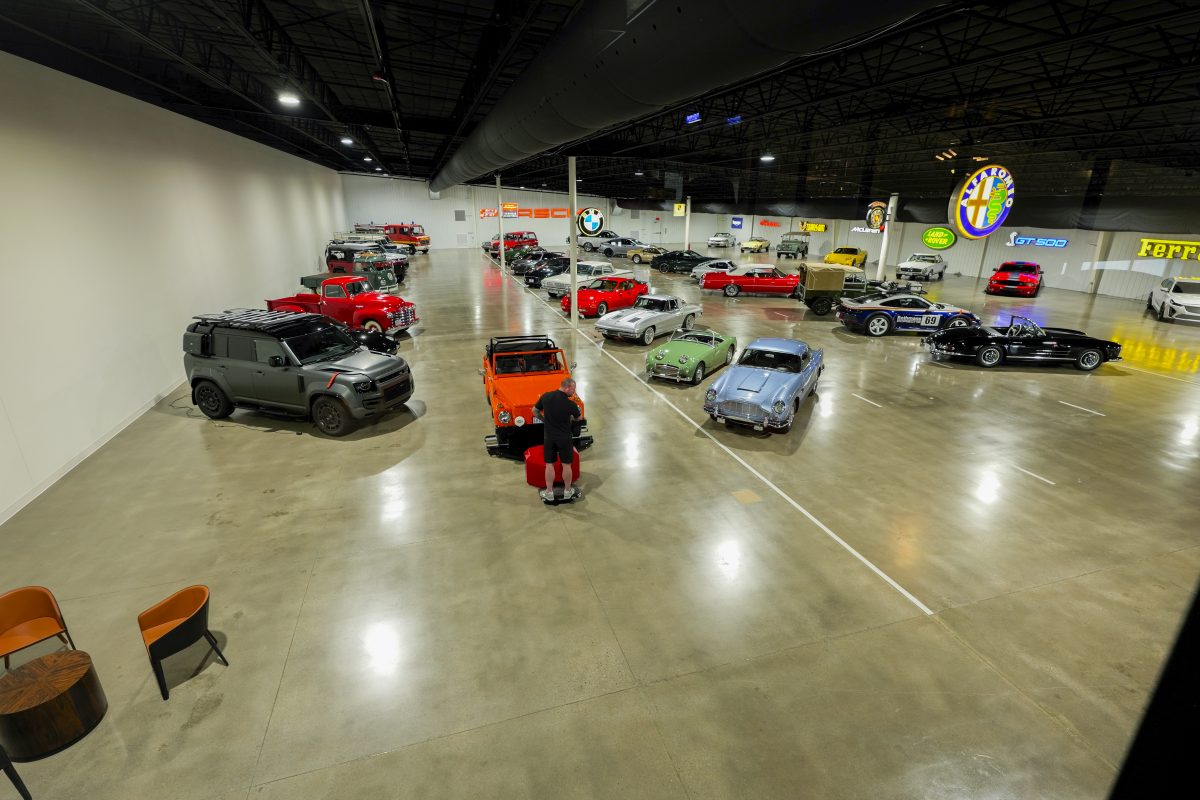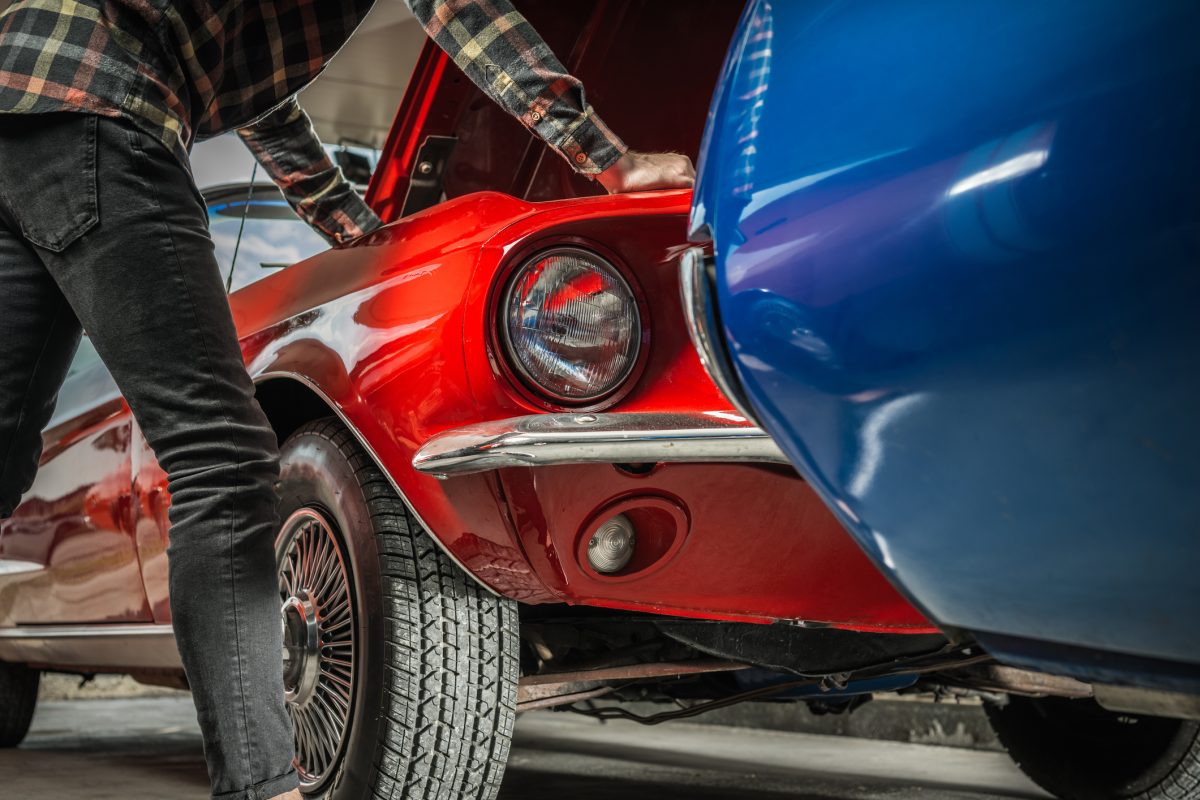
Every serious collector knows the feeling: you want to pull out a specific vehicle, maybe to work on it or simply to admire it under better light, but it’s hemmed in by two others. Your options? Call a neighbor. Round up some staff. Or just leave it where it is and settle for a different car.
None of those are good options when you’ve built a collection you’re proud of.
Moving vehicles around a private garage or estate shouldn’t require a crew. With the right electric vehicle pusher, one person can safely and smoothly reposition even heavy cars without breaking a sweat—or calling anyone for help. Here’s everything you need to know about taking full solo control of your collection.
Why Solo Vehicle Management Is a Real Challenge for Private Collectors
Most collectors don’t think about vehicle movement until they need it. Then, suddenly, it becomes the most frustrating part of owning multiple cars.
The physics are straightforward: even a compact sports car can weigh close to 3,000 pounds. Pushing or steering a vehicle by hand—especially on a tight garage floor—isn’t just difficult, it risks scratching bodywork, straining your back, or losing control of a rolling chassis. For vintage or high-value vehicles, that’s not a risk worth taking.
Commercial tow equipment exists, but it’s typically built for service bays and body shops, not a carefully curated private collection. That kind of heavy industrial machinery feels out of place in a luxury home stable or a museum-quality display space. It also tends to be complex to operate, requiring training and experience before you can trust it around a vehicle worth six or seven figures.
What private collectors actually need is something that bridges the gap: enough power to move heavy vehicles, with the simplicity and elegance that fits the environment they’ve built.
How an Electric Car Pusher Puts One Person in Full Control
A quality electric car pusher changes the equation entirely. Instead of brute force or a team of helpers, you’re relying on a machine that does the heavy lifting—precisely, safely, and on your schedule.
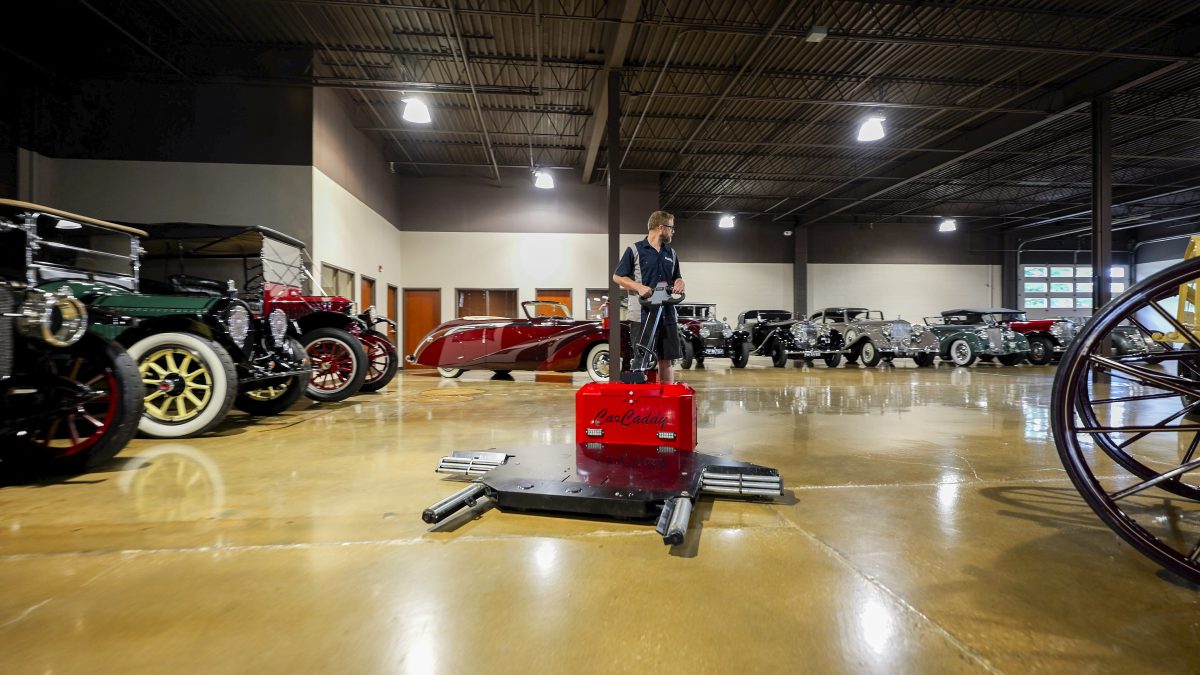
The CarCaddy Vehicle Puller Collector’s Edition is designed exactly for this use case. It’s American-made, built to move vehicles up to 7,000 lbs., and engineered so that a single operator—regardless of physical strength—can guide a heavy car smoothly across a garage floor. The controls are intuitive: variable speed from 0 to 3 mph in both forward and reverse, with adjustable acceleration and neutral throttle braking so you stay in command at every point of the move.
What makes this work in practice is the combination of a 36V three-battery drive system, non-marking wheels (critical for pristine garage floors), and roller arms that attach to a vehicle without contact with the bumper or body. Your vehicles stay undamaged. Your floor stays clean. And you do it all yourself.
The lighted rider platform flips up or down depending on whether you want to ride or walk alongside the unit—a small detail that makes a real difference during tight maneuvers. Hi-beam headlights mean you can operate confidently even in lower-light garage conditions.
Why the Car Caddy Outperforms Commercial Alternatives for Private Collections
Commercial vehicle movers are built for volume. They’re designed to move cars in and out of body shops dozens of times a day, which means they prioritize durability and raw capability over aesthetics and ease of use. For a private collector, that’s the wrong trade-off.
The CarCaddy CE takes a different approach. Its low-profile design and variable adjustable arms allow it to load and unload almost any vehicle, including low-slung sports cars and vintage models with minimal ground clearance. The sleek design—available in Ferrari Red (standard), Matte Black with Gold, Baby Blue, Pink, Silver, and White—means it actually belongs in a collector’s environment. If you need it matched to a specific vehicle or the color scheme of your collection, the team will work with you to make that happen.
Operationally, the CarCaddy CE requires no special training. The wagon wheel steering and angled control panel are designed for natural, intuitive use. There’s no learning curve to worry about, and no concern about handing it off to a guest or house manager who’s never used it before.
The other commercial dealbreaker for private collectors is support. Heavy industrial equipment often means long lead times on parts and service delays that leave you without a functioning unit for days or weeks. CarCaddy offers same-day parts shipping through their technical service team, so when work needs doing, the equipment is ready.
Key Features That Make a Difference in Day-to-Day Use
If you’re evaluating an electric vehicle mover for your collection, these are the specs and features that matter most in practice:
- Weight capacity: The CarCaddy CE handles up to 7,000 lbs. vehicle weight and 3,000 lbs. front axle weight—enough for nearly any production car in a private collection
- Non-marking wheels: Essential for protecting epoxy-coated, polished concrete, or any premium garage flooring
- Battery system: The 36V three-battery setup with an onboard charge indicator means you know exactly where you stand before starting a move
- Roller arms: Attach to the vehicle without touching painted surfaces or bumpers—critical for high-value and vintage cars
- Speed control: 0–3 mph with adjustable braking means you’re never moving faster than you’re comfortable with
- Safety stop switch: One-touch stop gives you immediate control if anything unexpected happens during a move
Take Total Control of Your Collection
Owning a remarkable collection of vehicles means more than having the cars—it means being able to interact with them on your own terms, without logistics getting in the way. You shouldn’t have to schedule a team or ask for favors every time you want to rotate your display or access a vehicle in the back of the stable.
An electric car pusher like the CarCaddy Vehicle Puller Collector’s Edition solves that problem cleanly. One person, one machine, full control.
Ready to move your collection your way? Visit carcaddyvehiclepuller.com to explore the CarCaddy CE and find out why it’s become the electric vehicle mover of choice for independent collectors, private estates, and museums alike.