Moving Millions in Silence: What Jay Leno’s Garage Teaches Us About Showroom Safety

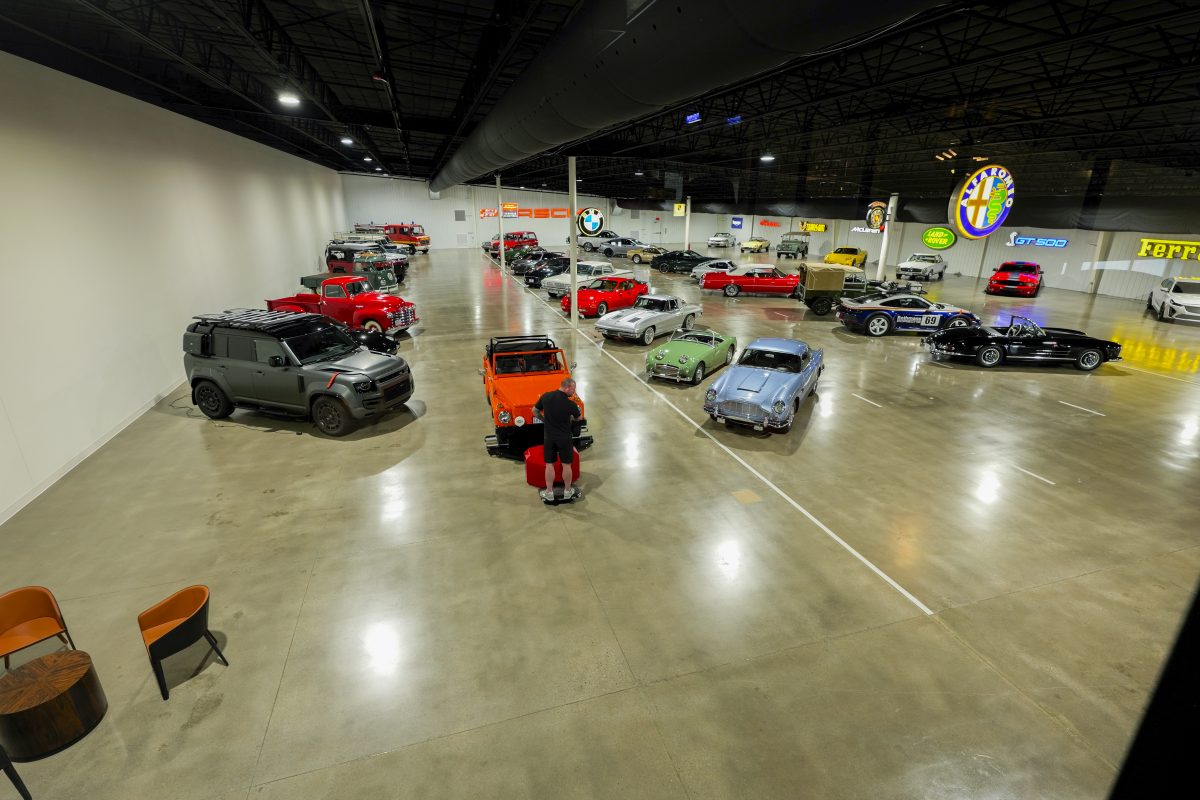
Few garages on earth carry the same weight—literally and figuratively—as Jay Leno’s Big Dog Garage in Burbank, California. With over 181 cars and 160 motorcycles, collectively valued at an estimated $53 million, Leno’s collection is less a hobby and more a living museum. Every vehicle is a runner, not a display piece. And every vehicle, at some point, needs to be moved. 

That’s where things get complicated. 

For automotive museum managers, private registry curators, and boutique dealerships housing rare and irreplaceable vehicles, moving cars around a facility is one of the highest-risk, most under-appreciated tasks in the business. It happens daily. It rarely makes headlines—until something goes catastrophically wrong. 

The Financial Stakes Are Higher Than Most People Realize

Managing an elite collection isn’t just about aesthetics. It’s about liability. When a single car in your facility is worth $20 million, every movement becomes a calculated risk. 

The crown jewel of Leno’s collection is his 1934 Duesenberg Walker Coupe—an absolute one-of-one aerodynamic marvel, custom-built in the 1930s for a pharmaceutical tycoon, and never replicated. There is no parts catalog for a car like this. No second chance if the bodywork gets dented. No insurance payout that restores irreplaceable pre-war metalwork or the provenance attached to original paintwork. 

Behind the Duesenberg sits his 1994 McLaren F1—one of only 106 ever produced—currently valued at $12 million. Then there’s the 1963 Chrysler Turbine Car, the 1967 Lamborghini Miura P400, the 1928 Bentley Speed 6, and early steam-powered vehicles that pre-date modern automotive engineering by decades. 

Each of these vehicles presents its own set of logistical challenges. Each one is irreplaceable. 

Why Hand-Pushing Is Never the Right Answer 

Here’s a scenario that plays out in garages and showrooms more often than it should: a curator needs to shuffle a car three feet to the left to make room for an incoming vehicle. There’s no key, or the battery is dead, or—more critically—the vehicle simply should not be started for a quick reposition. So the team gathers around, places hands on body panels, and pushes. 

For vehicles like the early steam-powered cars in Leno’s collection, or experimental models like the Chrysler Turbine, starting the engine for a minor repositioning isn’t just inconvenient—it can be genuinely harmful to the vehicle and dangerous for the crew. But a five-man push introduces its own set of risks: uneven force distribution, accidental contact with fragile paint, one misstep near a low-clearance bumper, or a crew member losing their footing on a polished concrete floor. 

On a $20 million car, a single handprint pressed into 90-year-old lacquer during an awkward push is not a minor incident. It’s a disaster. 

The Mechanical Diversity Problem in Elite Collections 

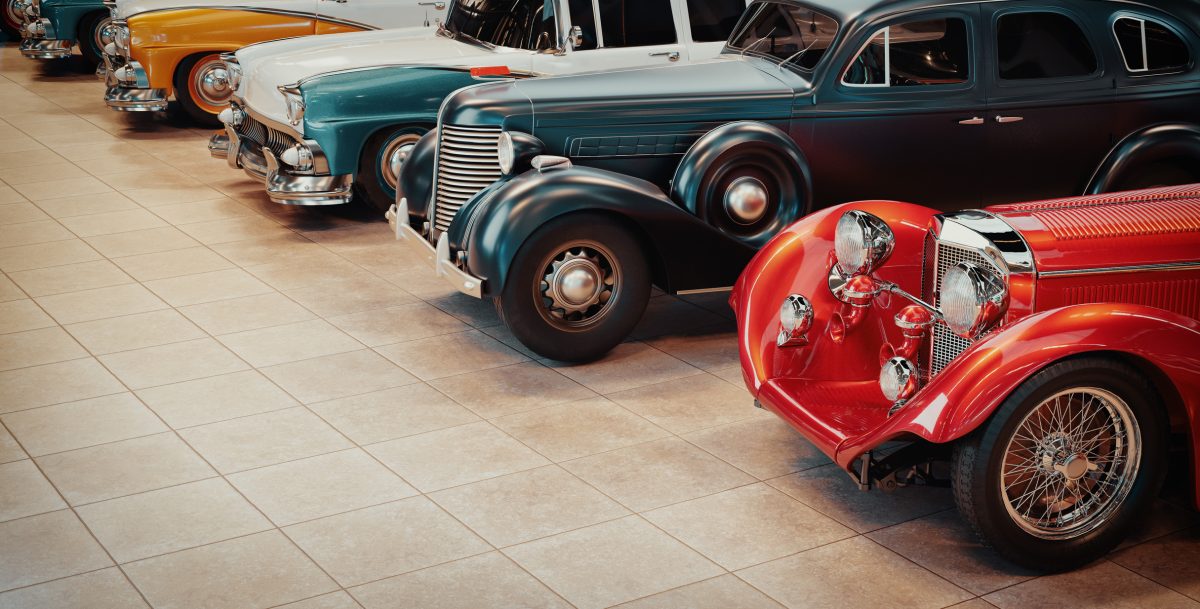
Part of what makes collections like Leno’s so extraordinary is their range. You might have a modern carbon-fiber supercar parked beside a century-old steam vehicle. A turbine-powered experimental prototype adjacent to a classic Lamborghini Countach. 

These vehicles do not share the same weight distribution, suspension geometry, or structural tolerances. They require a repositioning solution that adapts to them—not the other way around. That’s precisely the gap that a purpose-built electric vehicle mover fills. 

Rather than relying on human judgment and grip strength, a dedicated car pushing machine engages directly with the tires, applying smooth, controlled force at the safest possible contact point. No body panel contact, no improvised leverage, and no risk of a crew member losing their footing mid-push. 

Why CarCaddy Is the Right Tool for High-Value Collections 

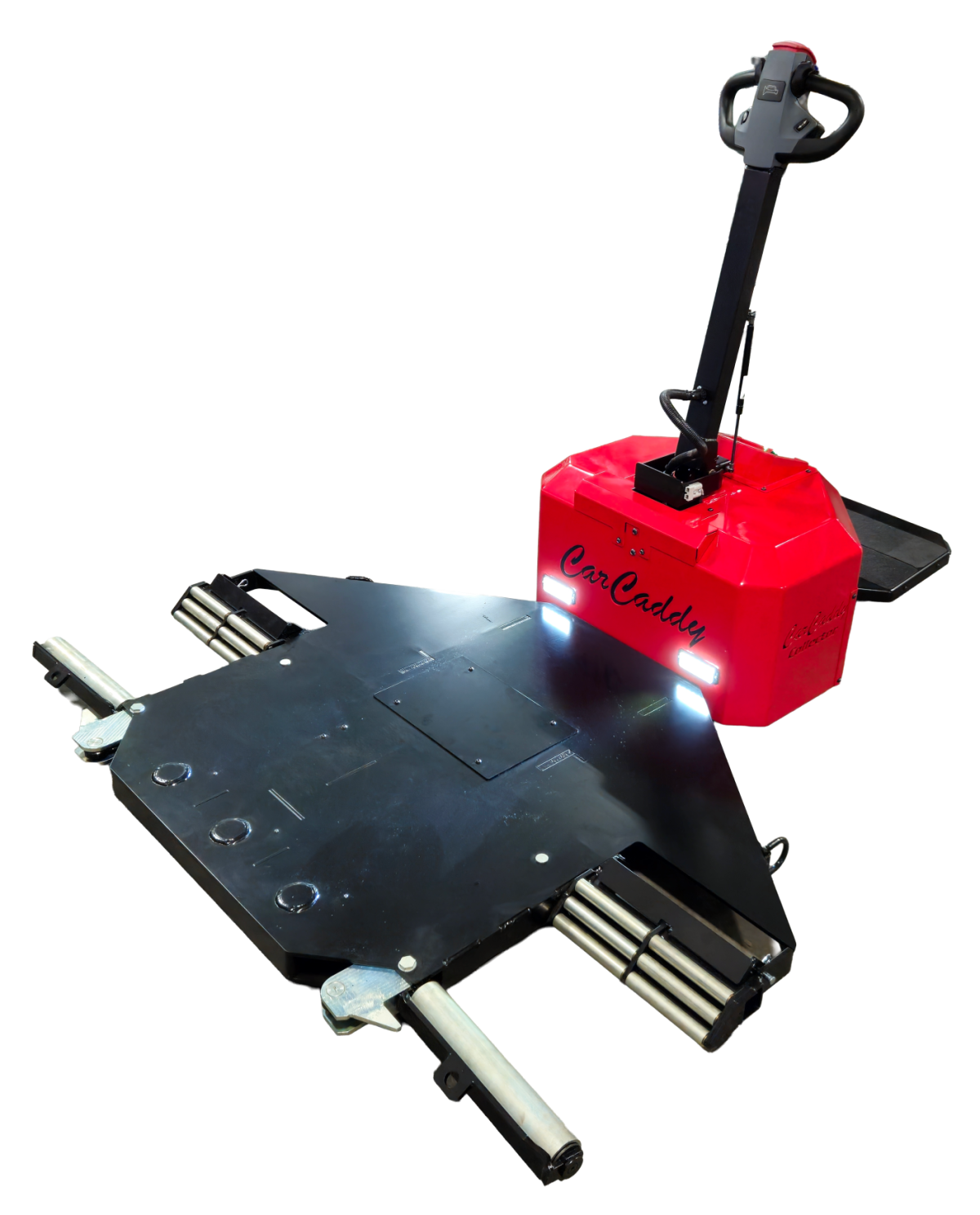
CarCaddy is an American-made electric vehicle mover engineered specifically for environments where precision and protection are non-negotiable. Designed for museums, private collectors, and boutique dealerships, the CarCaddy handles vehicles up to 7,000 lbs with controlled, battery-powered movement—safely, quietly, and without exhaust fumes that could contaminate a closed showroom or storage facility. 

A single operator controls the CarCaddy from an ergonomic ride-on or walk-behind platform, with a variable roller arm system that adjusts for loading and unloading of almost any vehicle. The non-marking drive wheels and crown caster wheels ensure no contact marks are left on delicate flooring—an important detail in facilities housing multi-million dollar collections. 

Unlike competitors such as Stringo or Power Pusher, the CarCaddy is built with a low-profile design that works in tight showroom configurations without requiring costly facility modifications or a large operational footprint. The 36V three-battery drive system delivers smooth, adjustable acceleration and neutral throttle braking—meaning the operator stays in complete control, even when maneuvering a historically significant vehicle in a confined space. 

For facilities where repositioning happens regularly, this isn’t a luxury. It’s the right way to operate. 

The Standard You Set Reflects the Collection You Keep 

A $53 million collection doesn’t stay valuable by accident. It stays valuable because every decision—every restoration, every storage arrangement, every repositioning—is made with the long-term integrity of the vehicle in mind. 

Automotive museums and private curators who operate at this level understand that the tools you use to move vehicles reflect the standard of care you bring to everything else. A manual push is a judgment call made under pressure. An electric car pusher is a system built for precision. 

The difference between the two shows up not in the moments where nothing goes wrong—but in the moments where it almost does. 

Ready to Protect What You’ve Built?

At CarCaddy, we work with museum managers, private collectors, and dealership operators who take vehicle safety seriously. Our team of product engineers understands the unique challenges of moving rare, dead-battery, or structurally sensitive vehicles through tight spaces—and we’re ready to help you find the right configuration for your facility. 

Visit carcaddyvehiclepuller.com to review the full specifications for the CarCaddy Collector’s Edition. Then complete the contact form to connect directly with one of our product engineers. We’ll walk you through the options, answer your questions, and make sure you have the right vehicle mover for the collection you’ve worked hard to build. 
Preserving History: Why Museums Trust the CarCaddy

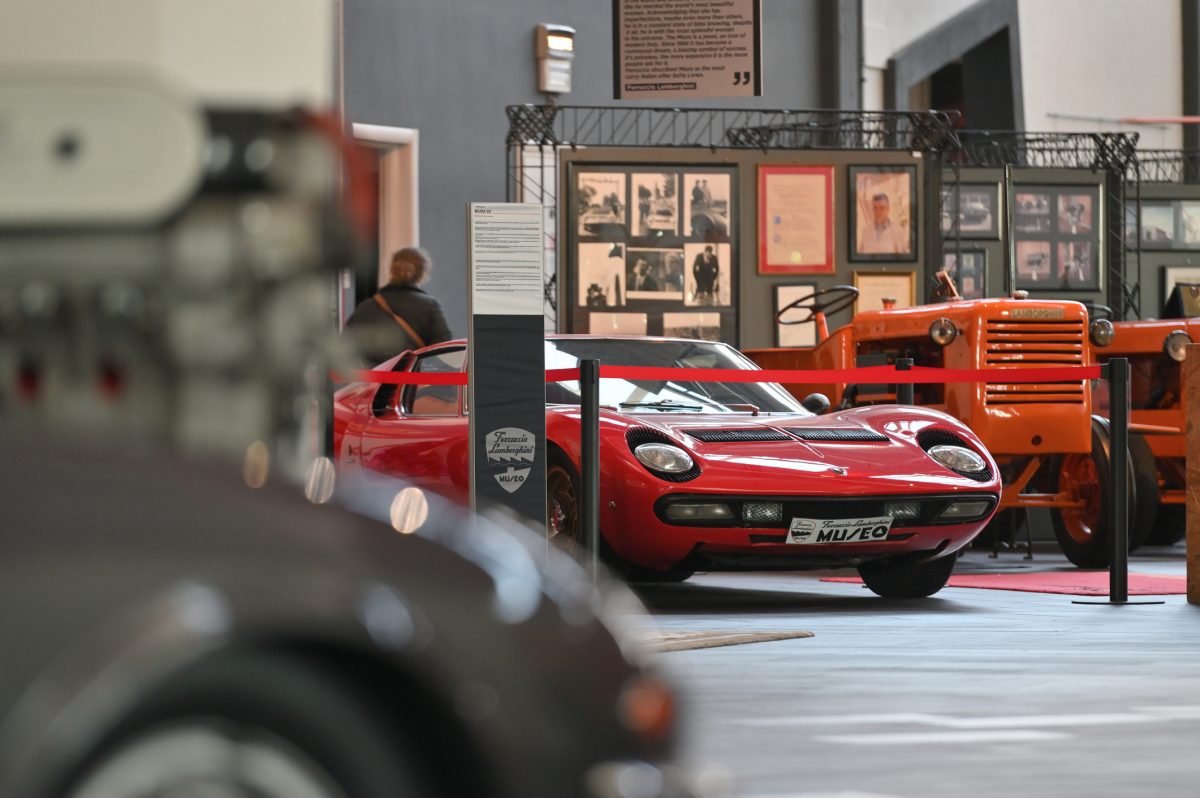
Ask any museum curator about their job, and you’ll hear a familiar mix of pride and pressure. They aren’t just dusting display cases. They’re the guardians of history—and when that history happens to be a 1962 Ferrari 250 GTO or a one-of-a-kind concept car from the 1930s, the stakes climb into the millions. 

Caring for rare, vintage, and historically significant automobiles is a privilege. It’s also a daily test of patience, planning, and precision. These vehicles weren’t built to last forever, yet curators are tasked with keeping them pristine for generations to come. Every decision matters, from climate control to lighting to the gentle hands that touch the paint. 

And then there’s the part nobody warns you about: actually moving the cars. It sounds simple. It’s anything but. 

The Hidden Risk in Moving Priceless Cars 

Picture a packed exhibit hall. Display pedestals everywhere. Velvet ropes. Glass cases just inches from priceless fenders. Now imagine you need to shift a multimillion-dollar automobile three feet to the left for a new exhibit layout. How do you do it without putting the car—or your staff—at risk? 

Curators face two bad options, and both come with real consequences. 

Option one: start the engine.

It seems logical. The car has a motor, so why not use it? Because firing up a rare, decades-old engine just to roll a few feet causes genuine harm. Old seals dry out. Fuel systems gum up. Fragile components wear down with every unnecessary ignition. You’re trading long-term preservation for short-term convenience—a terrible deal when the engine itself is part of what makes the car valuable. Many of these vehicles haven’t run in years, and for good reason. 

Option two: push it by hand.

This is where things get dangerous. Manual pushing invites human error in the worst possible setting. One slip, one misjudged angle, and you’ve got a dented panel, a scratched bumper, or a car that’s rolled into a display stand. Then there’s the human cost. Pushing a 4,000-pound vehicle strains backs, pulls muscles, and turns a routine task into an injury report. 

Neither choice protects what matters most. Curators deserve a third option—one built for delicacy, not damage. 

A Smarter Way to Move Multimillion-Dollar Vehicles 

That’s exactly why the CarCaddy exists. It’s an electric vehicle mover designed for high-value environments where mistakes simply aren’t an option. 

Here’s what sets it apart. The CarCaddy pulls vehicles up to 7,000 pounds easily, safely, and efficiently—without ever touching the engine. No ignition, no wear, no fumes. The car stays exactly as it should: silent, preserved, and protected. For a museum, that peace of mind is worth its weight in gold. 

Size is where the CarCaddy really shines. Its low-profile, compact design lets staff maneuver expensive vehicles around tight corners and snug display pedestals with confidence. You’re not wrestling with a bulky industrial machine meant for a factory floor. You’re working with a tool that respects the space—and the cars—around it. 

A few features make it especially well-suited to museum work: 

• 7,000 lb. pulling capacity for handling everything from lightweight classics to heavier vintage models 

• 36V electric drive system with a non-marking drive wheel, so your floors stay flawless 

• Variable adjustable arms that load and unload almost any vehicle with ease 

• Zero emissions, keeping the air clean around irreplaceable collections 

• Smooth 0–3 mph forward and reverse control for slow, deliberate movements in tight quarters 

• Non-marking crown caster wheels that won’t leave a trace on polished gallery floors 

There’s also the matter of looks, which collectors and curators appreciate more than most. The Collector’s Edition comes in standard Ferrari Red, with options like Matte Black and Gold, Baby Blue, Silver, and more. It’s a piece of equipment that earns its place beside the cars it serves. As the team behind it puts it, “Let us know if we need to match a certain vehicle or collection and we will do it!” 

Built in America and backed by a technical service team that ships parts the same day, the CarCaddy is ready to work when work needs doing. That reliability counts when you’re responsible for the irreplaceable. 

Why Compact Design Beats Heavy-Duty Muscle

It’s tempting to assume bigger means better when it comes to moving vehicles. In a museum, the opposite is true. Heavy-duty industrial movers are built for brute force—useful on a loading dock, risky around a glass display case. 

Preservation calls for finesse. The cars in your care are delicate, valuable, and often one of a kind. They need a tool that moves them with the same care a conservator brings to a centuries-old painting. The CarCaddy’s strength is its control. It does the heavy lifting while your staff stays in command, gliding a priceless vehicle into place without strain, fumes, or fear of a costly mistake. 

That’s the difference between moving cars and protecting them. 

Upgrade Your Preservation Toolkit

Museum directors invest heavily in keeping their collections safe—climate systems, security, lighting, and expert staff. Yet one of the most common risks to a vehicle happens in the simple act of moving it. The right equipment closes that gap. 

If your team is still starting engines or pushing priceless automobiles by hand, it’s time for a better approach. The CarCaddy gives you a way to move your collection with the care it deserves, protecting both your vehicles and the people who look after them. 

Your cars have already stood the test of time. Give them a mover built to keep it that way. Visit the CarCaddy website to learn more, explore color options, and find the right fit for your collection. 

Stop Pushing Your Luck: Securing Your Private Auto Collection

High-value private auto collections require immense investments of time, money, and passion. Every vehicle represents a distinct piece of automotive history, carefully preserved and maintained to retain its beauty and value. Building a private gallery of rare automobiles is a massive achievement, but managing that gallery introduces a unique set of logistical challenges.

Vehicles frequently need to be moved for cleaning, routine maintenance, or display reorganization. Every time a car transitions from a stationary position to being in motion, a specific “risk window” opens up. During this window, the vehicle is vulnerable to environmental hazards, human error, and mechanical failures.

Relying on physical manpower to push these heavy, irreplaceable assets exposes both your staff and your collection to unnecessary dangers. We have seen firsthand how quickly a routine maneuver can result in property damage or personal injury. This guide explains why transitioning away from manual labor and utilizing a dedicated car pushing machine is the most responsible choice for safeguarding your automotive investments.

Where Things Go Wrong with Manual Pushing

Moving a classic car by hand introduces a dangerous variable into your gallery management operations. We call this “The X Factor.” It refers to the sheer unpredictability of manual pushing. Even with a highly trained team, human strength and coordination have limits, and gravity is unforgiving.

When you manually push a vehicle, you are relying entirely on the physical exertion of your staff and the mechanical integrity of a car that may not have been driven in months or years. This combination frequently leads to hazardous situations.

Here are a few common scenarios where manual pushing leads to disaster:

  • Uncontrolled Momentum: A team of people might successfully get a heavy classic car rolling, but stopping it is entirely different. Even a slight, almost imperceptible grade in your garage floor can cause a vehicle to gain dangerous momentum.
  • Personal Injury: When multiple people surround a moving vehicle, the risk of physical injury skyrockets. A slight misstep can result in a foot getting caught under a rolling tire, or a worker straining their back trying to halt a 4,000-pound piece of metal.
  • Mechanical Unpredictability: Relying on the car’s original equipment to stop the vehicle safely is a massive gamble. Sticking brakes, locked steering columns, or flat spots on tires can cause the car to veer suddenly into a wall or, worse, into another priceless vehicle.

Control is Safety: The Power of Positive Control

The most effective way to eliminate “The X Factor” is to adopt a system that provides absolute positive control over the vehicle’s movement. A high-quality car pushing machine delivers exactly this.

Positive control means that the equipment dictates the speed, direction, and braking of the vehicle at all times. Instead of relying on human muscle and coordination to guide a heavy automobile, the machine handles the physical burden securely and predictably.

Consider the braking systems on vintage vehicles. A 40-year-old master cylinder is often unreliable, especially if the car sits idle for long periods. Seals dry out, fluid degrades, and pressure drops. When a team is pushing a car toward a tight parking spot, realizing the vehicle’s brakes have failed is a terrifying and costly moment.

A car pushing machine eliminates this risk entirely. The machine itself is doing the braking and the steering. It features an integrated, heavy-duty braking system that stops the vehicle exactly when and where you need it to stop, regardless of the condition of the car’s internal mechanics. Furthermore, these machines allow a single operator to move a vehicle smoothly, providing a clear line of sight and removing the chaotic communication required when a large group of people tries to steer a car by hand.

The True Cost of a “Whoops”

Operating a private collection means understanding the value of your assets. You invest heavily in climate control, security systems, and insurance premiums to protect your vehicles. Yet, choosing to save a little money by manually moving cars leaves a gaping hole in your risk management strategy.

The financial reality is that the cost of a single mistake far exceeds the cost of purchasing the proper equipment. A simple dent, a scraped bumper, or a cracked taillight on a rare vehicle can cost thousands of dollars to repair. In many cases, replacement parts for vintage or limited-production automobiles are completely unavailable, meaning custom fabrication is your only option.

Beyond the immediate repair costs, any damage to a classic car diminishes its historical integrity and overall market value. Even perfectly executed bodywork leaves a record of damage. A reliable car pushing machine effectively pays for itself the moment it prevents just one minor mishap. It is an investment in loss prevention that yields immediate peace of mind.

Protect Your Automotive Legacy Today

Managing a private auto collection should bring you joy and pride, not anxiety every time a vehicle needs to be repositioned. By upgrading your operational protocols and integrating professional-grade equipment, you protect your staff from injury and your vehicles from costly damage.

Do not leave the safety of your investment to chance and gravity. Your collection deserves the highest standard of care, and your peace of mind is worth the investment. Reach out to our team today for a quote on the most reliable car pushing machine for your private gallery, and keep your automotive legacy pristine for years to come.

Meet the American-Made Electric Vehicle Mover

For any serious car enthusiast, the vehicle itself is the masterpiece. Whether it’s a pristine 1960s Mustang, a rare European import, or a modern supercar, the focus is always on the curves, the engine, and the history. But there is a less glamorous, often overlooked aspect of collecting: the logistics of moving these prized possessions.

Moving a high-value vehicle within a showroom, museum, or private garage can be nerve-wracking. Starting a cold engine for a ten-foot move isn’t ideal, and pushing it manually risks injury to yourself or accidental damage to the car’s bodywork. This is where the American-made CarCaddy Collector’s Edition comes in. It is a specialized electric vehicle mover designed not just to move cars, but to do so with the precision and care that a high-end collection demands.

This guide explores the features, design, and benefits of the CarCaddy Collector’s Edition, breaking down why it has become the go-to solution for museums and private collectors across the country.

What is the CarCaddy Vehicle Puller?

At its core, the CarCaddy is an electric vehicle mover designed to pull cars, trucks, and vans safely and efficiently. It eliminates the physical strain of manually pushing heavy vehicles and removes the need to start the engine for short transport trips—a crucial benefit for vintage cars where cold starts can cause unnecessary wear.

The CarCaddy operates by engaging two wheels of the vehicle (usually the front or rear tires), lifting them slightly off the ground via a hydraulic roller ramp system, and then towing the vehicle to its destination. This method ensures that the vehicle is moved securely without touching the bumpers or body panels, preserving the pristine condition of the paint and structure.

While the standard commercial versions of the CarCaddy are workhorses in busy automotive repair shops and assembly lines, the Collector’s Edition is a refined iteration built specifically for the unique needs of the preservation and display market.

Standard Features: Built for Precision

The Collector’s Edition isn’t just a pretty face; under the hood, it boasts robust engineering designed to handle valuable inventory with care. Here is a breakdown of the standard features that set this machine apart.

Performance and Power

The unit is powered by a 36VDC drive system, capable of moving vehicles up to 7,000 lbs with a front axle weight limit of 3,000 lbs. This capacity covers the vast majority of classic cars, sports cars, and even many luxury SUVs.

Speed control is critical when maneuvering tight spaces in a crowded garage. The CarCaddy features a high-tech speed controller allowing for smooth transitions from 0 to 3 mph, in both forward and reverse. The adjustable acceleration and braking ensure there are no jerky movements that could unsettle the vehicle being towed.

Safety and Control

Safety is paramount when moving a six-figure asset. The Collector’s Edition comes equipped with neutral throttle braking, meaning the unit automatically slows down when you let off the throttle. It also includes a safety stop switch for immediate emergency shutdowns.

Navigation is made easy with Wagon Wheel steering and a non-marking drive wheel, which provides excellent traction without scuffing polished showroom floors. The non-marking crown caster wheels further ensure smooth movement across various indoor surfaces.

Operational Comfort

Moving cars shouldn’t be back-breaking work. The unit features a shock-assisted ride-on platform, allowing the operator to ride along with the mover rather than walking behind it, reducing fatigue during longer moves. The angled control panel is ergonomically designed for easy access to all switches and dials, including the battery charge indicator.

Customization: Optional Features to Suit Your Needs

Every collection is different, and the CarCaddy offers optional upgrades to tailor the equipment to specific requirements.

  • Wheel Bonnets: For added security, especially on inclines or uneven surfaces, optional wheel bonnets with swivel hooks and ratchets are available to strap the vehicle’s tires firmly to the CarCaddy.
  • AGM Batteries: While the standard 36v system is robust, users can upgrade to AGM (Absorbent Glass Mat) batteries. These are maintenance-free and generally offer better performance and longevity.
  • AWD Dolly Kit: For vehicles that cannot be towed with two wheels on the ground (such as certain AWD drivetrains), a dolly kit can be added to lift all four wheels, ensuring the vehicle’s transmission remains protected during transport.

A Spectrum of Colors

While the standard unit comes in a striking Ferrari Red, aesthetics matter in a showroom environment. The Collector’s Edition can be customized in several additional colors to match your branding or personal taste, including:

  • Baby Blue
  • Matte Black + Gold
  • Pink
  • Silver
  • White
  • Or Match Your Car!

Who is the Collector’s Edition For?

The standard CarCaddy is built for high-volume, rough-and-tumble environments like manufacturing plants. The Collector’s Edition, however, targets a different demographic. It is engineered for environments where moves are fewer, shorter, and require a higher degree of finesse.

Museums and Private Collections

In a museum, space is often tight, and vehicles are parked inches from one another. The precise control of our electric vehicle mover allows curators to rearrange displays without risking door dings or bumper scratches.

Classic Consignment Shops

For high-end dealerships and consignment shops, presentation is everything. Using a sleek, professional electric mover to bring a car onto the sales floor looks far more professional than having three employees pushing a car manually, potentially leaving handprints on the hood.

Aesthetics and Design

The “Collector’s Edition” moniker refers to more than just its function; it refers to its form. This unit is designed to look at home next to a vintage Porsche or a modern McLaren.

The low-profile design is not just for looks—it improves visibility for the operator, allowing them to see exactly where the corners of the towed vehicle are relative to obstacles. The variable adjustable arms allow for the loading and unloading of almost any vehicle width, from narrow vintage roadsters to wide-body supercars.

Visibility is further enhanced by Hi-Beam Headlights, which make “grab and go” operations easy, even in dimly lit storage corners. Furthermore, the lighted rider platform is versatile; it can flip up for walk-behind operation in extremely tight spaces or flip down for a comfortable ride-on experience.

Benefits and Advantages

Investing in a CarCaddy Collector’s Edition offers three primary returns on investment:

  1. Safety: It protects staff from back injuries associated with pushing heavy machinery and protects the vehicles from accidental collision damage.
  2. Efficiency: One person can move a car that would normally require two or three people. This frees up staff to focus on maintenance, detailing, or sales.
  3. Preservation: By eliminating the need to start engines for short moves, you reduce cold-start wear and prevent the buildup of exhaust fumes in enclosed indoor spaces.

Invest in American-Made Quality

The CarCaddy Collector’s Edition combines American manufacturing quality with a design philosophy centered on the specific needs of the car collector. It is sleek, powerful, and precise—a tool that respects the value of the machinery it moves.

If you manage a museum, own a private collection, or run a classic car shop, moving your inventory shouldn’t be a source of stress. Contact us today and upgrade your logistics with an electric vehicle mover that looks as good as the cars you collect.