Optimizing Your New Garage for Your Car Collection

A Blueprint for Perfection

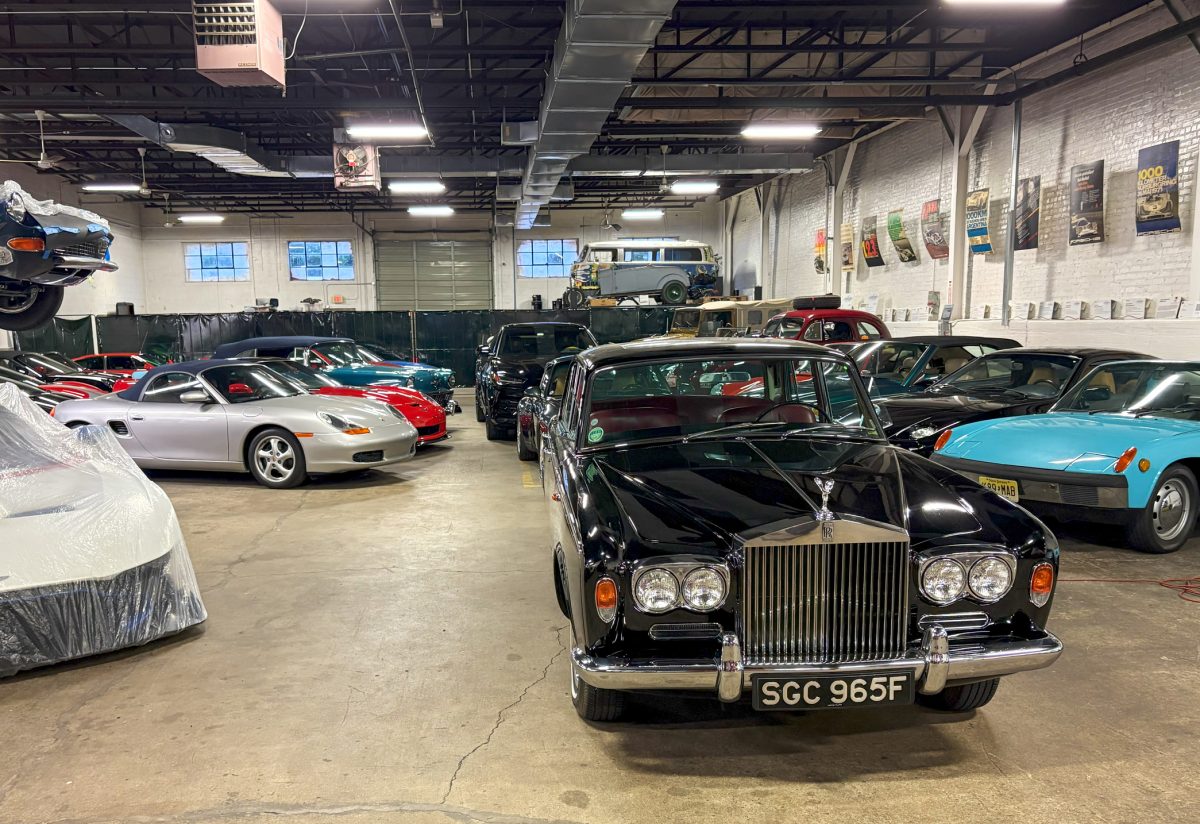
Your car collection is more than just a hobby; it’s a testament to your passion for automotive history, design, and performance. Each vehicle deserves a home that not only protects it but also showcases its beauty. Transforming a standard garage into a collector’s haven is a project that combines practicality with personal style. It’s about creating a space where your prized possessions are secure, preserved, and ready for you to enjoy.

This guide will walk you through the essential steps to create the ultimate garage for your car collection. We will cover everything from foundational work like flooring and lighting to advanced solutions for climate control and space management. Get ready to build the garage your collection deserves.

Laying the Foundation: The Garage Floor

The floor is the literal foundation of your project. A standard concrete slab is often cracked, stained, and uneven—hardly a suitable surface for your automotive treasures. A proper floor is crucial for safety, cleanliness, and aesthetics.

Leveling and Repair

Start by thoroughly cleaning the existing floor and inspecting it for damage. Fill any cracks or divots with a concrete patch or epoxy filler. For significant sloping or unevenness, you may need to apply a self-leveling compound to create a perfectly flat surface. This ensures your cars sit properly and makes moving them around much easier.

Sealing and Coating

Once the surface is repaired and level, the next step is to protect it. An epoxy floor sealer coating is the gold standard for collector garages. It creates a durable, seamless, and chemical-resistant surface that is easy to clean. Epoxy coatings come in a variety of colors and can include decorative flakes to add a personalized, high-end look. A professionally installed epoxy floor will resist hot-tire pickup, oil stains, and moisture, keeping your space pristine for years.

Let There Be Light: Optimizing Garage Lighting

Proper lighting is transformative. It not only makes the space safer and more functional for maintenance work but also dramatically enhances how your cars look. Poor, dim lighting can hide the very details and curves you love about your vehicles.

Aim for bright, even, and color-accurate illumination. LED lighting is the best choice, offering energy efficiency, long life, and excellent light quality. Install a combination of ambient and task lighting.

  • Ambient Lighting: Overhead panel lights or long tube fixtures spaced evenly across the ceiling will eliminate shadows and illuminate the entire garage.
  • Task Lighting: Place focused lights over workbenches and use wall-mounted fixtures to highlight the sides of your vehicles. This is especially useful for detailing and maintenance.

Consider a color rendering index (CRI) of 90 or higher. A high CRI means the light shows colors more accurately, just as they would appear in natural daylight. This ensures the true paint color of your cars always shines through.

The Perfect Environment: Climate Control

Extreme temperatures and humidity are enemies of a car collection. They can wreak havoc on paint, leather, rubber seals, and mechanical components. Installing a climate control system is a non-negotiable step for serious collectors.

A mini-split HVAC system is an excellent option for a garage. These ductless units are efficient and allow you to precisely control both temperature and humidity. Maintain a consistent temperature between 60-75°F (15-24°C) and keep relative humidity below 55%. This stable environment prevents rust, stops leather from cracking, and preserves the integrity of all materials. A well-ventilated space also prevents the buildup of fumes.

Smart Space Utilization and Organization

A cluttered garage is an inefficient and unsafe one. With multiple cars, tools, and supplies, maximizing every square foot is essential.

Vertical Storage and Cabinetry

Get everything you can off the floor. Install high-quality, closed cabinets to store tools, cleaning supplies, and spare parts. This not only organizes your equipment but also protects it from dust and creates a clean, uniform look. Use wall-mounted systems like slatwall or pegboard panels to hang frequently used tools for easy access. Overhead storage racks are perfect for seasonal items like tires or car covers.

Efficient Vehicle Maneuvering

One of the biggest challenges in a multi-car garage is moving vehicles without having to start them or perform a complicated multi-point turn. This is where specialized vehicle mover equipment becomes invaluable.

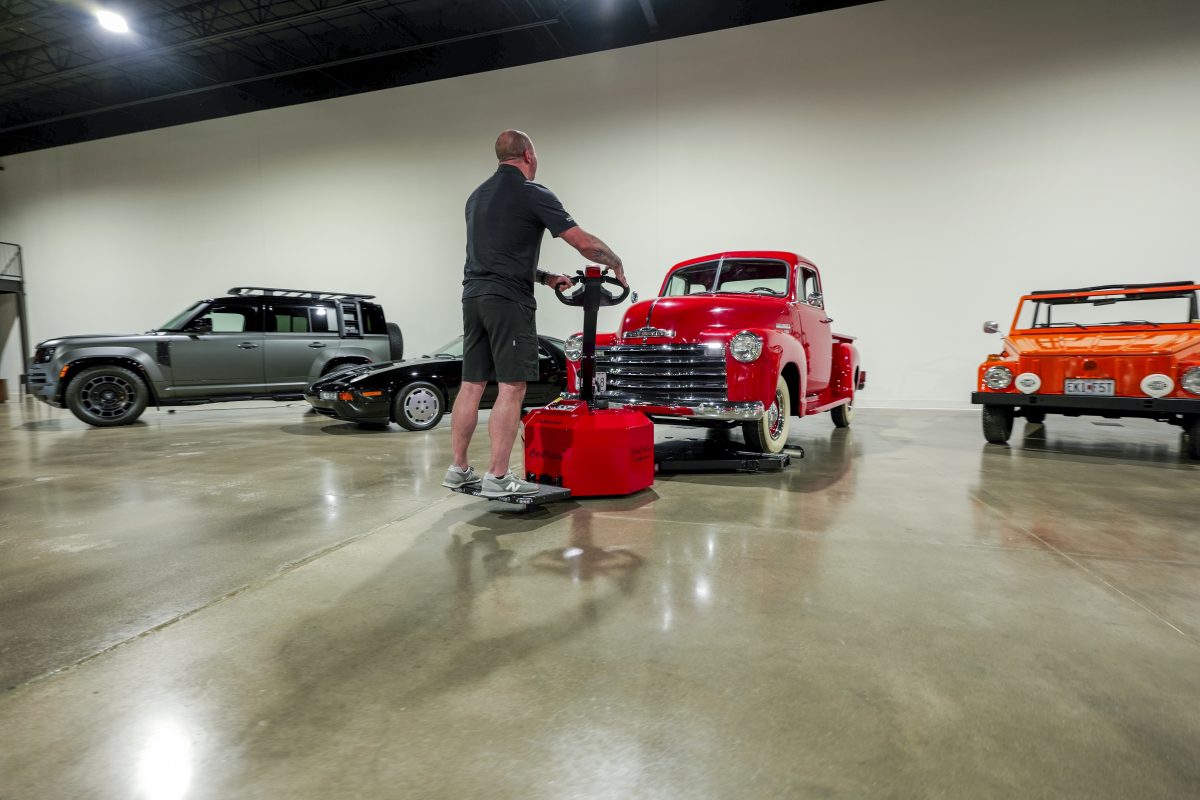
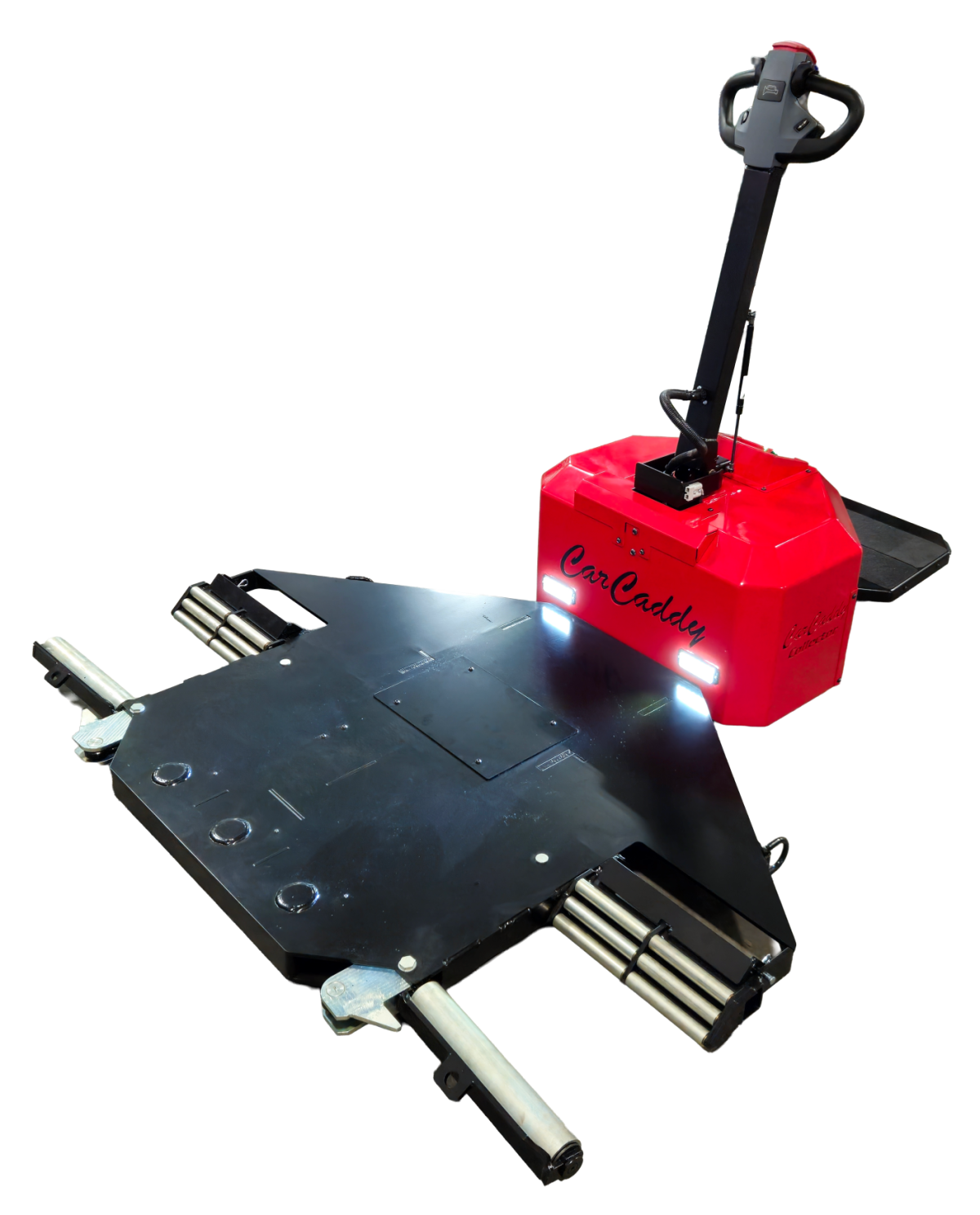
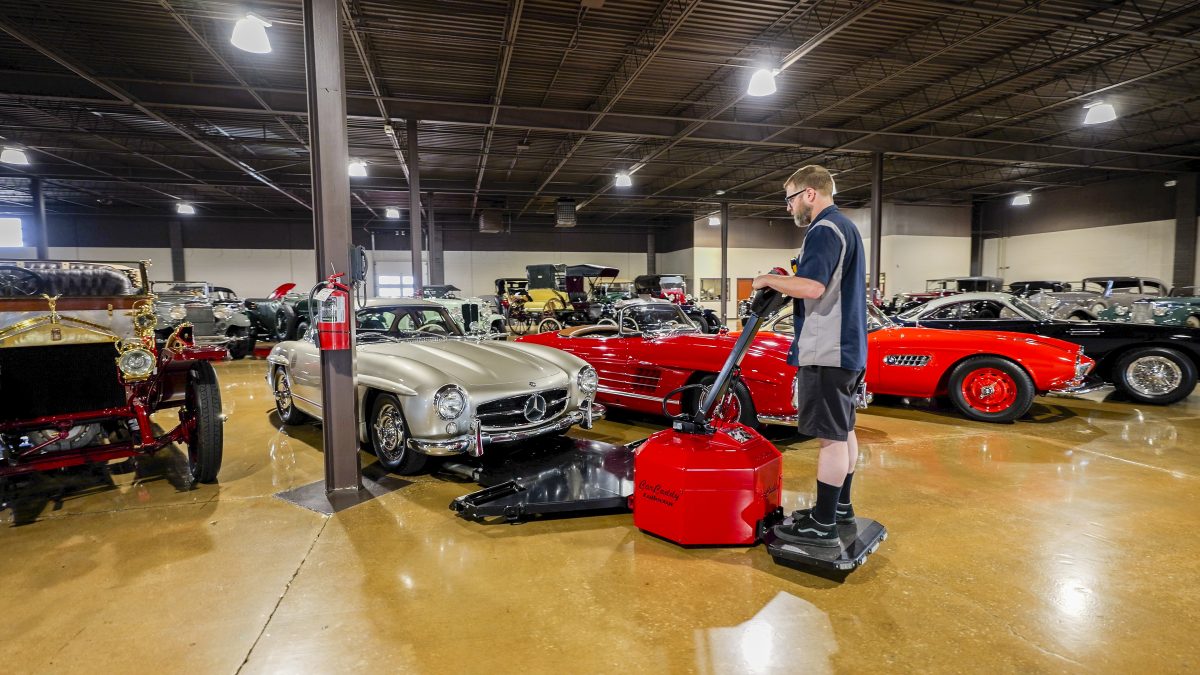
A CarCaddy Vehicle Puller is a game-changer for tight spaces. This electric, walk-behind tool allows a single person to effortlessly move vehicles up to 20,000 pounds. It operates silently and produces zero emissions, making it perfect for indoor use. Instead of starting an engine and filling your pristine garage with exhaust, you can simply attach the puller and guide your car into the perfect position. This makes organizing your display, accessing a car in the back, or positioning a vehicle on a lift simple and safe.

Security: Protecting Your Investment

A collection of valuable cars is a significant investment that requires robust security. A multi-layered security approach will give you peace of mind.

  • Secure Doors and Windows: Reinforce your main garage door and any entry points. Install high-quality locks and consider window bars or security film.
  • Alarm System: A monitored alarm system with sensors on all doors and windows is essential. Motion detectors add another layer of protection.
  • Surveillance Cameras: Install high-definition cameras covering both the interior and exterior of your garage. Modern systems allow you to monitor your collection from your smartphone anywhere in the world.

Finishing Touches: Accessories and Aesthetics

With the core elements in place, you can focus on the details that elevate your garage from a storage space to a personal showroom.

  • Workbench: A sturdy workbench with a durable top is essential for any maintenance or tinkering.
  • Lifts: If space and budget allow, a four-post storage lift can double your parking capacity by allowing you to stack cars vertically. A two-post lift is more suited for serious maintenance and repairs.
  • Decor: Personalize the space with automotive art, vintage signs, or framed posters. A comfortable seating area can turn the garage into a social space where you can relax and admire your collection with friends.
  • Maintenance Gear: Invest in a high-quality pressure washer, a wall-mounted vacuum system, and an air compressor to make cleaning and maintenance more convenient.

Conclusion: Building Your Dream Space

Creating the ideal garage for your car collection is a rewarding project that protects your investment and deepens your enjoyment of the automotive hobby. By focusing on a high-quality floor, professional-grade lighting, stable climate control, and smart organization, you build a foundation for success. Tools like the CarCaddy Vehicle Puller solve practical challenges, while thoughtful security and aesthetic touches complete the vision.

Your cars are a source of pride. It’s time they had a home that reflects that. Take these steps, and you will create a functional, beautiful, and secure space that you’ll be proud to call your own personal automotive sanctuary. And don’t forget to contact us and order your CarCaddy Vehicle Puller today!

5 Essential Tips for Maintaining Your Classic Car Collection

Owning a classic car is more than a hobby; it’s a passion. It’s the thrill of turning the key in a machine from a different era, the smell of aged leather, and the rumble of an engine that tells a story. Each vehicle is a rolling piece of history, a testament to design and engineering from a bygone time. But with this great joy comes a significant responsibility. Unlike modern cars, classics require a special kind of attention and meticulous care to keep them in pristine condition.

The challenges are unique. Parts can be scarce, the technology is less forgiving, and the effects of time are a constant battle. However, preserving these automotive treasures is a rewarding journey. This guide will walk you through five essential tips for maintaining your classic car collection, ensuring each vehicle remains a source of pride and joy for years to come. We’ll cover everything from routine checks to smart garage organization.

1. The Foundation: Regular Inspections and Fluid Checks

The most fundamental rule of classic car ownership is consistency. These machines weren’t designed to sit idle for months on end. Regular inspections are your first line of defense against the slow creep of decay. Make it a habit to check your cars at least once a month, even if you don’t plan on driving them.

Start with a visual inspection. Look for any signs of leaks under the car, check for cracks in hoses and belts, and examine the tires for flat spots or pressure loss. Pay close attention to the fluids. Classic cars can be particular about their oil, coolant, and brake fluid. Unlike modern synthetic oils, many older engines require conventional oils with specific additives, like zinc, to prevent premature wear on camshafts and lifters. Always use fluids that meet the original manufacturer’s specifications.

2. Protect Your Investment: Climate-Controlled Storage

One of the biggest enemies of a classic car is the environment. Extreme temperatures, humidity, and direct sunlight can wreak havoc on paint, rubber, upholstery, and metal. The ideal storage solution is a climate-controlled garage that maintains a consistent temperature and low humidity. This prevents moisture from settling on metal surfaces, which leads to rust, and it stops rubber seals and tires from drying out and cracking.

If a fully climate-controlled space isn’t an option, do your best to mitigate the risks. Use a high-quality, breathable car cover to protect the paint from dust and scratches while allowing moisture to escape. Avoid plastic tarps, as they can trap condensation and cause more harm than good. A good dehumidifier can also make a significant difference in a standard garage, helping to keep the air dry and protect your collection from corrosion.

3. The Heart of Authenticity: Sourcing the Right Parts

When a repair is needed, the hunt for parts begins. Maintaining the authenticity of your classic car often means tracking down original or period-correct components. This can be one of the most challenging yet rewarding aspects of the hobby. Using incorrect or poorly made reproduction parts can not only devalue your vehicle but also lead to performance issues or even damage.

Build a network of resources. Join owner’s clubs for your specific makes and models, connect with other collectors online, and identify reputable suppliers who specialize in classic parts. These communities are invaluable for finding rare components and getting advice from experienced enthusiasts. Sometimes, a new old stock (NOS) part isn’t available, and you’ll need to choose a high-quality reproduction. In these cases, research the manufacturer thoroughly and rely on recommendations from your network to ensure you’re getting a part that fits and functions correctly.

4. Keep Them Moving: Exercise is Key

Cars are meant to be driven. While you want to protect your classics from the hazards of the road, letting them sit for too long can cause a host of problems. Seals can dry out, carburetors can get gummed up, and batteries will lose their charge. Taking each car for a gentle drive of at least 15-20 miles once in a while can keep things moving freely.

This “exercise” does several important things. It gets the engine up to operating temperature, which burns off moisture in the crankcase and exhaust system. It circulates all the fluids, lubricates moving parts, and keeps the brakes from seizing. It also helps prevent flat spots from forming on the tires. A short, regular drive is one of the best forms of preventative maintenance you can perform.

5. A Vehicle Puller for Smart Organization in a Crowded Garage

As a collection grows, garage space quickly becomes a premium. Maneuvering vehicles in a tight space is not only frustrating but also risky. A slight miscalculation can lead to a dent or a scratch, turning a simple garage reshuffle into a costly repair. This is where modern innovation can help preserve automotive history.

An excellent tool for this challenge is the CarCaddy Vehicle Puller. This powered device is designed to move vehicles effortlessly and safely, even in the most confined spaces. Instead of starting the engine and carefully backing a car out, you can use the Vehicle Mover to pull or push it with precise control. Its compact design allows it to navigate tight corners, making it easy to reposition cars without the risk of accidental bumps. The CarCaddy is especially useful for moving non-running project cars or simply reorganizing your showroom to make space for a new acquisition. By eliminating the risk of accidental damage during movement, it helps preserve the integrity and value of your collection.

A Legacy of Care

I remember the first time I brought home my own classic—a 1967 Mustang that had been sitting for years. The initial excitement was quickly met with the reality of the work ahead. Every weekend spent turning wrenches, every hour spent searching for a specific piece of chrome trim, was a lesson in patience and dedication. It taught me that these cars are not just possessions; they are legacies we are entrusted to care for.

Maintaining a classic car collection is a labor of love. It requires diligence, knowledge, and a deep appreciation for the art of the automobile. By following these tips—from regular checks and proper storage to smart garage solutions—you are not just maintaining machines. You are preserving a piece of history, ensuring that the stories these beautiful cars tell can be enjoyed by generations to come.

A Guide to Operating Your Vehicle Puller Safely

Moving vehicles in tight spaces like car museums, car auction showrooms, or storage and repair facilities presents unique challenges. Whether it’s a priceless classic car or an expensive supercar, ensuring the safety of both the vehicle and the staff is paramount. Pushing a car by hand or attempting to drive it in tight quarters is not just inefficient; it’s risky. This is where a specialized vehicle mover becomes an indispensable tool.

Using a vehicle puller correctly is essential for preventing accidents and damage. This guide outlines the key safety protocols, training requirements, and maintenance checks necessary for operating these machines. By following these best practices, you can create a safer, more efficient environment for everyone.

Key Safety Precautions for Operation

Safe operation starts with a clear understanding of the equipment and its environment. Before pulling a car, operators must be aware of their surroundings and follow established procedures to minimize risks.

  • Clear the Path: Before moving any vehicle, ensure the intended path is completely clear of obstacles, debris, and personnel. A clean and open pathway prevents unexpected collisions and allows for smooth maneuvering.
  • Know Your Load: Understand the weight and dimensions of the vehicle being moved. Do not exceed the rated capacity of your vehicle mover, as this can lead to equipment failure and loss of control.
  • Maintain a Safe Speed: Operate the vehicle puller at a slow, controlled speed. Abrupt starts, stops, or sharp turns can destabilize the load and create a hazardous situation.
  • Stay Alert: The operator should always face the direction of travel and maintain a clear line of sight. Avoid distractions and remain focused on the task at hand to react quickly to any potential hazards.
  • Use Proper Signals: In busy environments, use clear hand signals or a spotter to communicate with other staff members. This is especially important when navigating blind spots or tight corners.

Essential Training

Although the CarCaddy Vehicle Puller does not require a certification, proper training is the cornerstone of safe vehicle mover operation. A basic understanding of how the vehicle mover operates and its major functions should be a priority for new users.

Elements of a Strong Training Program:

  • Hands-On Instruction: Operators should receive practical, hands-on training from an experienced supervisor. This includes learning how to correctly attach the vehicle puller to a car, maneuver it, and park it safely.
  • Understanding the Equipment: Training must cover the specific features of the vehicle mover being used, including its controls, emergency stop functions, and battery charging procedures.
  • Emergency Procedures: Operators must know what to do in case of an emergency, such as equipment malfunction or an unexpected obstacle. This includes how to safely stop the mover and secure the vehicle.
  • Regular Refresher Courses: Periodic refresher training helps reinforce safety standards and keeps operators updated on any new procedures or equipment features.

Regular Inspection and Maintenance

A well-maintained vehicle mover is a safe vehicle mover. Routine inspections and a consistent maintenance schedule are critical for identifying potential issues before they become serious safety hazards.

Daily Pre-Operation Checklist:

Before each use, operators should perform a quick inspection. This checklist should include:

  • Brakes: Test the brakes to ensure they are functioning correctly.
  • Controls: Check that all controls, including the emergency stop button, are responsive.
  • Battery: Verify that the battery is adequately charged for the tasks ahead.
  • Tires: Inspect tires for any signs of wear or damage.
  • Connections: Ensure that all connection points are secure and free of defects.

Although the CarCaddy Vehicle Puller is a low maintenance machine,  proactive maintenance program should also be in place for more in-depth service. This helps prolong the life of your equipment and ensures it operates reliably and safely, preventing unexpected downtime and accidents.

Utilizing Vehicle Movers in Challenging Environments

Car museums, private collections, and high-density storage facilities often present challenging environments with limited space. A vehicle mover is specifically designed to excel in these conditions.

In a museum setting, for instance, exhibits are changed frequently. An electric vehicle puller allows staff to rearrange priceless artifacts efficiently and with precision, minimizing risks. Manually pulling a car in such a delicate environment is precarious and can lead to costly damage.

Similarly, car collectors often have vehicles that don’t run. A vehicle mover provides a safe way to relocate these cars without risking injury or damage that can occur from pushing by hand.

Maximizing Space with Vehicle Movers

For car storage facilities, space is money. Using a vehicle puller allows you to position cars much closer together than would be possible if you needed to open a door to get a person inside. Many facilities report fitting up to 20% more vehicles after investing in a CarCaddy Vehicle Puller. This level of optimization allows a single employee to move a car quickly and safely, maximizing both space and operational efficiency.

Promote a Culture of Safety and Efficiency

Implementing a robust safety program for your vehicle movers does more than just prevent accidents. It fosters a culture of professionalism and care that protects your employees, your valuable vehicles, and your bottom line. By prioritizing training, maintenance, and safe operating procedures, you ensure your operations run smoothly and efficiently.

Ready to enhance the safety and efficiency of your facility? Contact us today and order your CarCaddy Vehicle Puller!