The 7 Biggest Challenges Car Restoration Shops Face

Car restoration is more than a business—it’s a passion that keeps automotive history alive. But running a successful restoration shop has never been more challenging. After speaking with shop owners across the country, I’ve identified the top issues plaguing our industry and practical solutions that can help you thrive.

Labor Shortage Crisis

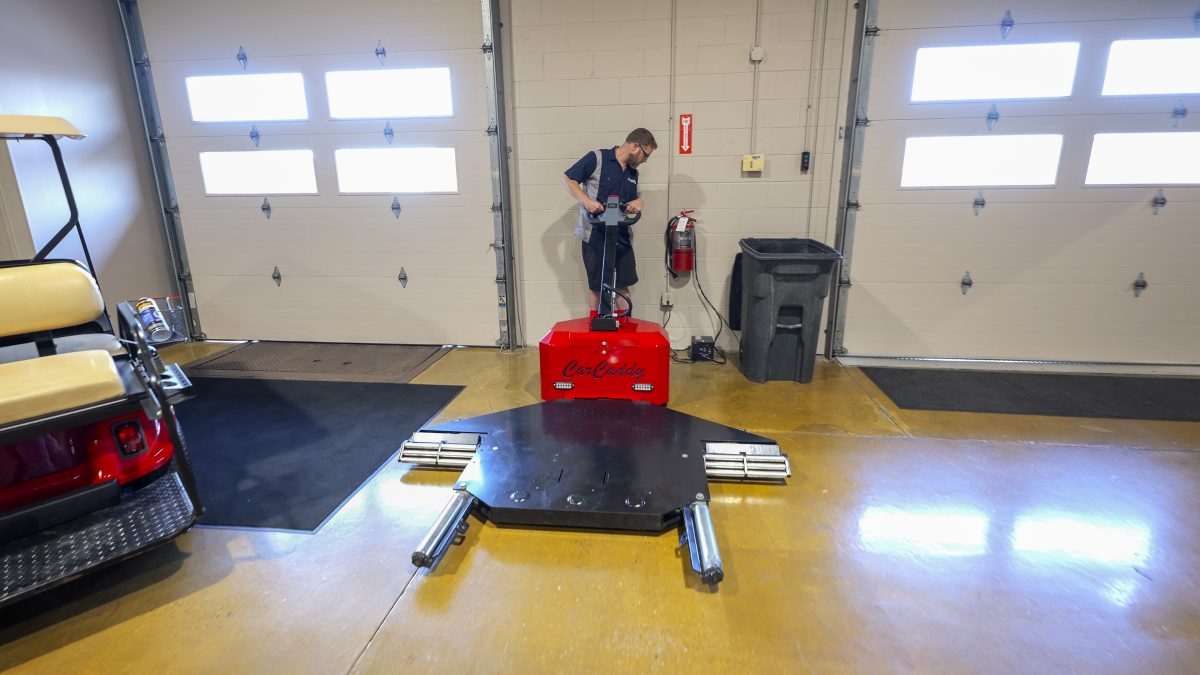
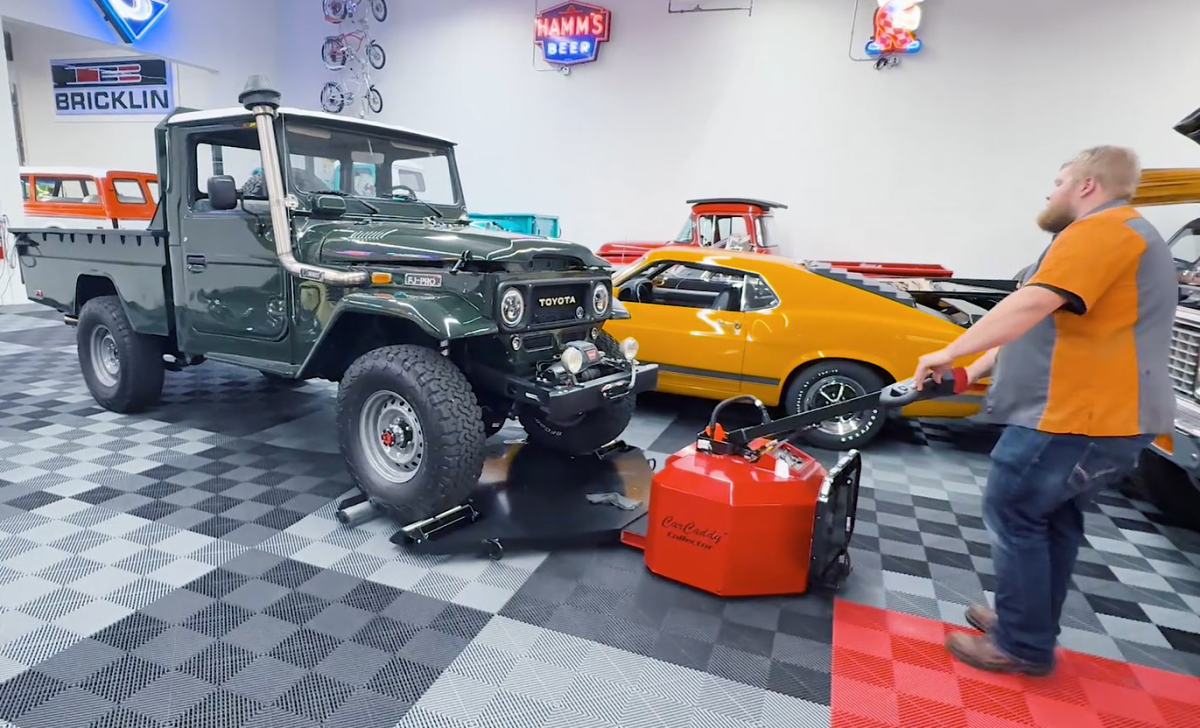
Finding skilled technicians remains the number one challenge. The industry faces a critical shortage of qualified workers who understand both classic automotive systems and modern restoration techniques. The other issue with a shortage of labor appears when it comes to moving and pulling vehicles by hand, which can easily take a few skilled workers away from their projects. By utilizing powered vehicle movers, many shops and vehicle collectors are making short work of vehicle moving all with one person.

What’s working: Focus on aptitude over experience. As Adam Hammer from Hammer and Dolly Automotive Restorations puts it: “Find the right person with aptitude to grow the skills, and we can teach the skill.” Partner with programs like McPherson College’s Automotive Restoration program to identify promising candidates early.

Rising Costs Across the Board

Parts, equipment, and labor costs have skyrocketed. Specialty components that once cost hundreds now run thousands, putting pressure on profit margins and customer relationships.

Strategic approach: Build strong relationships with reliable suppliers and consider bulk purchasing for commonly needed parts. Transparent pricing discussions with customers upfront prevent shock later in the restoration process.

Parts Availability and Quality Issues

Extended backorders have become the norm, not the exception. Even when parts arrive, quality control has declined significantly. Eric Peterson from Leydon Restorations notes: “The quality keeps getting worse. Manufacturers are just looking for the cheapest way, the least expensive supplier.”

Innovative solutions: Some shops are turning to 3D scanning and printing for hard-to-find components. Develop relationships with multiple suppliers and consider investing in in-house fabrication capabilities for critical parts.

Environmental Regulations

New regulations have eliminated many traditional compounds used in restoration work. Paints, solvents, and other materials shops relied on for decades are no longer available, forcing adaptations to less familiar products.

Adaptation strategy: Invest in training for alternative products and processes. While initially challenging, mastering new environmentally compliant materials can become a competitive advantage.

Managing Customer Expectations

The “job creep” phenomenon continues to challenge scheduling. Cars arrive for routine maintenance but reveal extensive hidden issues. Plus, pop culture has created unrealistic expectations about restoration timelines and costs.

Communication is key: Conduct thorough inspections before providing estimates. Set realistic expectations about both timeline and cost from the beginning. Document everything and maintain regular communication throughout the project.

Space Constraints and Vehicle Moving

Limited workspace forces many shops to play “musical cars,” constantly moving vehicles to access others. This inefficiency costs time and risks damage to valuable classics.

The Vehicle Puller Solution: The CarCaddy Vehicle Puller has revolutionized how shops handle vehicle movement. As Doug Melon from Midwest Car Collection explains, this tool eliminates the need for multiple people to move cars safely, allowing one person to reposition vehicles efficiently while reducing risk of damage.

Declining Specialty Services

Traditional specialty shops—radiator repair, brake relining, clock restoration—are disappearing as their owners retire without successors.

Opportunity for entrepreneurs: Consider specializing in these vanishing services. The demand remains strong, and competition is minimal.

Moving Forward

The restoration industry faces real challenges, but adaptable shops are finding ways to succeed. Key strategies include:

  • Investing in training and development for both existing staff and new hires
  • Embracing technology solutions like the CarCaddy Vehicle Puller for operational efficiency
  • Building strong supplier relationships and considering in-house fabrication
  • Maintaining transparent communication with customers about realistic expectations

The passion for preserving automotive history drives this industry. By addressing these challenges head-on with practical solutions, restoration shops can continue their vital work while building sustainable businesses.

For shop owners struggling with space management and vehicle movement, tools like our CarCaddy Vehicle Puller represent the kind of innovative thinking needed to stay competitive in this evolving industry.

Get in contact with one of our sales engineers today and customize your perfect vehicle puller.

The CarCaddy Vehicle Puller: A Vehicle Moving Solution Born from Real Needs

When we created the CarCaddy Vehicle Puller, we weren’t setting out to revolutionize an industry. We were simply trying to solve a problem as we watched priceless vehicles get damaged during manual handling at museums and private collections.

As someone who has spent decades working with car collectors and museum curators, I witnessed too many close calls. Beautiful vintage automobiles being pushed by hand across showroom floors, valuable classics being towed with makeshift equipment, and staff members risking injury while maneuvering heavy vehicles in tight spaces. There had to be a better way.

The Problems That Demanded Innovation

Traditional vehicle handling methods create unnecessary risks that no collector or curator should have to accept. Manual pushing requires multiple staff members and often leads to scratched paint, damaged interiors, or worse. Conventional towing equipment designed for roadside emergencies simply wasn’t built for the precision required in museums and showrooms.

The challenges became even more apparent when working with non-running vehicles. Most cars in collections don’t start regularly—they’re preserved pieces of automotive history. Yet they still need to be moved frequently for exhibitions, storage optimization, and maintenance access.

Space constraints added another layer of complexity. Museums change exhibitions regularly, sometimes bi-weekly. Car storage facilities need to maximize every square foot. Manual handling in these tight spaces increases the risk of accidents and limits how efficiently vehicles can be repositioned.

Innovative Safety Features That Make the Difference

The CarCaddy Vehicle Puller addresses these challenges through carefully engineered safety features. Our powered car mover uses precision control systems that allow a single operator to move vehicles with millimeter accuracy, eliminating the guesswork and physical strain of manual handling.

The electric drive system provides smooth, controlled movement without the emissions or noise of gas-powered alternatives. This matters tremendously in enclosed museum spaces where air quality and noise levels affect both staff comfort and visitor experience.

Speed control technology automatically limits maximum velocity when maneuvering, preventing accidents that can occur when operators lose control during tight turns. The intuitive steering system requires minimal training, allowing staff members to operate the vehicle mover safely from day one.

Real Benefits Beyond Safety

Museum curators consistently tell me they can relocate vehicles 75% faster using our powered car puller compared to manual methods. This efficiency translates directly to reduced labor costs and minimized disruption during exhibition changes.

Private collectors appreciate the space optimization benefits. When you don’t need room for multiple people to push a car, you can store vehicles closer together. Many customers report fitting 20% more vehicles in their existing spaces after implementing our system.

The precision control also protects valuable flooring. Manual pushing and conventional towing often scuff or damage museum-quality floors, requiring costly repairs and refinishing.

Proven Car Moving Solutions in Action

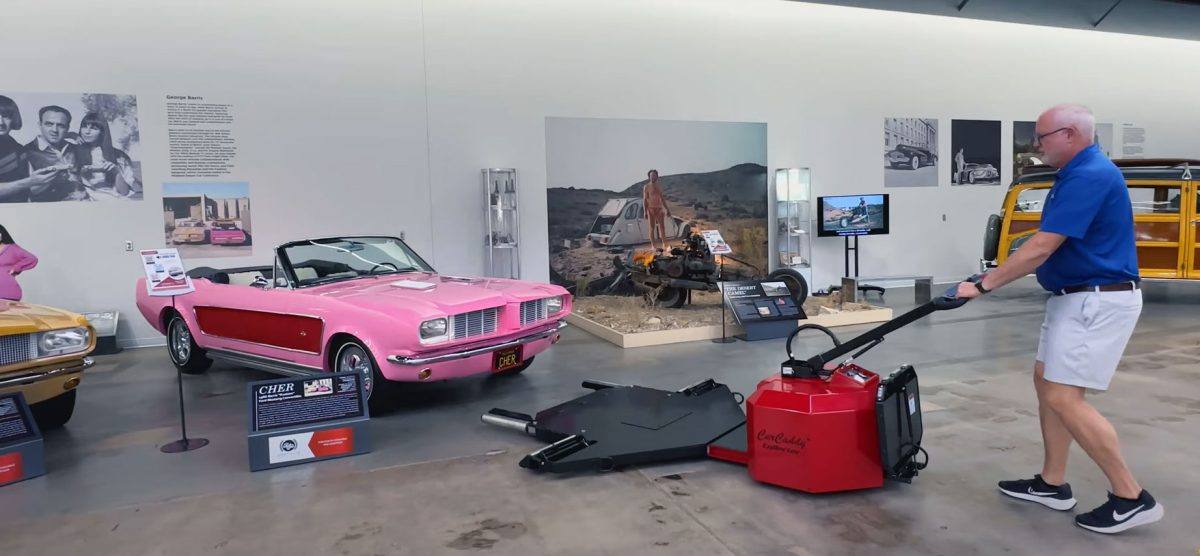
The Midwest Car Collection uses their CarCaddy Vehicle Puller to efficiently manage their rotating displays without disrupting visitor hours. Their staff can now reposition vehicles during brief maintenance windows rather than closing entire sections.

Hyman Ltd, a respected name in classic car sales, relies on their powered car mover to safely showcase inventory without starting engines or risking damage during demonstrations. This capability directly supports their sales process while protecting their investment.

Classic auto repair shops use our vehicle mover to safely position non-running vehicles in work bays, eliminating the physical strain on technicians and reducing the risk of workplace injuries.

Looking Forward

The vehicle handling industry continues to evolve, with increasing emphasis on worker safety and equipment precision. Museums face growing pressure to maximize exhibition space while protecting increasingly valuable collections. Private collectors demand solutions that preserve their investments while providing convenient access.

These trends validate our original vision: creating a powered vehicle pulling solution specifically designed for the unique needs of collectors and museums. We didn’t just adapt existing equipment—we built something purpose-designed for these environments.

Experience the CarCaddy Vehicle Puller Difference

If you’re managing a car collection, operating a museum, or storing vehicles in limited space, the challenges we’ve addressed probably sound familiar. Manual handling shouldn’t put your staff at risk or threaten valuable vehicles.

Our Collector’s Edition represents years of refinement based on real-world feedback from curators, collectors, and restoration professionals. It’s the solution I wish had existed when I first recognized this problem.

Explore the CarCaddy Vehicle Puller: The Collectors Edition and discover how precision engineering can transform your vehicle handling operations while protecting what matters most—your people and your vehicles.

Vehicle Movers: A Guide to Moving a Non-Running Cars

What’s the Best Way to Move a Car That Isn’t Running? 

Moving a non-running car presents unique challenges that classic car collectors, museums, and auction houses face regularly. Whether you’re dealing with a rare 1967 Shelby Cobra or repositioning vehicles in a cramped showroom, the right approach can mean the difference between preserving a priceless asset and causing costly damage. 

At DJ Products, we’ve spent years perfecting vehicle moving solutions for the collector community. Through our work with premier dealers like Hyman Ltd. and countless museums worldwide, we’ve learned that moving non-running cars requires more than just muscle—it demands the right tools, techniques, and understanding of what makes each situation unique. 

Why Can’t You Simply Drive It? 

Non-running vehicles present obvious challenges, but even cars that could potentially start shouldn’t always be driven. Classic and collectible vehicles often have: 

  • Seized engines or transmission problems 
  • Fuel systems that haven’t been serviced in years 
  • Brake systems requiring inspection before operation 
  • Irreplaceable components that shouldn’t be stressed 
  • Insurance restrictions on driving vintage vehicles 

Additionally, tight spaces in showrooms, garages, or exhibition halls make traditional driving impractical, even when the vehicle runs perfectly. 

Method 1: Using Wheel Dollies 

Wheel dollies lift individual wheels slightly off the ground, allowing maneuvering in tight spaces but is often a slow process requiring more than one person. 

Step-by-step process: 

  1. Ensure the vehicle is in neutral with parking brake disengaged 
  2. Position dollies under each wheel, starting with the front 
  3. Use a jack to lift each corner slightly and slide dollies underneath 
  4. Lower the vehicle onto the dollies 
  5. Push or pull the vehicle slowly to its destination 

This is the tried and true old school method but it lacks innovation or the safety of a modern motorized vehicle mover. 

Method 2: Towing with a Tow Strap or Rope 

When space allows, towing offers an efficient solution for longer distances, but can often lead to damage of fragile vehicles. 

Step-by-step process: 

  1. Attach the tow strap to proper anchor points on both vehicles 
  2. Ensure the non-running car is in neutral 
  3. Establish clear communication signals between drivers 
  4. Begin towing slowly, maintaining constant tension on the strap 
  5. Plan stops in advance, as the non-running vehicle lacks power steering and brakes 

Critical safety note: This method requires more than one person to be involved and is the most dangerous. 

Method 3: Hiring a Professional Towing Service 

Professional services become necessary when: 

  • The vehicle must travel on public roads 
  • Distance exceeds facility boundaries  
  • Liability concerns outweigh DIY savings 
  • Specialized equipment like flatbed trucks is required 

Safety Precautions for Classic Vehicle Moving Methods 

Vehicle moving carries inherent risks. Always: 

  • Have multiple people involved—never attempt solo moves 
  • Clear the path completely before beginning 
  • Move slowly and deliberately 
  • Use wheel chocks when stopping on inclines 
  • Maintain constant communication between team members 

The CarCaddy Collectors Edition: A Superior Vehicle Moving Solution 

After years of working with collectors who struggled with traditional methods, we developed the CarCaddy Collector’s Edition—a motorized vehicle mover specifically designed for valuable vehicles. 

Unlike manual dollies or risky towing, our vehicle mover offers: 

  • Precision control: Move vehicles exactly where needed without overshooting 
  • Solo operation: One person can safely and easily relocate a 7,000-pound vehicle 
  • Zero risk starting: Never risk engine damage or fuel system problems 
  • Professional appearance: Designed to look appropriate around million-dollar vehicles 

Hyman Ltd., managing over 200 vehicles in their facility, chose our CarCaddy Vehicle Mover after experiencing the limitations of manual methods. As they noted in their testimonial, the precision and efficiency transformed their daily operations. 

Collectors benefit from the ability to maneuver valuable cars in tight garage spaces without risking damage, while auction houses can efficiently showcase non-running vehicles to potential buyers. Museums particularly appreciate the professional appearance and quiet operation that doesn’t disrupt visitors. 

With specifications including a 7,000-pound capacity, 36VDC drive system, and precision speed control, the CarCaddy handles everything from lightweight sports cars to heavy luxury vehicles. The shock-assisted platform and non-marking wheels protect both vehicle and flooring. 

Making the Right Choice for Your Collection 

The best method depends on your specific situation, but investing in proper equipment pays dividends in safety, efficiency, and peace of mind. Whether you choose wheel dollies for occasional moves or a motorized car mover for regular operations, the key is matching your tool to your needs. 

Don’t let improper moving techniques risk your valuable collection. Contact us for a free consultation to discuss your specific vehicle moving needs, and check out our testimonials page to see how other classic car collectors are using the CarCaddy CE to protect and manage their investments. 

Classic Auto Repair Required a Powered Vehicle Moving Solution

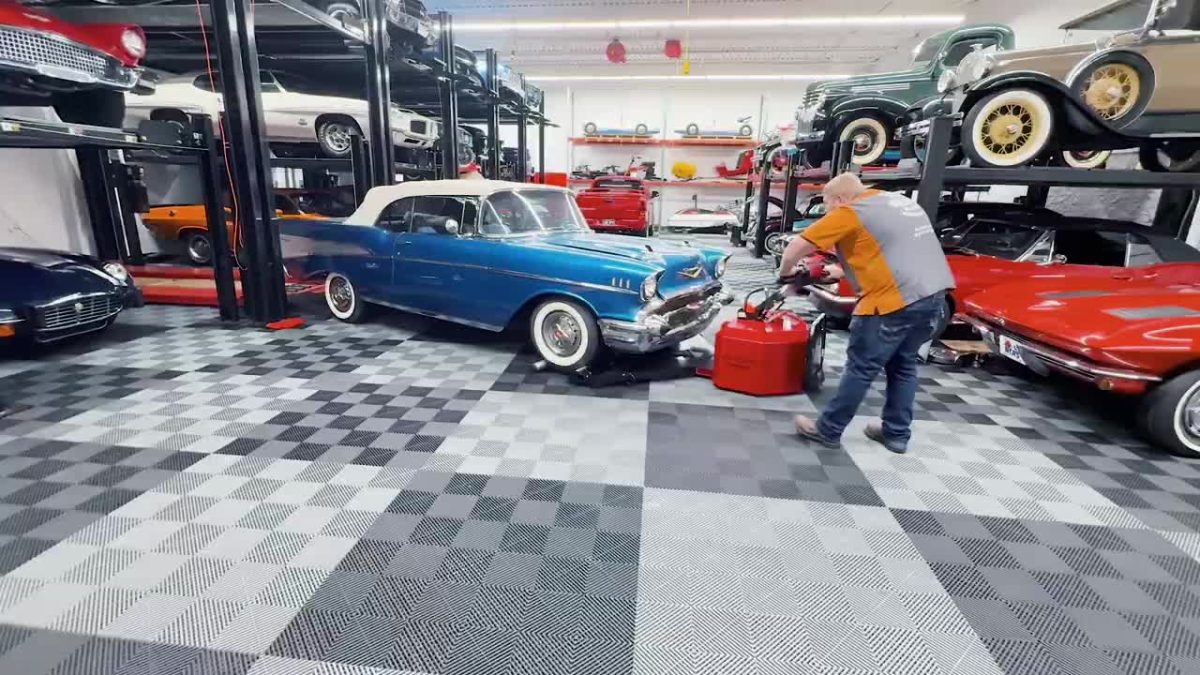
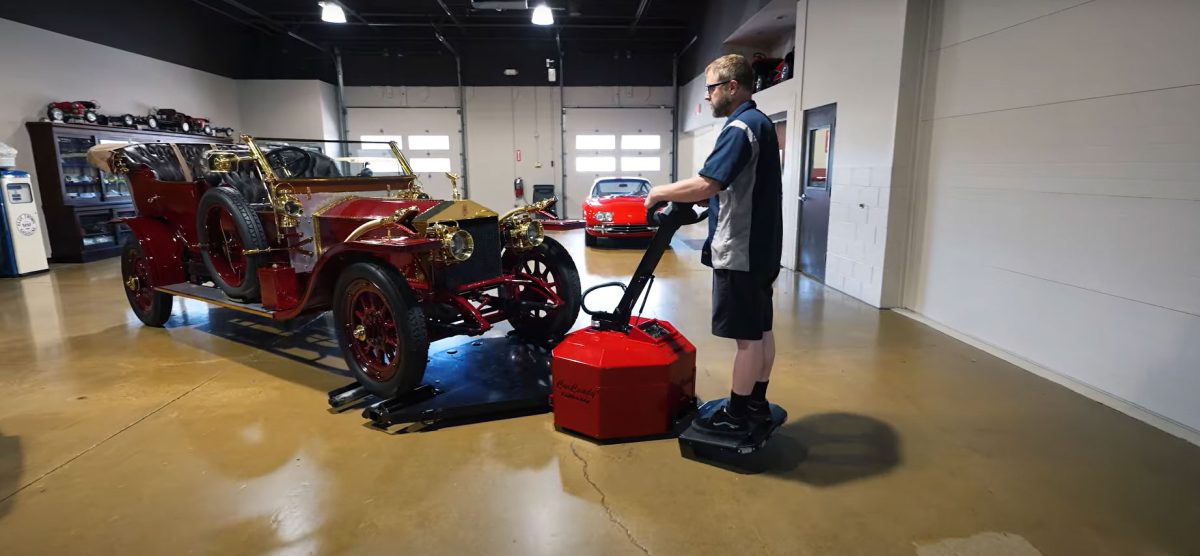
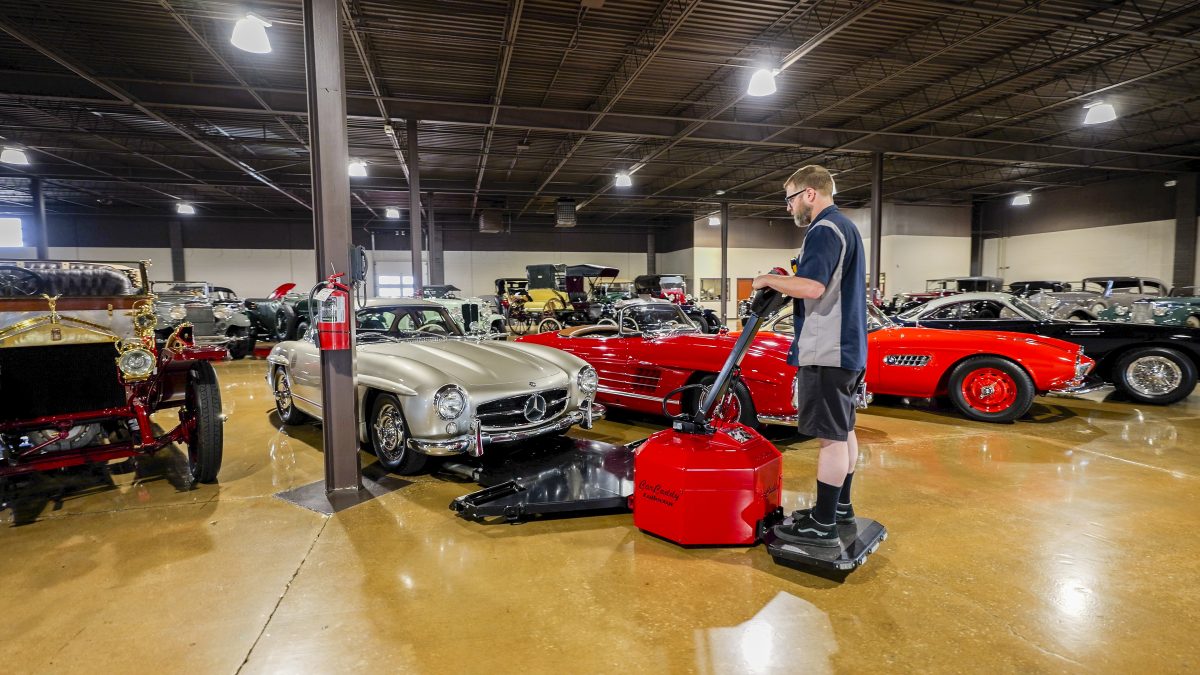
This car collection is nothing short of impressive, every vehicle is a standout, from beautifully restored classics to bold, high-performance machines. It’s clear that every car here has been carefully chosen and maintained with serious pride and attention to detail. Walking through this lineup feels like flipping through the best parts of automotive history, where each turn reveals something even more jaw-dropping than the last.

A big thank you to Bruce and Randy for letting us be a small part of something so well put together. Adding the Vehicle Puller Collector’s Edition to a collection like this means a lot. It’s clear you care about how your vehicles are moved, not just how they look and we’re proud our equipment made the cut.

Midwest Wanted an Affordable Powered Vehicle Mover Upgrade

The Midwest Dream Car Collection began as a private passion for Ward and Brenda Morgan and opened their doors to the public in 2019 as a 501c3 not for profit museum and event center.  Today, they proudly showcase over 65 vehicles that span the full history of the automobile—from an 1886 Benz Patent Motorwagen to modern marvels of automobile engineering.

As the most prestigious car collection in the region, Midwest Dream Collection has something for everyone—rare finds, historical gems, exotics, and timeless classics. Thanks to their active loaner network, exhibits rotate regularly, ensuring there’s always something new to discover. Their always exploring new and exciting ways to share their love of cars with the Manhattan, Kansas community and greater Midwest region.

The Midwest Dream Car Collection contacted DJ Products Inc. looking for a vehicle mover worthy of fine automobiles such as their 1948 Tucker or Cher’s custom made 1966 Ford Mustang convertible. The CarCaddy Vehicle Puller was the perfect powered vehicle mover for their museum. As a long-time user of a CarCaddy Vehicle Puller, once DJP’s Collectors Editions was finished, with all its upgrades to better handle various sized drive tires, so commonly seen with older vehicles,  realized that it was a better fit for MDCC’s collection.  Please watch the video of the CCVP Collector’s Edition in use:

Hyman Needed a Vehicle Moving Solution

“We love cars! Everyone at Hyman Ltd. is passionate about what they do.” Says Mark Hyman, owner and founder of Hyman Limited, one the premier multisegmented Car Collector and Consignment companies in the world.

Hyman Ltd. was created in 1989 because of Mark Hyman’s interest in antique, classic and special interest automobiles. Beginning in a small, rented garage of approximately 4,000 sq ft., the business quickly grew their current location — a beautiful two facility compound consisting of 67,000 sq ft. located near the St. Louis International Airport that houses their sales department, restoration, repair facility, showroom, and administrative offices.

At Hyman Ltd., they search the world to seek out and acquire rare and unusual cars of exceptional quality. Their clientele consists of collectors, museums, and enthusiasts throughout the world who come to them for assistance in buying, selling, and in refining their collections while shopping their extensive inventory exceeding over 200 vehicles.

With an operation at this scale Hyman knew they needed a vehicle moving solution other than towing or manually moving on wheeled car dollies. Hyman discovered the CarCaddy and realized the answer to their problem was a motorized vehicle mover.

Hyman, one of our DJProducts Inc. first CarCaddy Vehicle Puller customers, called us after receiving and using our CarCaddyVP, “Great product, but we have identified a few technical improvements… can you make it more aesthetically appealing to our premium car buyers? ”. After 3 years of refining the details, we finally delivered a finished product called the CarCaddy Vehicle Puller Collector’s Edition. See our premier vehicle mover in action in the following video:

Add Your Heading Text Here

Add Your Heading Text Here

Add Your Heading Text Here