The Hidden Cost of Manual Pushing: Protecting Your Most Valuable Asset—Your Team

Boutique dealerships, classic car museums, and private collectors know the value of every vehicle in their care is more than monetary—it represents a history, an image, and a reputation. Preserving that value means more than climate control and routine detailing; it means smart, safe day-to-day handling practices that safeguard both your vehicles and your people.

One of the most overlooked risks is manual vehicle pushing. When a battery is flat or a showpiece needs repositioning, it’s common to see a handful of employees, docents, or technicians assembling to move an irreplaceable car by hand.

What seems like a convenient, time-saving fix actually introduces unnecessary hazards and detracts from the professional presentation of your collection or showroom. Moving multi-ton vehicles by hand puts your team at risk and undermines the meticulous image you strive to maintain.

In this post, we’ll explore the hidden costs of manual car pushing, the risks it creates for your assets and staff, and why investing in an electric vehicle mover or electric car pusher is a protective measure for your business and brand.

The Risk of the “Quick Push”

We’ve all faced the temptation—a vehicle won’t start, and the instinct is to gather whoever is nearby for a “quick push.” From classic roadsters to modern supercars, even the best-maintained vehicles sometimes need repositioning. But routine manual pushing is fraught with hazards that can have long-lasting consequences.

The Physical Toll on Your Team

Every organization relies on trusted team members, whether skilled technicians, knowledgeable docents, or dedicated staff. Asking them to manually push vehicles weighing several thousand pounds exposes them to serious risk of injury. Back strains, shoulder issues, or knee problems are common in these situations, regardless of age or experience.

Even on polished museum floors or showroom tiles, moving heavy vehicles means overcoming substantial rolling resistance. A minor slip on a waxed surface or an unexpected obstacle can quickly result in significant injury.

The Threat of the Incline

Boutique dealerships and museums often have ramps, elevators, and gentle slopes for accessibility or display purposes. Attempting to push a vehicle up even a slight incline drastically increases the chances of a mishap. Should someone lose grip or footing, the car can quickly roll backward, creating immediate danger to anyone nearby and risking considerable damage to priceless vehicles or surrounding property.

The Bottom Line Impact

Injuries not only harm your team, they affect your reputation and insurance premiums. Medical claims can be costly, but even more damaging is the loss of seasoned staff or exhibition downtime. When several employees are diverted from their primary responsibilities to push a car, productivity suffers, and the visitor or customer experience is interrupted.

A better solution is to remove this manual hazard entirely by introducing an electric vehicle mover or electric car pusher into your operations.

Professionalism vs. Liability

The aura of a boutique dealership, a world-class car museum, or a private collection depends on attention to detail and flawless presentation. First impressions count—every process and tool you use reflects your commitment to excellence.

The Perception of Chaos

Imagine a visitor to your museum or a potential buyer in your showroom witnessing staff physically struggling to move a classic or luxury car. What should be a serene, curated environment suddenly appears chaotic and disorganized. Such scenes erode trust, and can even call into question your ability to care for valuable vehicles.

Creating a High-Tech Operation

Now, consider the impact of an electric vehicle mover or electric car pusher. With these advanced tools, a single operator can effortlessly maneuver even the heaviest classic car or luxury SUV with precision and control. No commotion, no struggle—just quiet, smooth movement that reinforces your status as a technologically advanced, safety-first operation.

Guests, buyers, and even other collectors notice the difference. Investing in modern equipment communicates professionalism and care, setting your collection or dealership apart.

Controlled Braking: Stopping the Unstoppable

Moving some of the world’s most valuable vehicles isn’t just about getting them to shift—it’s about stopping them exactly where and when you intend.

The Danger of Momentum

Once a historic lead-sled or an electric SUV is rolling, traditional pushing methods offer little control over stopping. Without power brakes, the risk of overshooting, damaging surroundings, or even injuring staff is high. Trying to slow or stop a moving vehicle with manpower alone is a gamble you shouldn’t take.

The Power of Regenerative Braking

This is where a modern electric car pusher or electric vehicle mover truly changes the game. Advanced models feature regenerative braking systems that allow precise, instant stopping. When the operator lets off the control, the unit engages its motor resistance and brings both itself and the attached car to a quick, controlled halt—no risk of coasting, and no reliance on the car’s own brake system.

Whether repositioning inside a gallery, loading into a storage facility, or moving cars in a busy dealership, instant braking is a vital safety advantage for your staff and your artifacts.

Protect Your Collection and Elevate Your Brand

Your vehicles are unique, and the way you care for them should be, too. Asking valued employees, curators, or even yourself to manually push heavy vehicles is a risk not worth taking.

The hidden costs of manual pushing go beyond immediate safety—they influence your brand’s credibility and your ability to provide a truly premium experience. By investing in an electric vehicle mover or electric car pusher, you’re ensuring safe, efficient movement of every vehicle while upholding the standard your audience expects.

  • Reduce workplace injuries and downtime
  • Enhance operational efficiency with fewer staff required for vehicle movement
  • Maintain a quiet, orderly atmosphere for guests and clients
  • Demonstrate a commitment to innovation and safety

Review your current vehicle handling protocols today, and consider how the right electric vehicle mover or electric car pusher can add value to your operation. Protect your people, your reputation, and your investment one move at a time.
The “Cold Start” Crisis: Why Moving Your Collection Without Igniting the Engine is Better for Longevity

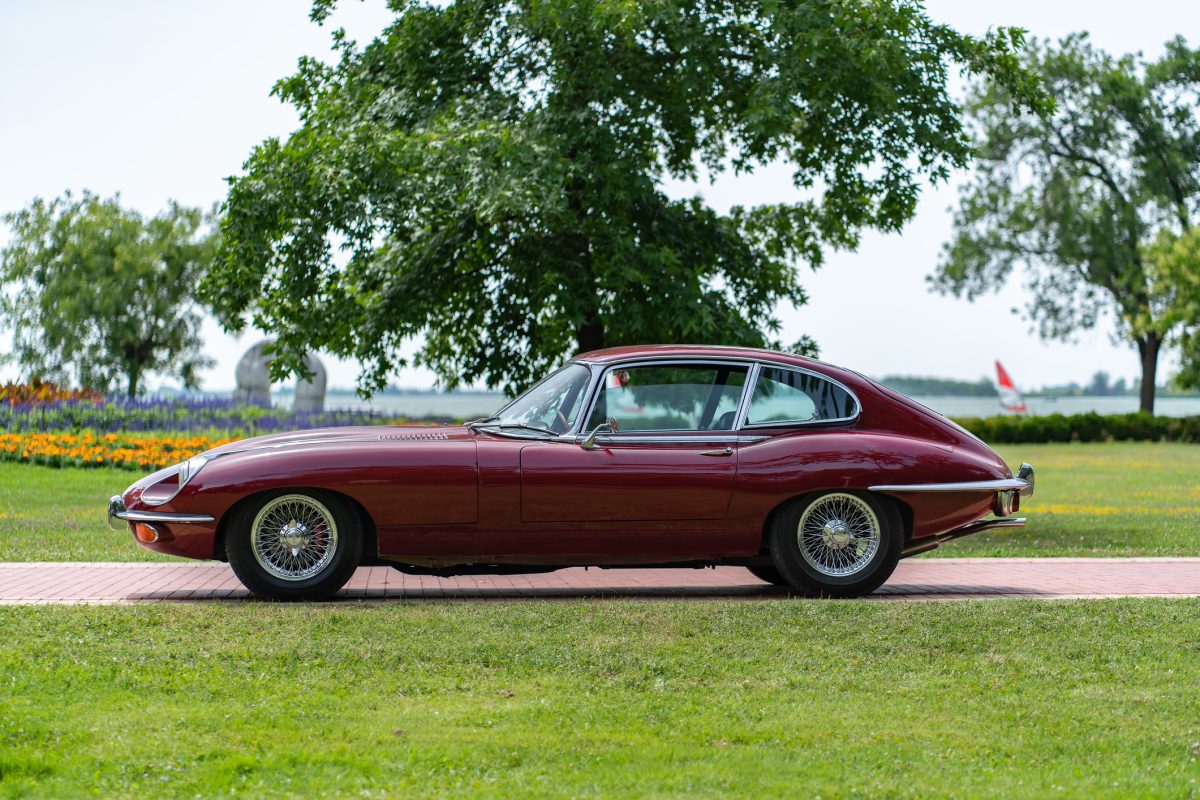
You walk into your showroom or garage. The lights are gleaming off the curves of a vintage 911, a pristine E-Type, and a muscular ’69 Camaro. It’s a beautiful sight. But then, you realize the layout needs a refresh. Maybe a new acquisition is arriving, or perhaps you just want to rotate the display for the season. 

Instinctively, you reach for the keys. You slide into the driver’s seat, turn the ignition, and listen to that engine roar to life. You gently ease the clutch out, drive the car forty feet to its new spot, and kill the engine. 

It feels satisfying. It sounds great. But from a mechanical standpoint, you may have just done more damage to that engine than a hundred miles of highway driving would have caused. 

This is the “cold start” crisis. For museums, boutique dealerships, and high-end private collectors, the necessity of moving vehicles short distances is a logistical constant. However, firing up an engine for a mere two minutes doesn’t just waste gas—it actively works against the preservation of the machine you are trying to protect. 

The Mechanics of the “Cold Start” 

To understand why a short move is so detrimental, we have to look at what happens inside an internal combustion engine when it wakes up from a slumber. 

When an engine sits, gravity does its work. The oil drains down into the sump, leaving the upper components—camshafts, lifters, and cylinder walls—with only a residual film of protection. When you turn the key, there is a momentary period of metal-on-metal friction before the oil pump can circulate lubricant to the top of the engine. This is where a significant percentage of engine wear occurs. 

But the friction isn’t the only enemy. The real issue with the “short move” is temperature. 

The Moisture Trap 

Combustion produces water vapor as a byproduct. When an engine reaches its optimal operating temperature (usually around 200°F or 95°C), that moisture evaporates and is expelled through the crankcase ventilation system and the exhaust. 

However, during a quick thirty-second shuffle across the garage floor, the engine block, oil, and exhaust system act like cold sponges. They never get hot enough to burn off that condensation. Instead, the water vapor condenses inside the engine and exhaust pipes. 

Over time, this moisture mixes with the oil to form a sludge (often visible as a milky residue under the oil filler cap) and combines with combustion byproducts to form acids that eat away at bearings and seals. In the exhaust system, that sitting water rots mufflers from the inside out. 

The Fuel Wash 

Vintage cars, particularly those with carburetors, often run “rich” when the choke is engaged for a cold start. This dumps extra fuel into the cylinders to keep the engine running while cold. 

If the car isn’t driven long enough to burn this excess fuel, the raw gasoline can wash the protective oil film off the cylinder walls, leading to accelerated ring and cylinder wear. Worse, that unburned fuel creates carbon deposits on valves and plugs, leading to rough running later on. 

The Problem with the “Push” Method 

Knowing the dangers of the cold start, many conscientious collectors opt for the pushing a car. 

While this saves the engine, it imperils the bodywork. We have all seen it—the “fingerprint dents” on the trunk lid or the quarter panel where a well-meaning helper pushed a little too hard on thin vintage sheet metal. 

Pushing is also a liability nightmare. Trying to shove a 4,000-pound luxury sedan up a slight incline or over a doorway threshold is a recipe for slipped discs and back injuries. If you are running a business, that’s a workers’ comp claim waiting to happen. If you are a private collector, it’s just an unnecessary exhausted effort. 

Furthermore, pushing lacks precision. Without steering control or braking ability, stopping a heavy rolling vehicle inches away from a priceless Ferrari is a nerve-wracking gamble. 

The Solution: Moving Without Ignition 

The goal for any curator or collector is preservation. You want the vehicle to remain in peak condition for as long as possible. This means the engine should only be started when it can be properly warmed up and exercised. For everything else—reorganizing the gallery, moving to the detailing bay, or loading onto a transport truck—you need a different method. 

This is where technology bridges the gap between logistics and preservation. The CarCaddy Vehicle Puller, specifically the new Collector’s Edition, allows you to move heavy metal with zero mechanical empathy required. 

Silence in the Showroom 

One of the most jarring aspects of moving cars indoors is the noise and exhaust fumes. A cold V8 idling in a closed gallery smells of unburnt hydrocarbons and creates noise pollution that disrupts the atmosphere. 

The CarCaddy is electric. It operates in near silence. This allows you to reorganize an entire museum floor during open hours without disturbing guests or requiring ventilation fans to clear the air. 

Precision Handling for Heavyweights 

Despite its sleek profile, the CarCaddy Vehicle Puller is a powerhouse. It is rated to move vehicles up to 7,000 lbs. That covers everything from a featherlight Lotus Elan to a massive 1930s Duesenberg or a modern armored SUV. 

The unit features a 36VDC drive system and a high-tech speed controller. This gives the operator granular control over acceleration and, more importantly, braking. You aren’t relying on momentum or gravity; you are in command of every inch of movement. The neutral throttle braking ensures that if you let go, the movement stops. 

Protecting the Asset 

The primary concern with any towing device is physical contact. You don’t want hooks or chains near a show-quality bumper. 

The CarCaddy uses a non-intrusive method to grab the vehicle. Its roller arms and low-profile design allow it to scoop under the tires, lifting the wheels securely without ever touching the bodywork, bumper, or suspension components. It’s a “touchless” move for the painted surfaces. 

Additionally, the unit runs on non-marking crown caster wheels. Whether your floor is polished concrete, epoxy, or expensive tile, the caddy leaves no trace behind. 

Aesthetics Matter 

We all know appearance counts. In a high-end facility, industrial orange equipment often looks out of place next to millions of dollars worth of automotive art. 

The Collector’s Edition of the CarCaddy was designed with the showroom environment in mind. It isn’t just a piece of warehouse equipment; it’s styled to match the caliber of cars it moves. 

It features a shock-assisted ride-on platform, allowing the operator to glide along with the vehicle rather than walking behind it, reducing fatigue during big reorganizations. It also comes in colors that complement a collection. While standard Ferrari Red is a classic choice, options like Matte Black + Gold, Baby Blue, or Silver ensure the equipment looks intentional and professional on the showroom floor. 

Longevity is a Choice 

Every time you choose to move a car without starting it, you are adding life to the engine. You are preventing the accumulation of acidic moisture in the crankcase. You are saving the exhaust system from rust. You are preventing dry-start wear on the cam lobes. 

The “cold start” is a habit born of convenience, but it is a costly one. By switching to a dedicated electric vehicle mover, you treat the mechanical heart of the car with the same respect you treat the paint and the upholstery. 

Preservation isn’t just about climate control and wax; it’s about mechanical sympathy. Igniting an engine should be an occasion, not a chore. Save the roar for the open road, and let the Car Caddy handle the garage shuffle. Contact our team today.