Work Smarter, Not Harder: Why Pushing Dead Cars is Ruining Your Shop’s Productivity

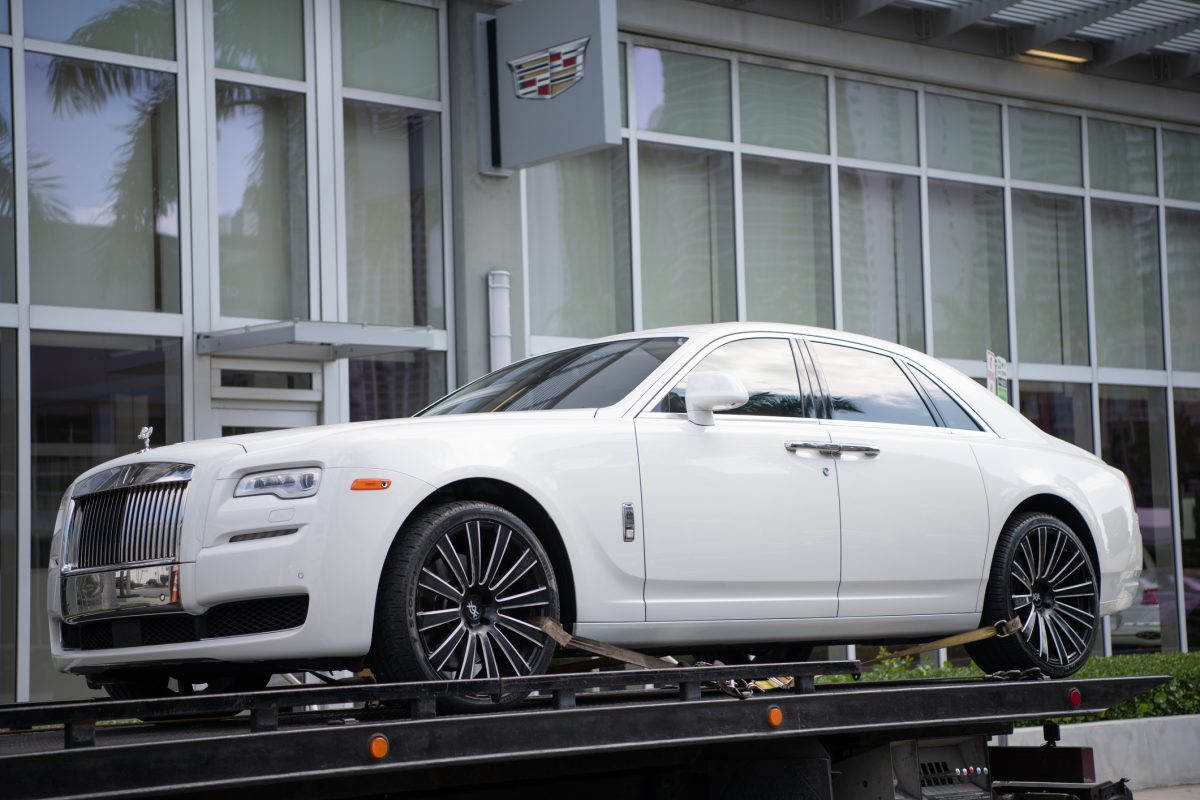
A “dead” car blocking a service bay creates an immediate bottleneck in any automotive repair shop. When a vehicle will not start, the standard protocol usually involves calling three or four mechanics away from their current tasks to push the heavy chassis across the shop floor. This everyday shop dilemma disrupts workflow, frustrates your team, and halts revenue-generating repairs.

The hidden costs of manual labor extend far beyond a few minutes of lost time. Pulling or pushing 7,000-pound vehicles manually is a leading cause of shop floor injuries, particularly back and muscle strains. Industry data shows that back pain accounts for tens of millions of lost workdays across the country each year. When your top technicians are out nursing a back injury, your shop’s productivity plummets. Add in the risks of dropped vehicles or accidental bumper damage from improper pushing techniques, and the financial toll of moving dead cars manually becomes staggering.

Your technicians are highly skilled professionals who should spend their time turning wrenches and completing billable work. When you force them to act as manual laborers, you waste your most valuable resource. Modern shops need a better way to manage immobile vehicles safely and efficiently.

The CarCaddy Solution: One-Person Operation

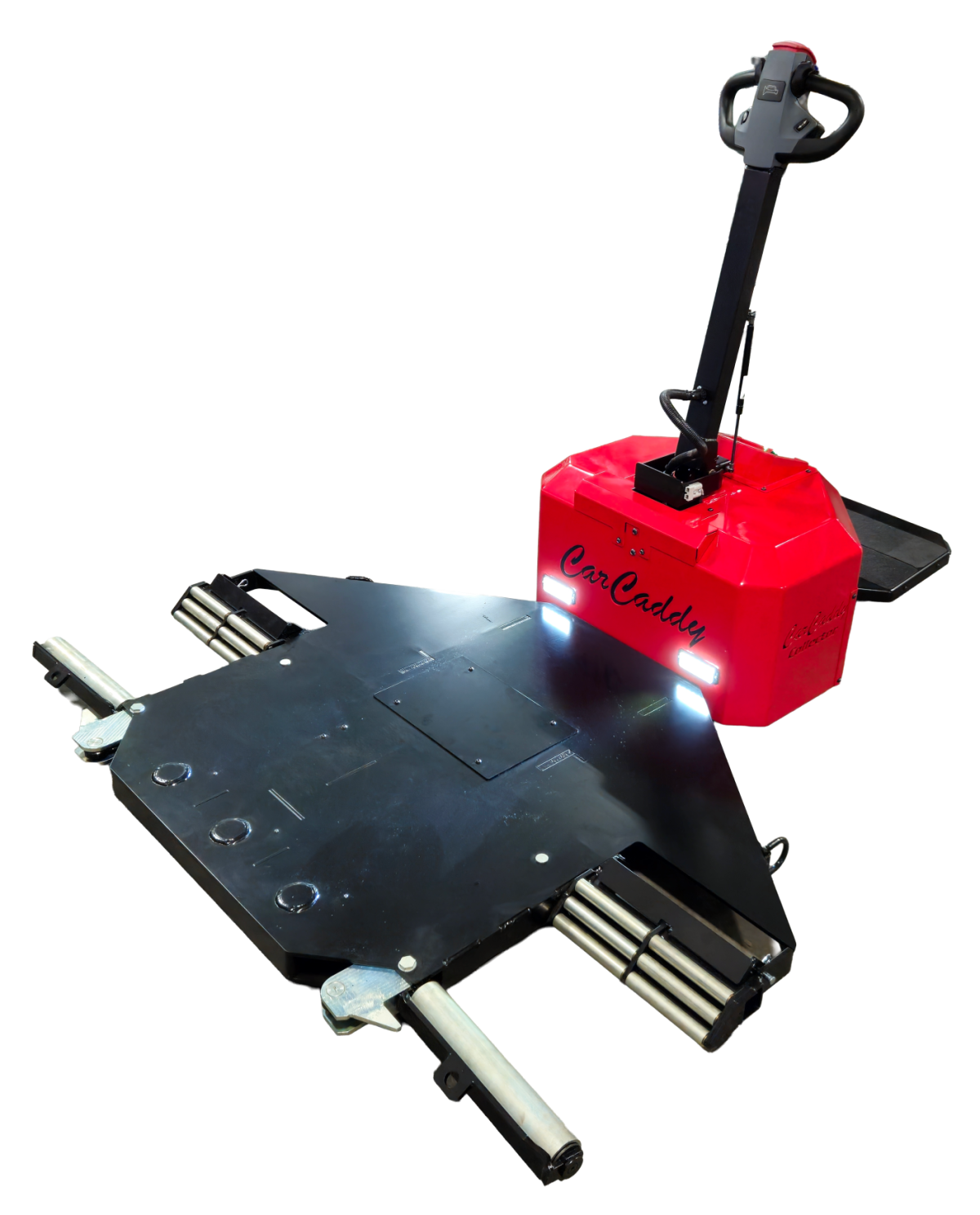
A powered vehicle mover transforms a hazardous, multi-person chore into a simple, one-person operation. The CarCaddy vehicle mover allows a single technician to safely load, move, and unload vehicles alone, completely freeing up the rest of your crew for profitable repair work.

The core of this efficiency is a robust 36VDC drive system powered by a three-battery setup. This system provides the consistent, reliable torque needed to push or pull vehicles weighing up to 7,000 pounds. It also handles up to a 3,000-pound front axle weight effortlessly, making it highly versatile for a wide range of cars, light trucks, and SUVs that come through your doors.

Shop environments are rarely perfect. You often have to navigate tight storage areas, crowded lots, or poorly lit spaces. The CarCaddy offers “Grab and Go” capability, making it easy to deploy at a moment’s notice. It comes equipped with high-beam LED headlights, ensuring your technicians have clear visibility when maneuvering vehicles out of dark corners or navigating the lot during early winter evenings. This level of control and power keeps your shop moving seamlessly, regardless of the physical obstacles.

Keeping Your Team and Floors Safe

Protecting your employees from physical strain is a top priority for any successful shop owner. The CarCaddy incorporates specific engineering controls designed to mitigate workplace hazards and maintain a clean facility.

Operator Protection Features

Safety is built directly into the operating mechanisms of the vehicle mover.

  • Neutral Throttle Braking: The unit features an automatic braking system. The machine stops immediately when the operator releases the throttle, preventing runaway vehicles on slight inclines.
  • Safety Stop Switch: An easily accessible safety stop switch instantly cuts power in the event of an emergency, giving the operator complete control.
  • Molded Handlebars: Ergonomically designed molded handlebars reduce hand and wrist fatigue, ensuring the operator remains comfortable and secure while steering heavy loads.

Facility Protection

Your shop’s appearance matters to your customers. Heavy equipment can easily damage expensive epoxy coatings or polished concrete.

  • Non-Marking Drive Wheels: The heavy-duty drive tires provide exceptional traction without leaving ugly black streaks across your service bays.
  • Crown Caster Wheels: The non-marking crown caster wheels allow for tight, precise turns while keeping your shop floors pristine and free of scuffs.

Modern Automotive Service Shops Need Modern Solutions

Relying on sheer physical force to move heavy vehicles is an outdated practice that actively harms your business. Every time multiple technicians step away from their bays to push a car, your shop loses money. Every time a mechanic strains their back, you risk long-term productivity losses and workers’ compensation claims.

Stop wasting manpower and let CarCaddy do the heavy lifting. By investing in the right equipment, you protect your staff, optimize your daily workflow, and ensure your team remains focused on what they do best: servicing vehicles and keeping your customers happy.
Stop Pushing Your Luck: Securing Your Private Auto Collection

High-value private auto collections require immense investments of time, money, and passion. Every vehicle represents a distinct piece of automotive history, carefully preserved and maintained to retain its beauty and value. Building a private gallery of rare automobiles is a massive achievement, but managing that gallery introduces a unique set of logistical challenges.

Vehicles frequently need to be moved for cleaning, routine maintenance, or display reorganization. Every time a car transitions from a stationary position to being in motion, a specific “risk window” opens up. During this window, the vehicle is vulnerable to environmental hazards, human error, and mechanical failures.

Relying on physical manpower to push these heavy, irreplaceable assets exposes both your staff and your collection to unnecessary dangers. We have seen firsthand how quickly a routine maneuver can result in property damage or personal injury. This guide explains why transitioning away from manual labor and utilizing a dedicated car pushing machine is the most responsible choice for safeguarding your automotive investments.

Where Things Go Wrong with Manual Pushing

Moving a classic car by hand introduces a dangerous variable into your gallery management operations. We call this “The X Factor.” It refers to the sheer unpredictability of manual pushing. Even with a highly trained team, human strength and coordination have limits, and gravity is unforgiving.

When you manually push a vehicle, you are relying entirely on the physical exertion of your staff and the mechanical integrity of a car that may not have been driven in months or years. This combination frequently leads to hazardous situations.

Here are a few common scenarios where manual pushing leads to disaster:

  • Uncontrolled Momentum: A team of people might successfully get a heavy classic car rolling, but stopping it is entirely different. Even a slight, almost imperceptible grade in your garage floor can cause a vehicle to gain dangerous momentum.
  • Personal Injury: When multiple people surround a moving vehicle, the risk of physical injury skyrockets. A slight misstep can result in a foot getting caught under a rolling tire, or a worker straining their back trying to halt a 4,000-pound piece of metal.
  • Mechanical Unpredictability: Relying on the car’s original equipment to stop the vehicle safely is a massive gamble. Sticking brakes, locked steering columns, or flat spots on tires can cause the car to veer suddenly into a wall or, worse, into another priceless vehicle.

Control is Safety: The Power of Positive Control

The most effective way to eliminate “The X Factor” is to adopt a system that provides absolute positive control over the vehicle’s movement. A high-quality car pushing machine delivers exactly this.

Positive control means that the equipment dictates the speed, direction, and braking of the vehicle at all times. Instead of relying on human muscle and coordination to guide a heavy automobile, the machine handles the physical burden securely and predictably.

Consider the braking systems on vintage vehicles. A 40-year-old master cylinder is often unreliable, especially if the car sits idle for long periods. Seals dry out, fluid degrades, and pressure drops. When a team is pushing a car toward a tight parking spot, realizing the vehicle’s brakes have failed is a terrifying and costly moment.

A car pushing machine eliminates this risk entirely. The machine itself is doing the braking and the steering. It features an integrated, heavy-duty braking system that stops the vehicle exactly when and where you need it to stop, regardless of the condition of the car’s internal mechanics. Furthermore, these machines allow a single operator to move a vehicle smoothly, providing a clear line of sight and removing the chaotic communication required when a large group of people tries to steer a car by hand.

The True Cost of a “Whoops”

Operating a private collection means understanding the value of your assets. You invest heavily in climate control, security systems, and insurance premiums to protect your vehicles. Yet, choosing to save a little money by manually moving cars leaves a gaping hole in your risk management strategy.

The financial reality is that the cost of a single mistake far exceeds the cost of purchasing the proper equipment. A simple dent, a scraped bumper, or a cracked taillight on a rare vehicle can cost thousands of dollars to repair. In many cases, replacement parts for vintage or limited-production automobiles are completely unavailable, meaning custom fabrication is your only option.

Beyond the immediate repair costs, any damage to a classic car diminishes its historical integrity and overall market value. Even perfectly executed bodywork leaves a record of damage. A reliable car pushing machine effectively pays for itself the moment it prevents just one minor mishap. It is an investment in loss prevention that yields immediate peace of mind.

Protect Your Automotive Legacy Today

Managing a private auto collection should bring you joy and pride, not anxiety every time a vehicle needs to be repositioned. By upgrading your operational protocols and integrating professional-grade equipment, you protect your staff from injury and your vehicles from costly damage.

Do not leave the safety of your investment to chance and gravity. Your collection deserves the highest standard of care, and your peace of mind is worth the investment. Reach out to our team today for a quote on the most reliable car pushing machine for your private gallery, and keep your automotive legacy pristine for years to come.

The Hidden Cost of Manual Pushing: Protecting Your Most Valuable Asset—Your Team

Boutique dealerships, classic car museums, and private collectors know the value of every vehicle in their care is more than monetary—it represents a history, an image, and a reputation. Preserving that value means more than climate control and routine detailing; it means smart, safe day-to-day handling practices that safeguard both your vehicles and your people.

One of the most overlooked risks is manual vehicle pushing. When a battery is flat or a showpiece needs repositioning, it’s common to see a handful of employees, docents, or technicians assembling to move an irreplaceable car by hand.

What seems like a convenient, time-saving fix actually introduces unnecessary hazards and detracts from the professional presentation of your collection or showroom. Moving multi-ton vehicles by hand puts your team at risk and undermines the meticulous image you strive to maintain.

In this post, we’ll explore the hidden costs of manual car pushing, the risks it creates for your assets and staff, and why investing in an electric vehicle mover or electric car pusher is a protective measure for your business and brand.

The Risk of the “Quick Push”

We’ve all faced the temptation—a vehicle won’t start, and the instinct is to gather whoever is nearby for a “quick push.” From classic roadsters to modern supercars, even the best-maintained vehicles sometimes need repositioning. But routine manual pushing is fraught with hazards that can have long-lasting consequences.

The Physical Toll on Your Team

Every organization relies on trusted team members, whether skilled technicians, knowledgeable docents, or dedicated staff. Asking them to manually push vehicles weighing several thousand pounds exposes them to serious risk of injury. Back strains, shoulder issues, or knee problems are common in these situations, regardless of age or experience.

Even on polished museum floors or showroom tiles, moving heavy vehicles means overcoming substantial rolling resistance. A minor slip on a waxed surface or an unexpected obstacle can quickly result in significant injury.

The Threat of the Incline

Boutique dealerships and museums often have ramps, elevators, and gentle slopes for accessibility or display purposes. Attempting to push a vehicle up even a slight incline drastically increases the chances of a mishap. Should someone lose grip or footing, the car can quickly roll backward, creating immediate danger to anyone nearby and risking considerable damage to priceless vehicles or surrounding property.

The Bottom Line Impact

Injuries not only harm your team, they affect your reputation and insurance premiums. Medical claims can be costly, but even more damaging is the loss of seasoned staff or exhibition downtime. When several employees are diverted from their primary responsibilities to push a car, productivity suffers, and the visitor or customer experience is interrupted.

A better solution is to remove this manual hazard entirely by introducing an electric vehicle mover or electric car pusher into your operations.

Professionalism vs. Liability

The aura of a boutique dealership, a world-class car museum, or a private collection depends on attention to detail and flawless presentation. First impressions count—every process and tool you use reflects your commitment to excellence.

The Perception of Chaos

Imagine a visitor to your museum or a potential buyer in your showroom witnessing staff physically struggling to move a classic or luxury car. What should be a serene, curated environment suddenly appears chaotic and disorganized. Such scenes erode trust, and can even call into question your ability to care for valuable vehicles.

Creating a High-Tech Operation

Now, consider the impact of an electric vehicle mover or electric car pusher. With these advanced tools, a single operator can effortlessly maneuver even the heaviest classic car or luxury SUV with precision and control. No commotion, no struggle—just quiet, smooth movement that reinforces your status as a technologically advanced, safety-first operation.

Guests, buyers, and even other collectors notice the difference. Investing in modern equipment communicates professionalism and care, setting your collection or dealership apart.

Controlled Braking: Stopping the Unstoppable

Moving some of the world’s most valuable vehicles isn’t just about getting them to shift—it’s about stopping them exactly where and when you intend.

The Danger of Momentum

Once a historic lead-sled or an electric SUV is rolling, traditional pushing methods offer little control over stopping. Without power brakes, the risk of overshooting, damaging surroundings, or even injuring staff is high. Trying to slow or stop a moving vehicle with manpower alone is a gamble you shouldn’t take.

The Power of Regenerative Braking

This is where a modern electric car pusher or electric vehicle mover truly changes the game. Advanced models feature regenerative braking systems that allow precise, instant stopping. When the operator lets off the control, the unit engages its motor resistance and brings both itself and the attached car to a quick, controlled halt—no risk of coasting, and no reliance on the car’s own brake system.

Whether repositioning inside a gallery, loading into a storage facility, or moving cars in a busy dealership, instant braking is a vital safety advantage for your staff and your artifacts.

Protect Your Collection and Elevate Your Brand

Your vehicles are unique, and the way you care for them should be, too. Asking valued employees, curators, or even yourself to manually push heavy vehicles is a risk not worth taking.

The hidden costs of manual pushing go beyond immediate safety—they influence your brand’s credibility and your ability to provide a truly premium experience. By investing in an electric vehicle mover or electric car pusher, you’re ensuring safe, efficient movement of every vehicle while upholding the standard your audience expects.

  • Reduce workplace injuries and downtime
  • Enhance operational efficiency with fewer staff required for vehicle movement
  • Maintain a quiet, orderly atmosphere for guests and clients
  • Demonstrate a commitment to innovation and safety

Review your current vehicle handling protocols today, and consider how the right electric vehicle mover or electric car pusher can add value to your operation. Protect your people, your reputation, and your investment one move at a time.