How Minnesota Car Collectors Connect: Top Clubs, Display Spaces & Communities

Minnesota’s car scene punches well above its weight. Between classic American muscle, pristine street rods, and the occasional European exotic hiding in a suburban garage, this state takes its automotive passion seriously. But as autumn leaves pile up and the first frost warning rolls in, every collector faces the same seasonal ritual: getting prized vehicles tucked safely into winter storage before the Minnesota chill turns garages into ice boxes.

Whether you’re a longtime club member or a newer collector still figuring out where the local scene hangs out, this guide covers the clubs, communities, and storage solutions that keep Minnesota’s car culture running strong—even when the roads don’t cooperate.

MN Car Condos & Private Garage Communities

For collectors who want more than a drafty two-car garage, Minnesota’s garage condo communities have become the gold standard for winter storage. These facilities offer something a typical home garage simply can’t: climate control, security, and the kind of neighbors who actually appreciate a flawless paint job.

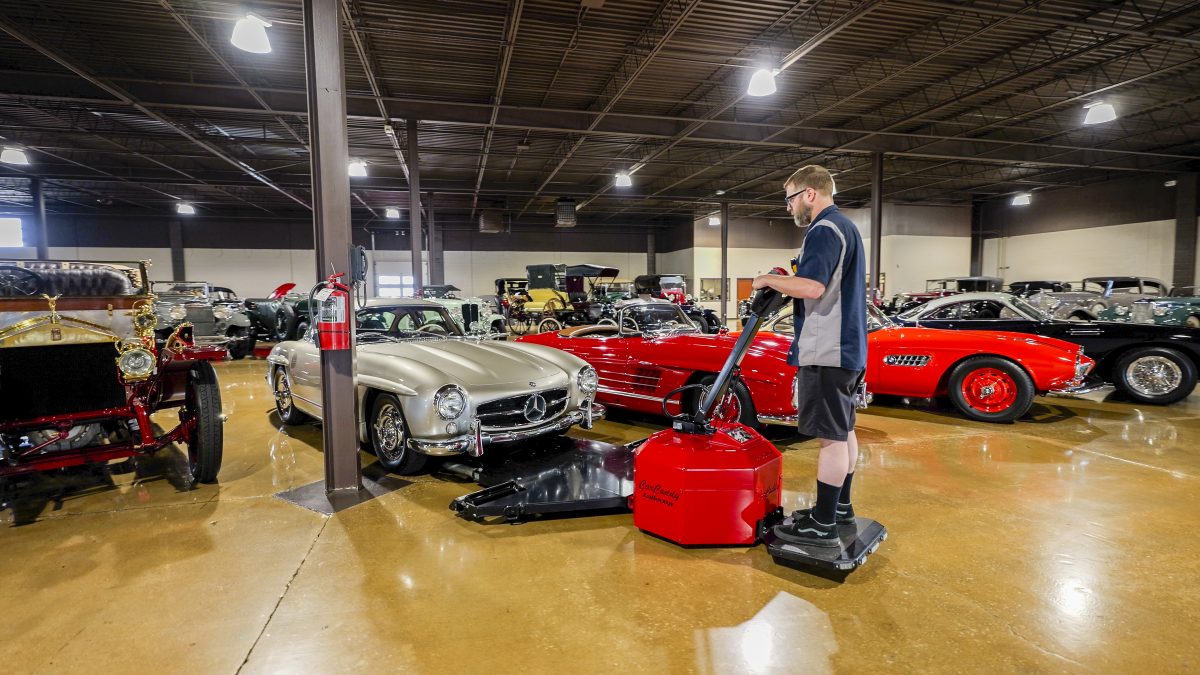
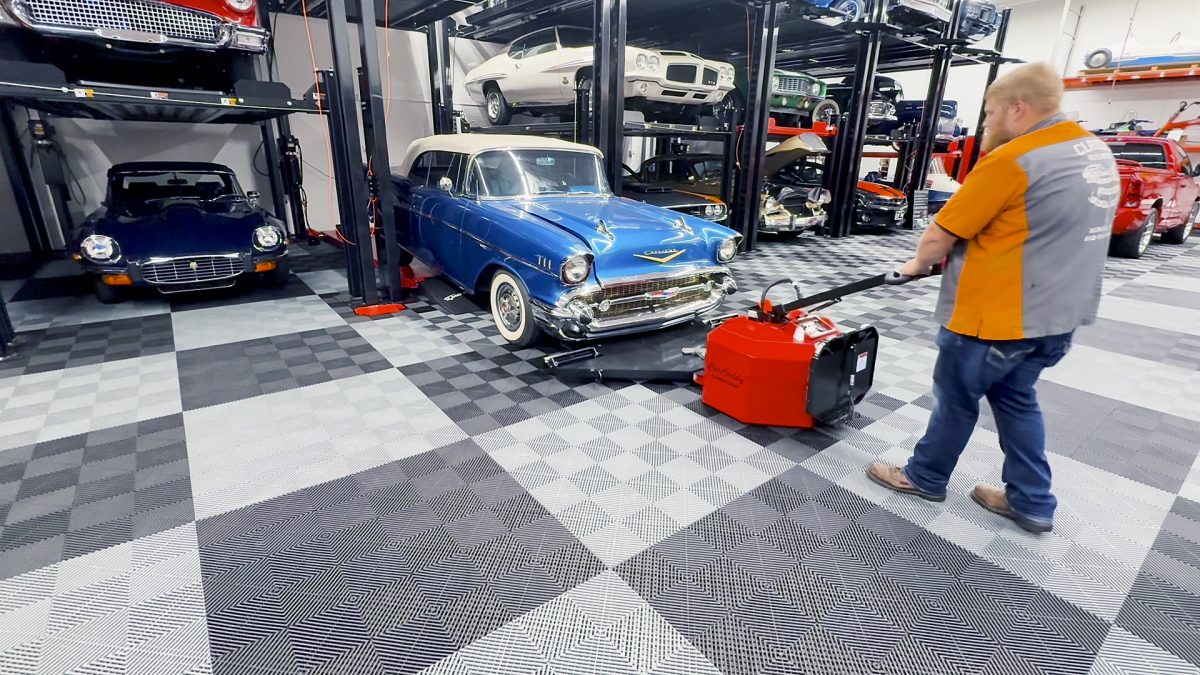
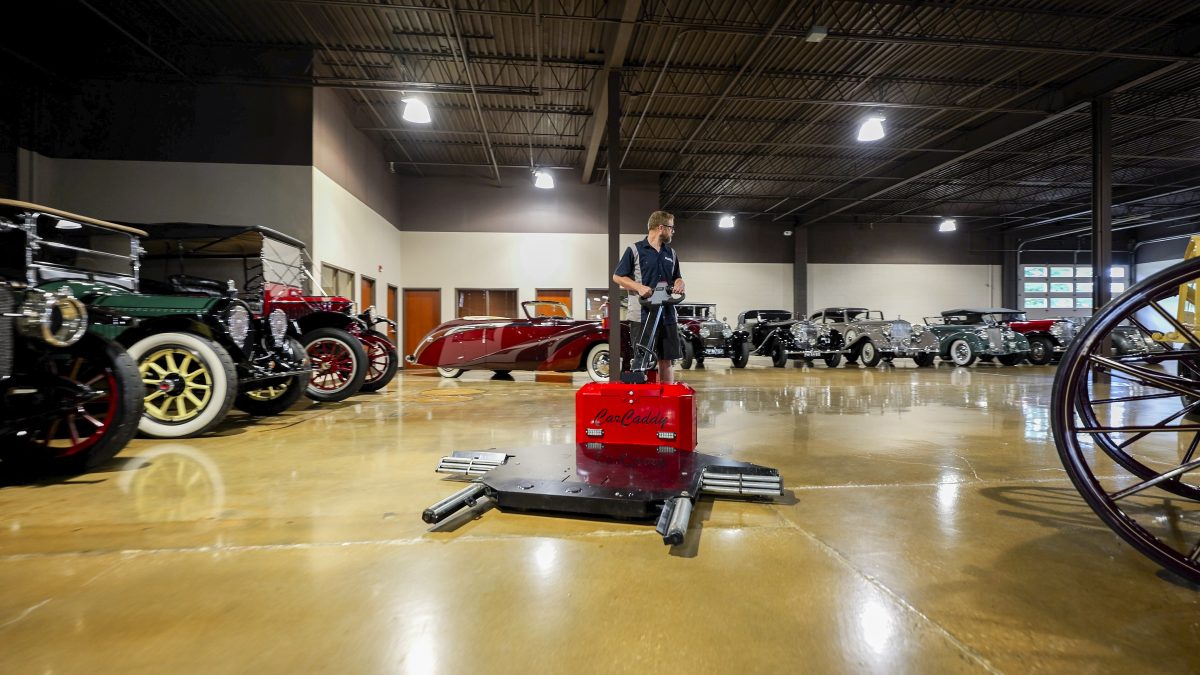
AutoMotorPlex Chanhassen houses more than 140 private garage condo units and has become a gathering point for enthusiast events like Cars & Caves. It’s part storage facility, part social club—exactly the combination serious collectors are looking for. With vehicles staged close together in high-density layouts, having a reliable vehicle mover on hand isn’t a luxury here; it’s a practical necessity.

AutoMotorPlex Medina serves collectors west of the Twin Cities with similar climate-controlled luxury hangars, built for detailed winter prep and tight, high-density vehicle arrangement. Whether you’re storing a single show car or rotating several vehicles between lifts and floor space, precise positioning matters.

If you’ve ever tried to explain to a non-car-person why you need a climate-controlled condo for a vehicle, these facilities make the case far better than words ever could.

Top Minnesota Car Clubs

Clubs are the backbone of any regional car culture, and Minnesota’s are no exception.

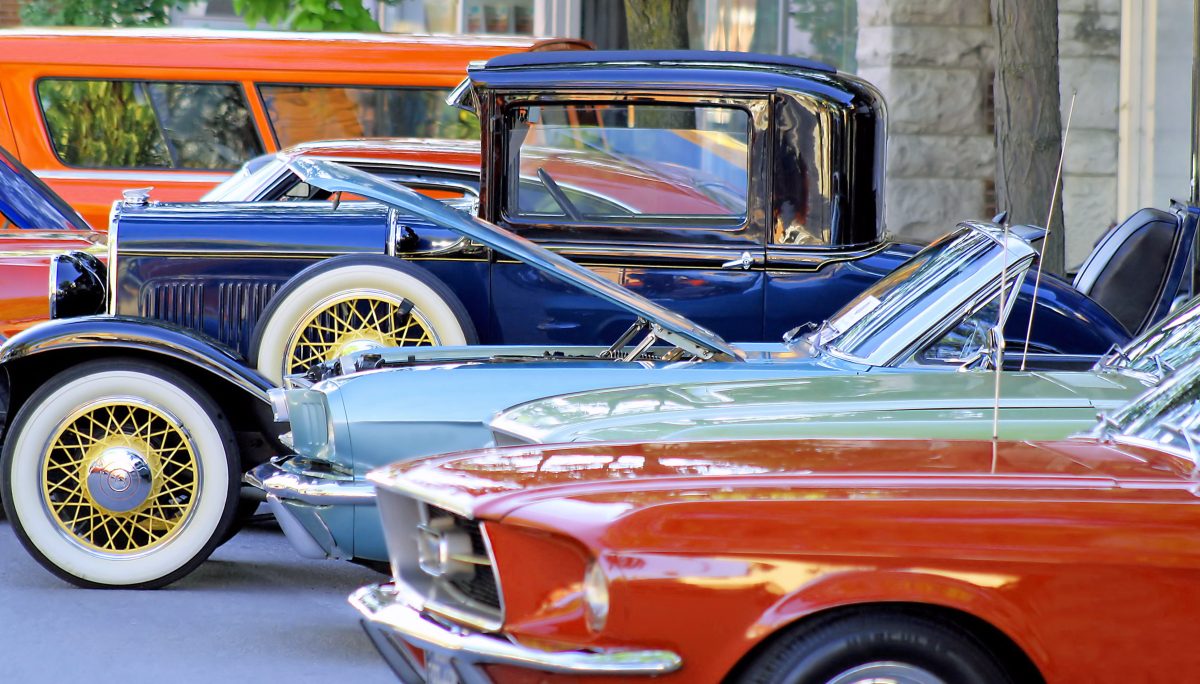
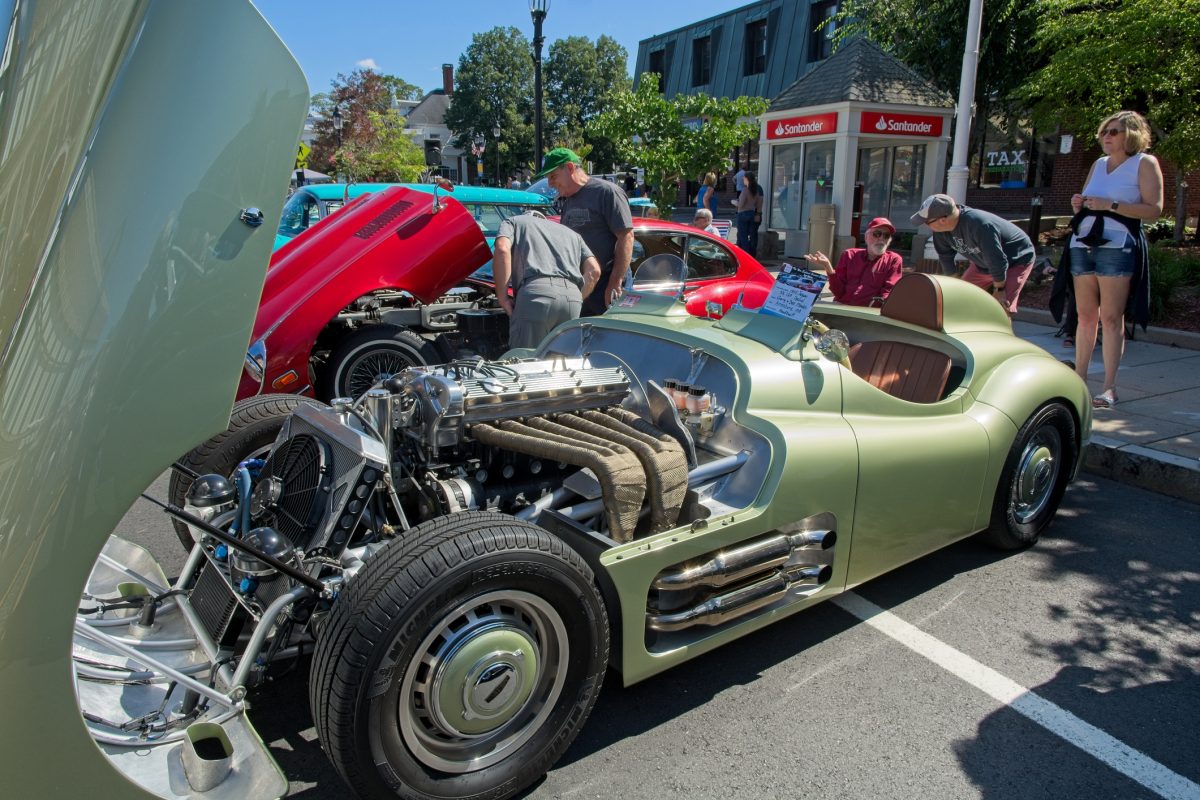
The Minnesota Street Rod Association (MSRA) anchors the local classic car community. Its annual Back to the 50’s Weekend draws more than 10,000 vintage vehicles to the Minnesota State Fairgrounds—proof that Minnesotans will brave almost anything for a good car show, including unpredictable June weather.

Beyond MSRA, marque-specific clubs give owners of particular makes a place to swap notes with people who understand their obsession on a deeper level. The Nord Stern Region Porsche Club of America, local Corvette clubs, and BMW CCA chapters all bring specialized expertise to members prepping unique builds for the off-season. Many club members in these circles have also started sharing recommendations on practical garage tools—including electric vehicle mover options that make seasonal transitions smoother and safer.

Online Forums & Local Groups

Once driving season winds down, the conversation doesn’t stop—it just moves indoors, right along with the cars.

Regional Facebook groups, Midwest automotive forums, and community message boards become the go-to spots for seasonal maintenance tips, detailing hacks, and storage advice. These groups are where you’ll find out which fuel stabilizer actually works and which one just sounds official. You’ll also find firsthand reviews from collectors who’ve tried different vehicle mover solutions in real garage condo settings—and have strong opinions about what works.

Swap meets hosted by local clubs round out the off-season calendar, giving enthusiasts a chance to buy, sell, and trade rare parts, specialized tools, and display accessories before everything gets tucked away until spring. Think of it as a farmers market, except instead of tomatoes, you’re haggling over a vintage carburetor—or comparing notes on the best car pushing machine for a tight six-car layout.

Managing Tight Display Spaces & Storage

Why High-Density Parking Gets Risky

Here’s the catch with garage condos and shared display rooms: maximizing square footage usually means parking vehicles within inches of each other. And when you’re maneuvering a multi-vehicle collection through a space built for efficiency rather than elbow room, the margin for error shrinks fast.

A few inches of clearance can mean the difference between a clean parking job and an expensive lesson in door dings, bumper scrapes, or a mirror clipped against a lift post. Add in the physical strain of pushing a heavy vehicle by hand—on a polished, slippery garage floor—and you’ve got a recipe for sore backs and nervous owners.

Firing up a cold engine just to reposition a car a few feet isn’t much better. It accelerates engine wear and introduces moisture into a cold exhaust system, which is exactly the opposite of what you want before months of sitting idle. This is a common mistake that club veterans are quick to point out to newer collectors every fall.

Why the Right Vehicle Mover Makes All the Difference

This is where a motorized, compact electric vehicle mover earns its keep. A car pushing machine like the CarCaddy Vehicle Puller takes the guesswork—and the muscle—out of tight-space maneuvering. Instead of enlisting three buddies and hoping nobody’s knee gives out, one person can guide a heavy vehicle into position with confidence.

Here’s what that looks like in practice:

  • Precision control: An electric vehicle mover lets a single operator guide a heavy vehicle with millimeter-level accuracy, even through the narrowest garage layouts.
  • Ding and strain prevention: Removing manual pushing from the equation—and skipping unnecessary cold starts—protects both the owner’s back and the vehicle’s finish.
  • Maximized storage density: With the right car pushing machine, collectors can position vehicles tightly against back walls or tuck them under lifts without worrying about how they’ll roll them back out come spring.
  • Versatility across vehicle types: Whether you’re moving a classic roadster or a heavier muscle car, the right vehicle mover handles the job without breaking a sweat—or a side mirror.

The CarCaddy Collector’s Edition is built specifically for this kind of work. It’s rated for vehicles up to 7,000 lb. with a front axle weight up to 3,000 lb., and its low-profile design with adjustable roller arms makes loading and unloading straightforward, even in condos packed tighter than a Back to the 50’s parking lot. A lighted, flip-up platform supports both rider and walk-behind operation, so you can choose whichever style suits your space and storage setup.

For Minnesota collectors who invest heavily in their vehicles—and in the spaces that protect them—this kind of tool pays for itself quickly in avoided damage and saved time.

Ready for a Stress-Free Winter Storage Season?

As another great Minnesota driving season wraps up, transitioning your collection into winter storage shouldn’t be the most stressful part of fall. Whether you manage a private multi-car garage or share a hangar with fellow enthusiasts at AutoMotorPlex, having the right equipment makes all the difference between a smooth process and a nerve-wracking one.

If you’re ready to make garage reorganization effortless, precise, and safe—whether you’re an individual collector or part of a private garage community—contact our team today to find the ideal electric vehicle mover for your space and collection.
Top Car Museums in Minnesota & Michigan Every Collector Should Visit

The Midwest doesn’t just build cars — it preserves them. From Minnesota’s quiet collector circuit to Michigan’s sprawling automotive cathedrals, this region holds some of the richest car history in the country. Rusty barn finds became polished showpieces here, and entire museums now exist to keep that heritage alive for future generations.

But preserving a priceless automobile is a different skill than building one. Museum curators face a daily puzzle: how do you rotate multi-million-dollar vehicles through tight showroom floors without risking so much as a scuff? Narrow aisles, polished concrete, and six-figure paint jobs don’t mix well with careless handling.

That challenge is exactly why the smartest museums have quietly changed how they move their cars. Before we get to that, let’s take a tour of some of the finest automotive collections Minnesota and Michigan have to offer.

Top Car Museums in Minnesota

Minnesota’s collector scene runs deeper than most people realize, with private collections and regional displays holding their own against bigger institutions.

Local Historic Displays and Morrie’s Collection-Style Showrooms

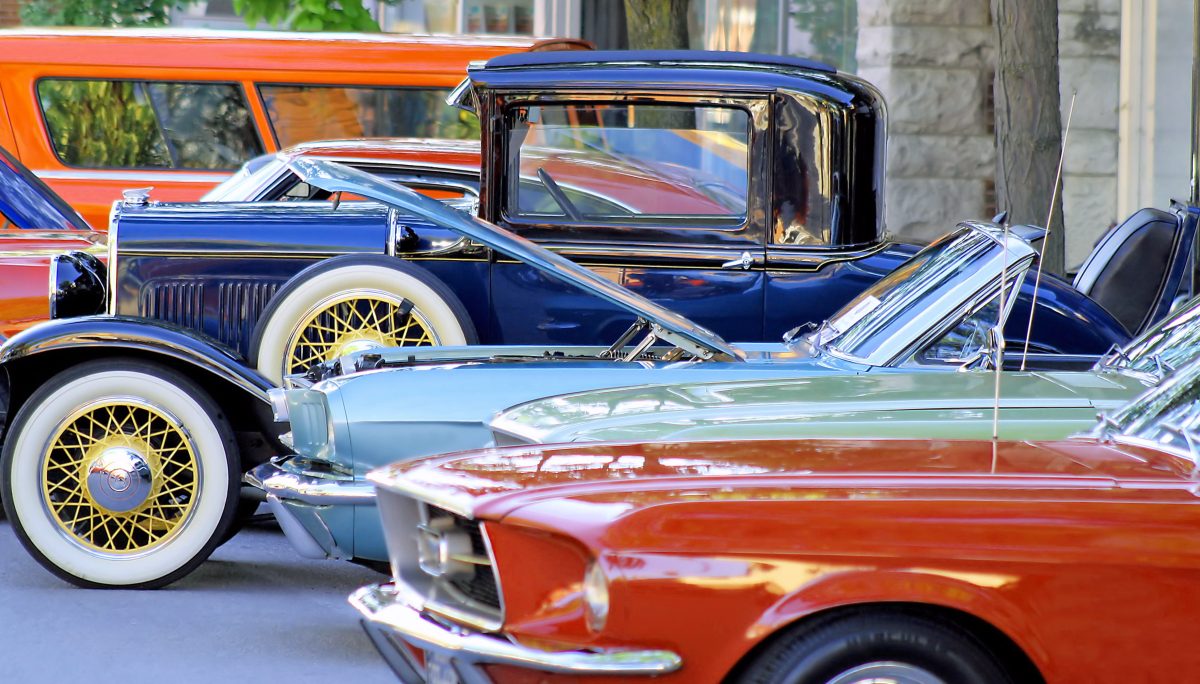
Several Minnesota dealerships and private collections showcase rare, vintage models in intimate indoor settings reminiscent of the Morrie’s Collection approach. These spaces prioritize close-up viewing, letting visitors admire original upholstery stitching and factory badging without velvet ropes getting in the way.

The tradeoff? Tight footprints. When a showroom is built for proximity rather than square footage, every inch counts, and every vehicle move carries risk.

Northland Antique Auto Museum and Regional Displays

The Northland Antique Auto Museum represents the backbone of Minnesota’s preservation community, maintaining vintage vehicles in carefully controlled indoor environments. Keeping these displays rotating fresh for repeat visitors means regularly shifting cars in and out of position, often in galleries that were never designed with forklifts or towing equipment in mind.

Regional museums like Northland rely on precision, not horsepower, to keep their collections looking showroom-fresh year after year.

Top Car Museums in Michigan

If Minnesota is the quiet corner of Midwest car culture, Michigan is the main stage. The Motor City’s legacy practically demands museums worthy of its history.

The Henry Ford Museum (Dearborn, MI)

No conversation about American automotive heritage gets far without mentioning The Henry Ford Museum. Spanning hundreds of thousands of square feet, this Dearborn institution houses everything from presidential limousines to the bus where Rosa Parks took her stand. It’s less a museum and more a time capsule of American innovation, with automobiles serving as the connecting thread.

Moving pieces through a collection this significant requires a level of care that goes beyond standard museum handling. One wrong nudge against a one-of-a-kind artifact isn’t just costly — it’s irreplaceable.

Gilmore Car Museum (Hickory Corners, MI)

The Gilmore Car Museum claims the title of North America’s largest auto museum campus, spreading across multiple historic buildings and hundreds of acres. With such an expansive footprint, the Gilmore team manages an enormous volume of vehicle movement, shuttling cars between galleries, event spaces, and seasonal exhibits.

That kind of scale creates its own problem: the more often vehicles move, the more opportunities exist for accidents. Multiply a small risk by thousands of moves per year, and the math stops favoring old-fashioned manual handling.

The Invisible Partner Behind Great Displays

Here’s a question most visitors never think to ask: how does a museum relocate a 1932 Duesenberg without leaving a smudge, a dent, or a lungful of exhaust fumes in the gallery?

The honest answer is that it can’t, not with the old methods. Starting a decades-old engine indoors means fumes, noise, and unnecessary strain on an original powertrain that might not have turned over in years. Pushing a vehicle by hand works until gravity, uneven flooring, or a slippery shoe sends things sideways. Neither option belongs anywhere near a car worth more than most houses.

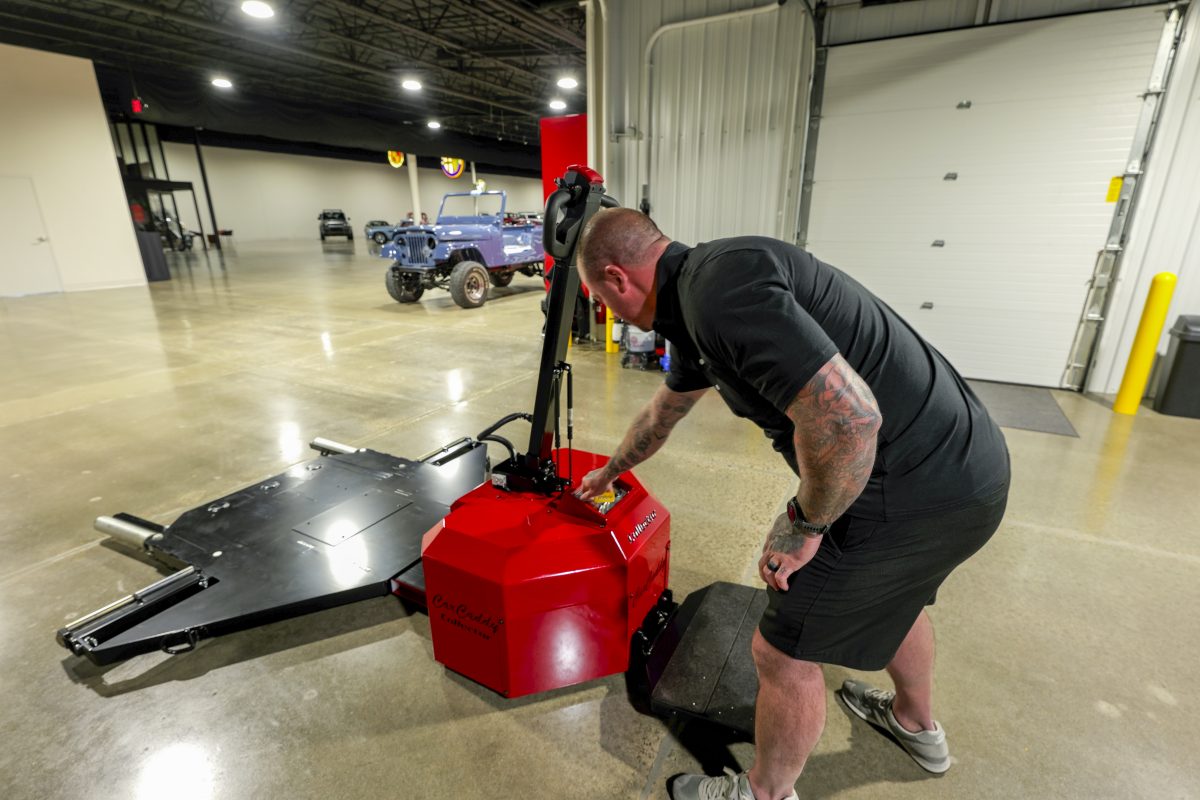
This is where an electric vehicle mover earns its keep. Rather than relying on the vehicle’s own engine or a crew of straining staff, a motorized car mover like CarCaddy lifts and rolls the car into place using a battery-powered drive system. No ignition required. No exhaust. No white-knuckle moments watching a bumper inch toward a display case.

A few reasons museums are making the switch:

  • Zero emissions indoors. Electric vehicle movers eliminate the need to run an engine inside a climate-controlled gallery, protecting both air quality and the vehicle itself.
  • Controlled, consistent movement. A car pushing machine moves at a steady, adjustable pace, which beats the unpredictability of human muscle on a smooth showroom floor.
  • Reduced contact risk. Features like roller arms and a low-profile platform cradle the vehicle rather than pushing against a bumper or body panel, keeping original trim and paint untouched.
  • Fewer people, less liability. A single trained operator can reposition a vehicle that would otherwise require three or four staff members pushing and spotting.

CarCaddy’s Collector’s Edition was built with exactly this scenario in mind. Rated for vehicles up to 7,000 lb. with front axle weight up to 3,000 lb., it handles everything from compact classics to full-size luxury sedans. The ride-on platform flips up for walk-behind operation in the tightest galleries, while LED lighting keeps the whole operation visible even in dim, moody museum lighting designed to flatter the paint jobs rather than the aisles.

In other words: it’s the stagehand of the car museum world. Nobody applauds the stagehand, but the show doesn’t happen without one.

Protect What You’ve Worked So Hard to Preserve

Minnesota’s intimate showrooms and Michigan’s sprawling campuses have one thing in common: every vehicle inside them is irreplaceable. A scratched fender or a dented rocker panel isn’t just an inconvenience — it’s a permanent mark on history.

If your museum, collection, or boutique dealership is still relying on hand-pushing or risky engine starts to reposition vehicles, it might be time for an upgrade that matches the value of what you’re protecting.

Check out CarCaddy’s full specifications to see which configuration fits your collection, and when you’re ready, hit the Get Now button to bring one home.

Still have questions about weight ratings, platform sizing, or how CarCaddy fits into your specific gallery layout? Our product engineers are happy to walk through the details with you. Fill out our contact form, and let’s figure out exactly how CarCaddy can keep your collection rolling — safely, quietly, and without a single unwanted bump along the way.

Stop Risking Scratches: Why CarCaddy Is the Safest Way to Move Prized Vehicles

Few things are more nerve-wracking than watching a six-figure classic car roll across concrete on its own tires, with a nervous intern at the wheel and a prayer on everyone’s lips. One wrong turn, one grinding clutch, one moment of distraction, and a priceless vehicle becomes a very expensive insurance claim.

For car museums, private collectors, and boutique dealerships, moving vehicles isn’t a once-in-a-while task. It’s a daily reality. Cars need to be repositioned for display, rotated for showroom features, or shuffled around storage facilities to make room for new arrivals. Every single move carries risk, especially when the vehicle in question is irreplaceable, rare, or simply not meant to be driven more than a few feet at a time.

That’s exactly the problem CarCaddy was built to solve. Instead of relying on engines, clutches, or questionable driving skills, CarCaddy offers a smarter, safer, and far more controlled way to move vehicles. If you’re responsible for keeping valuable cars pristine, this is worth your attention.

What Is CarCaddy and How Does It Work?

CarCaddy is a vehicle puller designed to move cars without starting the engine or putting a driver behind the wheel. Instead of relying on the car’s own power, CarCaddy attaches to the vehicle and allows a single operator to maneuver it smoothly and precisely, whether that’s into a tight display space, through a narrow showroom aisle, or onto a transport trailer.

Think of it as power steering for the entire car, minus the engine noise, the exhaust fumes, and the risk of someone accidentally flooring the gas pedal in a space built for careful, inch-by-inch movement.

Because CarCaddy doesn’t require the vehicle to run, it’s especially useful for non-operational cars, vehicles under restoration, or collector pieces that owners prefer not to start unnecessarily. It also means no exhaust fumes inside enclosed buildings, which matters more than most people realize until they’ve tried airing out a showroom.

Why CarCaddy Is Ideal for Car Museums

Museums are in the business of preservation and presentation, not patience-testing choreography. Exhibits change, vehicles rotate, and layouts shift, meaning staff are regularly repositioning cars that are often decades old, mechanically fragile, or simply too valuable to risk.

CarCaddy gives museum staff the ability to move vehicles with precision and without starting a single engine. That means no worrying about a car that hasn’t run in years suddenly needing to turn over, and no concerns about exhaust accumulating in an indoor exhibit space. It also means smoother coordination during exhibit changes, since a single trained operator can reposition vehicles efficiently instead of requiring a small crew of white-glove handlers to push, pull, and pray.

Why CarCaddy Is Essential for High-End Car Collection Owners

If you own a collection of high-performance or vintage vehicles, you already know that every single one of them has quirks. Some don’t like to idle. Some have clutches that require a very specific touch. Some simply shouldn’t be driven on a whim just to shift them three feet to the left in a crowded garage.

CarCaddy removes that gamble entirely. Collectors can reposition vehicles within garages, storage units, or private showrooms without starting the engine, reducing wear and tear on vehicles that are meant to be preserved, not daily-driven. It also minimizes the number of hands needed to move a car safely, which matters when “extra hands” often means more opportunities for dings, scrapes, and door-handle mishaps.

For collectors who have spent years (and considerable sums) curating a collection, CarCaddy offers peace of mind that’s hard to put a price on, right up until you realize how much a single bumper repair costs.

Why CarCaddy Works for Boutique Car Dealerships

Boutique dealerships operate differently than high-volume lots. Inventory often includes specialty, luxury, or collector vehicles that require a more careful touch than your average sedan. Moving vehicles around a showroom floor, repositioning for photography, or shuffling inventory in tight indoor spaces demands precision, not horsepower.

CarCaddy allows dealership staff to reposition vehicles quickly and quietly, without the noise, exhaust, or risk associated with starting and driving a car across a polished showroom floor. It also speeds up day-to-day operations, since staff can move vehicles solo instead of needing a coordinated team every time a car needs to shift six feet for better lighting or customer access.

Key Features and Specifications

CarCaddy is built with the kind of practical engineering that makes a real difference in daily operations. While capabilities vary by model, CarCaddy generally offers:

  • Engine-free operation, so vehicles can be moved without starting them
  • Precise maneuverability, designed for tight spaces like showrooms, garages, and storage facilities
  • Single-operator control, reducing labor requirements and coordination headaches
  • Reduced wear and tear, since vehicles aren’t driven unnecessarily
  • Indoor-friendly use, with no exhaust or emissions concerns

These features add up to safer handling, fewer accidents, and significantly less stress for anyone responsible for a valuable fleet of vehicles. For full specifications, weight capacities, and compatibility details, visit the CarCaddy website and review the complete product breakdown before making a decision.

Ready to Move Smarter?

Moving valuable vehicles shouldn’t feel like a high-stakes gamble every time a car needs to shift three feet. CarCaddy gives museums, collectors, and dealerships a safer, more controlled way to handle their vehicles, without the risk that comes from starting engines unnecessarily or relying on a crowded team of hopeful helpers.

Visit the CarCaddy website today to explore the full lineup, compare specifications, and find the right model for your space. When you’re ready to make the switch, click the Get Now button to get started.

Let’s Talk Details

At CarCaddy, we’ve spent years helping museums, collectors, and dealerships protect what matters most: the vehicles themselves. If you’re ready to see how CarCaddy fits into your specific setup, don’t just take our word for it. Fill out our contact form and we’ll connect you with one of our product engineers, who can walk you through the details, answer your questions, and help you find the right fit for your collection. Your cars have survived decades on the road. Let’s make sure moving them isn’t what finally gives them a scratch.

Built for Precision: Under the Hood of the CarCaddy Vehicle Puller

Managing a premier car museum, curating a private collection of automotive royalty, or overseeing a high-end boutique dealership is a constant exercise in spatial chess. When you are tasked with repositioning a million-dollar classic, a low-clearance supercar, or a heavy pre-war luxury sedan across a polished showroom floor, relying on brute force or crude towing equipment isn’t just unprofessional—it is a massive liability.

That is where precision industrial engineering meets automotive preservation. The CarCaddy Vehicle Puller was engineered from the ground up to solve the unique material-handling challenges faced by collectors and curators. Designed to move rolling stock weighing up to 7,000 lbs (with heavy-duty configurations rated up to 12,000 lbs), it delivers whisper-quiet, zero-emission power with surgical maneuverability.

To understand why facility managers consider it an essential piece of showroom equipment, let’s dive into the technical specifications, drive systems, and safety features that make the CarCaddy Vehicle Puller the premier vehicle relocation solution.

Heavy-Duty Powertrain and Battery Architecture

At the heart of the CarCaddy Vehicle Puller is a robust, industrial-grade electrical platform designed for high torque at low speeds:

  • 36V DC Drive System: Powered by a 36-volt, three-battery power pack, the unit delivers consistent, instantaneous torque to move heavy rolling stock effortlessly across flat epoxy, tile, or concrete surfaces.

  • Heavy-Duty Electric Motor: Equipped with a high-torque 36V motor (up to 3HP on heavy-duty models) configured to handle heavy axle loads without stalling, jerking, or straining under initial inertia.

  • Variable Speed Range (0–3 MPH): Micro-touch variable speed thumb controls allow the operator to creep forward or backward at fractions of a mile per hour. This ultra-fine control ensures you can park vehicles within millimeters of display glass or neighboring fenders without sudden surges.

  • Onboard Smart Charger: Features an integrated charging unit that plugs directly into standard 110V wall outlets. The system automatically manages charge cycles to prevent overcharging and ensure maximum battery life. AGM maintenance-free battery upgrades are also available for zero-fluid upkeep.

Zero-Touch Hydraulic Roller Arm System

Traditional methods of moving non-running vehicles indoors rely on rubber push pads, tow straps, or under-chassis floor jacks. Every one of these methods risks damaging delicate paintwork, bending vintage chrome, or scratching aluminum splitters.

The CarCaddy Vehicle Puller completely eliminates body contact through an advanced hydraulic tire-engagement mechanism:

Specification Technical Detail Operational Benefit
Engagement Method Dual Hydraulic Roller Arms Secures tires directly; zero contact with body, bumpers, or frame
Max Axle Capacity 3,000 lbs to 6,000 lbs (model dependent) Easily lifts heavy front engine blocks and luxury chassis
Gross Vehicle Capacity 7,000 lbs (VP 7K / Collector’s Edition) up to 12,000 lbs (VP 12K) Handles everything from light sports cars to full-size classic luxury sedans
Actuator Arm Adjustment Electric/Hydraulic 12″ Arm Spread Fits varying wheelbases and tire widths effortlessly

The hydraulic roller arms slide flat along the floor on either side of the front or rear tires. When engaged, the arms squeeze inward around the tire, gently cradling it and lifting the axle slightly off the ground. Because the entire weight of the vehicle rests solely on its tires, your body panels, suspension geometry, and custom chrome remain entirely untouched.

Maneuverability and Ergonomic Design

Indoor vehicle placement requires tight turn radiuses and seamless steering control. A vehicle mover is only as good as its ability to pivot in tight spots between velvet ropes and display pillars:

  • Wagon Wheel Drive & Steer Mechanism: The specialized drive assembly rotates smoothly under the unit, allowing 180-degree pivoting on its own axis. This allows a single operator to guide a full-size vehicle into tight corner displays where a standard push team could never maneuver.

  • Non-Marking Drive & Caster Wheels: Outfitted with high-traction, non-marking rubber drive tires and crown casters. You can pivot and turn heavy loads over pristine, high-gloss white epoxy or polished terrazzo floors without leaving dark rubber scuffs or skid marks.

  • Fold-Down Shock-Assisted Rider Platform: Designed for dual-mode operation, operators can walk behind the unit in tight, micro-adjustment scenarios, or flip down the cushioned, shock-assisted platform to ride comfortably when moving vehicles across larger hall floors.

  • Integrated Ergonomic Handlebars: Molded control grips place the variable thumb throttle, reverse switch, horn, and emergency stop button directly at the operator’s fingertips, minimizing wrist strain during extended facility reconfigurations.

Safety Architecture and Brake Systems

When moving multi-ton vehicles in public or high-value spaces, safety is paramount. A runaway vehicle on a sloped ramp or polished floor can result in catastrophic damage.

  • Neutral-Throttle Regenerative Braking: The moment the operator releases the thumb control, the drive system automatically engages dynamic electric braking. There are no coasting delays or manual brake pedals required; the unit brings the vehicle to a smooth, controlled halt instantly.

  • Automatic Electromagnetic Parking Brake: When power is cut or the throttle is centered in neutral, an electromechanical brake locks the drive wheel in place, holding the vehicle securely even on subtle inclines or loading ramps.

  • Safety Keylock Switch: Prevents unauthorized operation by staff or visitors when the unit is parked on the museum floor.

  • Visibility Features: Outfitted with standard LED illumination lights to illuminate the underside of vehicles and tire placement zones during low-light staging operations.

Transform Your Facility’s Workflow

Whether you manage an expansive public museum, oversee a luxury consignment showroom, or maintain a private warehouse of rare vintage classics, the CarCaddy Vehicle Puller turns a stressful, multi-person labor ordeal into a quiet, effortless, single-person operation. Protect your staff from physical strain, safeguard your paintwork, and keep your indoor air pristine.

To review complete dimensional drawings, explore custom color options, and inspect full spec sheets, visit our website today. Click the Get Now button to upgrade your facility’s vehicle handling infrastructure!

Speak with a DJ Products Product Engineer

At DJ Products, Inc., every CarCaddy Vehicle Puller is built heavy-duty and customized to meet the exact operational demands of world-class automotive facilities. Whether you need specialized tire pans for locked wheels or high-capacity battery configurations, our team is ready to assist.

Complete our online contact form today to schedule a detailed one-on-one consultation with one of our expert product engineers and discover how the CarCaddy Vehicle Puller can transform your showroom logistics!

Preserving Automotive Precision: What Top Minnesota Collectors Can Teach Us About Moving Fine Automobiles

Managing a premier automotive showroom or a multi-million-dollar private collection is a delicate balance between fine art curation and heavy industrial logistics. When your “canvas” weighs two tons, features original single-stage lacquer paint, and rests on irreplaceable whitewall tires, simply moving a vehicle across a polished display floor becomes a high-stakes endeavor.

Minnesota has quietly become one of the Midwest’s premier epicenters for world-class classic cars, high-end muscle, and rare European sports cars. From massive indoor showrooms to bespoke private storage facilities, the state’s top automotive destinations set the regional benchmark for presentation, preservation, and elite facility management.

The Standard Bearers of Minnesota’s Collector Scene

To understand what it takes to manage world-class inventory at scale, look at how the top classic car dealers, consignment specialists, and collector showrooms in Minnesota operate:

  • Ellingson Motorcars (Rogers, MN): As one of the largest indoor collector car showrooms in the Midwest, Ellingson maintains an active inventory of over 120 vehicles—spanning pre-war antiques, classic American muscle, European sports cars, and high-end resto-mods. Their facility sets a high standard with climate-controlled viewing, full-service reconditioning, professional appraisals, and top-tier consignment services.

  • Unique Classic Cars (Mankato, MN): A dominant force in classic, muscle, and vintage vehicle sales throughout southern Minnesota, Unique Classic Cars is renowned for its sweeping inventory, detailed video walk-arounds, and seamless global shipping operations.

  • Mad Muscle Garage / M.M.G. Classic Cars (Waconia, MN): Specializing in raw horsepower and custom builds, MMG focuses on muscle cars, hot rods, and custom classics. Their operation offers white-glove consignment, certified market-value appraisals, third-party pre-purchase inspections, and complete rotisserie restorations.

  • Classic Rides and Rods (Annandale, MN): Dedicated to American muscle, street rods, and vintage trucks, this destination provides expert sales, consignment services, and comprehensive buyer representation.

  • Millrace Motor Club & Service Division (Twin Cities area): Catering to the region’s most discerning collectors, Millrace offers high-security, climate-controlled vintage automotive storage, exclusive community club events, and specialized restoration maintenance for rare, high-value classics.

The Hidden Logistics Challenge: Moving Heavy Metal Safely

Whether you are staging a 120-car showroom like Ellingson, arranging a pristine photo shoot for a global listing like Unique Classic Cars, or maneuvering a delicate vintage build through a service bay like Millrace Motor Club, one operational headache remains constant: repositioning non-running, staged, or ultra-valuable vehicles indoors. 

Firing up a classic engine inside a pristine, climate-controlled showroom just to move a vehicle 15 feet creates immediate drawbacks and liability:

  1. Harmful Exhaust Fumes: Unburnt hydrocarbons and carbon monoxide linger in enclosed indoor spaces, ruining the visitor experience and settling fine oily residues on surrounding detailed finishes.

  2. Cold Start Wear & Fuel Wash: Repeated cold starts without reaching full operating temperature causes accelerated cylinder wall wear and unburnt fuel dilution in the oil pan—something no collector wants for an irreplaceable engine.

  3. The “Human Push Team” Risk: Calling three staff members off their actual jobs to manually push a $250,000 vehicle through a tight aisle invites slipped boots, accidental fender pressure, palm dents, or worse—a runaway vehicle overshooting its mark on polished concrete.

  4. Tow Straps and Floor Jacks: Traditional floor jacks, dollies, and tow straps risk damaging delicate suspensions, low-clearance front splitters, pristine undercarriages, or mint-condition chrome bumpers.

When managing high-value inventory, relying on brute force or risky improvised maneuvers is simply an unnecessary, high-cost liability.

Precision Engineering for High-End Showrooms

This is precisely where the CarCaddy Vehicle Puller transforms day-to-day showroom operations. Designed specifically for tight indoor maneuvers, delicate paintwork, and single-operator efficiency, the CarCaddy Vehicle Puller allows a single staff member to effortlessly relocate vehicles up to 12,000 lbs with surgical precision—and zero exhaust emissions.

At the core of the CarCaddy Vehicle Puller design is a smooth-throttle, 36V electric motor drive system that powers specialized hydraulic roller arms. Rather than pushing against fragile body panels or hooking straps to structural components, these hydraulic roller arms utilize tire-only engagement. They slide directly under the front or rear tires and lift the axle smoothly off the floor without ever making physical contact with the vehicle’s bodywork, bumper, steering linkages, or frame.

Key operational advantages include:

  • Zero-Touch Body Protection: Because the unit connects exclusively via the tires, your paint, custom chrome trim, and body panels remain completely untouched and free from accidental scratches or dents.

  • Single-Operator Efficiency: One person can safely navigate tight showroom aisles, turn sharp corners using variable-speed controls, and place vehicles within inches of displays without physical strain or extra spotters.

  • Whisper-Quiet 36V Electric Drive: Clean, quiet, battery-powered operation preserves pristine indoor air quality, eliminates noisy engine idling, and ensures a peaceful environment for visiting clients.

  • Controlled Braking and Steering: Neutral-throttle regenerative braking ensures full vehicle control on smooth, polished epoxy floors, stopping movement instantly the moment the operator releases the controls.

  • Compact Maneuverability: Designed with an ultra-tight turning radius, the tug allows facility managers to maximize showroom floor space and park inventory significantly closer together than manual pushing allows.

Elevate Your Showroom Operations Today

Whether you manage a public automotive museum, direct a boutique classic dealership, or curate a private collection of rare classics, your inventory deserves the highest level of care during every movement. Stop risking physical strain, accidental dings, and messy exhaust fumes across your showroom floor.

Experience the ultimate standard in gentle, precise vehicle relocation. Visit our website today to explore our full line of material handling equipment, review complete technical specifications, and click the Get Now button to upgrade your facility’s operational capabilities.

Partner with Our Engineering Team

At DJ Products, Inc., we engineer specialized battery-powered tugs and vehicle movers tailored to the exacting demands of automotive museums, luxury dealerships, and world-class collection facilities. Our equipment is built heavy-duty, designed for maximum ergonomic safety, and backed by industry-leading customer support.

Ready to streamline your vehicle handling and protect your valuable inventory? Complete our online contact form today to schedule a detailed one-on-one consultation with one of our expert product engineers!

Preserving History: Top Historic Automobile Collections in the U.S. and How to Protect Them

America’s rich automotive heritage lives on through world-class museums, public display halls, and sprawling private collections across the country. Managing a premier car collection takes far more than passion—it requires meticulous care, thoughtful gallery layouts, and equipment that respects a multi-million-dollar paint job.

Let’s be honest: moving non-running classic cars without causing accidental damage is a constant high-stakes balancing act. One slip of a hand, and suddenly a pristine 1930s fender has an uninvited thumbprint-shaped crease. In this guide, we take a tour of five top historic automobile collections in the United States, examine the white-knuckle risks of moving rare display vehicles, and explain why a specialized electric vehicle mover is a curator’s best friend.

Top 5 U.S. Historic Automobile Collections

The United States is home to some of the most comprehensive automotive assemblies in the world. Here are five standout collections that every car enthusiast, collector, and curator should know:

  1. Petersen Automotive Museum – Los Angeles, California

Located along the famous Miracle Mile in Los Angeles, The Petersen features over 100,000 square feet of rotatable exhibit space. Its famed “Vault” holds hundreds of rare classics, Hollywood star cars, legendary hot rods, and historic race cars. The museum’s dynamic layouts require constant vehicle movement to refresh gallery spaces for millions of visitors.

  1. The Henry Ford Museum of American Innovation – Dearborn, Michigan

Situated in the heart of the American auto industry, The Henry Ford holds an unparalleled collection of manufacturing history. Notable displays include landmark brass-era vehicles, presidential limousines, early race cars, and industrial milestones. Preserving the original paint and delicate bodywork on these one-of-a-kind treasures is a non-negotiable priority.

  1. Revs Institute – Naples, Florida

Home to the world-renowned Miles Collier Collections, The Revs Institute is a premier destination for automotive research and historic preservation. Featuring over 100 historically significant sports and racing cars, the facility maintains many of its vehicles in fully operational condition. Preserving the exact originality of these sports racers requires specialized, gentle handling techniques.

  1. Simeone Foundation Automotive Museum – Philadelphia, Pennsylvania

Celebrating the history of sports racing cars, The Simeone Foundation features decades of rare endurance racers from historic events like Le Mans, the Mille Miglia, and Sebring. Many of these vehicles preserve their original factory finish and racing patina, making body panel preservation critical during indoor display shifts.

  1. Lane Motor Museum – Nashville, Tennessee

Famous for showcasing unconventional engineering, The Lane Motor Museum houses a unique collection of microcars, European prototypes, amphibious vehicles, and unusual transportation designs. Moving these non-standard wheelbases through tight display bays demands flexible, high-precision equipment.

The Hidden Risks of Relocating Rare Display Vehicles

Exhibiting rare automobiles comes with unique operational demands. Vintage batteries love to die at the worst possible moments, fuel systems are often kept drained for indoor safety, and tires tend to settle into a cozy nap after months on display. When curators need to rearrange a floor plan, simply turning the key isn’t always an option.

For decades, facilities relied on brute physical labor or improvised pushers. However, low-tech relocation methods introduce some high-risk headaches:

  • Accidental Dents and Paint Blemishes: Human elbows, belt buckles, and hand pressure can easily leave subtle dings, stress marks, or micro-scratches in original clear coats.
  • Narrow Display Bays and Tight Columns: Navigating long, heavy classic cars around structural pillars requires steady control. Pushing a 4,000-pound luxury sedan by hand leaves you relying entirely on prayer and quick footwork for stopping power.
  • Bumper and Frame Stress: Relying on push-bar tools that contact the vehicle directly applies unwanted force to original trim, delicate chrome bumpers, or custom fiberglass grilles.

To eliminate the need for six staff members groaning in unison while pushing a priceless coupe, modern collection managers rely on dedicated motorized power tools.

What to Look For in a Safe Vehicle Mover

When evaluating equipment for moving show-quality vehicles, not all machines are built with vintage steel in mind.

Bumper-Contact Pushers vs. Tire-Engagement Systems

Some basic pushing units rely on front push plates that press directly against the car’s bumper. While that might fly in a auto repair shop or a scrap yard, applying direct pressure to custom paint or rare chrome trim is a recipe for heartbreak.

By contrast, a wheel-engagement vehicle mover bypasses the body entirely. By cradling the vehicle’s tires directly, the machine lifts and rolls the vehicle without ever touching bumpers, fenders, or side panels.

Whisper-Quiet Indoor Operation

Exhaust fumes, gas odors, and roaring engines do not belong in an enclosed museum gallery, boutique showroom, or private display building. A quality electric car pusher operates quietly and produces zero emissions, allowing staff to move cars during open business hours without startling guests out of their reverie.

Single-Operator Control and Efficiency

Tying up half your staff to move a single non-running vehicle isn’t just inefficient—it’s an unnecessary safety risk. A walk-behind car pushing machine transforms a chaotic group effort into a smooth, single-operator task.

How CarCaddy Protects Your Collection

At CarCaddy, a division of DJ Products, we build walk-behind battery-powered tugs engineered specifically for smooth, controlled vehicle transport. The CarCaddy line offers distinct advantages for curators, boutique dealership owners, and private collectors:

  1. Zero-Body-Contact Tire Lifting: Our electric vehicle mover attaches directly to the drive or steer tires. Your car’s body panels, custom paint, and delicate bumpers remain completely untouched.
  2. Compact Maneuverability: Designed to navigate tight turns, narrow aisles, and packed showroom layouts, CarCaddy gives operators precise steering control around valuable display pieces.
  3. Smooth Variable Speed Control: Gradual acceleration and reliable braking prevent sudden jerks, giving operators complete confidence when positioning cars inches away from display walls or glass partitions.
  4. Heavy-Duty Battery Power: With long run times and simple overnight wall-outlet charging, your team always has access to reliable power whenever a layout change is required.

Keep Your Automotive Treasures Pristine

Preserving automotive history requires attention to every detail—from climate control down to how a vehicle is pushed across a polished floor. Don’t let routine showroom changes turn into expensive body-shop visits.

Upgrade your collection operations with a reliable car pushing machine built for safety, precision, and ease of use. Contact the CarCaddy team at DJ Products today to learn more about our lineup or request a customized solution for your facility.


The Tow-Bar Tango and Other Garage Rituals You Can Finally Retire

There is a precise sequence of events that occurs when you need to move a dead, dormant, or mid-restoration car across a shop floor or down a driveway. It starts with optimism, quickly moves through sweat and mild panic, and usually ends with someone yelling, “Turn the wheel! No, the OTHER left!”

If you’ve ever tried to steer an engine-less classic while three people push, or tried to nudge a rolling chassis up a 2-degree incline with nothing but raw willpower and a pry bar, you already know the truth: moving unpowered vehicles by hand is a sport nobody asked for.

Enter the CarCaddy Vehicle Puller—the piece of equipment designed specifically to end the manual labor, save your back, and prevent your vehicle’s front bumper from making unexpected, intimate contact with the garage wall.

The Anatomy of the “Push & Pray” Method

Before looking at how the CarCaddy solves the problem, let’s honor the age-old methods we are leaving behind:

  • The Solo Lean: You place one shoulder against the A-pillar, put one hand on the steering wheel through the open window, and push with your legs. You gain six inches of momentum before the tire hits a tiny pebble, stopping the car dead and nearly dislocating your collarbone.
  • The Family Emergency Crew: You draft your spouse, your teenager, and a neighbor who was just walking by to check their mail. One person steers, two push, and one stands in front waving their arms like a deck officer on an aircraft carrier.
  • The Lawn Tractor Hack: You attach a tow strap to a riding mower. The mower spins its turf tires uselessly on the concrete, leaving rubber marks right next to the oil stain you haven’t cleaned up yet.

While these traditions build character, they aren’t particularly efficient. They also carry a high risk of dented sheet metal, pulled lower back muscles, and colorful language that startles the local wildlife.

How the CarCaddy Changes the Game

The CarCaddy Vehicle Puller is built on a very simple premise: a single operator should be able to move up to 20,000 pounds of rolling steel without breaking a sweat, calling for backup, or risk running over their own toes.

Instead of relying on momentum, brute force, or awkward angles, the CarCaddy connects directly to the vehicle’s tires or frame. Here is why making the switch feels like moving from a stone-wheel cart to a hovercraft:

1. One-Person Operation (No Draft Picks Required)

You no longer need to recruit an entire pit crew just to move a vehicle out of a bay for cleaning or detail work. With variable-speed twist grips and smooth acceleration, a single person can guide cars, light trucks, or vans around tight shop corners with millimeter precision.

2. Total Control on Incline and Decline

Moving a car downhill is easy; stopping it before it meets the workbench is the tricky part. The CarCaddy features automatic braking systems. When you let go of the controls, the unit stops. The vehicle doesn’t coast, roll away, or take on a mind of its own.

3. Compact Power for Tight Spaces

Floor jacks, tow trucks, and larger machinery require massive turn radiuses and clear aisles. The CarCaddy operates within a extremely tight footprint, letting you tuck vehicles into tight corners of a showroom, storage barn, or service bay without needing ten extra feet of runway to maneuver.

Where It Earns Its Keep

While it’s a favorite for classic car collectors who treat their garages like museum wings, the CarCaddy is built for heavy daily use across a wide variety of settings:

  • Auto Repair & Body Shops: Effortlessly shift dead-on-arrival vehicles from the parking lot into service bays without tying up three technicians who should be billing hours on a lift.
  • Dealership Showrooms: Move high-end display vehicles across slick tile floors smoothly, without scuffing tires, leaving exhaust fumes, or risking a slip-and-fall.
  • Collector Barns & Storage Facilities: Maximize floor space by parking cars inches apart, knowing you can easily pull the front one out whenever it’s time for a weekend drive.
  • Fleet Maintenance Depots: Handle vans, service trucks, and utility vehicles safely on gravel, asphalt, or concrete.

The ROI of Saving Your Back

It’s easy to look at shop equipment strictly in terms of specs—torque, weight capacity, battery life, and duty cycles. But the real return on investment comes down to two things: time and physical wear-and-tear.

When moving a non-running vehicle takes two minutes instead of twenty minutes of setup and coordination, work moves faster. When your technicians aren’t straining their joints to muscle a 4,000-pound SUV onto a flatbed or into an alignment rack, they stay safer and fresher throughout the workday.

Plus, you eliminate the risk of the “oops” moment—that heart-stopping sound of metal meeting garage door frames because someone lost their footing while pushing.

Upgrade Your Move

The days of calling the whole family into the driveway to push a project car into the sun are over. The days of risking a hernia over a dead battery are finished.

Whether you’re running a high-volume commercial shop, managing a fleet, or maintaining a private collection of restored classics, the CarCaddy Vehicle Puller gives you absolute control over heavy equipment with the push of a button.

Work smarter, keep your body intact, and leave the heavy pushing to the machine built for the job.

Ready to streamline your shop flow? Contact our team today to find the exact CarCaddy model, weight capacity, and tire attachment setup for your facility.

Moving Millions in Silence: What Jay Leno’s Garage Teaches Us About Showroom Safety

Few garages on earth carry the same weight—literally and figuratively—as Jay Leno’s Big Dog Garage in Burbank, California. With over 181 cars and 160 motorcycles, collectively valued at an estimated $53 million, Leno’s collection is less a hobby and more a living museum. Every vehicle is a runner, not a display piece. And every vehicle, at some point, needs to be moved. 

That’s where things get complicated. 

For automotive museum managers, private registry curators, and boutique dealerships housing rare and irreplaceable vehicles, moving cars around a facility is one of the highest-risk, most under-appreciated tasks in the business. It happens daily. It rarely makes headlines—until something goes catastrophically wrong. 

The Financial Stakes Are Higher Than Most People Realize

Managing an elite collection isn’t just about aesthetics. It’s about liability. When a single car in your facility is worth $20 million, every movement becomes a calculated risk. 

The crown jewel of Leno’s collection is his 1934 Duesenberg Walker Coupe—an absolute one-of-one aerodynamic marvel, custom-built in the 1930s for a pharmaceutical tycoon, and never replicated. There is no parts catalog for a car like this. No second chance if the bodywork gets dented. No insurance payout that restores irreplaceable pre-war metalwork or the provenance attached to original paintwork. 

Behind the Duesenberg sits his 1994 McLaren F1—one of only 106 ever produced—currently valued at $12 million. Then there’s the 1963 Chrysler Turbine Car, the 1967 Lamborghini Miura P400, the 1928 Bentley Speed 6, and early steam-powered vehicles that pre-date modern automotive engineering by decades. 

Each of these vehicles presents its own set of logistical challenges. Each one is irreplaceable. 

Why Hand-Pushing Is Never the Right Answer 

Here’s a scenario that plays out in garages and showrooms more often than it should: a curator needs to shuffle a car three feet to the left to make room for an incoming vehicle. There’s no key, or the battery is dead, or—more critically—the vehicle simply should not be started for a quick reposition. So the team gathers around, places hands on body panels, and pushes. 

For vehicles like the early steam-powered cars in Leno’s collection, or experimental models like the Chrysler Turbine, starting the engine for a minor repositioning isn’t just inconvenient—it can be genuinely harmful to the vehicle and dangerous for the crew. But a five-man push introduces its own set of risks: uneven force distribution, accidental contact with fragile paint, one misstep near a low-clearance bumper, or a crew member losing their footing on a polished concrete floor. 

On a $20 million car, a single handprint pressed into 90-year-old lacquer during an awkward push is not a minor incident. It’s a disaster. 

The Mechanical Diversity Problem in Elite Collections 

Part of what makes collections like Leno’s so extraordinary is their range. You might have a modern carbon-fiber supercar parked beside a century-old steam vehicle. A turbine-powered experimental prototype adjacent to a classic Lamborghini Countach. 

These vehicles do not share the same weight distribution, suspension geometry, or structural tolerances. They require a repositioning solution that adapts to them—not the other way around. That’s precisely the gap that a purpose-built electric vehicle mover fills. 

Rather than relying on human judgment and grip strength, a dedicated car pushing machine engages directly with the tires, applying smooth, controlled force at the safest possible contact point. No body panel contact, no improvised leverage, and no risk of a crew member losing their footing mid-push. 

Why CarCaddy Is the Right Tool for High-Value Collections 

CarCaddy is an American-made electric vehicle mover engineered specifically for environments where precision and protection are non-negotiable. Designed for museums, private collectors, and boutique dealerships, the CarCaddy handles vehicles up to 7,000 lbs with controlled, battery-powered movement—safely, quietly, and without exhaust fumes that could contaminate a closed showroom or storage facility. 

A single operator controls the CarCaddy from an ergonomic ride-on or walk-behind platform, with a variable roller arm system that adjusts for loading and unloading of almost any vehicle. The non-marking drive wheels and crown caster wheels ensure no contact marks are left on delicate flooring—an important detail in facilities housing multi-million dollar collections. 

Unlike competitors such as Stringo or Power Pusher, the CarCaddy is built with a low-profile design that works in tight showroom configurations without requiring costly facility modifications or a large operational footprint. The 36V three-battery drive system delivers smooth, adjustable acceleration and neutral throttle braking—meaning the operator stays in complete control, even when maneuvering a historically significant vehicle in a confined space. 

For facilities where repositioning happens regularly, this isn’t a luxury. It’s the right way to operate. 

The Standard You Set Reflects the Collection You Keep 

A $53 million collection doesn’t stay valuable by accident. It stays valuable because every decision—every restoration, every storage arrangement, every repositioning—is made with the long-term integrity of the vehicle in mind. 

Automotive museums and private curators who operate at this level understand that the tools you use to move vehicles reflect the standard of care you bring to everything else. A manual push is a judgment call made under pressure. An electric car pusher is a system built for precision. 

The difference between the two shows up not in the moments where nothing goes wrong—but in the moments where it almost does. 

Ready to Protect What You’ve Built?

At CarCaddy, we work with museum managers, private collectors, and dealership operators who take vehicle safety seriously. Our team of product engineers understands the unique challenges of moving rare, dead-battery, or structurally sensitive vehicles through tight spaces—and we’re ready to help you find the right configuration for your facility. 

Visit carcaddyvehiclepuller.com to review the full specifications for the CarCaddy Collector’s Edition. Then complete the contact form to connect directly with one of our product engineers. We’ll walk you through the options, answer your questions, and make sure you have the right vehicle mover for the collection you’ve worked hard to build. 

The Art of the Effortless Move: Why High-End Collections Deserve Better Than a Five-Person Push

Imagine this: A pristine, multi-million-dollar classic rolls into your showroom or private gallery. The paint is flawless, the chrome gleams under the LED lights, and the historic value is irreplaceable. But it needs to be repositioned.

Suddenly, the luxury atmosphere evaporates. You have to round up four or five staff members. Someone’s leaning on a vintage fender. Another person is precariously close to a custom bumper. Everyone is sweating, breathing heavily, and praying nobody’s belt buckle scratches the clear coat. It looks disorganized, it risks catastrophic damage, and frankly, it just doesn’t match the sophisticated aesthetic of a high-end automotive space.

Your vehicles are masterpieces. Moving them shouldn’t look like a high school gym class project.

Enter the CarCaddy Vehicle Puller: The Collector’s Edition. Engineered right here in the USA by DJ Products in Minnesota, this sleek machine is completely redefining how boutique dealerships, car museums, and private collectors manage their investments. It turns a stressful, multi-person chore into a silent, flawless, one-person operation.

Precision Engineering for Priceless Assets

When you are dealing with rare vintage vehicles, exotic supercars, or high-end luxury inventory, traditional moving methods simply don’t cut it. Pushing cars manually or using clumsy, industrial-grade tow equipment poses serious liabilities.

The CarCaddy Collector’s Edition was built specifically to eliminate those risks. Here is how the engineering keeps your vehicles pristine:

Zero Bumper or Body Contact: The CarCaddy features a brilliant, low-profile design with variable adjustable roller arms. It gently grips and secures the tires, completely bypassing the delicate bodywork, low-hanging front splitters, and vintage bumpers.

Impeccable Maneuverability: Operating in tight showroom spaces or packed gallery floors requires surgical precision. With its advanced Wagon Wheel steering and an angled control panel with molded handlebars, a single operator can guide a vehicle around tight corners and into exact positions with zero physical strain.

Total Speed Control: Mechanical jerks can damage transmissions or cause vehicles to roll unexpectedly. The CarCaddy utilizes a high-tech speed controller that allows smooth, variable acceleration from 0 to 3 mph in both forward and reverse. Coupled with adjustable acceleration/braking and a neutral throttle braking system, the machine stops safely the moment the operator lets go.

Power That Operates in Total Silence

Industrial gas-powered tugs are loud, exhaust-heavy, and completely ruin the refined ambiance of a luxury dealership or museum.

The CarCaddy runs on a clean, whisper-quiet 36VDC drive system powered by a robust three-battery setup. It delivers an impressive 7,000 lb. vehicle towing capacity and handles a 3,000 lb. front axle weight effortlessly—all without a single drop of exhaust or loud engine revs.

Even your pristine showroom floors are protected. The machine is outfitted with non-marking drive wheels and non-marking crown caster wheels. You get all the mechanical muscle you need without leaving a single scuff mark behind.

Performance Capability

Max Vehicle Weight Up to 7,000 lbs

Max Front Axle Weight  Up to 3,000 lbs

Drive System 36VDC with external battery charger

Speed Range 0–3 mph (Variable Forward/Reverse)

Safety Features Neutral throttle braking & safety stop switch

Bespoke Aesthetics: Because Form Follows Function

If you have spent hundreds of thousands of dollars designing a state-of-the-art showroom, a historic museum gallery, or a private luxury garage, the last thing you want is a piece of ugly, industrial orange warehouse equipment sitting in the corner.

The CarCaddy Collector’s Edition is designed to look just as premium as the vehicles it moves. It boasts a sleek, low-profile silhouette, brilliant LED high-beam headlights for crisp visibility, and a lighted rider platform that conveniently flips up or down depending on whether you want to ride or walk the machine.

Best of all? It is entirely color customizable.

While it comes standard in an eye-catching Ferrari Red, DJ Products can custom-paint your CarCaddy to match your specific branding, your facility’s interior design, or even a standout vehicle in your collection. Whether you want a sophisticated Matte Black with Gold accents, a classic Silver, an elegant White, or a custom Baby Blue, this machine integrates seamlessly into luxury spaces. To put it simply: it just looks damn cool.

“The Collector’s Edition is a sleek and sexy vehicle moving solution for museums, classic consignment shops, or private collectors… plus, it just looks DAMN COOL!”

Protect Your Staff, Your Floors, and Your Inventory

As a business owner or elite collector, efficiency and risk management are always top of mind. Relying on an army of employees to push a vehicle invites workplace injuries, strains, and costly accidents.

With the CarCaddy, you eliminate the safety hazards of manual labor. A single staff member can safely move a heavy luxury SUV or a fragile classic car across a crowded room in seconds. The integrated battery charge indicator ensures you are always aware of your power levels, and the external battery charger makes keeping the machine topped off completely effortless. And if you ever need support, our technical service team offers same-day parts shipping to ensure your gallery never skips a beat.

Let’s Engineer the Perfect Setup for Your Collection

Every automotive showroom, museum layout, and private collection has its own unique challenges—from tight turning radiuses to specific floor finishes or custom vehicle weights. You shouldn’t have to guess which options or custom configurations will work best for your space.

Our engineering team in Minnesota is ready to look at your facility’s layout, discuss the specific vehicles you manage, and help you select the exact specifications and aesthetic customizations to match your high-end standards.

Don’t leave your priceless inventory to the mercy of a five-person push. Contact a CarCaddy engineer today to elevate your vehicle management to the luxury standard it deserves.

The Secret to Stopping Cold Starting: Moving Your Classic Cars

May is finally here, and for private automotive collectors, that means it is time to get your vehicles ready for the road. The weather is warming up, the salt is off the roads, and the open highway is calling. But before you can take your favorite summer driver out for a spin, you usually have to deal with a frustrating logistical hurdle: “the shuffle.”

Often, the exact car you want to take out on the first sunny weekend is tucked safely in the back corner of your garage, completely blocked by three other vehicles. Moving a million-dollar car with only inches of clearance is a stressful endeavor. It requires careful planning, a lot of patience, and usually a few extra sets of hands.

Many collectors resort to simply turning on the engines of the blocking cars, backing them out into the driveway, and then pulling the summer vehicle out. While this might seem like the fastest method, it introduces a host of risks to your delicate engines and your enclosed air quality. There is a much better, safer way to handle the summer shuffle.

By utilizing an electric car pusher, you can safely and efficiently move your vehicles without the exhaust fumes or the risk of damaging your engines. Let’s look at why this simple equipment upgrade is the best investment you can make for your private garage this season.

The Problem with Cold Starts

Starting a vintage engine just to move a vehicle 15 feet is one of the worst things you can do for its longevity. When a car has been sitting in a garage for weeks or months, the oil drains down into the oil pan. The engine is completely dry at the top. When you turn the key, the metal components rub against each other without proper lubrication for those first few crucial seconds.

This is known as a cold start, and it causes significant wear and tear. Furthermore, running an engine for only a minute or two prevents it from reaching its proper operating temperature. This short run time leads to several mechanical issues:

  • Condensation buildup: Moisture naturally forms inside the engine and exhaust system. If the car does not get hot enough to burn this moisture off, it sits inside the exhaust pipes and engine block, leading to internal rust and corrosion.
  • Oil pressure drops: Cold oil is thick and heavy. Asking your oil pump to move cold oil for a 15-foot trip, only to shut the engine off immediately, places unnecessary strain on your vehicle’s internal systems.
  • Toxic exhaust fumes: Starting multiple older, un-catalyzed vehicles in an enclosed or semi-enclosed garage fills your sanctuary with dangerous carbon monoxide and noxious odors.

Using an electric car pusher eliminates the need for cold starts entirely. You can safely maneuver your classic cars out of the way without ever turning the ignition key, protecting your investment and your lungs.

Reclaiming Your Garage Space

Garage real estate is incredibly valuable. Whether you have a dedicated warehouse or a heavily customized residential garage, maximizing your square footage is always a priority. Unfortunately, maneuvering vehicles by hand or by driving them requires leaving wide gaps between the cars. You need enough room to swing the driver’s side door open, get inside, and physically steer the wheel.

An electric car pusher changes the geometry of your garage entirely. Because the pusher attaches directly to the tires and allows you to control the vehicle’s direction from the outside, you no longer need door-swing clearance.

You can park your cars safely with mere inches of clearance between them. This allows you to fit more vehicles into the same footprint, effectively reclaiming lost space. You can push a vehicle tightly against a wall or snug it up next to another car with complete confidence, knowing you have total control over its momentum and direction.

Reorganize on Your Own Terms: One-Person Operation

For many collectors, the garage is a place of solitude and relaxation. Spending a Saturday morning detailing, maintaining, and reorganizing your collection should be an enjoyable experience. But if you have to rely on neighbors, friends, or family members to help you push heavy cars around, that independence disappears.

An electric car pusher gives you the freedom of a true one-person operation. You do not need a spotter, and you do not need someone steering from the driver’s seat while you push from the bumper.

  • Total control: You stand at the front or rear of the vehicle, giving you a clear line of sight to all potential obstacles.
  • Effortless movement: The electric motor does all the heavy lifting, allowing you to move heavy vintage steel across flat surfaces or slight inclines without breaking a sweat.
  • Ultimate convenience: Reorganize your entire layout on a whim, at any hour of the day, without waiting for assistance or waking up the neighborhood with loud exhaust notes.

Frequently Asked Questions (FAQ)

Can an electric car pusher handle heavy vintage vehicles?

Absolutely. Most high-quality electric car pushers are rated to move vehicles weighing several thousand pounds. Whether you are moving a lightweight European sports car or a heavy American muscle car, the pusher provides consistent, smooth torque to get the job done safely.

Will the pusher damage my tires or bodywork?

No. An electric car pusher is designed to engage smoothly with the tread of your tires. It does not make contact with your fragile bodywork, bumpers, or undercarriage components, ensuring your million-dollar vehicles remain in pristine condition.

Is it difficult to steer a car from the outside?

Not at all. The pusher handles the forward and reverse momentum. For steering, you simply guide the vehicle’s tires from the outside, or in some cases, you can reach through an open window to adjust the steering wheel slightly. Because you are moving at a slow, highly controlled pace, keeping the car on track is incredibly easy.

Make Your Next Garage Reorganization a Breeze

Your collection is your sanctuary, and the time you spend with your vehicles should be relaxing and rewarding. Moving your cars to prepare for the summer driving season should never involve stress, the risk of body damage, or the mechanical strain of cold starting a delicate engine.

As a fellow enthusiast, I understand the level of care your collection requires. Keep your private garage running smoothly and safely this season. Contact us today for a personalized price quote on an electric car pusher, and make your next garage shuffle a completely effortless experience.