How Minnesota Car Collectors Connect: Top Clubs, Display Spaces & Communities

Minnesota’s car scene punches well above its weight. Between classic American muscle, pristine street rods, and the occasional European exotic hiding in a suburban garage, this state takes its automotive passion seriously. But as autumn leaves pile up and the first frost warning rolls in, every collector faces the same seasonal ritual: getting prized vehicles tucked safely into winter storage before the Minnesota chill turns garages into ice boxes.

Whether you’re a longtime club member or a newer collector still figuring out where the local scene hangs out, this guide covers the clubs, communities, and storage solutions that keep Minnesota’s car culture running strong—even when the roads don’t cooperate.

MN Car Condos & Private Garage Communities

For collectors who want more than a drafty two-car garage, Minnesota’s garage condo communities have become the gold standard for winter storage. These facilities offer something a typical home garage simply can’t: climate control, security, and the kind of neighbors who actually appreciate a flawless paint job.

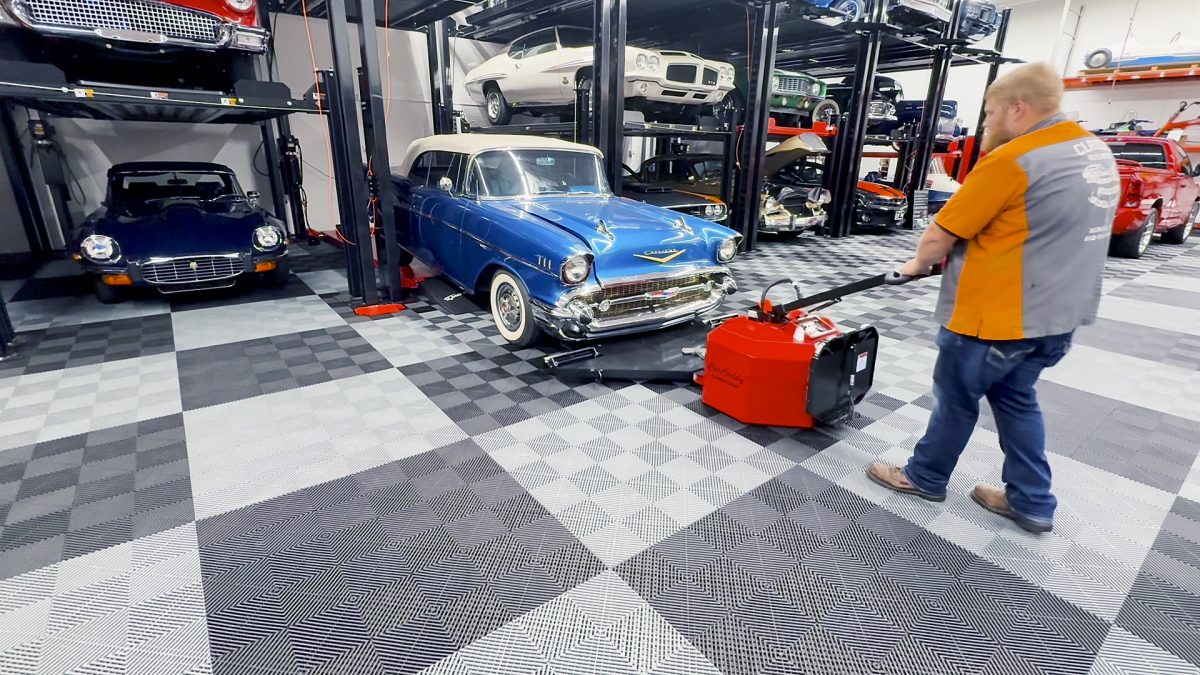
AutoMotorPlex Chanhassen houses more than 140 private garage condo units and has become a gathering point for enthusiast events like Cars & Caves. It’s part storage facility, part social club—exactly the combination serious collectors are looking for. With vehicles staged close together in high-density layouts, having a reliable vehicle mover on hand isn’t a luxury here; it’s a practical necessity.

AutoMotorPlex Medina serves collectors west of the Twin Cities with similar climate-controlled luxury hangars, built for detailed winter prep and tight, high-density vehicle arrangement. Whether you’re storing a single show car or rotating several vehicles between lifts and floor space, precise positioning matters.

If you’ve ever tried to explain to a non-car-person why you need a climate-controlled condo for a vehicle, these facilities make the case far better than words ever could.

Top Minnesota Car Clubs

Clubs are the backbone of any regional car culture, and Minnesota’s are no exception.

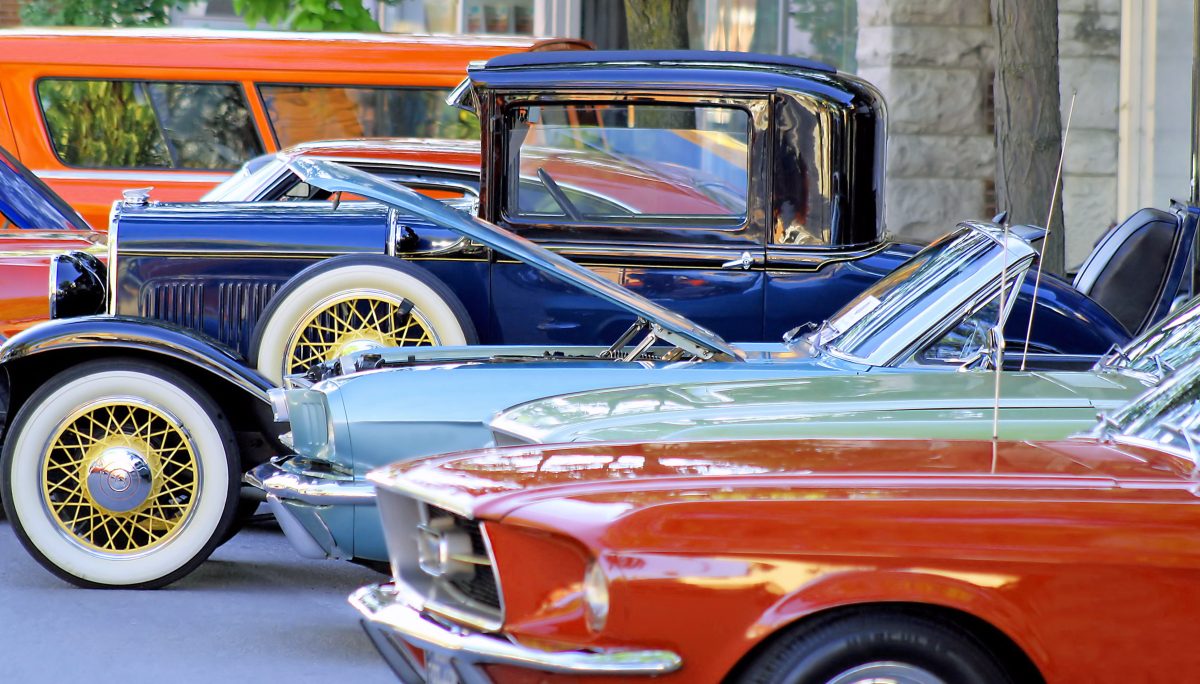
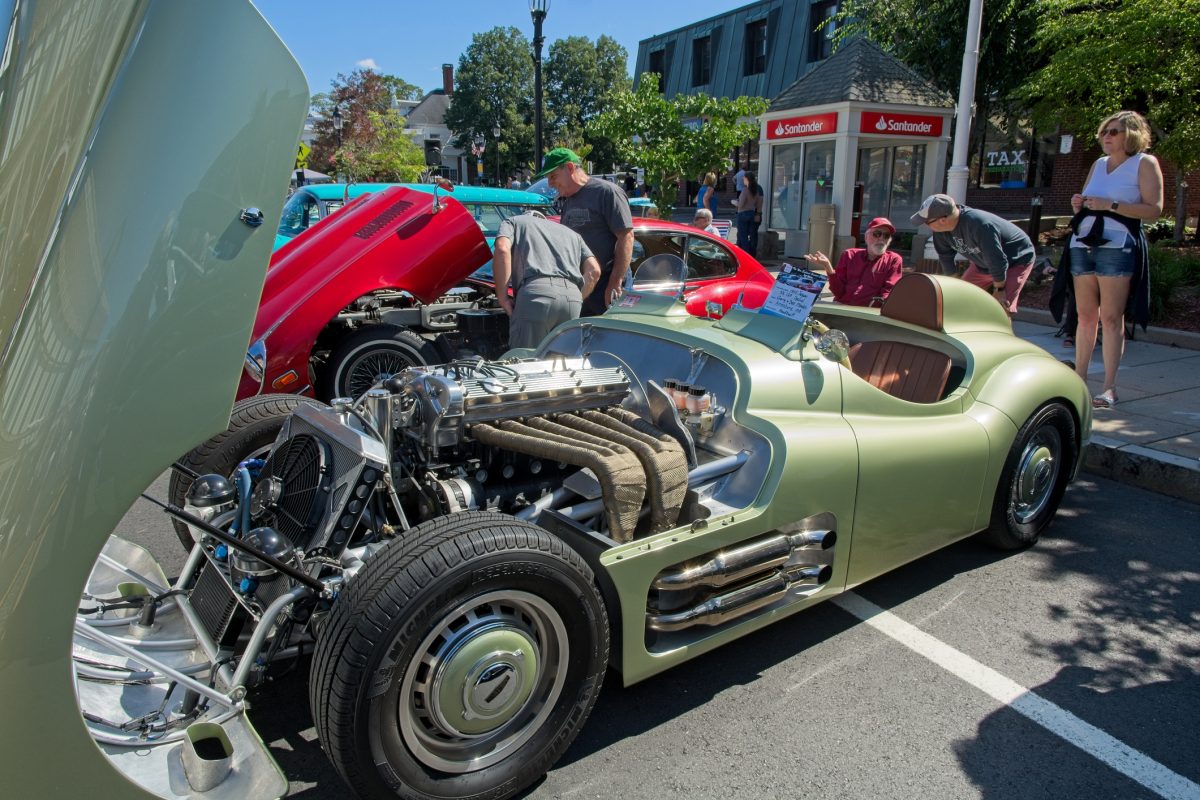
The Minnesota Street Rod Association (MSRA) anchors the local classic car community. Its annual Back to the 50’s Weekend draws more than 10,000 vintage vehicles to the Minnesota State Fairgrounds—proof that Minnesotans will brave almost anything for a good car show, including unpredictable June weather.

Beyond MSRA, marque-specific clubs give owners of particular makes a place to swap notes with people who understand their obsession on a deeper level. The Nord Stern Region Porsche Club of America, local Corvette clubs, and BMW CCA chapters all bring specialized expertise to members prepping unique builds for the off-season. Many club members in these circles have also started sharing recommendations on practical garage tools—including electric vehicle mover options that make seasonal transitions smoother and safer.

Online Forums & Local Groups

Once driving season winds down, the conversation doesn’t stop—it just moves indoors, right along with the cars.

Regional Facebook groups, Midwest automotive forums, and community message boards become the go-to spots for seasonal maintenance tips, detailing hacks, and storage advice. These groups are where you’ll find out which fuel stabilizer actually works and which one just sounds official. You’ll also find firsthand reviews from collectors who’ve tried different vehicle mover solutions in real garage condo settings—and have strong opinions about what works.

Swap meets hosted by local clubs round out the off-season calendar, giving enthusiasts a chance to buy, sell, and trade rare parts, specialized tools, and display accessories before everything gets tucked away until spring. Think of it as a farmers market, except instead of tomatoes, you’re haggling over a vintage carburetor—or comparing notes on the best car pushing machine for a tight six-car layout.

Managing Tight Display Spaces & Storage

Why High-Density Parking Gets Risky

Here’s the catch with garage condos and shared display rooms: maximizing square footage usually means parking vehicles within inches of each other. And when you’re maneuvering a multi-vehicle collection through a space built for efficiency rather than elbow room, the margin for error shrinks fast.

A few inches of clearance can mean the difference between a clean parking job and an expensive lesson in door dings, bumper scrapes, or a mirror clipped against a lift post. Add in the physical strain of pushing a heavy vehicle by hand—on a polished, slippery garage floor—and you’ve got a recipe for sore backs and nervous owners.

Firing up a cold engine just to reposition a car a few feet isn’t much better. It accelerates engine wear and introduces moisture into a cold exhaust system, which is exactly the opposite of what you want before months of sitting idle. This is a common mistake that club veterans are quick to point out to newer collectors every fall.

Why the Right Vehicle Mover Makes All the Difference

This is where a motorized, compact electric vehicle mover earns its keep. A car pushing machine like the CarCaddy Vehicle Puller takes the guesswork—and the muscle—out of tight-space maneuvering. Instead of enlisting three buddies and hoping nobody’s knee gives out, one person can guide a heavy vehicle into position with confidence.

Here’s what that looks like in practice:

  • Precision control: An electric vehicle mover lets a single operator guide a heavy vehicle with millimeter-level accuracy, even through the narrowest garage layouts.
  • Ding and strain prevention: Removing manual pushing from the equation—and skipping unnecessary cold starts—protects both the owner’s back and the vehicle’s finish.
  • Maximized storage density: With the right car pushing machine, collectors can position vehicles tightly against back walls or tuck them under lifts without worrying about how they’ll roll them back out come spring.
  • Versatility across vehicle types: Whether you’re moving a classic roadster or a heavier muscle car, the right vehicle mover handles the job without breaking a sweat—or a side mirror.

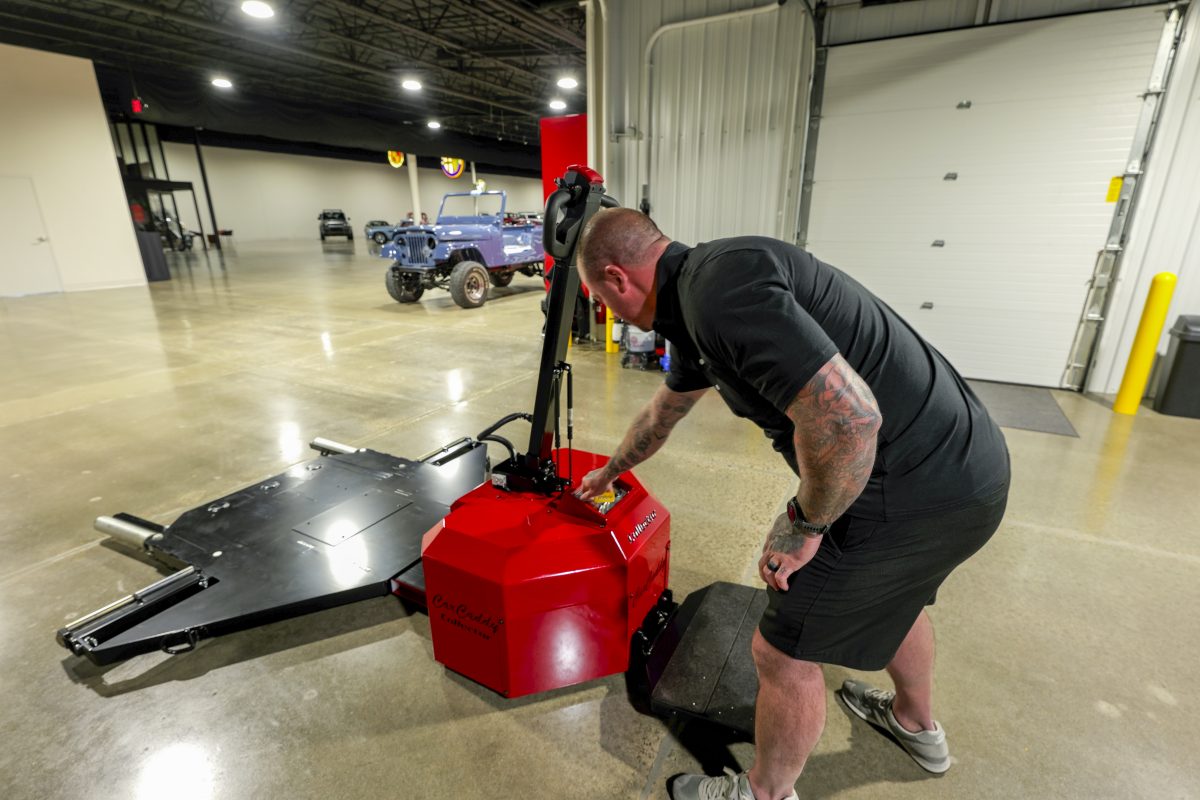
The CarCaddy Collector’s Edition is built specifically for this kind of work. It’s rated for vehicles up to 7,000 lb. with a front axle weight up to 3,000 lb., and its low-profile design with adjustable roller arms makes loading and unloading straightforward, even in condos packed tighter than a Back to the 50’s parking lot. A lighted, flip-up platform supports both rider and walk-behind operation, so you can choose whichever style suits your space and storage setup.

For Minnesota collectors who invest heavily in their vehicles—and in the spaces that protect them—this kind of tool pays for itself quickly in avoided damage and saved time.

Ready for a Stress-Free Winter Storage Season?

As another great Minnesota driving season wraps up, transitioning your collection into winter storage shouldn’t be the most stressful part of fall. Whether you manage a private multi-car garage or share a hangar with fellow enthusiasts at AutoMotorPlex, having the right equipment makes all the difference between a smooth process and a nerve-wracking one.

If you’re ready to make garage reorganization effortless, precise, and safe—whether you’re an individual collector or part of a private garage community—contact our team today to find the ideal electric vehicle mover for your space and collection.
Stop Risking Scratches: Why CarCaddy Is the Safest Way to Move Prized Vehicles

Few things are more nerve-wracking than watching a six-figure classic car roll across concrete on its own tires, with a nervous intern at the wheel and a prayer on everyone’s lips. One wrong turn, one grinding clutch, one moment of distraction, and a priceless vehicle becomes a very expensive insurance claim.

For car museums, private collectors, and boutique dealerships, moving vehicles isn’t a once-in-a-while task. It’s a daily reality. Cars need to be repositioned for display, rotated for showroom features, or shuffled around storage facilities to make room for new arrivals. Every single move carries risk, especially when the vehicle in question is irreplaceable, rare, or simply not meant to be driven more than a few feet at a time.

That’s exactly the problem CarCaddy was built to solve. Instead of relying on engines, clutches, or questionable driving skills, CarCaddy offers a smarter, safer, and far more controlled way to move vehicles. If you’re responsible for keeping valuable cars pristine, this is worth your attention.

What Is CarCaddy and How Does It Work?

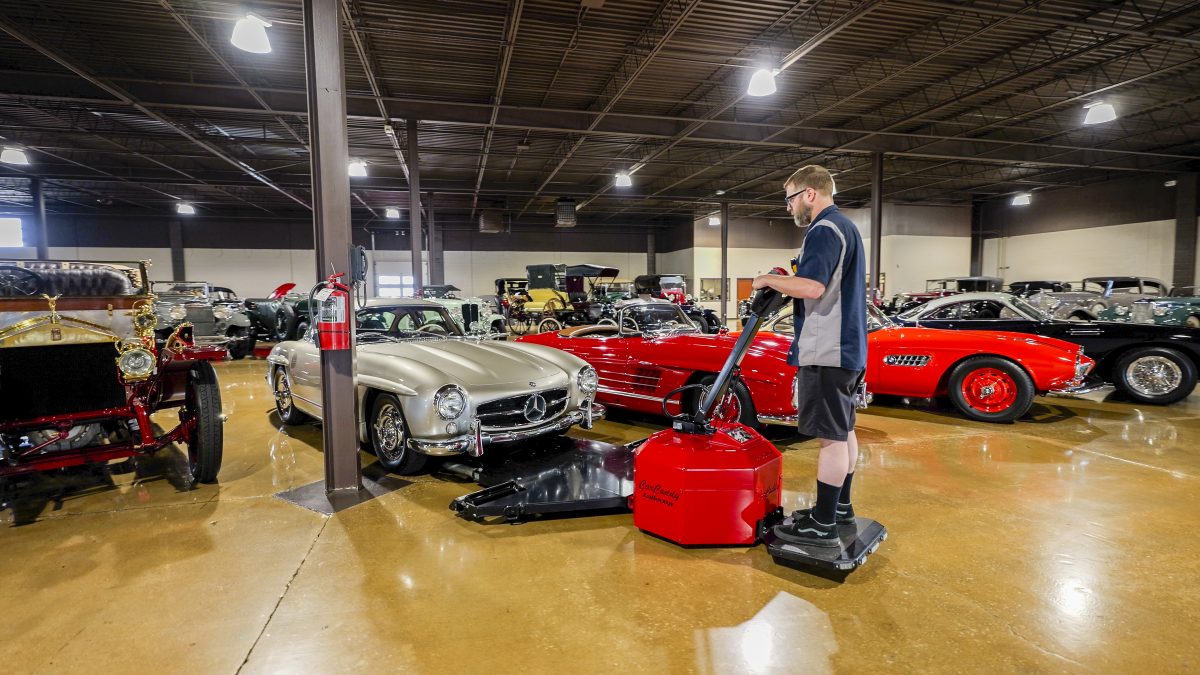
CarCaddy is a vehicle puller designed to move cars without starting the engine or putting a driver behind the wheel. Instead of relying on the car’s own power, CarCaddy attaches to the vehicle and allows a single operator to maneuver it smoothly and precisely, whether that’s into a tight display space, through a narrow showroom aisle, or onto a transport trailer.

Think of it as power steering for the entire car, minus the engine noise, the exhaust fumes, and the risk of someone accidentally flooring the gas pedal in a space built for careful, inch-by-inch movement.

Because CarCaddy doesn’t require the vehicle to run, it’s especially useful for non-operational cars, vehicles under restoration, or collector pieces that owners prefer not to start unnecessarily. It also means no exhaust fumes inside enclosed buildings, which matters more than most people realize until they’ve tried airing out a showroom.

Why CarCaddy Is Ideal for Car Museums

Museums are in the business of preservation and presentation, not patience-testing choreography. Exhibits change, vehicles rotate, and layouts shift, meaning staff are regularly repositioning cars that are often decades old, mechanically fragile, or simply too valuable to risk.

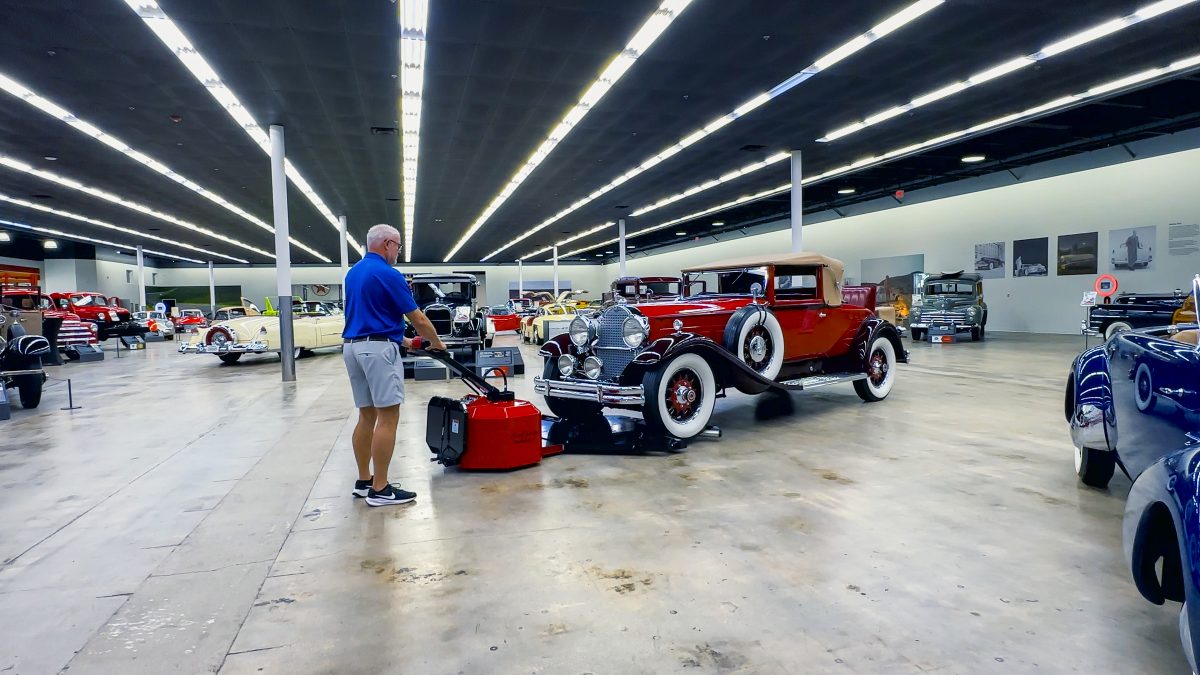
CarCaddy gives museum staff the ability to move vehicles with precision and without starting a single engine. That means no worrying about a car that hasn’t run in years suddenly needing to turn over, and no concerns about exhaust accumulating in an indoor exhibit space. It also means smoother coordination during exhibit changes, since a single trained operator can reposition vehicles efficiently instead of requiring a small crew of white-glove handlers to push, pull, and pray.

Why CarCaddy Is Essential for High-End Car Collection Owners

If you own a collection of high-performance or vintage vehicles, you already know that every single one of them has quirks. Some don’t like to idle. Some have clutches that require a very specific touch. Some simply shouldn’t be driven on a whim just to shift them three feet to the left in a crowded garage.

CarCaddy removes that gamble entirely. Collectors can reposition vehicles within garages, storage units, or private showrooms without starting the engine, reducing wear and tear on vehicles that are meant to be preserved, not daily-driven. It also minimizes the number of hands needed to move a car safely, which matters when “extra hands” often means more opportunities for dings, scrapes, and door-handle mishaps.

For collectors who have spent years (and considerable sums) curating a collection, CarCaddy offers peace of mind that’s hard to put a price on, right up until you realize how much a single bumper repair costs.

Why CarCaddy Works for Boutique Car Dealerships

Boutique dealerships operate differently than high-volume lots. Inventory often includes specialty, luxury, or collector vehicles that require a more careful touch than your average sedan. Moving vehicles around a showroom floor, repositioning for photography, or shuffling inventory in tight indoor spaces demands precision, not horsepower.

CarCaddy allows dealership staff to reposition vehicles quickly and quietly, without the noise, exhaust, or risk associated with starting and driving a car across a polished showroom floor. It also speeds up day-to-day operations, since staff can move vehicles solo instead of needing a coordinated team every time a car needs to shift six feet for better lighting or customer access.

Key Features and Specifications

CarCaddy is built with the kind of practical engineering that makes a real difference in daily operations. While capabilities vary by model, CarCaddy generally offers:

  • Engine-free operation, so vehicles can be moved without starting them
  • Precise maneuverability, designed for tight spaces like showrooms, garages, and storage facilities
  • Single-operator control, reducing labor requirements and coordination headaches
  • Reduced wear and tear, since vehicles aren’t driven unnecessarily
  • Indoor-friendly use, with no exhaust or emissions concerns

These features add up to safer handling, fewer accidents, and significantly less stress for anyone responsible for a valuable fleet of vehicles. For full specifications, weight capacities, and compatibility details, visit the CarCaddy website and review the complete product breakdown before making a decision.

Ready to Move Smarter?

Moving valuable vehicles shouldn’t feel like a high-stakes gamble every time a car needs to shift three feet. CarCaddy gives museums, collectors, and dealerships a safer, more controlled way to handle their vehicles, without the risk that comes from starting engines unnecessarily or relying on a crowded team of hopeful helpers.

Visit the CarCaddy website today to explore the full lineup, compare specifications, and find the right model for your space. When you’re ready to make the switch, click the Get Now button to get started.

Let’s Talk Details

At CarCaddy, we’ve spent years helping museums, collectors, and dealerships protect what matters most: the vehicles themselves. If you’re ready to see how CarCaddy fits into your specific setup, don’t just take our word for it. Fill out our contact form and we’ll connect you with one of our product engineers, who can walk you through the details, answer your questions, and help you find the right fit for your collection. Your cars have survived decades on the road. Let’s make sure moving them isn’t what finally gives them a scratch.

Built for Precision: Under the Hood of the CarCaddy Vehicle Puller

Managing a premier car museum, curating a private collection of automotive royalty, or overseeing a high-end boutique dealership is a constant exercise in spatial chess. When you are tasked with repositioning a million-dollar classic, a low-clearance supercar, or a heavy pre-war luxury sedan across a polished showroom floor, relying on brute force or crude towing equipment isn’t just unprofessional—it is a massive liability.

That is where precision industrial engineering meets automotive preservation. The CarCaddy Vehicle Puller was engineered from the ground up to solve the unique material-handling challenges faced by collectors and curators. Designed to move rolling stock weighing up to 7,000 lbs (with heavy-duty configurations rated up to 12,000 lbs), it delivers whisper-quiet, zero-emission power with surgical maneuverability.

To understand why facility managers consider it an essential piece of showroom equipment, let’s dive into the technical specifications, drive systems, and safety features that make the CarCaddy Vehicle Puller the premier vehicle relocation solution.

Heavy-Duty Powertrain and Battery Architecture

At the heart of the CarCaddy Vehicle Puller is a robust, industrial-grade electrical platform designed for high torque at low speeds:

  • 36V DC Drive System: Powered by a 36-volt, three-battery power pack, the unit delivers consistent, instantaneous torque to move heavy rolling stock effortlessly across flat epoxy, tile, or concrete surfaces.

  • Heavy-Duty Electric Motor: Equipped with a high-torque 36V motor (up to 3HP on heavy-duty models) configured to handle heavy axle loads without stalling, jerking, or straining under initial inertia.

  • Variable Speed Range (0–3 MPH): Micro-touch variable speed thumb controls allow the operator to creep forward or backward at fractions of a mile per hour. This ultra-fine control ensures you can park vehicles within millimeters of display glass or neighboring fenders without sudden surges.

  • Onboard Smart Charger: Features an integrated charging unit that plugs directly into standard 110V wall outlets. The system automatically manages charge cycles to prevent overcharging and ensure maximum battery life. AGM maintenance-free battery upgrades are also available for zero-fluid upkeep.

Zero-Touch Hydraulic Roller Arm System

Traditional methods of moving non-running vehicles indoors rely on rubber push pads, tow straps, or under-chassis floor jacks. Every one of these methods risks damaging delicate paintwork, bending vintage chrome, or scratching aluminum splitters.

The CarCaddy Vehicle Puller completely eliminates body contact through an advanced hydraulic tire-engagement mechanism:

Specification Technical Detail Operational Benefit
Engagement Method Dual Hydraulic Roller Arms Secures tires directly; zero contact with body, bumpers, or frame
Max Axle Capacity 3,000 lbs to 6,000 lbs (model dependent) Easily lifts heavy front engine blocks and luxury chassis
Gross Vehicle Capacity 7,000 lbs (VP 7K / Collector’s Edition) up to 12,000 lbs (VP 12K) Handles everything from light sports cars to full-size classic luxury sedans
Actuator Arm Adjustment Electric/Hydraulic 12″ Arm Spread Fits varying wheelbases and tire widths effortlessly

The hydraulic roller arms slide flat along the floor on either side of the front or rear tires. When engaged, the arms squeeze inward around the tire, gently cradling it and lifting the axle slightly off the ground. Because the entire weight of the vehicle rests solely on its tires, your body panels, suspension geometry, and custom chrome remain entirely untouched.

Maneuverability and Ergonomic Design

Indoor vehicle placement requires tight turn radiuses and seamless steering control. A vehicle mover is only as good as its ability to pivot in tight spots between velvet ropes and display pillars:

  • Wagon Wheel Drive & Steer Mechanism: The specialized drive assembly rotates smoothly under the unit, allowing 180-degree pivoting on its own axis. This allows a single operator to guide a full-size vehicle into tight corner displays where a standard push team could never maneuver.

  • Non-Marking Drive & Caster Wheels: Outfitted with high-traction, non-marking rubber drive tires and crown casters. You can pivot and turn heavy loads over pristine, high-gloss white epoxy or polished terrazzo floors without leaving dark rubber scuffs or skid marks.

  • Fold-Down Shock-Assisted Rider Platform: Designed for dual-mode operation, operators can walk behind the unit in tight, micro-adjustment scenarios, or flip down the cushioned, shock-assisted platform to ride comfortably when moving vehicles across larger hall floors.

  • Integrated Ergonomic Handlebars: Molded control grips place the variable thumb throttle, reverse switch, horn, and emergency stop button directly at the operator’s fingertips, minimizing wrist strain during extended facility reconfigurations.

Safety Architecture and Brake Systems

When moving multi-ton vehicles in public or high-value spaces, safety is paramount. A runaway vehicle on a sloped ramp or polished floor can result in catastrophic damage.

  • Neutral-Throttle Regenerative Braking: The moment the operator releases the thumb control, the drive system automatically engages dynamic electric braking. There are no coasting delays or manual brake pedals required; the unit brings the vehicle to a smooth, controlled halt instantly.

  • Automatic Electromagnetic Parking Brake: When power is cut or the throttle is centered in neutral, an electromechanical brake locks the drive wheel in place, holding the vehicle securely even on subtle inclines or loading ramps.

  • Safety Keylock Switch: Prevents unauthorized operation by staff or visitors when the unit is parked on the museum floor.

  • Visibility Features: Outfitted with standard LED illumination lights to illuminate the underside of vehicles and tire placement zones during low-light staging operations.

Transform Your Facility’s Workflow

Whether you manage an expansive public museum, oversee a luxury consignment showroom, or maintain a private warehouse of rare vintage classics, the CarCaddy Vehicle Puller turns a stressful, multi-person labor ordeal into a quiet, effortless, single-person operation. Protect your staff from physical strain, safeguard your paintwork, and keep your indoor air pristine.

To review complete dimensional drawings, explore custom color options, and inspect full spec sheets, visit our website today. Click the Get Now button to upgrade your facility’s vehicle handling infrastructure!

Speak with a DJ Products Product Engineer

At DJ Products, Inc., every CarCaddy Vehicle Puller is built heavy-duty and customized to meet the exact operational demands of world-class automotive facilities. Whether you need specialized tire pans for locked wheels or high-capacity battery configurations, our team is ready to assist.

Complete our online contact form today to schedule a detailed one-on-one consultation with one of our expert product engineers and discover how the CarCaddy Vehicle Puller can transform your showroom logistics!

Preserving Automotive Precision: What Top Minnesota Collectors Can Teach Us About Moving Fine Automobiles

Managing a premier automotive showroom or a multi-million-dollar private collection is a delicate balance between fine art curation and heavy industrial logistics. When your “canvas” weighs two tons, features original single-stage lacquer paint, and rests on irreplaceable whitewall tires, simply moving a vehicle across a polished display floor becomes a high-stakes endeavor.

Minnesota has quietly become one of the Midwest’s premier epicenters for world-class classic cars, high-end muscle, and rare European sports cars. From massive indoor showrooms to bespoke private storage facilities, the state’s top automotive destinations set the regional benchmark for presentation, preservation, and elite facility management.

The Standard Bearers of Minnesota’s Collector Scene

To understand what it takes to manage world-class inventory at scale, look at how the top classic car dealers, consignment specialists, and collector showrooms in Minnesota operate:

  • Ellingson Motorcars (Rogers, MN): As one of the largest indoor collector car showrooms in the Midwest, Ellingson maintains an active inventory of over 120 vehicles—spanning pre-war antiques, classic American muscle, European sports cars, and high-end resto-mods. Their facility sets a high standard with climate-controlled viewing, full-service reconditioning, professional appraisals, and top-tier consignment services.

  • Unique Classic Cars (Mankato, MN): A dominant force in classic, muscle, and vintage vehicle sales throughout southern Minnesota, Unique Classic Cars is renowned for its sweeping inventory, detailed video walk-arounds, and seamless global shipping operations.

  • Mad Muscle Garage / M.M.G. Classic Cars (Waconia, MN): Specializing in raw horsepower and custom builds, MMG focuses on muscle cars, hot rods, and custom classics. Their operation offers white-glove consignment, certified market-value appraisals, third-party pre-purchase inspections, and complete rotisserie restorations.

  • Classic Rides and Rods (Annandale, MN): Dedicated to American muscle, street rods, and vintage trucks, this destination provides expert sales, consignment services, and comprehensive buyer representation.

  • Millrace Motor Club & Service Division (Twin Cities area): Catering to the region’s most discerning collectors, Millrace offers high-security, climate-controlled vintage automotive storage, exclusive community club events, and specialized restoration maintenance for rare, high-value classics.

The Hidden Logistics Challenge: Moving Heavy Metal Safely

Whether you are staging a 120-car showroom like Ellingson, arranging a pristine photo shoot for a global listing like Unique Classic Cars, or maneuvering a delicate vintage build through a service bay like Millrace Motor Club, one operational headache remains constant: repositioning non-running, staged, or ultra-valuable vehicles indoors. 

Firing up a classic engine inside a pristine, climate-controlled showroom just to move a vehicle 15 feet creates immediate drawbacks and liability:

  1. Harmful Exhaust Fumes: Unburnt hydrocarbons and carbon monoxide linger in enclosed indoor spaces, ruining the visitor experience and settling fine oily residues on surrounding detailed finishes.

  2. Cold Start Wear & Fuel Wash: Repeated cold starts without reaching full operating temperature causes accelerated cylinder wall wear and unburnt fuel dilution in the oil pan—something no collector wants for an irreplaceable engine.

  3. The “Human Push Team” Risk: Calling three staff members off their actual jobs to manually push a $250,000 vehicle through a tight aisle invites slipped boots, accidental fender pressure, palm dents, or worse—a runaway vehicle overshooting its mark on polished concrete.

  4. Tow Straps and Floor Jacks: Traditional floor jacks, dollies, and tow straps risk damaging delicate suspensions, low-clearance front splitters, pristine undercarriages, or mint-condition chrome bumpers.

When managing high-value inventory, relying on brute force or risky improvised maneuvers is simply an unnecessary, high-cost liability.

Precision Engineering for High-End Showrooms

This is precisely where the CarCaddy Vehicle Puller transforms day-to-day showroom operations. Designed specifically for tight indoor maneuvers, delicate paintwork, and single-operator efficiency, the CarCaddy Vehicle Puller allows a single staff member to effortlessly relocate vehicles up to 12,000 lbs with surgical precision—and zero exhaust emissions.

At the core of the CarCaddy Vehicle Puller design is a smooth-throttle, 36V electric motor drive system that powers specialized hydraulic roller arms. Rather than pushing against fragile body panels or hooking straps to structural components, these hydraulic roller arms utilize tire-only engagement. They slide directly under the front or rear tires and lift the axle smoothly off the floor without ever making physical contact with the vehicle’s bodywork, bumper, steering linkages, or frame.

Key operational advantages include:

  • Zero-Touch Body Protection: Because the unit connects exclusively via the tires, your paint, custom chrome trim, and body panels remain completely untouched and free from accidental scratches or dents.

  • Single-Operator Efficiency: One person can safely navigate tight showroom aisles, turn sharp corners using variable-speed controls, and place vehicles within inches of displays without physical strain or extra spotters.

  • Whisper-Quiet 36V Electric Drive: Clean, quiet, battery-powered operation preserves pristine indoor air quality, eliminates noisy engine idling, and ensures a peaceful environment for visiting clients.

  • Controlled Braking and Steering: Neutral-throttle regenerative braking ensures full vehicle control on smooth, polished epoxy floors, stopping movement instantly the moment the operator releases the controls.

  • Compact Maneuverability: Designed with an ultra-tight turning radius, the tug allows facility managers to maximize showroom floor space and park inventory significantly closer together than manual pushing allows.

Elevate Your Showroom Operations Today

Whether you manage a public automotive museum, direct a boutique classic dealership, or curate a private collection of rare classics, your inventory deserves the highest level of care during every movement. Stop risking physical strain, accidental dings, and messy exhaust fumes across your showroom floor.

Experience the ultimate standard in gentle, precise vehicle relocation. Visit our website today to explore our full line of material handling equipment, review complete technical specifications, and click the Get Now button to upgrade your facility’s operational capabilities.

Partner with Our Engineering Team

At DJ Products, Inc., we engineer specialized battery-powered tugs and vehicle movers tailored to the exacting demands of automotive museums, luxury dealerships, and world-class collection facilities. Our equipment is built heavy-duty, designed for maximum ergonomic safety, and backed by industry-leading customer support.

Ready to streamline your vehicle handling and protect your valuable inventory? Complete our online contact form today to schedule a detailed one-on-one consultation with one of our expert product engineers!

Why Your Electric Vehicle Mover Should Look as Good as the Cars It Moves

Every detail in a premium automotive environment is intentional. The lighting, the flooring, the signage, the spacing between vehicles—it all works together to create an atmosphere that says, without a word, this collection is something special. So why would you roll a clunky, industrial-yellow machine through the middle of it?

That’s the question more auto museum managers, private collectors, and boutique dealership owners are asking. And it’s exactly the problem CarCaddy was built to solve.

When Your Equipment Reflects Your Brand

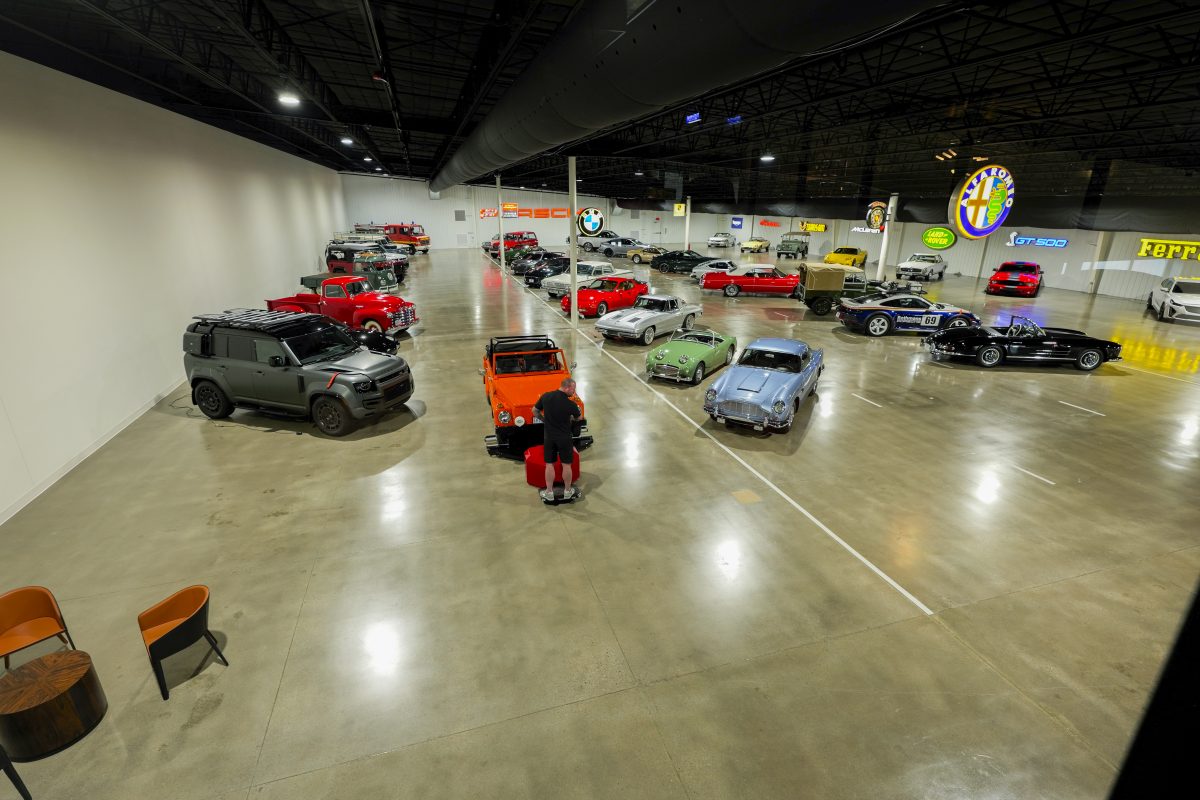
High-end automotive spaces are visual experiences first. A curated showroom floor isn’t just a place to store cars—it’s a stage. Every Ferrari, every classic Porsche, every limited-edition supercar is a centerpiece, and the environment around it is part of the story being told.

Off-the-shelf industrial equipment has its place, but that place isn’t a boutique dealership or a museum with white-glove ambitions. Standard vehicle movers typically come in whatever color the factory decided worked best in a warehouse or service bay. That’s fine if your priority is utility. But if you’ve invested significantly in creating an environment that communicates quality, your tools should keep pace.

CarCaddy’s Collector’s Edition electric vehicle mover is available in a range of colors—Baby Blue, Matte Black + Gold, Pink, Silver, White, and the standard Ferrari Red—and the team will custom-match a finish to your dealership’s logo colors, your showroom’s interior palette, or the specific aesthetic of your personal collection. The result is equipment that looks like it belongs there, because it was designed to.

Looking the Part During Live Operations

Here’s a scenario worth thinking through: A museum tour is in progress. Forty guests are walking the floor when the curator realizes a vehicle needs to be repositioned for the afternoon’s private event. What happens next says a lot about how an institution presents itself.

In many facilities, that moment means pausing, clearing the area, and bringing in equipment that looks distinctly out of place—interrupting the experience guests paid to have. In a boutique dealership, it means a potential buyer watches a staff member wrestle with something that doesn’t quite fit the room.

CarCaddy changes that equation. An electric vehicle mover finished in your brand’s colors, operated smoothly and quietly, becomes a seamless part of the operation rather than an interruption to it. Routine vehicle staging—something that happens constantly in active collections—becomes an extension of your brand presentation rather than a break from it.

The machine’s low-profile design also helps here. CarCaddy was built for environments where the cars are the priority, and the mover needs to stay out of the way visually and physically. Variable roller arms allow for clean loading and unloading of almost any vehicle, and hi-beam headlights make repositioning quick, even in tighter display configurations.

Performance Worthy of a Multi-Million Dollar Collection

Good looks only matter if the machine behind them can do the job. CarCaddy handles vehicles up to 7,000 lbs. with a front axle weight capacity of 3,000 lbs., so it’s fully capable across the range of vehicles typically found in premium collections—classics, exotics, heavy SUVs, and modern electric vehicles alike.

The 36VDC drive system runs quietly, produces zero exhaust fumes, and moves at a controlled 0–3 mph in both forward and reverse. That combination matters a great deal when you’re working around cars that may be irreplaceable. There’s no revving, no exhaust drifting across a freshly detailed paint job, and no jerky motion near low-slung bumpers.

For the operator, the experience is equally considered. Adjustable acceleration and braking, neutral throttle braking, a shock-assisted ride-on platform, and an angled control panel all contribute to a machine that a single person can operate confidently—even around tight displays and narrow spacing. A safety stop switch adds an additional layer of protection when you’re maneuvering a vehicle that simply cannot be damaged.

The lighted rider platform flips up and down for both rider and walkie operations, which gives operators the flexibility to match their working style to the layout of the space. Non-marking crown caster wheels and a non-marking drive wheel protect flooring that, in many showroom environments, is just as carefully selected as the vehicles sitting on it.

You Don’t Have to Choose Between Form and Function

The assumption in most industrial equipment categories is that style is a luxury—something you sacrifice for performance or price. CarCaddy’s Collector’s Edition was built specifically to challenge that assumption.

Museums and showrooms that have made significant investments in their environments deserve equipment that respects those investments. A custom-colored electric vehicle mover isn’t a cosmetic upgrade on top of a capable machine—it’s the result of understanding who actually uses this product and what their environment demands.

A private collector who has spent years assembling a garage of rare automobiles shouldn’t have to accept a tool that looks out of place. A museum curator leading a tour shouldn’t have to apologize for the equipment on the floor. And a boutique dealership trying to close a sale on a $400,000 vehicle shouldn’t have its atmosphere undercut by the equipment staging it.

Ready to Talk Custom Colors and Configuration?

CarCaddy’s team of product engineers is available to walk through your specific situation—whether that’s matching a particular brand color, discussing the layout of your facility, or helping you select the right configuration for the vehicles in your collection.

Specifications, standard features, and optional add-ons are available at carcaddyvehiclepuller.com, where you can also review the full range of available colors. When you’re ready to talk through the details, complete the contact form and a product engineer will follow up directly.

Your collection deserves equipment that works as hard as it looks good. CarCaddy delivers both.

The Tow-Bar Tango and Other Garage Rituals You Can Finally Retire

There is a precise sequence of events that occurs when you need to move a dead, dormant, or mid-restoration car across a shop floor or down a driveway. It starts with optimism, quickly moves through sweat and mild panic, and usually ends with someone yelling, “Turn the wheel! No, the OTHER left!”

If you’ve ever tried to steer an engine-less classic while three people push, or tried to nudge a rolling chassis up a 2-degree incline with nothing but raw willpower and a pry bar, you already know the truth: moving unpowered vehicles by hand is a sport nobody asked for.

Enter the CarCaddy Vehicle Puller—the piece of equipment designed specifically to end the manual labor, save your back, and prevent your vehicle’s front bumper from making unexpected, intimate contact with the garage wall.

The Anatomy of the “Push & Pray” Method

Before looking at how the CarCaddy solves the problem, let’s honor the age-old methods we are leaving behind:

  • The Solo Lean: You place one shoulder against the A-pillar, put one hand on the steering wheel through the open window, and push with your legs. You gain six inches of momentum before the tire hits a tiny pebble, stopping the car dead and nearly dislocating your collarbone.
  • The Family Emergency Crew: You draft your spouse, your teenager, and a neighbor who was just walking by to check their mail. One person steers, two push, and one stands in front waving their arms like a deck officer on an aircraft carrier.
  • The Lawn Tractor Hack: You attach a tow strap to a riding mower. The mower spins its turf tires uselessly on the concrete, leaving rubber marks right next to the oil stain you haven’t cleaned up yet.

While these traditions build character, they aren’t particularly efficient. They also carry a high risk of dented sheet metal, pulled lower back muscles, and colorful language that startles the local wildlife.

How the CarCaddy Changes the Game

The CarCaddy Vehicle Puller is built on a very simple premise: a single operator should be able to move up to 20,000 pounds of rolling steel without breaking a sweat, calling for backup, or risk running over their own toes.

Instead of relying on momentum, brute force, or awkward angles, the CarCaddy connects directly to the vehicle’s tires or frame. Here is why making the switch feels like moving from a stone-wheel cart to a hovercraft:

1. One-Person Operation (No Draft Picks Required)

You no longer need to recruit an entire pit crew just to move a vehicle out of a bay for cleaning or detail work. With variable-speed twist grips and smooth acceleration, a single person can guide cars, light trucks, or vans around tight shop corners with millimeter precision.

2. Total Control on Incline and Decline

Moving a car downhill is easy; stopping it before it meets the workbench is the tricky part. The CarCaddy features automatic braking systems. When you let go of the controls, the unit stops. The vehicle doesn’t coast, roll away, or take on a mind of its own.

3. Compact Power for Tight Spaces

Floor jacks, tow trucks, and larger machinery require massive turn radiuses and clear aisles. The CarCaddy operates within a extremely tight footprint, letting you tuck vehicles into tight corners of a showroom, storage barn, or service bay without needing ten extra feet of runway to maneuver.

Where It Earns Its Keep

While it’s a favorite for classic car collectors who treat their garages like museum wings, the CarCaddy is built for heavy daily use across a wide variety of settings:

  • Auto Repair & Body Shops: Effortlessly shift dead-on-arrival vehicles from the parking lot into service bays without tying up three technicians who should be billing hours on a lift.
  • Dealership Showrooms: Move high-end display vehicles across slick tile floors smoothly, without scuffing tires, leaving exhaust fumes, or risking a slip-and-fall.
  • Collector Barns & Storage Facilities: Maximize floor space by parking cars inches apart, knowing you can easily pull the front one out whenever it’s time for a weekend drive.
  • Fleet Maintenance Depots: Handle vans, service trucks, and utility vehicles safely on gravel, asphalt, or concrete.

The ROI of Saving Your Back

It’s easy to look at shop equipment strictly in terms of specs—torque, weight capacity, battery life, and duty cycles. But the real return on investment comes down to two things: time and physical wear-and-tear.

When moving a non-running vehicle takes two minutes instead of twenty minutes of setup and coordination, work moves faster. When your technicians aren’t straining their joints to muscle a 4,000-pound SUV onto a flatbed or into an alignment rack, they stay safer and fresher throughout the workday.

Plus, you eliminate the risk of the “oops” moment—that heart-stopping sound of metal meeting garage door frames because someone lost their footing while pushing.

Upgrade Your Move

The days of calling the whole family into the driveway to push a project car into the sun are over. The days of risking a hernia over a dead battery are finished.

Whether you’re running a high-volume commercial shop, managing a fleet, or maintaining a private collection of restored classics, the CarCaddy Vehicle Puller gives you absolute control over heavy equipment with the push of a button.

Work smarter, keep your body intact, and leave the heavy pushing to the machine built for the job.

Ready to streamline your shop flow? Contact our team today to find the exact CarCaddy model, weight capacity, and tire attachment setup for your facility.

How Boutique Dealerships Move Cars Efficiently with an Electric Car Pusher

Imagine this scene: A high-profile buyer steps onto the pristine epoxy floor of your boutique showroom, eyes a rare vintage convertible tucked deep in the back corner, and asks to hear it run. Or perhaps a museum curator needs to rotate a 1930s classic into a new spotlight exhibit before the doors open to the public at 9:00 AM.

What happens next in far too many high-end facilities is a quiet, organized panic. Sales directors drop their phone calls, master technicians emerge from the shop, and three or four grown adults gather around a multi-ton piece of automotive history. With heels digging into polished floors and palms cautiously pressed against delicate body panels, the crew engages in a synchronized grunting routine just to nudge the vehicle a few feet to the left.

It is awkward, inefficient, and fraught with unnecessary risk. In an environment dedicated to automotive perfection, manual pushing is an outdated habit that drains valuable labor hours and threatens the very vehicles you are trying to protect.

The Hidden Costs of the Manual Push

Moving stalled, display-only, or high-value vehicles manually might seem like a harmless, zero-cost routine, but the hidden expenses quickly add up across four main areas:

  • Wasted High-Value Labor: Every time four staff members spend 15 to 20 minutes coordinating, pushing, and repositioning a car, you lose more than an hour of cumulative productivity. That is time your sales team could spend engaging luxury clients, your curators could spend managing archives, or your technicians could spend performing high-level maintenance.

  • Priceless Paint and Panel Hazards: Human hand pressure is remarkably unpredictable. Pushing on trunk lids, classic fenders, or vintage chrome bumpers can cause micro-dents, paint stress cracks, or at the very least, oil-laden fingerprints on concours-quality finishes.

  • Physical Strain and Workplace Hazards: Polished showroom and garage floors offer little traction. Slipping while attempting to push a 4,000-pound automobile places severe strain on backs, knees, and shoulders, opening your operation up to costly injury risks.

  • Compromised Professionalism: Watching a team of suits or museum staff sweat and push a vehicle across a display floor destroys the white-glove aura luxury buyers and private collectors expect.

The One-Person Solution: Precision Meets Elegance

There is a far sleeker, safer way to manage high-end vehicle logistics. By replacing muscle power with a dedicated electric vehicle mover, moving heavy automobiles becomes an effortless, single-operator task.

The CarCaddy vehicle mover is engineered specifically to eliminate the chaos of moving vehicles in tight indoor spaces. Rather than relying on brute force or crude pushing setups, a single operator can maneuver everything from lightweight classic roadsters to heavy full-sized luxury sedans with millimeter precision.

By taking the physical burden entirely out of vehicle handling, a single team member can clear pathways, reconfigure showroom floors, or stage museum exhibits in a fraction of the time. The rest of your team stays right where they belong—focused on closing sales, assisting clients, and preserving your inventory.

Why Traditional Pushers Fall Short for Rare Automobiles

When looking for equipment to assist with moving cars, many facility managers initially consider a standard car pushing machine. However, conventional push-style units are often designed for high-volume auto body shops and scrap yards—not pristine environments housing million-dollar assets.

Standard pushers rely on heavy rubber pads that push directly against a vehicle’s front or rear bumper. On a vintage luxury car or custom classic, applying direct pushing force against delicate bodywork or delicate bumper brackets is a recipe for expensive damage.

The CarCaddy takes a fundamentally safer approach. Instead of pushing against paint and bodywork, this advanced electric car pusher gently engages the vehicle’s tires, securely loading them onto a low-profile platform. Because the machine interacts strictly with the rubber tires—the exact parts designed to bear the vehicle’s weight—your bodywork, custom paint, and original trim remain entirely untouched.

Clean, Quiet, and Tailored for Indoor Vaults

Indoor display spaces present unique environmental challenges. The absolute last thing you want near original leather interiors, delicate headliners, and high-value artwork is a cloud of harsh exhaust fumes or dripping fluids from cold-starting an engine indoors. Cold-starting historic engines solely to move a vehicle a few yards also causes unnecessary engine wear and condensation build-up.

As a fully battery-powered solution, the CarCaddy electric vehicle mover produces zero emissions and operates with whisper-quiet precision. Its smooth, controlled acceleration and intuitive steering allow operators to glide vehicles past glass display cases, structural columns, and tight display rows without jerkiness or sudden movements.

Furthermore, the CarCaddy features a compact design with an exceptionally tight turning radius. When the job is done, it tucks neatly away in a corner or storage bay, taking up minimal floor space in your garage or facility.

Elevating Your Operational Standards

Whether you manage a world-class automotive museum, curate a sprawling private collection, or run a high-end boutique dealership, your operational equipment should reflect the high standards of the vehicles in your care. Eliminating manual pushing streamlines daily facility workflow, protects your valuable staff from physical injury, and safeguards priceless vehicle bodywork from accidental damage.

Ready to upgrade your showroom flow, explore detailed specifications, and see how our equipment performs in real-world collection environments? Visit our website at www.carcaddyvehiclepuller.com to review complete product specs, watch demonstration videos, and explore our specialized lineup.

About CarCaddy & DJ Products

CarCaddy is proudly manufactured by DJ Products, Inc., an industry leader in ergonomic, battery-powered material handling solutions. For decades, DJ Products has engineered custom motorized equipment designed to eliminate manual push-pull strain across specialized industries worldwide. Every CarCaddy is built in the USA with heavy-duty steel construction, intuitive user controls, and long-lasting battery power to handle your toughest moving challenges safely and reliably.

Don’t let manual vehicle moving slow down your operations or put your collection at risk. Contact the CarCaddy team today and complete our quick online contact form to connect directly with one of our experienced product engineers. We will analyze your specific space, flooring, and vehicle types to recommend the exact CarCaddy solution for your facility.

The Ultimate Guide to Solo Management for Your Private Car Collection

Every serious collector knows the feeling: you want to pull out a specific vehicle, maybe to work on it or simply to admire it under better light, but it’s hemmed in by two others. Your options? Call a neighbor. Round up some staff. Or just leave it where it is and settle for a different car.

None of those are good options when you’ve built a collection you’re proud of.

Moving vehicles around a private garage or estate shouldn’t require a crew. With the right electric vehicle pusher, one person can safely and smoothly reposition even heavy cars without breaking a sweat—or calling anyone for help. Here’s everything you need to know about taking full solo control of your collection.

Why Solo Vehicle Management Is a Real Challenge for Private Collectors

Most collectors don’t think about vehicle movement until they need it. Then, suddenly, it becomes the most frustrating part of owning multiple cars.

The physics are straightforward: even a compact sports car can weigh close to 3,000 pounds. Pushing or steering a vehicle by hand—especially on a tight garage floor—isn’t just difficult, it risks scratching bodywork, straining your back, or losing control of a rolling chassis. For vintage or high-value vehicles, that’s not a risk worth taking.

Commercial tow equipment exists, but it’s typically built for service bays and body shops, not a carefully curated private collection. That kind of heavy industrial machinery feels out of place in a luxury home stable or a museum-quality display space. It also tends to be complex to operate, requiring training and experience before you can trust it around a vehicle worth six or seven figures.

What private collectors actually need is something that bridges the gap: enough power to move heavy vehicles, with the simplicity and elegance that fits the environment they’ve built.

How an Electric Car Pusher Puts One Person in Full Control

A quality electric car pusher changes the equation entirely. Instead of brute force or a team of helpers, you’re relying on a machine that does the heavy lifting—precisely, safely, and on your schedule.

The CarCaddy Vehicle Puller Collector’s Edition is designed exactly for this use case. It’s American-made, built to move vehicles up to 7,000 lbs., and engineered so that a single operator—regardless of physical strength—can guide a heavy car smoothly across a garage floor. The controls are intuitive: variable speed from 0 to 3 mph in both forward and reverse, with adjustable acceleration and neutral throttle braking so you stay in command at every point of the move.

What makes this work in practice is the combination of a 36V three-battery drive system, non-marking wheels (critical for pristine garage floors), and roller arms that attach to a vehicle without contact with the bumper or body. Your vehicles stay undamaged. Your floor stays clean. And you do it all yourself.

The lighted rider platform flips up or down depending on whether you want to ride or walk alongside the unit—a small detail that makes a real difference during tight maneuvers. Hi-beam headlights mean you can operate confidently even in lower-light garage conditions.

Why the Car Caddy Outperforms Commercial Alternatives for Private Collections

Commercial vehicle movers are built for volume. They’re designed to move cars in and out of body shops dozens of times a day, which means they prioritize durability and raw capability over aesthetics and ease of use. For a private collector, that’s the wrong trade-off.

The CarCaddy CE takes a different approach. Its low-profile design and variable adjustable arms allow it to load and unload almost any vehicle, including low-slung sports cars and vintage models with minimal ground clearance. The sleek design—available in Ferrari Red (standard), Matte Black with Gold, Baby Blue, Pink, Silver, and White—means it actually belongs in a collector’s environment. If you need it matched to a specific vehicle or the color scheme of your collection, the team will work with you to make that happen.

Operationally, the CarCaddy CE requires no special training. The wagon wheel steering and angled control panel are designed for natural, intuitive use. There’s no learning curve to worry about, and no concern about handing it off to a guest or house manager who’s never used it before.

The other commercial dealbreaker for private collectors is support. Heavy industrial equipment often means long lead times on parts and service delays that leave you without a functioning unit for days or weeks. CarCaddy offers same-day parts shipping through their technical service team, so when work needs doing, the equipment is ready.

Key Features That Make a Difference in Day-to-Day Use

If you’re evaluating an electric vehicle mover for your collection, these are the specs and features that matter most in practice:

  • Weight capacity: The CarCaddy CE handles up to 7,000 lbs. vehicle weight and 3,000 lbs. front axle weight—enough for nearly any production car in a private collection
  • Non-marking wheels: Essential for protecting epoxy-coated, polished concrete, or any premium garage flooring
  • Battery system: The 36V three-battery setup with an onboard charge indicator means you know exactly where you stand before starting a move
  • Roller arms: Attach to the vehicle without touching painted surfaces or bumpers—critical for high-value and vintage cars
  • Speed control: 0–3 mph with adjustable braking means you’re never moving faster than you’re comfortable with
  • Safety stop switch: One-touch stop gives you immediate control if anything unexpected happens during a move

Take Total Control of Your Collection

Owning a remarkable collection of vehicles means more than having the cars—it means being able to interact with them on your own terms, without logistics getting in the way. You shouldn’t have to schedule a team or ask for favors every time you want to rotate your display or access a vehicle in the back of the stable.

An electric car pusher like the CarCaddy Vehicle Puller Collector’s Edition solves that problem cleanly. One person, one machine, full control.

Ready to move your collection your way? Visit carcaddyvehiclepuller.com to explore the CarCaddy CE and find out why it’s become the electric vehicle mover of choice for independent collectors, private estates, and museums alike.

David Letterman: The Car Collector Who Proves Great Collections Demand Great Care

David Letterman is best known for decades behind the late-night desk. But away from the cameras, he’s been quietly building one of the most respected private car collections in the United States. Since the 1980s, Letterman has pursued rare, high-performance automobiles with the same intensity he brought to interviewing guests—zeroing in on European sports cars built for speed, precision, and engineering excellence.

His collection includes legendary machines like the Ferrari 275 GTB and the Porsche 911 RS. These aren’t weekend cruisers. They’re rolling works of art—historically significant vehicles that demand meticulous care, thoughtful storage, and careful handling at every stage.

That level of care doesn’t stop when a vehicle parks. For museum curators, private collectors, and boutique dealership operators, it extends to every time a vehicle needs to be repositioned, rotated, or moved through a facility. And that’s where many collections face an underappreciated risk.

The Hidden Danger of Moving High-Value Vehicles Indoors

Moving a pristine, vintage, or high-performance vehicle inside a confined space—whether it’s a climate-controlled museum, a private garage, or a showroom floor—is far more complicated than it looks.

The instinct is often to push by hand. But hand-pushing a vehicle introduces real risks. Uneven force across the body panels can cause stress on the chassis. A momentary lapse in attention near a display stand, wall, or neighboring vehicle can result in a costly dent or scratch. For vehicles like a Ferrari 275 GTB or a classic Porsche 911 RS, even minor cosmetic damage can significantly reduce value.

Starting the engine indoors creates a different set of problems. Exhaust fumes accumulate quickly in enclosed spaces, creating health hazards for staff and potentially damaging finishes on nearby vehicles. High-rpm cold starts on a historic engine add unnecessary wear. And low-speed engine operation offers minimal steering control, making precise maneuvering in tight spaces genuinely difficult.

The solution isn’t more manpower or more caution—it’s the right equipment.

Why Dedicated Vehicle Movers Are the Professional Standard

A dedicated electric vehicle mover is purpose-built to do exactly what pushing by hand or running an engine cannot: move valuable vehicles safely, precisely, and without introducing risk.

The concept of using a car pushing machine for high-value applications has grown significantly in professional facilities. Museum collections, exotic car dealerships, and private garages with multiple vehicles now rely on electric car pushers to protect their investments during routine repositioning. The advantages are straightforward.

Zero emissions indoors. A battery-powered electric vehicle mover produces no exhaust, making it safe for enclosed environments regardless of ventilation. Staff can work confidently around vehicles without respiratory concerns or the smell of fumes contaminating upholstery and interiors.

Precision control at low speed. Unlike hand-pushing—where control depends entirely on the strength and coordination of the people involved—a purpose-built vehicle mover gives the operator consistent, adjustable speed in both forward and reverse. That level of control matters enormously in tight spaces where a few inches of clearance separate a $400,000 Ferrari from a concrete pillar.

No contact with painted surfaces. A well-designed car pushing machine connects to the vehicle at the wheel or axle, not the body. That means no handprints, no pressure on body panels, and no accidental scratches from belt buckles or clothing.

Repeatable safety. In a busy dealership or active museum, vehicles get moved regularly. A defined, repeatable process using an electric car pusher is far safer than relying on ad hoc manual methods that vary by staff member and situation.

Introducing the CarCaddy Vehicle Puller: The Collector’s Edition

For facilities managing high-value, vintage, or exotic vehicles, the CarCaddy Vehicle Puller—Collector’s Edition is worth a close look.

American-made and engineered for precision environments, the CarCaddy electric vehicle mover handles vehicles up to 7,000 lbs. and front axle weights up to 3,000 lbs. It operates on a 36VDC drive system with a non-marking drive wheel, meaning no tire marks on polished garage floors or museum surfaces. Speed tops out at 3 mph in both forward and reverse—slow enough for safe indoor use, controlled enough for tight maneuvering.

A few features stand out for collector-grade environments:

  • Non-marking crown caster wheels protect flooring in showrooms, museums, and private facilities
  • Shock-assisted ride-on platform that flips up for walkie operations, giving operators flexibility in how they work
  • LED hi-beam headlights for clear visibility in low-light garage environments
  • Neutral throttle braking and adjustable acceleration/braking for confident, controlled stops
  • Safety stop switch for immediate halt in any situation
  • Same-day parts shipping from the CarCaddy technical service team, so downtime stays minimal

The Collector’s Edition also features a low-profile design with variable roller adjustments for loading and unloading almost any vehicle—an important consideration for cars with low ground clearance. And if your facility has a specific aesthetic or you want the CarCaddy to complement a particular collection, custom color options are available, including Ferrari Red, Matte Black + Gold, Baby Blue, Silver, Pink, and White.

It’s a vehicle mover designed to look as good as the cars it moves.

Protecting the Collection Is Part of Managing the Collection

David Letterman didn’t build his collection by treating rare automobiles carelessly. The same philosophy applies to every facility responsible for high-value vehicles—whether that’s 3 cars or 300.

Moving a vehicle is never just a logistical task. It’s a moment where the physical integrity, cosmetic condition, and long-term value of the asset are on the line. The right electric car pusher removes the variables that make that moment risky: unpredictable human force, exhaust in enclosed spaces, and the absence of precision speed control.

For museum managers, private collection owners, and boutique dealership operators, the CarCaddy Vehicle Puller offers a professional-grade solution that matches the standard of the vehicles in your care.

Ready to protect what you’ve built? Visit carcaddyvehiclepuller.com to explore full specifications, see the CarCaddy in action, and configure the right model for your facility. Fill out the contact form on the website to connect directly with a CarCaddy product engineer—someone who can assess your specific layout, vehicle weights, and handling requirements and recommend the right solution for your collection.

Preparing for Special Exhibits: Moving Display Cars Safely and Fast

Running a world-class automotive museum or managing a prestigious private collection means more than curating great cars—it means moving display cars regularly. Rotating seasonal exhibits, setting up special events, and repositioning featured vehicles are part of the job. And every time you rearrange the floor, you’re navigating a logistical puzzle that puts irreplaceable machinery at risk. 

The challenge isn’t just getting a 4,000-pound classic from Point A to Point B. It’s doing so without scuffing a bumper, cracking a heritage tile, or filling your gallery with exhaust fumes. For museum managers, collection owners, and boutique dealerships, that challenge demands a smarter approach—one built specifically for the job. 

Why Exhibit Transitions Are Harder Than They Look 

Automotive museums are dynamic environments. Seasonal exhibits come and go. Special loan vehicles arrive and depart. Featured cars rotate to keep regular visitors engaged and attract new ones. Behind every smooth exhibit changeover is a logistical operation that most visitors never see—and never should. 

The floor alone presents serious risk. Many automotive museums are housed in historic buildings with original hardwood, polished concrete, or decorative tile surfaces that took decades to develop their patina. Rolling a multi-ton vehicle across those surfaces without the right equipment is a gamble few curators are willing to take. Add in the proximity of adjacent display pieces—signage, barriers, neighboring vehicles—and the margin for error shrinks fast. 

Then there’s the air quality issue. Starting an engine indoors to reposition a car, even briefly, introduces carbon monoxide and hydrocarbons into an enclosed space. For staff working through a multi-hour exhibit reconfiguration, that’s a health and safety concern. For conservation, combustion byproducts are equally unwelcome around leather interiors, rubber seals, and original paintwork. 

Traditional methods—push teams, shop dollies, improvised rigging—carry their own risks. Uneven force applied to a bumper or body panel can cause damage that’s both cosmetic and costly. On a vehicle valued at six or seven figures, that’s not a risk worth taking. 

Protecting What Matters Most During Heavy Reconfigurations 

When your exhibit floor holds vehicles worth hundreds of thousands—or millions—of dollars, the equipment you use moving display cars has to match that standard. That means: 

  • Zero engine operation indoors. No idling, no exhaust, no risk to staff or vehicles. 
  • Controlled, even force. Movement that doesn’t stress bumpers, push rods, or body panels. 
  • Floor-friendly contact points. Non-marking wheels that protect heritage surfaces. 
  • Precision handling. The ability to navigate tight spaces between display cars without incident. 

This is where purpose-built vehicle movers earn their place on the exhibit floor. 

The CarCaddy Advantage for Event and Museum-Grade Moves 

The CarCaddy Vehicle Puller—Collector’s Edition is engineered for exactly this kind of work. American-made and purpose-designed for environments where precision and protection are non-negotiable, CarCaddy moves vehicles up to 7,000 lbs. safely, efficiently, and without contact with the bumper or body of the vehicle. 

For museum managers and collection owners, several features stand out immediately. 

A zero-emission electric drive system. CarCaddy runs on a 36V three-battery system, meaning no combustion, no exhaust, and no air quality concerns during multi-vehicle reconfigurations. Your staff can work through a full exhibit transition without cracking open a door. 

Non-marking wheels throughout. The non-marking drive wheel and crown caster wheels protect delicate flooring surfaces—critical in heritage buildings where the floor itself is part of the exhibit. 

Variable roller arms and low-profile design. The adjustable roller arms load and unload cleanly on almost any vehicle, while the low-profile chassis keeps things stable and controlled, even on vehicles with minimal ground clearance. 

Rider and walkie operation. The lighted ride-on platform flips up and down, giving operators the flexibility to ride during longer moves or walk alongside for precision maneuvering in tight spaces. Hi-beam headlights make vehicle acquisition fast, even in dim gallery lighting. 

Speed that keeps doors open on schedule. Exhibit transitions that once required large crews and extended downtime can be completed faster and with fewer people. That matters when your opening time is fixed and your audience is waiting. 

Neutral throttle braking and adjustable acceleration. These features give operators fine control over every move—no sudden lurches, no momentum-driven contact with surrounding displays. 

The Collector’s Edition also happens to look the part. Available in Ferrari Red, Matte Black with Gold, Baby Blue, Pink, Silver, and White, CarCaddy can be customized to complement a specific vehicle or collection aesthetic. For a museum environment, that’s a detail worth noting. 

Exhibit Turnover Speed Is a Competitive Advantage 

The faster you can safely reconfigure your exhibit floor, the more flexibility you have to take on special loans, rotating features, and event-based displays. Museums and dealerships that rely on slow, labor-intensive repositioning methods are limited in what they can offer—and how often they can offer it. 

A reliable vehicle mover like CarCaddy compresses the time between “closed for transition” and “open to visitors.” Fewer staff hours. Less risk at every step. And a professional result that reflects the quality of the collection itself. 

For boutique dealerships managing high-value inventory in tight showroom spaces, the same logic applies. Moving a consignment vehicle from storage to the floor shouldn’t require a production. CarCaddy makes it a two-person operation—or less. 

The Right Tool for Moving Display Cars Protects Your Investment at Every Stage 

Every move you make on an exhibit floor is a risk-management decision. The vehicles you’re moving represent years of acquisition, restoration, and preservation. The floor beneath them, the displays around them, and the staff moving them all deserve the same level of care. 

CarCaddy was built for these moving display car moments—the exhibit transitions, the event setups, the last-minute repositioning that comes with running a world-class facility. Purpose-built, electric-powered, and designed to move valuable vehicles without drama or damage. 

Ready to see how CarCaddy fits your operation? 

Visit carcaddyvehiclepuller.com to review full specifications and explore the Collector’s Edition in detail. Then complete the contact form to connect directly with one of CarCaddy’s product engineers. They’ll walk you through the right configuration for your facility, your vehicles, and your team—so your next exhibit transition goes exactly as planned.