Cruisin’ Through the Crossroads: Classic Car Culture in Indiana

There’s something undeniably special about the rumble of a V8 engine echoing off a cornfield or the gleam of chrome reflecting the lights of a small-town diner. In Indiana, classic car culture isn’t just a hobby; it’s a birthright. Known as the Crossroads of America, this state has a rich automotive history that goes far deeper than just the Indianapolis 500. It is a tapestry woven with steel, gasoline, and generations of enthusiasts keeping the past alive, one restoration at a time.

For anyone who loves the smell of vintage leather and unburnt fuel, Indiana offers a landscape rich with history. This post will take you on a ride through the Hoosier state’s love affair with the automobile, highlighting key events, iconic clubs, and the unique spirit that keeps this culture thriving.

A State Built on Wheels

Before Detroit claimed the title of Motor City, Indiana was a serious contender for the automotive capital of the world. In the early 20th century, the state was home to iconic manufacturers like Duesenberg, Auburn, Cord, and Studebaker. These weren’t just cars; they were masterpieces of engineering and design.

The legacy of these early innovators created a fertile ground for car culture. While the factories may have closed or moved on, the pride remained. Hoosiers grew up hearing stories of the “Duesy” driven by Hollywood stars or the reliable Studebaker that served their grandfather for decades. This deep-rooted connection to automotive manufacturing naturally evolved into a robust preservation culture.

The Studebaker Legacy

You can’t talk about Indiana cars without mentioning South Bend’s Studebaker. For over a century, the company produced wagons and then automobiles that defined American resilience. Today, owning a Studebaker in Indiana is like holding a piece of state history. It’s a badge of honor that connects the owner directly to the workers who built the state’s industrial backbone.

The James Dean Connection: A Rebel’s Road

Perhaps no single figure embodies the cool, tragic romance of the classic car in Indiana more than James Dean. A native of Fairmount, Indiana, Dean’s love for speed and racing is legendary. Although his life ended tragically in a Porsche 550 Spyder in California, his spirit remains parked in Indiana.

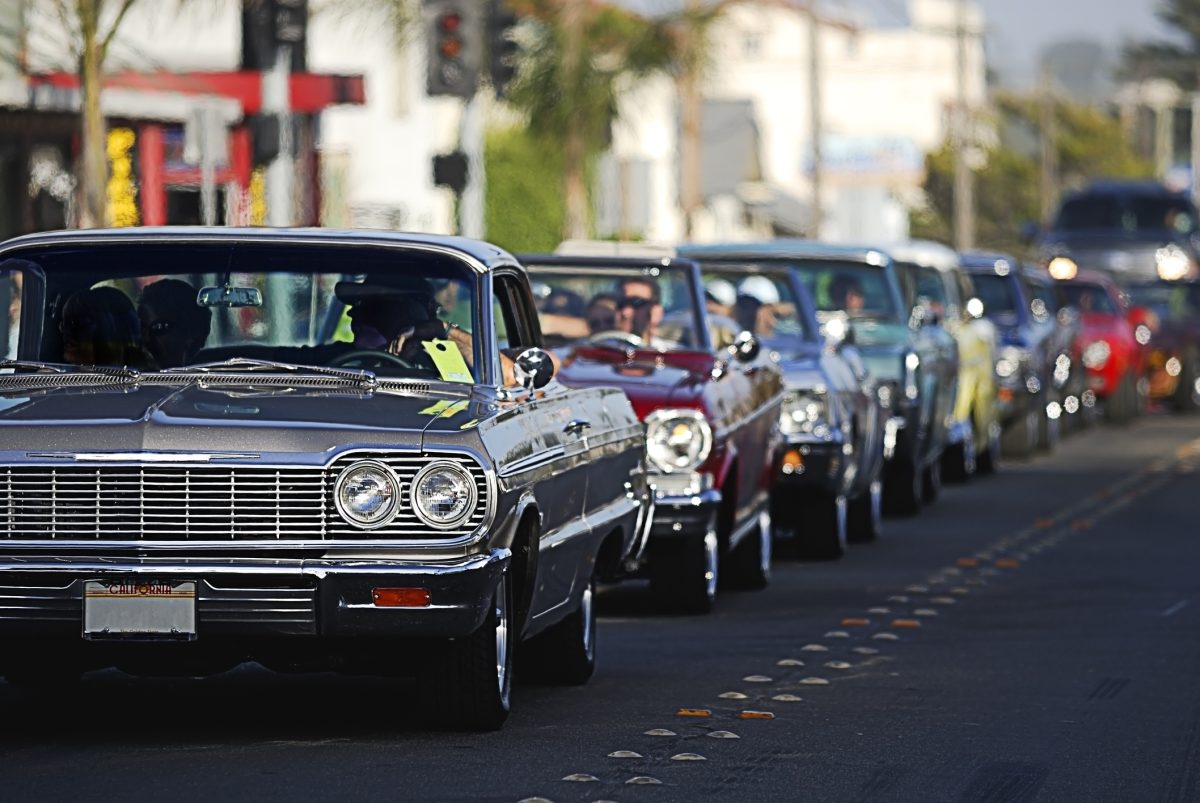
Every September, the town of Fairmount hosts the James Dean Festival, also known as the James Dean Run. This isn’t just a gathering; it’s a pilgrimage. Thousands of custom lead sleds, hot rods, and 1950s classics descend upon the small town. The streets fill with flame-painted Mercurys and chopped-top Fords that look like they rolled straight out of Rebel Without a Cause. It is a visceral reminder of how a car represents freedom, rebellion, and youth.

Iconic Gatherings and Must-See Events

Indiana’s calendar is packed with events that celebrate chrome and horsepower. The flat landscape and central location make it perfect for massive gatherings.

The Frog Follies

Down in Evansville, the E’ville Iron Street Rod Club hosts the Frog Follies. Since 1975, this event has grown into one of the premier street rod shows in the country. Focusing on pre-1949 street rods, it draws thousands of entries. The name? It comes from the Bullfrog Follies, a frog jumping contest the club once organized. The frogs are gone, but the name stuck, and the cars are spectacular.

The Auburn Cord Duesenberg Festival

For those who prefer elegance over hot-rodding, the Auburn Cord Duesenberg Festival in Auburn is the gold standard. Held every Labor Day weekend, it celebrates the pinnacle of luxury from the pre-war era. The Parade of Classics is a highlight, where spectators can see millions of dollars worth of rolling art driving down the street, not just parked on a lawn. It’s a chance to see the “Great Gatsby” era come to life.

The Indy 500 Snake Pit and Carb Day

While technically a racing event, the culture surrounding the Indianapolis 500 is deeply tied to classic cars. The “Carb Day” festivities often feature classic car parades and displays. The connection between the Speedway and the classic car owner is tight; many enthusiasts trace their love of cars to their first visit to the Brickyard.

The Heartbeat of the Culture: Car Clubs

The real engine keeping this culture running is the network of local car clubs. These aren’t just groups of people who own old cars; they are communities.

  • The Idlers Car Club: Based in central Indiana, groups like the Idlers have been around for decades. They organize cruise-ins, charity drives, and swap meets. Their focus is often on keeping the “traditional” hot rod spirit alive—think flathead V8s and bias-ply tires.
  • Hoosier Model A Ford Club: Dedicated to the car that put America on wheels, this club focuses on preservation and touring. Seeing a convoy of twenty Model As putting down a country road at 45 mph is a sight that instantly transports you back to 1930.
  • Indy Mopar Club: Indiana has a massive muscle car following. The Mopar clubs here are fierce, dedicated to the preservation of Dodge, Plymouth, and Chrysler muscle from the late 60s and early 70s.

Evolution of the Scene: From Drive-Ins to Restomods

The culture is changing. Thirty years ago, the scene was dominated by “purists”—folks who wanted every bolt and washer to be factory correct. While that respect for history remains, a new wave has arrived.

The Restomod movement is huge in Indiana. Enthusiasts are taking classic bodies—Mustangs, Camaros, C10 trucks—and fitting them with modern engines, suspension, and brakes. It’s the best of both worlds: the style of 1969 with the reliability of 2024. This shift has made classic cars more accessible to younger generations who want to drive their cars cross-country, not just trailer them to a show.

We are also seeing a surge in “Radwood” era appreciation—cars from the 80s and 90s. The cars that Gen X and Millennials grew up with in Indiana driveways are now becoming the classics. Seeing a pristine 1989 Chevy IROC-Z Camaro draws just as much of a crowd today as a ’57 Chevy Bel Air did twenty years ago.

Keeping the Rust at Bay

Owning a classic in Indiana does come with one major enemy: the weather. The humid summers and salty, snowy winters are brutal on vintage steel.

Talk to any Indiana collector, and they will have a “barn find” story. It usually goes like this: “I heard about a widow in Muncie who had a tarp over something in the shed. I went over, peeled back the plastic, and there sat a 1965 GTO, covered in dust but solid.”

These stories fuel the passion. The act of rescuing a car from the elements, fighting back the rust, and getting it back on the road is a rite of passage. It represents the Hoosier work ethic—taking something neglected and making it beautiful again through hard work.

Conclusion

Classic car culture in Indiana is more than just a pastime; it is a living history lesson and a community bond. From the elegant curves of an Auburn Speedster to the raw power of a Hemi Cuda, these machines tell the story of who we were and who we are.

Whether you are a serious collector or just someone who smiles when they see a vintage truck, Indiana welcomes you. The next time you are driving through the Crossroads of America, take the back roads. You might just stumble upon a cruise-in at a root beer stand, where the music is old, the paint is deep, and the stories are just waiting to be told.

Ready to hit the road?

If you want to dive deeper into this world:

  • Visit the Auburn Cord Duesenberg Automobile Museum in Auburn.
  • Check local listings for Friday night cruise-ins during the summer months.
  • Attend the Newport Antique Auto Hill Climb for a unique mix of history and competition.

The Electric Vehicle Mover

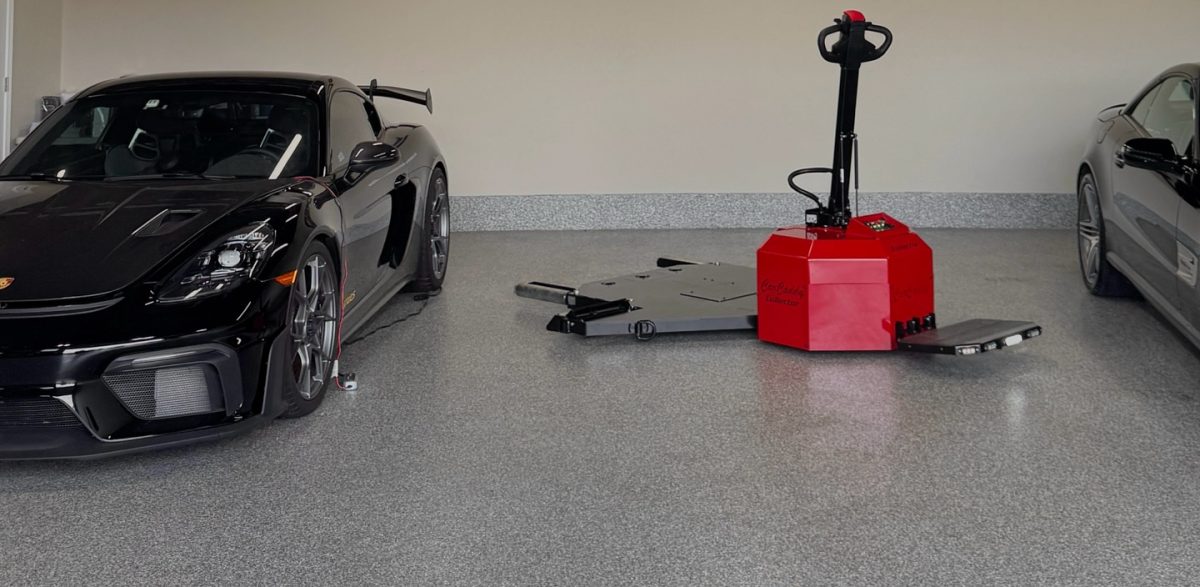
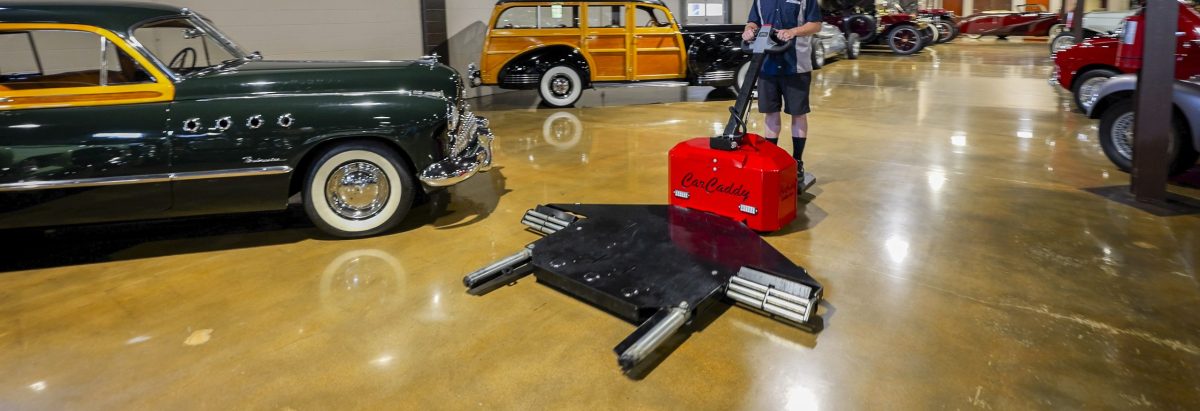
For car collectors with extensive collections, maneuvering vehicles within tight spaces can be a challenge, and that’s where the CarCaddy Vehicle Puller becomes an essential tool. Designed and built in Indiana, the CarCaddy is a compact, electric vehicle mover that allows collectors to easily move cars in their garages or showrooms without starting the engines. Its durable construction and precision engineering reflect Indiana’s rich manufacturing heritage, ensuring reliability and ease of use. Whether positioning rare classics for display or organizing a crowded storage area, the CarCaddy offers a practical and efficient way to handle treasured vehicles with care. Contact our team today and order your electric vehicle mover.


New Year, New Gear: Electric Vehicle Mover

Happy New Year, gearheads!

There is something undeniably special about flipping the calendar to January. It’s a clean slate. For most people, that means gym memberships and diet plans. But for us? It means dreaming about the open road, upcoming car shows, and finally finishing that restoration project sitting under the tarp.

We all have big automotive resolutions. Maybe this is the year you finally swap that transmission, or perhaps you’re just hoping to keep your daily driver pristine through the salt and slush season. Whatever your goals, we hope the coming months are filled with smooth shifts and zero check-engine lights.

However, before we get to the spring cruising season, we have to survive the rest of winter. And if you are like many enthusiasts, winter means one thing: playing Tetris in your garage.

The Winter Garage Struggle is Real

Let’s be honest. Maneuvering vehicles during the colder months is a headache. You might be trying to squeeze your prized classic into the corner to protect it from the elements, while also making room for other vehicles including the snowblower and the family SUV.

The air is freezing, the floor is slick with melted snow, and you are exhausted. Trying to push a 3,000 pound piece of precious metal by hand into a tight spot isn’t just difficult; it’s dangerous. One slip on a wet concrete floor can lead to a thrown-out back or, worse, a dent in a fender that took you months to source.

The joy of car ownership often hits a speed bump right at the garage door during winter. We spend so much time worrying about what happens on the road that we forget about the logistics of just keeping our cars safe at home.

This year, instead of risking your back or your bumper, why not work smarter?

Meet the Game-Changer: An Electric Vehicle Mover

If your New Year’s resolution involves working on your cars more efficiently, you need to know about the CarCaddy Vehicle Puller.

Think of it as your personal valet robot, but with a lot more torque. This battery-powered electric vehicle mover is designed to push or pull cars, trucks, and vans up to 7,000 lbs. It transforms a strenuous, multi-person job into a simple, one-person task.

Here is why it is the ultimate winter upgrade for your shop or garage.

1. Effortless Maneuverability in Tight Spaces

The CarCaddy shines in these tight quarters. It acts as a motorized car dolly that hooks up to your vehicle’s tires. Because it gives you precise control over the movement, you can navigate your vehicle into the tightest spots without breaking a sweat. No more backing up and pulling forward ten times just to get it straight. You guide it exactly where it needs to go.

2. Safety First (For You and Your Car)

Slipping while pushing a car is a genuine risk. Wet winter floors are unforgiving. By using the CarCaddy, you eliminate the physical strain of pushing. You aren’t digging your heels into a slick floor trying to generate momentum.

The electric vehicle mover does the heavy lifting. You simply operate the controls. This protects your body from strain and injury. It also protects your vehicle. When you are physically exhausted from pushing, mistakes happen. You might misjudge a corner or let the car roll too fast. The CarCaddy offers controlled speed and braking, ensuring your prized possession doesn’t accidentally kiss the workbench or another car.

3. No Need to Start Cold Engines

Cold starts are tough on engines. The oil is thick, the battery is sluggish, and running a car for just 30 seconds to move it ten feet causes condensation buildup in the exhaust and oil.

With the CarCaddy, you don’t need to turn the key. You can move a dead car, a project car with no engine, or a perfectly good car that you just don’t want to cold-start. This preserves your battery and engine life, which is a massive win for vehicle longevity.

4. Plug-and-Play Simplicity

You might think industrial-grade equipment requires a steep learning curve, but the CarCaddy is incredibly user-friendly. It features ergonomic handles and intuitive thumb controls for variable speed. It’s designed so that anyone—regardless of physical strength—can move a vehicle safely.

Plus, it’s battery-operated. There are no messy cords to trip over and no fumes to fill up your closed garage. Just charge it up, and it’s ready to work when you are.

Make Efficiency Your Resolution

We often buy tools to help us fix our cars—wrenches, lifts, diagnostic computers. But we rarely invest in tools that help us move our cars.

As you look at your automotive goals for the year, think about the logistics. How much time and energy do you waste struggling to position vehicles? How much safer would your garage be if you could move a heavy truck with the touch of a thumb?

The CarCaddy Vehicle Puller isn’t just a tool; it’s an investment in your peace of mind. It allows you to maximize your storage space and minimizes the hassle of winter vehicle management.

Embrace the Automotive Adventures Ahead

So, here is to a fantastic year ahead. We hope your 10mm sockets stay found, your bolts never strip, and your garage remains a place of joy rather than frustration.

Don’t let the winter blues—or a cramped garage—stall your passion. Equip yourself with the right tools to keep things moving smoothly.

Ready to revolutionize how you move your vehicles? Contact our team at CarCaddy and start your year off on the right track.

Impounded Cars: A Use Case for an Electric Vehicle Mover

If you manage a police impound lot or evidence facility, you know the daily struggle. Vehicles arrive constantly, space is limited, and every square foot is valuable real estate.

Managing these lots comes with a unique set of headaches that go beyond simple parking. You are dealing with potential crime scenes, evidence preservation, and the sheer physical danger of moving disabled vehicles. Relying on external tow trucks is expensive, and manually pushing cars is a recipe for employee injury.

For many departments, the solution lies in electric vehicle movers. These battery-operated units allow a single person to move heavy vehicles safely and efficiently. By integrating this technology into your operations, you can significantly reduce operational costs, protect your staff, and maintain the integrity of crucial evidence.

The Electric Vehicle Mover Solution

An electric vehicle mover is a specialized, battery-powered machine designed to move cars and trucks without starting the engine. Unlike a forklift or a tow truck, these movers are compact and agile.

How they work

The concept is simple but effective. The operator walks behind the unit, guiding it to the vehicle. The mover slides under the vehicle’s tires, lifts them slightly off the ground, and uses its own power to push or pull the car.

Because the mover lifts the vehicle by the tires, there is no need to enter the car to steer or put it in neutral. This is a critical feature for police departments dealing with locked vehicles, cars without keys, or vehicles that are part of an active investigation.

Cutting Costs and ROI

Budget constraints are a reality for every law enforcement agency. One of the most compelling arguments for adopting electric vehicle movers is the direct financial impact.

eliminating tow bills

Historically, moving a disabled vehicle within a lot often required calling a third-party tow truck. These bills add up quickly.

Consider the case of a Police Department which faced capacity issues and high operational costs, the city invested in an electric vehicle mover. The results were immediate and substantial. Over a ten-year period, the department saved taxpayers more than $300,000 in tow bills alone. They successfully moved over 5,000 vehicles without generating a single external invoice.

Rapid Return on Investment

While the upfront cost of equipment can be daunting, the math works in your favor. In the mentioned example, the equipment paid for itself within three years. When you factor in the elimination of tow fees and the reduction in labor hours required to manage the lot, the return on investment becomes clear. This frees up budget that can be reallocated to other critical police resources.

Enhancing Safety and Evidence Integrity

Money isn’t the only metric that matters. The safety of your officers and civilian staff is paramount. Electric vehicle movers address two major safety concerns: physical injury and evidence contamination.

Reducing physical strain

Moving a stalled car manually is dangerous work. It typically requires two or three people pushing, with another steering. This creates a high risk for back injuries, slips, and falls. Furthermore, maneuvering a heavy vehicle in a tight, crowded lot increases the chance of accidental damage to other vehicles or facility infrastructure.

With an electric vehicle mover, a single operator does the heavy lifting. The machine handles the weight, and the operator simply guides it. This reduces physical strain and minimizes the risk of workers’ compensation claims related to musculoskeletal injuries.

Preserving the chain of custody

In a police impound lot, a vehicle is often more than just a car; it is a piece of evidence. It may contain fingerprints, DNA, or other crucial materials related to a homicide or robbery investigation.

Traditional methods of moving cars often require an officer to sit in the driver’s seat to steer. This seemingly harmless act can contaminate the crime scene. Because electric vehicle movers lift and guide the car externally, there is no need for staff to touch the door handles, steering wheel, or interior. The vehicle remains sealed and untouched until crime scene technicians are ready to process it. This capability is essential for maintaining a pristine chain of custody.

Mastering the Game Space Savings

Efficiency in an impound lot is defined by how well you utilize space. When you are over capacity, maneuverability is usually the first thing to suffer.

Navigating tight spaces

Tow trucks are large and cumbersome. They require wide lanes and significant turning radii to operate effectively. This limits where you can place vehicles and often results in wasted space.

Electric vehicle movers are compact and highly maneuverable. They can place vehicles deep into corners or tightly against walls where a tow truck could never reach. This allows lot managers to stack vehicles more densely, effectively increasing the storage capacity of the existing facility without the need for expensive expansion or off-site leasing.

Operational speed

Time is another resource that cannot be wasted. Waiting for a tow truck to arrive to move a single vehicle can stall operations for hours. With an electric mover on-site, moving a vehicle to an inspection bay or releasing it to an owner happens on your schedule.

Testimonials from facility managers highlight that what used to take two or three people stopping their work to assist with a move can now be accomplished by one person in a fraction of the time. This keeps your staff focused on their primary duties rather than wrestling with heavy machinery.

A Smarter Future for Impound Management

The transition from manual labor and external towing to electric vehicle movers represents a shift toward smarter, safer, and more cost-effective policing.

By adopting this technology, departments do more than just move cars. You protect the physical well-being of your workforce, ensure the integrity of critical evidence, and demonstrate fiscal responsibility to the taxpayers. This Police Department’s success proves that this is not just a theoretical upgrade, but a practical solution with proven results. Check out some of our testimonials.

If your facility is struggling with overcrowding, safety risks, or ballooning operational costs, it is time to look at how electric vehicle movers can transform your impound lot operations. Contact our team at CarCaddy the American Made electric vehicle puller today and improve your operations.

Car Dealerships Adapting to Larger Vehicles and EVs with Electric Vehicle Movers

The automotive landscape is undergoing a seismic shift. Customer demands, business models, and technology are rapidly evolving, forcing dealerships to rethink how they operate. Gone are the days of sprawling lots packed with identical models waiting for a buyer to walk in. Today, we are seeing a clear transition toward larger vehicles, electric powertrains, and a more deliberate, built-to-order sales process.

For dealership owners and managers, staying ahead of these trends isn’t just about stocking the right cars—it’s about adapting your facility and your operations to handle them safely and efficiently. If you are still moving cars the way you did ten years ago, you might be putting your staff and your inventory at risk.

Let’s explore the key changes shaping the future of car dealerships and how you can prepare your business for what lies ahead.

The Shift Towards Larger and Electric Vehicles

One of the most noticeable trends in the current market is the growth in demand for larger vehicles. Customers today prioritize space and utility, driving a surge in demand for SUVs and trucks over compact sedans. In fact, many manufacturers are phasing out smaller models entirely to focus on these larger, more profitable segments.

However, this shift isn’t just about consumer preference for legroom. The electrification of the industry is playing a massive role. Electric vehicles (EVs) require substantial battery packs to achieve competitive ranges. To accommodate these batteries without sacrificing interior space, the vehicles themselves must be larger and, crucially, much heavier.

This weight increase presents a unique logistical challenge for dealerships. Moving a standard sedan is one thing; maneuvering a heavy-duty electric SUV through a showroom or service bay is entirely another. The infrastructure of yesterday is struggling to keep up with the curb weights of today, requiring new strategies for safe vehicle transport within the dealership.

The Rise of Built-to-Order

Just as the cars are changing, so is the way customers buy them. We are moving away from the instant gratification model where a customer drives off the lot with a car they saw five minutes ago. Instead, the market is shifting toward a built-to-order approach.

Modern car buyers are more informed than ever. They spend hours researching specific trims, features, and colors online before they ever step foot in a showroom. They know exactly what they want, and they are increasingly willing to wait for it. It is becoming common for customers to place an order and wait months, sometimes up to a year, for their specific configuration to arrive.

For dealerships, this changes the game significantly. It means carrying less physical stock, which reduces holding costs, but it places a higher premium on logistics and delivery precision. When that custom-ordered vehicle finally arrives, it needs to be processed, detailed, and delivered in pristine condition. There is no room for error or accidental damage when a customer has been waiting six months for their dream car.

Leasing as an Alternative

Alongside the shift in how cars are ordered, there is a shift in how they are financed. Leasing is becoming an increasingly popular alternative to traditional ownership. In times of economic uncertainty, the predictability of a lease is appealing. It offers customers a fixed monthly cost without the need for a massive upfront lump sum.

For the dealership, leasing offers distinct advantages. It creates a predictable cycle of inventory. You know exactly when a car is coming back, allowing you to plan your used car inventory with greater accuracy. A lease return is a known entity—you have the service history and a general idea of the condition, making it easier to turn around and sell as a certified pre-owned vehicle.

Furthermore, leasing often acts as a bridge. Some customers use short-term leases as a temporary solution while they wait for their custom built-to-order vehicle to be manufactured. This keeps the customer within your ecosystem and ensures you capture both the lease and the eventual sale.

Improving the Working Environment

With heavier EVs and high-value custom orders moving through your facility, the physical act of moving cars has become a critical operational focus. In the past, porters would simply start the engine and drive vehicles in and out of the showroom or service hall.

That old method is becoming obsolete for several reasons:

  • Health and Safety: Running engines indoors creates exhaust fumes, requiring doors and windows to be open. This is inefficient for climate control and creates a noisy, unhealthy environment for staff and customers.
  • Risk of Damage: Maneuvering large, heavy vehicles in tight showroom spaces increases the risk of dings and scratches. When every car is a sold order or a high-value EV, accidental damage is a costly headache you can’t afford.
  • Inefficiency: Manually driving cars or using outdated dolly systems takes time and often requires multiple people to spot and guide the driver.

To solve these issues, forward-thinking dealerships are turning to electric vehicle movers.

The Solution: An Electric Vehicle Puller

If you are looking to modernize how you move inventory, the CarCaddy Vehicle Puller is the tool designed for this specific challenge. It addresses the safety and efficiency gaps left by traditional methods.

The CarCaddy is an electric vehicle mover capable of pushing or pulling cars, trucks, and EV’s up to 7,000 lbs. This capability is essential as your inventory shifts toward heavier electric vehicles.

Here is how the CarCaddy improves dealership operations:

  • Enhanced Safety: The CarCaddy allows a single employee to move a heavy vehicle safely. Because the operator walks or rides behind the unit, they have full visibility of the surroundings, significantly reducing the risk of hitting door frames, desks, or other cars.
  • Zero Emissions: Being battery-powered, the CarCaddy produces no exhaust fumes. You can move vehicles inside your showroom or service center without opening doors or compromising air quality. This creates a more professional, pleasant environment for your clients.
  • Precision and Control: The unit features variable speed control (0-2 mph) and an intricate maneuvering capability. You can pack cars tighter in your showroom or storage lot with confidence, maximizing your valuable floor space.
  • Reduced Physical Strain: It eliminates the physical strain on your employees. Pushing a stalled vehicle or maneuvering a car into a tight spot manually is a recipe for back injuries. The CarCaddy does the heavy lifting, protecting your most valuable asset—your people.

Improve Your Showroom With a CarCaddy Vehicle Puller

The role of the car dealer is changing. We are moving toward a model defined by precision—precision in ordering, precision in financial planning through leasing, and precision in how we handle the vehicles themselves.

Adapting to the influx of heavier electric vehicles and the logistical demands of built-to-order sales requires more than just new sales scripts. It requires the right infrastructure. By adopting tools like the CarCaddy Vehicle Puller, you protect your inventory, ensure the safety of your staff, and present a sophisticated, modern face to your customers.

The future of automotive retail is heavy, electric, and custom-ordered. Make sure your dealership is equipped to carry the load. Order Your Electric Vehicle Mover from CarCaddy Today!

CarCaddy Vehicle Puller: The Collectors Edition VS The Competition

A Guide to Choosing the Right Vehicle Puller

Moving vehicles within a confined space like a workshop, showroom, or museum presents a unique set of challenges. It requires precision, safety, and efficiency to prevent damage and ensure a smooth workflow. An electric vehicle mover, or vehicle puller, is an essential tool for this task, allowing a single operator to move cars safely without starting the engine.

Choosing the right vehicle puller is crucial for maximizing productivity and protecting valuable assets. With different models available, it’s important to understand which features best suit your specific operational needs. This guide will walk you through the key factors to consider and compare two leading models to help you make an informed decision.

Factors to Consider When Choosing a Vehicle Puller

Before investing in a vehicle puller, evaluate your requirements based on these four key factors.

Vehicle Weight Capacity

The first and most important consideration is the weight of the vehicles you need to move. A puller must be rated to handle the maximum weight of your heaviest vehicles to operate safely. Overloading a machine can lead to equipment failure and dangerous situations. Check the puller’s specifications for both total vehicle weight and maximum axle weight capacity.

Operating Time

Consider how frequently you will use the vehicle puller. For operations that require moving cars throughout the day, a long battery life is essential. Look for models that offer extended operating times, such as 8-10 hours on a single charge. This minimizes downtime for recharging and keeps your workflow uninterrupted.

Maneuverability and Visibility

Workshops, showrooms, and storage facilities are often tight spaces. A good vehicle puller should offer excellent maneuverability to navigate these areas easily. Features like a tight turning radius and responsive steering are critical. The operator should also have a clear line of sight around the machine to ensure precise and safe movement, preventing accidental bumps or scrapes.

Safety Features

Safety is non-negotiable. Essential safety features include reliable braking systems, emergency stop switches, and good lighting for visibility in low-light conditions. Some models also include features like adjustable acceleration and neutral throttle braking, which gives the operator greater control and helps prevent sudden jerks or movements.

A Look at Top Vehicle Puller Models

To help you understand how these factors apply in practice, let’s compare two popular options on the market: the S3 and the CarCaddy Vehicle Puller.

S3 Electric Vehicle Mover

The S3 is a robust machine designed for businesses that need to move vehicles frequently over various distances, such as in testing labs, on production lines, or in large workshops.

  • Features and Benefits: The S3 can handle vehicles weighing up to 3,000 kg (approximately 6,600 lbs). One of its standout features is an impressive 10-hour operating time, ensuring it can last through a full workday with minimal maintenance requirements. Its low-profile design provides the operator with excellent visibility during loading and unloading.
  • Specialized Use: The S3 is also available with a hydraulic cylinder, which provides greater power and allows it to handle cars with very low ground clearance—a key feature for businesses dealing with sports cars or luxury vehicles.
  • Price: The S3 starts at around $50K. Its higher price point reflects its capabilities, and setting their price in an emerging market.

CarCaddy Vehicle Puller: The Collectors Edition

The CarCaddy Vehicle Puller is a versatile and cost-effective solution, ideal for car museums, private collections, and storage warehouses where vehicles are moved less frequently but still require careful handling.

  • Features and Benefits: The CarCaddy can pull vehicles up to 7,000 lbs (approximately 3,175 kg) with a front axle weight capacity of 3,000 lbs. It comes equipped with a range of standard features, including a variable speed twist grip, adjustable acceleration, and a shock-assisted ride-on platform for operator comfort. Its LED headlights improve visibility for easy alignment.
  • Specialized Use: A key advantage of the CarCaddy is its low-profile design with adjustable roller arms, which allows for easy loading and unloading without damaging a vehicle’s bumper or body. This makes it particularly suitable for handling valuable and classic cars.
  • Price: The CarCaddy Vehicle Puller starts at around $30K, making it a more accessible option for smaller businesses or private collectors who need a reliable machine without the scaled up price tag.

Special Features That Make a Difference

Certain features can significantly enhance the functionality of a vehicle puller for specific applications.

  • Hydraulic Cylinders: As seen with the S3, hydraulic systems can provide the extra power needed for lower-clearance vehicles, ensuring the mover can securely lift the wheels without damaging the vehicle’s undercarriage.
  • Adjustable Arms: The CarCaddy’s adjustable roller arms are a prime example of a feature designed for versatility. This allows the operator to customize the grip for different wheelbases and vehicle types, ensuring a secure and damage-free move every time.

Find the Right Mover for Your Needs

Choosing the right vehicle puller comes down to balancing your operational needs with your budget.

If your business involves continuous, heavy-duty vehicle movement and you regularly handle vehicles with low ground clearance, the power and extended operating time of the S3 and CarCaddy Vehicle Puller make either a worthy investment.

For car collectors, museums, or service centers that need a reliable, safe, and versatile machine for less frequent use, the CarCaddy Vehicle Puller offers an excellent balance of features and affordability. Its focus on preventing damage to the vehicle body makes it a trusted choice for handling valuable automobiles.

Investing in the right equipment streamlines your operations, protects your assets, and ensures a safer work environment.

Ready to improve your vehicle handling process? Request a custom quote today to customize your CarCaddy Vehicle Puller.