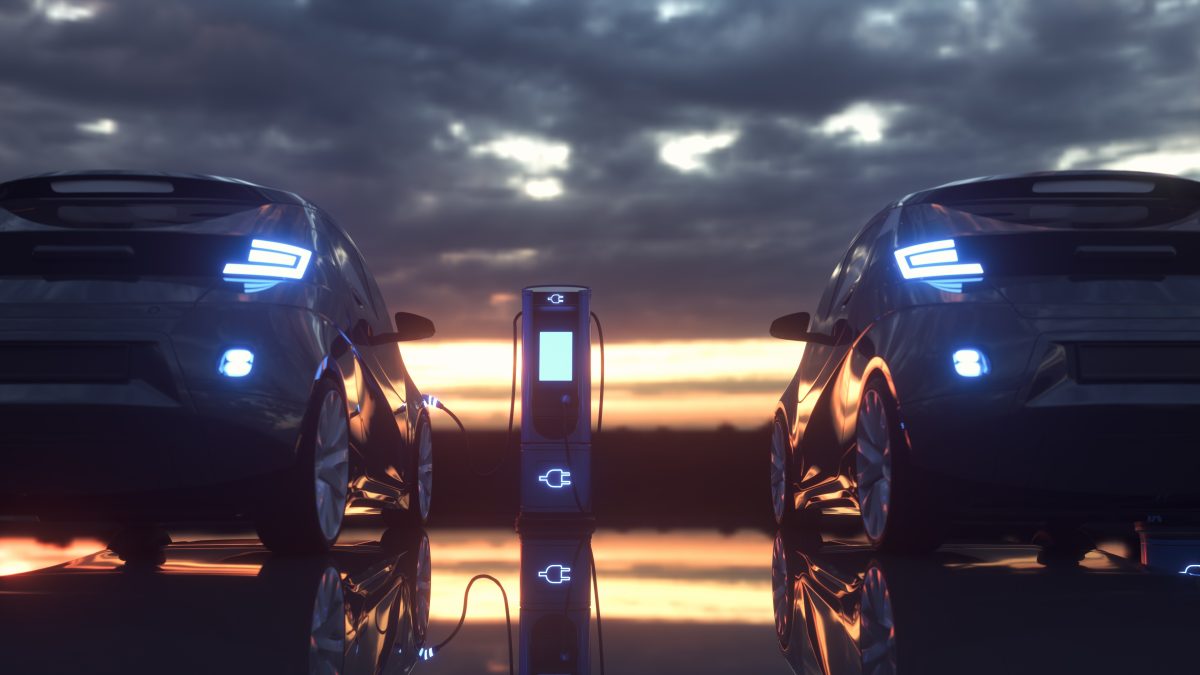
The Heavyweight Champions: How to Safely Move “Dead” Electric Vehicles

Electric vehicles have changed everything about modern automotive service—and not just what’s under the hood. When a dead or unpowered EV rolls into your shop, the challenges start before you even lift a wrench. These machines are heavier, more sensitive, and far less forgiving than their gas-powered counterparts. Moving them the wrong way can cost you far more than the repair job itself. This is where the CarCaddy electric vehicle puller shines.

This post breaks down exactly why dead EVs demand a different approach, what’s at risk when you get it wrong, and how the CarCaddy Electric Vehicle Puller gives your team the precision and power to handle them safely, every single time.

Why Dead EVs Are a Different Animal

The shift to electric vehicles hasn’t just changed how cars are powered—it’s changed how much they weigh. A Tesla Model S tips the scales at around 4,900 lbs. A GMC Hummer EV? Nearly 9,000 lbs. Even mid-range electric crossovers routinely land between 4,500 and 6,000 lbs, all because of the enormous lithium-ion battery packs required to power them.

That weight is the first problem. When an EV’s battery is depleted or the system is completely shut down, you can’t rely on the vehicle’s own power-assisted systems to help. The brakes are heavier to engage. The steering offers no assistance. And pushing or maneuvering a 6,000-lb vehicle by hand through a service bay isn’t just inefficient—it’s a serious injury risk for your technicians.

The second problem is less obvious, but potentially far more expensive.

Protecting Sensitive EV Drivetrains: The Back-EMF Risk

Here’s something many shop owners don’t know until it’s too late. Pushing or improperly towing an electric vehicle—even a short distance—can damage the drivetrain. The reason comes down to physics.

Electric motors work in both directions. When electricity flows in, the motor spins the wheels. But when the wheels spin while the motor is unpowered, the motor acts like a generator, producing what’s called back-EMF (back electromotive force). Without the vehicle’s control systems active to regulate this, the voltage generated can spike and damage the inverter, the motor windings, or other sensitive electronics. According to automotive engineers and EV forums, flat-towing an EV—or dragging it with its driven wheels rolling on the ground—is a well-documented cause of inverter failure.

Dual-motor drivetrains are particularly vulnerable. With motors on both axles, any uncontrolled wheel spin during an improper tow creates simultaneous back-EMF at the front and rear. Add regenerative braking systems into the mix, and the risk of expensive electronic damage multiplies further.

The solution isn’t to push harder or pull more carefully. The solution is to take the driven wheels completely out of the equation.

How the CarCaddy Protects Your EVs and Your Bottom Line

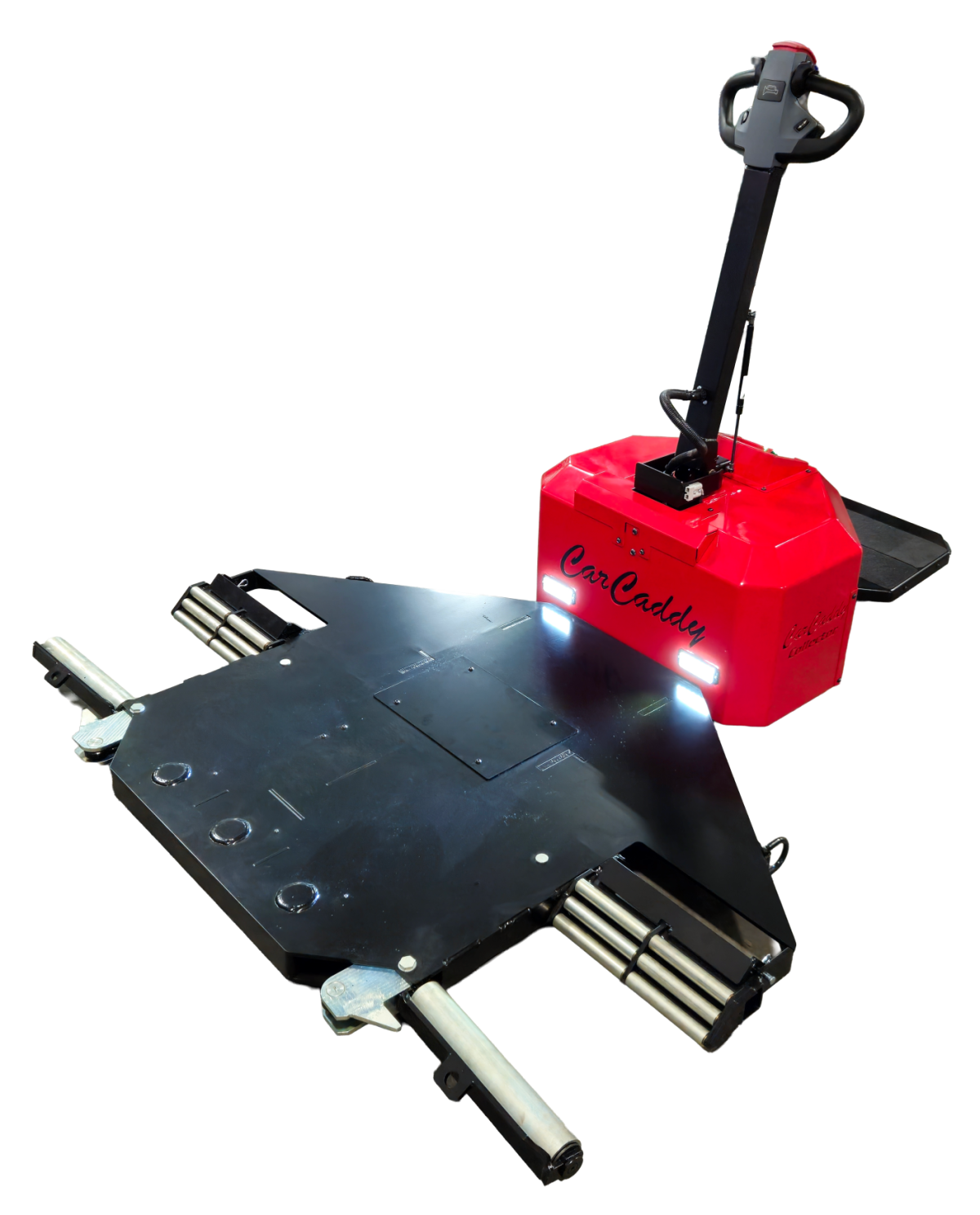
The CarCaddy electric vehicle puller is specifically designed for exactly this scenario. Rather than pushing or dragging the vehicle from behind—or rolling it on its own driven wheels—the CarCaddy uses hydraulic roller arms to cradle the front tires and lift them off the ground entirely.

That single design decision changes everything.

With the front wheels suspended, the drive axle doesn’t rotate. No wheel spin means no unintended motor activation. No motor activation means no back-EMF. Your customer’s EV drivetrain stays completely undisturbed, and you avoid the kind of repair bills that can turn a standard service job into a warranty nightmare.

The CarCaddy VP 7K handles vehicles up to 7,000 lbs.—more than enough for most luxury EVs currently on the road. The hydraulic dual tire engaging system loads the vehicle smoothly, without the straps, hooks, or rubber push pads that create contact points on bumpers and body panels. For shops working with high-value electric vehicles, that level of care matters enormously.

Power and Precision to Match EV Weight

Moving a 6,000-lb vehicle through a busy service bay requires more than raw pulling strength. It requires control.

The CarCaddy’s 36VDC drive system—running on a three-battery configuration—delivers steady, reliable power without sudden torque spikes that could send a heavy EV rolling out of position. Variable speed thumb control lets your technician dial in exactly the right pace for the situation, whether that’s a slow, careful crawl through a tight bay door or a more efficient repositioning across an open floor.

Neutral throttle braking is one of the features that makes the biggest practical difference on the shop floor. The moment a technician releases the throttle, the unit stops. There’s no coasting, no drift, no momentum carrying a multi-ton EV somewhere it shouldn’t go. Combined with an emergency safety stop switch, the CarCaddy gives a single operator full, confident control over a vehicle that would otherwise require four or five people to nudge manually—and even then, not safely.

The walk-behind design makes it equally manageable in confined spaces. Standard service bays weren’t built with 7,000-lb electric trucks in mind, but with the CarCaddy’s electric vehicle puller’s maneuverability, your team can navigate those same bays without modification or risk.

Future-Proof Your Shop for the EV Revolution

EVs aren’t a niche market anymore. They’re the direction the entire industry is heading, and shops that aren’t equipped to handle them safely and efficiently will fall behind fast. Injury claims from manual vehicle handling, drivetrain damage from improper towing, and bottlenecked service bays are all avoidable problems—but only if you have the right equipment.

Our family business engineered the CarCaddy to handle the heaviest modern vehicles with absolute precision and zero strain on your team. One technician. One unit. Full control over a vehicle that weighs as much as a small truck.

Contact us today for a free price quote, and let’s make sure your shop is ready for every EV that rolls through your door.
Stop Pushing Your Luck: Securing Your Private Auto Collection

High-value private auto collections require immense investments of time, money, and passion. Every vehicle represents a distinct piece of automotive history, carefully preserved and maintained to retain its beauty and value. Building a private gallery of rare automobiles is a massive achievement, but managing that gallery introduces a unique set of logistical challenges.

Vehicles frequently need to be moved for cleaning, routine maintenance, or display reorganization. Every time a car transitions from a stationary position to being in motion, a specific “risk window” opens up. During this window, the vehicle is vulnerable to environmental hazards, human error, and mechanical failures.

Relying on physical manpower to push these heavy, irreplaceable assets exposes both your staff and your collection to unnecessary dangers. We have seen firsthand how quickly a routine maneuver can result in property damage or personal injury. This guide explains why transitioning away from manual labor and utilizing a dedicated car pushing machine is the most responsible choice for safeguarding your automotive investments.

Where Things Go Wrong with Manual Pushing

Moving a classic car by hand introduces a dangerous variable into your gallery management operations. We call this “The X Factor.” It refers to the sheer unpredictability of manual pushing. Even with a highly trained team, human strength and coordination have limits, and gravity is unforgiving.

When you manually push a vehicle, you are relying entirely on the physical exertion of your staff and the mechanical integrity of a car that may not have been driven in months or years. This combination frequently leads to hazardous situations.

Here are a few common scenarios where manual pushing leads to disaster:

  • Uncontrolled Momentum: A team of people might successfully get a heavy classic car rolling, but stopping it is entirely different. Even a slight, almost imperceptible grade in your garage floor can cause a vehicle to gain dangerous momentum.
  • Personal Injury: When multiple people surround a moving vehicle, the risk of physical injury skyrockets. A slight misstep can result in a foot getting caught under a rolling tire, or a worker straining their back trying to halt a 4,000-pound piece of metal.
  • Mechanical Unpredictability: Relying on the car’s original equipment to stop the vehicle safely is a massive gamble. Sticking brakes, locked steering columns, or flat spots on tires can cause the car to veer suddenly into a wall or, worse, into another priceless vehicle.

Control is Safety: The Power of Positive Control

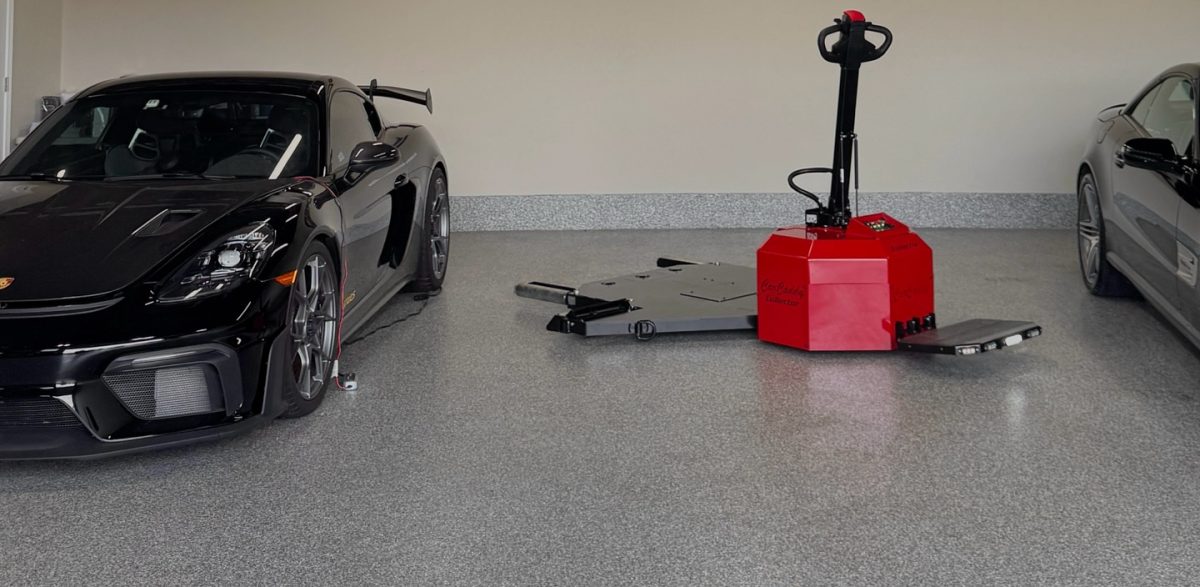
The most effective way to eliminate “The X Factor” is to adopt a system that provides absolute positive control over the vehicle’s movement. A high-quality car pushing machine delivers exactly this.

Positive control means that the equipment dictates the speed, direction, and braking of the vehicle at all times. Instead of relying on human muscle and coordination to guide a heavy automobile, the machine handles the physical burden securely and predictably.

Consider the braking systems on vintage vehicles. A 40-year-old master cylinder is often unreliable, especially if the car sits idle for long periods. Seals dry out, fluid degrades, and pressure drops. When a team is pushing a car toward a tight parking spot, realizing the vehicle’s brakes have failed is a terrifying and costly moment.

A car pushing machine eliminates this risk entirely. The machine itself is doing the braking and the steering. It features an integrated, heavy-duty braking system that stops the vehicle exactly when and where you need it to stop, regardless of the condition of the car’s internal mechanics. Furthermore, these machines allow a single operator to move a vehicle smoothly, providing a clear line of sight and removing the chaotic communication required when a large group of people tries to steer a car by hand.

The True Cost of a “Whoops”

Operating a private collection means understanding the value of your assets. You invest heavily in climate control, security systems, and insurance premiums to protect your vehicles. Yet, choosing to save a little money by manually moving cars leaves a gaping hole in your risk management strategy.

The financial reality is that the cost of a single mistake far exceeds the cost of purchasing the proper equipment. A simple dent, a scraped bumper, or a cracked taillight on a rare vehicle can cost thousands of dollars to repair. In many cases, replacement parts for vintage or limited-production automobiles are completely unavailable, meaning custom fabrication is your only option.

Beyond the immediate repair costs, any damage to a classic car diminishes its historical integrity and overall market value. Even perfectly executed bodywork leaves a record of damage. A reliable car pushing machine effectively pays for itself the moment it prevents just one minor mishap. It is an investment in loss prevention that yields immediate peace of mind.

Protect Your Automotive Legacy Today

Managing a private auto collection should bring you joy and pride, not anxiety every time a vehicle needs to be repositioned. By upgrading your operational protocols and integrating professional-grade equipment, you protect your staff from injury and your vehicles from costly damage.

Do not leave the safety of your investment to chance and gravity. Your collection deserves the highest standard of care, and your peace of mind is worth the investment. Reach out to our team today for a quote on the most reliable car pushing machine for your private gallery, and keep your automotive legacy pristine for years to come.

Car Dealerships Adapting to Larger Vehicles and EVs with Electric Vehicle Movers

The automotive landscape is undergoing a seismic shift. Customer demands, business models, and technology are rapidly evolving, forcing dealerships to rethink how they operate. Gone are the days of sprawling lots packed with identical models waiting for a buyer to walk in. Today, we are seeing a clear transition toward larger vehicles, electric powertrains, and a more deliberate, built-to-order sales process.

For dealership owners and managers, staying ahead of these trends isn’t just about stocking the right cars—it’s about adapting your facility and your operations to handle them safely and efficiently. If you are still moving cars the way you did ten years ago, you might be putting your staff and your inventory at risk.

Let’s explore the key changes shaping the future of car dealerships and how you can prepare your business for what lies ahead.

The Shift Towards Larger and Electric Vehicles

One of the most noticeable trends in the current market is the growth in demand for larger vehicles. Customers today prioritize space and utility, driving a surge in demand for SUVs and trucks over compact sedans. In fact, many manufacturers are phasing out smaller models entirely to focus on these larger, more profitable segments.

However, this shift isn’t just about consumer preference for legroom. The electrification of the industry is playing a massive role. Electric vehicles (EVs) require substantial battery packs to achieve competitive ranges. To accommodate these batteries without sacrificing interior space, the vehicles themselves must be larger and, crucially, much heavier.

This weight increase presents a unique logistical challenge for dealerships. Moving a standard sedan is one thing; maneuvering a heavy-duty electric SUV through a showroom or service bay is entirely another. The infrastructure of yesterday is struggling to keep up with the curb weights of today, requiring new strategies for safe vehicle transport within the dealership.

The Rise of Built-to-Order

Just as the cars are changing, so is the way customers buy them. We are moving away from the instant gratification model where a customer drives off the lot with a car they saw five minutes ago. Instead, the market is shifting toward a built-to-order approach.

Modern car buyers are more informed than ever. They spend hours researching specific trims, features, and colors online before they ever step foot in a showroom. They know exactly what they want, and they are increasingly willing to wait for it. It is becoming common for customers to place an order and wait months, sometimes up to a year, for their specific configuration to arrive.

For dealerships, this changes the game significantly. It means carrying less physical stock, which reduces holding costs, but it places a higher premium on logistics and delivery precision. When that custom-ordered vehicle finally arrives, it needs to be processed, detailed, and delivered in pristine condition. There is no room for error or accidental damage when a customer has been waiting six months for their dream car.

Leasing as an Alternative

Alongside the shift in how cars are ordered, there is a shift in how they are financed. Leasing is becoming an increasingly popular alternative to traditional ownership. In times of economic uncertainty, the predictability of a lease is appealing. It offers customers a fixed monthly cost without the need for a massive upfront lump sum.

For the dealership, leasing offers distinct advantages. It creates a predictable cycle of inventory. You know exactly when a car is coming back, allowing you to plan your used car inventory with greater accuracy. A lease return is a known entity—you have the service history and a general idea of the condition, making it easier to turn around and sell as a certified pre-owned vehicle.

Furthermore, leasing often acts as a bridge. Some customers use short-term leases as a temporary solution while they wait for their custom built-to-order vehicle to be manufactured. This keeps the customer within your ecosystem and ensures you capture both the lease and the eventual sale.

Improving the Working Environment

With heavier EVs and high-value custom orders moving through your facility, the physical act of moving cars has become a critical operational focus. In the past, porters would simply start the engine and drive vehicles in and out of the showroom or service hall.

That old method is becoming obsolete for several reasons:

  • Health and Safety: Running engines indoors creates exhaust fumes, requiring doors and windows to be open. This is inefficient for climate control and creates a noisy, unhealthy environment for staff and customers.
  • Risk of Damage: Maneuvering large, heavy vehicles in tight showroom spaces increases the risk of dings and scratches. When every car is a sold order or a high-value EV, accidental damage is a costly headache you can’t afford.
  • Inefficiency: Manually driving cars or using outdated dolly systems takes time and often requires multiple people to spot and guide the driver.

To solve these issues, forward-thinking dealerships are turning to electric vehicle movers.

The Solution: An Electric Vehicle Puller

If you are looking to modernize how you move inventory, the CarCaddy Vehicle Puller is the tool designed for this specific challenge. It addresses the safety and efficiency gaps left by traditional methods.

The CarCaddy is an electric vehicle mover capable of pushing or pulling cars, trucks, and EV’s up to 7,000 lbs. This capability is essential as your inventory shifts toward heavier electric vehicles.

Here is how the CarCaddy improves dealership operations:

  • Enhanced Safety: The CarCaddy allows a single employee to move a heavy vehicle safely. Because the operator walks or rides behind the unit, they have full visibility of the surroundings, significantly reducing the risk of hitting door frames, desks, or other cars.
  • Zero Emissions: Being battery-powered, the CarCaddy produces no exhaust fumes. You can move vehicles inside your showroom or service center without opening doors or compromising air quality. This creates a more professional, pleasant environment for your clients.
  • Precision and Control: The unit features variable speed control (0-2 mph) and an intricate maneuvering capability. You can pack cars tighter in your showroom or storage lot with confidence, maximizing your valuable floor space.
  • Reduced Physical Strain: It eliminates the physical strain on your employees. Pushing a stalled vehicle or maneuvering a car into a tight spot manually is a recipe for back injuries. The CarCaddy does the heavy lifting, protecting your most valuable asset—your people.

Improve Your Showroom With a CarCaddy Vehicle Puller

The role of the car dealer is changing. We are moving toward a model defined by precision—precision in ordering, precision in financial planning through leasing, and precision in how we handle the vehicles themselves.

Adapting to the influx of heavier electric vehicles and the logistical demands of built-to-order sales requires more than just new sales scripts. It requires the right infrastructure. By adopting tools like the CarCaddy Vehicle Puller, you protect your inventory, ensure the safety of your staff, and present a sophisticated, modern face to your customers.

The future of automotive retail is heavy, electric, and custom-ordered. Make sure your dealership is equipped to carry the load. Order Your Electric Vehicle Mover from CarCaddy Today!