Beyond the Bumper: Why Historic Paints and Original Chrome Require a Tire-Lift Solution

Quick answer: Traditional push-pads and complex metal frames can easily damage delicate automotive paint, custom wraps, and vintage chrome trim. To prevent micro-abrasions and stress fractures, auto businesses should use an electric car pusher that features an under-car cradle design. This method safely grips only the rubber tires, leaving zero trace on the vehicle.

Operating a boutique auto dealership, restoration shop, or high-end garage means handling significant investments every single day. You take in vehicles that feature original chrome trim, rare fiberglass panels, and expensive custom vinyl wraps. Moving these cars around the shop floor safely is a top priority for your daily operations. You need to maximize efficiency without putting your clients’ assets at risk.

Many shops rely on outdated equipment to move dead vehicles. Employees often use manual pushing techniques or rely on generic equipment equipped with bulky push-pads. While these methods might seem cost-effective initially, they introduce a high risk of accidental damage. Even a minor scratch on a vintage vehicle can destroy your profit margin and damage your reputation with a loyal customer.

Upgrading your shop floor technology directly protects your bottom line. Investing in a specialized electric car pusher ensures that your staff can move vehicles efficiently and safely. By understanding exactly how traditional tools fail, you can make an informed decision that protects the delicate bodywork of every car in your care.

How does aging metal react to traditional car pushing machines?

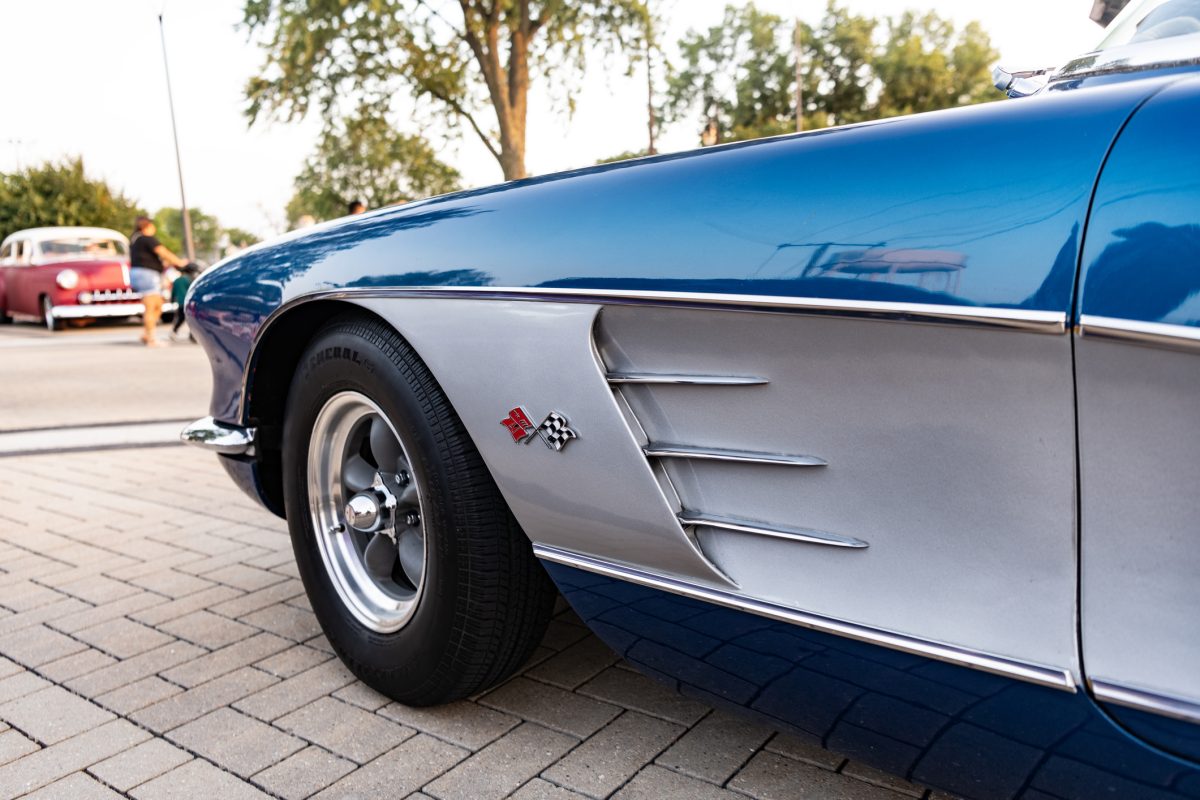
Classic cars and high-end exotics require specialized handling. Vintage lacquer paint and original chrome trim simply cannot handle the pressure exerted by traditional push pads. Many legacy machines use large foam or rubber pads that press directly against the bumper or body panels to generate pushing force.

Over time, this direct contact causes severe problems for delicate materials. Even soft rubber pads can cause micro-abrasions on clear coats. The friction generated during movement grinds microscopic dirt particles directly into the paint. Furthermore, older fiberglass and aluminum bodies suffer under localized pressure. Pushing thousands of pounds of dead weight through a single contact point on a fiberglass bumper often creates hidden stress fractures.

Custom vinyl wraps present another major challenge. Modern wraps are thin and highly susceptible to peeling or tearing when subjected to dragging friction. A traditional car pushing machine that relies on a flat contact pad can easily catch the edge of a custom wrap, causing hundreds of dollars in damage in a matter of seconds.

Why is the under-car cradle approach safer for your vehicles?

The safest way to move a vehicle is by utilizing the components designed to bear its weight. Our equipment, the CarCaddy, uses an innovative under-car cradle approach. Instead of pressing against painted panels or fragile chrome, this system grips only the rubber of the tires.

Tires are inherently durable and designed to handle the entire weight and rolling resistance of the car. By directing the pushing and pulling force exclusively through the tires, the electric car pusher completely bypasses the vehicle’s bodywork. You eliminate the risk of cracking fiberglass, scratching paint, or denting aluminum.

This approach provides a seamless, stress-free moving experience. Your staff can easily position the machine, secure the tires, and maneuver the vehicle through tight shop spaces. The under-car cradle design offers excellent control and visibility, allowing a single employee to move a heavy vehicle safely without relying on a team of technicians.

How do you move cars without straps or scratches?

Heavy industrial equipment often relies on complex tie-down systems. Many towing or moving devices require ratchets, hooks, or nylon straps near the rims to secure the load. These metal hooks and tight straps introduce a completely new set of risks to the vehicle’s wheels and lower body panels.

A dropped metal hook easily chips the paint on a high-end alloy wheel. Ratchet straps that vibrate against the lower rocker panels during transport cause severe clear-coat damage. Your customers expect their vehicles to remain pristine while in your shop, and relying on strap-heavy equipment makes that difficult to guarantee.

The CarCaddy Electric Car Pusher secures the vehicle effortlessly without needing a single strap or hook. The cradle mechanism pinches the tire securely from the front and back, locking the vehicle in place through mechanical leverage. This eliminates the need to route straps through delicate wheel spokes or around suspension components. You can move the car exactly where it needs to go, leaving zero trace that it was ever moved.

Next steps for upgrading your auto handling process

Protecting your clients’ assets should be the foundation of your shop’s standard operating procedures. Relying on outdated push-pads and strap-based towing equipment introduces unnecessary risk and liability into your business. Upgrading to a specialized electric car pusher protects your reputation and improves your operational efficiency.

Take a walk through your facility today and observe how your team currently handles dead vehicles. Calculate the potential cost of repairing a damaged custom wrap or repairing a cracked vintage fiberglass bumper. You will quickly see that investing in the right equipment delivers a strong return on investment. Choose a machine that uses an under-car cradle design, and give your staff the tools they need to succeed.

Frequently Asked Questions (FAQ)

What is the safest way to push a car with a dead battery?

The safest method is using an electric car pusher that features an under-car cradle design. This equipment grips only the tires, ensuring no pressure is applied to the delicate paint, fiberglass, or chrome trim of the vehicle.

Why do rubber push pads damage car paint?

Rubber push pads trap dirt and dust between the pad and the vehicle’s surface. When pushing force is applied, the pad shifts slightly, grinding these abrasive particles into the paint and causing permanent micro-abrasions.

Can an electric car pusher move vehicles with custom wraps?

Yes, provided you use a model that grips the tires rather than the bodywork. Pushing directly against a wrapped bumper with a traditional pad will often tear or peel the vinyl material.

Do I need multiple employees to operate a tire-gripping car pusher?

No. A high-quality electric car pusher is designed for single-user operation. One employee can safely attach the cradle to the vehicle’s tires and maneuver the car through tight spaces without assistance.

Get a free price quote today to upgrade your machinery that you use to move cars today.

Cruisin’ Through the Crossroads: Classic Car Culture in Indiana

There’s something undeniably special about the rumble of a V8 engine echoing off a cornfield or the gleam of chrome reflecting the lights of a small-town diner. In Indiana, classic car culture isn’t just a hobby; it’s a birthright. Known as the Crossroads of America, this state has a rich automotive history that goes far deeper than just the Indianapolis 500. It is a tapestry woven with steel, gasoline, and generations of enthusiasts keeping the past alive, one restoration at a time.

For anyone who loves the smell of vintage leather and unburnt fuel, Indiana offers a landscape rich with history. This post will take you on a ride through the Hoosier state’s love affair with the automobile, highlighting key events, iconic clubs, and the unique spirit that keeps this culture thriving.

A State Built on Wheels

Before Detroit claimed the title of Motor City, Indiana was a serious contender for the automotive capital of the world. In the early 20th century, the state was home to iconic manufacturers like Duesenberg, Auburn, Cord, and Studebaker. These weren’t just cars; they were masterpieces of engineering and design.

The legacy of these early innovators created a fertile ground for car culture. While the factories may have closed or moved on, the pride remained. Hoosiers grew up hearing stories of the “Duesy” driven by Hollywood stars or the reliable Studebaker that served their grandfather for decades. This deep-rooted connection to automotive manufacturing naturally evolved into a robust preservation culture.

The Studebaker Legacy

You can’t talk about Indiana cars without mentioning South Bend’s Studebaker. For over a century, the company produced wagons and then automobiles that defined American resilience. Today, owning a Studebaker in Indiana is like holding a piece of state history. It’s a badge of honor that connects the owner directly to the workers who built the state’s industrial backbone.

The James Dean Connection: A Rebel’s Road

Perhaps no single figure embodies the cool, tragic romance of the classic car in Indiana more than James Dean. A native of Fairmount, Indiana, Dean’s love for speed and racing is legendary. Although his life ended tragically in a Porsche 550 Spyder in California, his spirit remains parked in Indiana.

Every September, the town of Fairmount hosts the James Dean Festival, also known as the James Dean Run. This isn’t just a gathering; it’s a pilgrimage. Thousands of custom lead sleds, hot rods, and 1950s classics descend upon the small town. The streets fill with flame-painted Mercurys and chopped-top Fords that look like they rolled straight out of Rebel Without a Cause. It is a visceral reminder of how a car represents freedom, rebellion, and youth.

Iconic Gatherings and Must-See Events

Indiana’s calendar is packed with events that celebrate chrome and horsepower. The flat landscape and central location make it perfect for massive gatherings.

The Frog Follies

Down in Evansville, the E’ville Iron Street Rod Club hosts the Frog Follies. Since 1975, this event has grown into one of the premier street rod shows in the country. Focusing on pre-1949 street rods, it draws thousands of entries. The name? It comes from the Bullfrog Follies, a frog jumping contest the club once organized. The frogs are gone, but the name stuck, and the cars are spectacular.

The Auburn Cord Duesenberg Festival

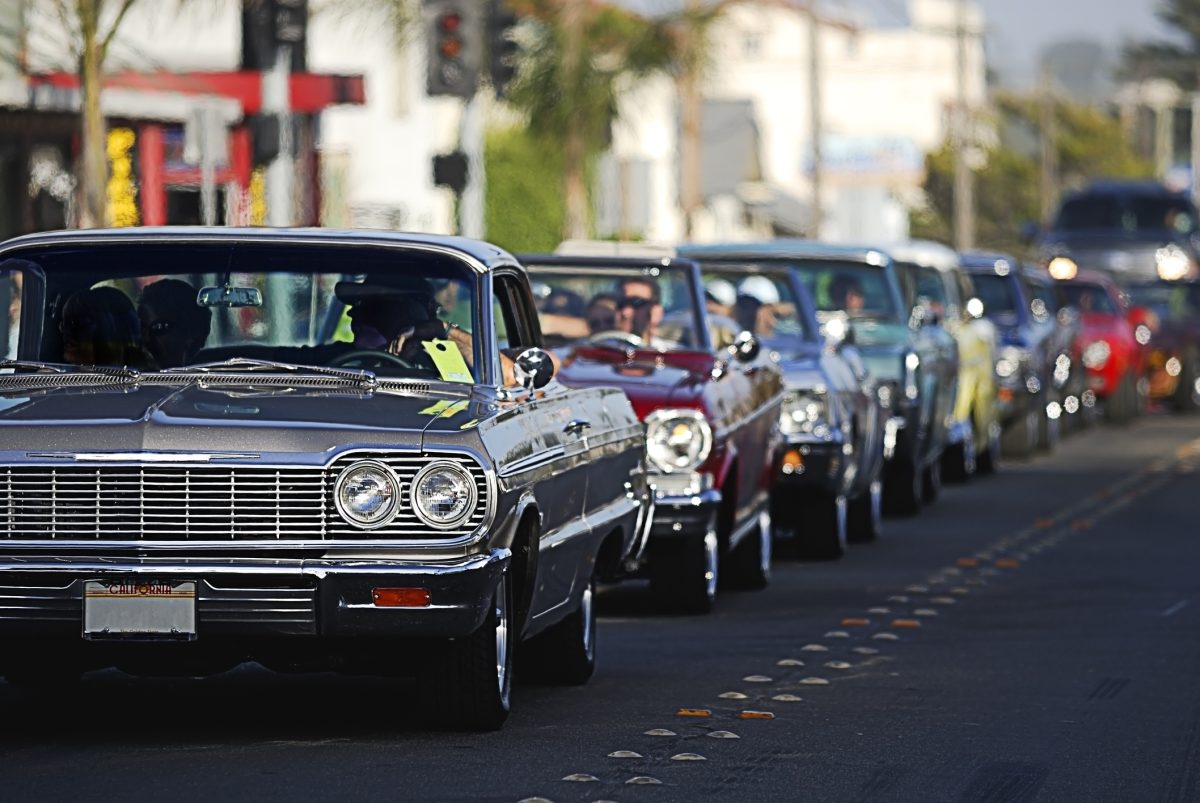
For those who prefer elegance over hot-rodding, the Auburn Cord Duesenberg Festival in Auburn is the gold standard. Held every Labor Day weekend, it celebrates the pinnacle of luxury from the pre-war era. The Parade of Classics is a highlight, where spectators can see millions of dollars worth of rolling art driving down the street, not just parked on a lawn. It’s a chance to see the “Great Gatsby” era come to life.

The Indy 500 Snake Pit and Carb Day

While technically a racing event, the culture surrounding the Indianapolis 500 is deeply tied to classic cars. The “Carb Day” festivities often feature classic car parades and displays. The connection between the Speedway and the classic car owner is tight; many enthusiasts trace their love of cars to their first visit to the Brickyard.

The Heartbeat of the Culture: Car Clubs

The real engine keeping this culture running is the network of local car clubs. These aren’t just groups of people who own old cars; they are communities.

  • The Idlers Car Club: Based in central Indiana, groups like the Idlers have been around for decades. They organize cruise-ins, charity drives, and swap meets. Their focus is often on keeping the “traditional” hot rod spirit alive—think flathead V8s and bias-ply tires.
  • Hoosier Model A Ford Club: Dedicated to the car that put America on wheels, this club focuses on preservation and touring. Seeing a convoy of twenty Model As putting down a country road at 45 mph is a sight that instantly transports you back to 1930.
  • Indy Mopar Club: Indiana has a massive muscle car following. The Mopar clubs here are fierce, dedicated to the preservation of Dodge, Plymouth, and Chrysler muscle from the late 60s and early 70s.

Evolution of the Scene: From Drive-Ins to Restomods

The culture is changing. Thirty years ago, the scene was dominated by “purists”—folks who wanted every bolt and washer to be factory correct. While that respect for history remains, a new wave has arrived.

The Restomod movement is huge in Indiana. Enthusiasts are taking classic bodies—Mustangs, Camaros, C10 trucks—and fitting them with modern engines, suspension, and brakes. It’s the best of both worlds: the style of 1969 with the reliability of 2024. This shift has made classic cars more accessible to younger generations who want to drive their cars cross-country, not just trailer them to a show.

We are also seeing a surge in “Radwood” era appreciation—cars from the 80s and 90s. The cars that Gen X and Millennials grew up with in Indiana driveways are now becoming the classics. Seeing a pristine 1989 Chevy IROC-Z Camaro draws just as much of a crowd today as a ’57 Chevy Bel Air did twenty years ago.

Keeping the Rust at Bay

Owning a classic in Indiana does come with one major enemy: the weather. The humid summers and salty, snowy winters are brutal on vintage steel.

Talk to any Indiana collector, and they will have a “barn find” story. It usually goes like this: “I heard about a widow in Muncie who had a tarp over something in the shed. I went over, peeled back the plastic, and there sat a 1965 GTO, covered in dust but solid.”

These stories fuel the passion. The act of rescuing a car from the elements, fighting back the rust, and getting it back on the road is a rite of passage. It represents the Hoosier work ethic—taking something neglected and making it beautiful again through hard work.

Conclusion

Classic car culture in Indiana is more than just a pastime; it is a living history lesson and a community bond. From the elegant curves of an Auburn Speedster to the raw power of a Hemi Cuda, these machines tell the story of who we were and who we are.

Whether you are a serious collector or just someone who smiles when they see a vintage truck, Indiana welcomes you. The next time you are driving through the Crossroads of America, take the back roads. You might just stumble upon a cruise-in at a root beer stand, where the music is old, the paint is deep, and the stories are just waiting to be told.

Ready to hit the road?

If you want to dive deeper into this world:

  • Visit the Auburn Cord Duesenberg Automobile Museum in Auburn.
  • Check local listings for Friday night cruise-ins during the summer months.
  • Attend the Newport Antique Auto Hill Climb for a unique mix of history and competition.

The Electric Vehicle Mover

For car collectors with extensive collections, maneuvering vehicles within tight spaces can be a challenge, and that’s where the CarCaddy Vehicle Puller becomes an essential tool. Designed and built in Indiana, the CarCaddy is a compact, electric vehicle mover that allows collectors to easily move cars in their garages or showrooms without starting the engines. Its durable construction and precision engineering reflect Indiana’s rich manufacturing heritage, ensuring reliability and ease of use. Whether positioning rare classics for display or organizing a crowded storage area, the CarCaddy offers a practical and efficient way to handle treasured vehicles with care. Contact our team today and order your electric vehicle mover.