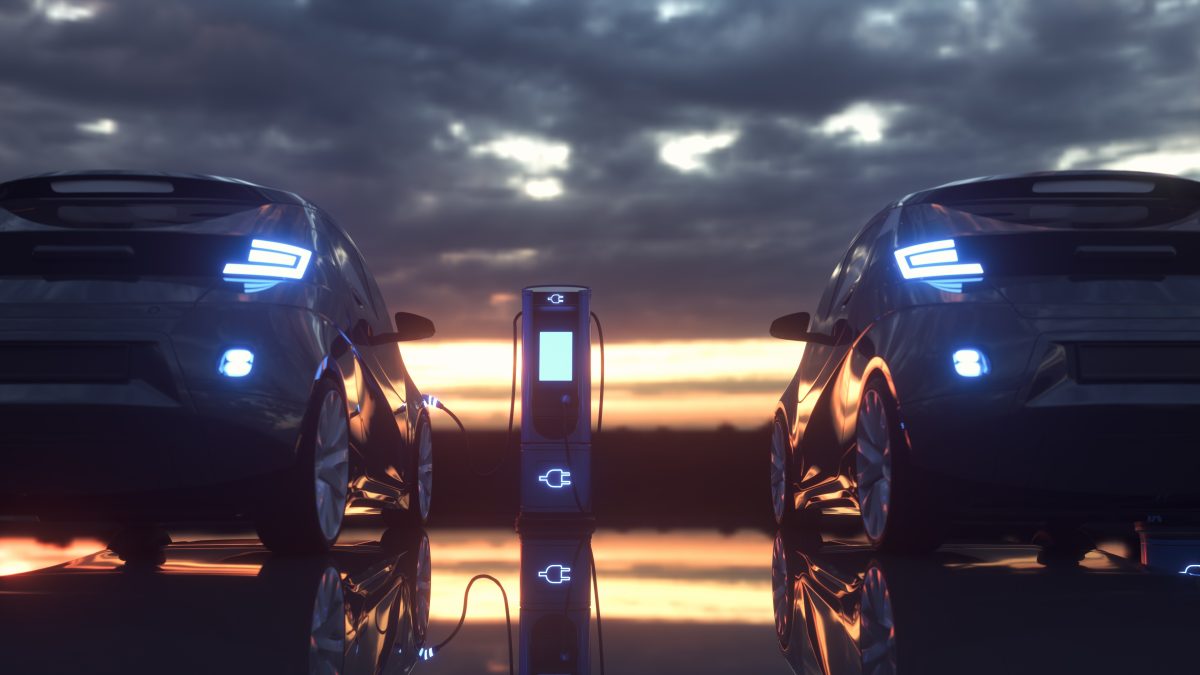
The Heavyweight Champions: How to Safely Move “Dead” Electric Vehicles

Electric vehicles have changed everything about modern automotive service—and not just what’s under the hood. When a dead or unpowered EV rolls into your shop, the challenges start before you even lift a wrench. These machines are heavier, more sensitive, and far less forgiving than their gas-powered counterparts. Moving them the wrong way can cost you far more than the repair job itself. This is where the CarCaddy electric vehicle puller shines.

This post breaks down exactly why dead EVs demand a different approach, what’s at risk when you get it wrong, and how the CarCaddy Electric Vehicle Puller gives your team the precision and power to handle them safely, every single time.

Why Dead EVs Are a Different Animal

The shift to electric vehicles hasn’t just changed how cars are powered—it’s changed how much they weigh. A Tesla Model S tips the scales at around 4,900 lbs. A GMC Hummer EV? Nearly 9,000 lbs. Even mid-range electric crossovers routinely land between 4,500 and 6,000 lbs, all because of the enormous lithium-ion battery packs required to power them.

That weight is the first problem. When an EV’s battery is depleted or the system is completely shut down, you can’t rely on the vehicle’s own power-assisted systems to help. The brakes are heavier to engage. The steering offers no assistance. And pushing or maneuvering a 6,000-lb vehicle by hand through a service bay isn’t just inefficient—it’s a serious injury risk for your technicians.

The second problem is less obvious, but potentially far more expensive.

Protecting Sensitive EV Drivetrains: The Back-EMF Risk

Here’s something many shop owners don’t know until it’s too late. Pushing or improperly towing an electric vehicle—even a short distance—can damage the drivetrain. The reason comes down to physics.

Electric motors work in both directions. When electricity flows in, the motor spins the wheels. But when the wheels spin while the motor is unpowered, the motor acts like a generator, producing what’s called back-EMF (back electromotive force). Without the vehicle’s control systems active to regulate this, the voltage generated can spike and damage the inverter, the motor windings, or other sensitive electronics. According to automotive engineers and EV forums, flat-towing an EV—or dragging it with its driven wheels rolling on the ground—is a well-documented cause of inverter failure.

Dual-motor drivetrains are particularly vulnerable. With motors on both axles, any uncontrolled wheel spin during an improper tow creates simultaneous back-EMF at the front and rear. Add regenerative braking systems into the mix, and the risk of expensive electronic damage multiplies further.

The solution isn’t to push harder or pull more carefully. The solution is to take the driven wheels completely out of the equation.

How the CarCaddy Protects Your EVs and Your Bottom Line

The CarCaddy electric vehicle puller is specifically designed for exactly this scenario. Rather than pushing or dragging the vehicle from behind—or rolling it on its own driven wheels—the CarCaddy uses hydraulic roller arms to cradle the front tires and lift them off the ground entirely.

That single design decision changes everything.

With the front wheels suspended, the drive axle doesn’t rotate. No wheel spin means no unintended motor activation. No motor activation means no back-EMF. Your customer’s EV drivetrain stays completely undisturbed, and you avoid the kind of repair bills that can turn a standard service job into a warranty nightmare.

The CarCaddy VP 7K handles vehicles up to 7,000 lbs.—more than enough for most luxury EVs currently on the road. The hydraulic dual tire engaging system loads the vehicle smoothly, without the straps, hooks, or rubber push pads that create contact points on bumpers and body panels. For shops working with high-value electric vehicles, that level of care matters enormously.

Power and Precision to Match EV Weight

Moving a 6,000-lb vehicle through a busy service bay requires more than raw pulling strength. It requires control.

The CarCaddy’s 36VDC drive system—running on a three-battery configuration—delivers steady, reliable power without sudden torque spikes that could send a heavy EV rolling out of position. Variable speed thumb control lets your technician dial in exactly the right pace for the situation, whether that’s a slow, careful crawl through a tight bay door or a more efficient repositioning across an open floor.

Neutral throttle braking is one of the features that makes the biggest practical difference on the shop floor. The moment a technician releases the throttle, the unit stops. There’s no coasting, no drift, no momentum carrying a multi-ton EV somewhere it shouldn’t go. Combined with an emergency safety stop switch, the CarCaddy gives a single operator full, confident control over a vehicle that would otherwise require four or five people to nudge manually—and even then, not safely.

The walk-behind design makes it equally manageable in confined spaces. Standard service bays weren’t built with 7,000-lb electric trucks in mind, but with the CarCaddy’s electric vehicle puller’s maneuverability, your team can navigate those same bays without modification or risk.

Future-Proof Your Shop for the EV Revolution

EVs aren’t a niche market anymore. They’re the direction the entire industry is heading, and shops that aren’t equipped to handle them safely and efficiently will fall behind fast. Injury claims from manual vehicle handling, drivetrain damage from improper towing, and bottlenecked service bays are all avoidable problems—but only if you have the right equipment.

Our family business engineered the CarCaddy to handle the heaviest modern vehicles with absolute precision and zero strain on your team. One technician. One unit. Full control over a vehicle that weighs as much as a small truck.

Contact us today for a free price quote, and let’s make sure your shop is ready for every EV that rolls through your door.
Stop Short-Starting Classics: Protect Your Engine

Running a classic car dealership, museum, or high-end detailing shop requires constant reorganization. Vehicles need to be shifted for aesthetic displays, routine maintenance, or private client viewings. It is incredibly tempting to simply hop into the driver’s seat, turn the key, and drive the vehicle a few feet across the garage floor. To most, this brief maneuver seems completely harmless.

Firing up a vintage engine just to move it a short distance actually introduces severe mechanical risks. Classic car engines are highly susceptible to internal damage when they are consistently started but not allowed to reach their proper operating temperatures. This practice, known as short-starting, silently degrades internal components and compromises the vehicle’s longevity.

Understanding the technical toll of these brief engine cycles can save your business thousands of dollars in premature wear and complex engine rebuilds. By integrating an electric vehicle mover into your daily operations, you can easily shift your valuable inventory without ever turning an ignition key. This simple operational shift ensures that your collection remains in pristine mechanical health while making your showroom floor safer and more efficient.

The Hidden Dangers of Short-Starting Classic Cars

Classic vehicles were engineered for the open road, not for idling in a showroom. When you start a cold engine, the internal metal components have not yet expanded, and the oil has settled in the oil pan. Running the motor for only a minute or two prevents the system from getting hot enough to function as designed, leading to a cascade of mechanical issues.

Moisture Buildup and Milky Oil

Internal combustion naturally produces water vapor. When an engine reaches its optimal operating temperature, this heat burns off the internal moisture. Short-starting denies the engine the heat it needs to evaporate this condensation.

Instead, the water vapor mixes with the engine oil. Over time, this mixture creates a thick, white sludge often referred to as “milky oil.” This sludge builds up under the valve covers and inside the oil pan, significantly degrading the oil’s lubricating properties. Poor lubrication leads to accelerated friction, which can eventually cause catastrophic piston damage or worn bearings.

Severe Exhaust System Rust

The engine block is not the only component that suffers from condensation. As warm exhaust gases travel through cold exhaust pipes and mufflers, water droplets form on the inside of the metal tubing.

If the vehicle is driven for an extended period, the exhaust system heats up and evaporates this water. If the car is simply moved across the shop and turned off, that water sits inside the exhaust pipes. Over weeks and months of routine showroom reorganization, this trapped moisture causes rust to eat through the exhaust system from the inside out, requiring expensive and time-consuming replacements.

Fuel Dilution and Cylinder Wear

Cold starts require a rich fuel mixture to keep the engine running smoothly. Because the engine does not reach operating temperature during a short move, excess unburned fuel can wash down the cylinder walls. This removes the protective layer of oil meant to lubricate the piston rings.

This fuel dilution not only accelerates wear on the cylinder walls but also further thins out the engine oil in the oil pan. Thinned oil fails to protect the engine’s internal components, turning a simple detailing relocation into a costly maintenance nightmare.

A Better Way to Manage Your Showroom Floor

Knowing the risks of short-starting, many facility managers resort to moving classic cars manually. Pushing a heavy vintage vehicle by hand presents a completely different set of problems. It requires multiple staff members, pulling them away from their actual work. Furthermore, pushing on delicate, decades-old body panels can easily result in dents, scratches, or misaligned bumpers.

The most effective strategy to maneuver your inventory safely is to utilize a dedicated car pushing machine. These battery-operated devices provide the necessary torque to move heavy vehicles smoothly across flat surfaces, eliminating both the need to start the engine and the physical strain on your staff.

How an Electric Vehicle Mover Protects Your Investment

Investing in a high-quality electric vehicle mover is a smart, cost-effective decision for any business handling classic cars. These machines are engineered specifically to protect the mechanical and cosmetic integrity of your vehicles while streamlining your daily operations.

Here are the key benefits of incorporating a motorized pusher into your facility:

  • Complete Mechanical Preservation: By moving vehicles externally, you completely eliminate cold starts. Your engines remain free of condensation, your oil stays pure, and your exhaust systems stay dry and rust-free.
  • Safe, Damage-Free Handling: Premium movers feature low-profile designs with adjustable roller arms that gently cup the vehicle’s tires. This means no metal-to-metal contact, preventing any stress on fragile vintage bumpers or custom bodywork.
  • Increased Operational Efficiency: A heavy-duty car pushing machine allows a single employee to move a vehicle weighing up to 7,000 lbs safely and efficiently. This frees up the rest of your team to focus on sales, detailing, and customer service.
  • Precision Control: Advanced models feature high-tech speed controllers, adjustable acceleration, and neutral throttle braking. This ensures that a classic car can be maneuvered through tight museum exhibits or crowded dealership floors without sudden, jerky movements.

Preserve Your Collection and Boost Your Bottom Line

Maintaining a classic car collection is a significant investment of time, money, and passion. Every time a vintage engine is started just to shift a vehicle a few feet, that investment is slowly compromised by moisture, sludge, and accelerated wear.

You can protect the mechanical longevity of your vehicles and improve your team’s workflow by rethinking how you manage your floor space. Transitioning to a motorized car pushing machine keeps your engines pristine, prevents accidental body damage, and provides a clear return on investment through reduced maintenance costs.

Equip your facility with the right tools to handle these historic machines properly. Contact our team today to learn more about how a low-profile electric vehicle mover can revolutionize your showroom management and keep your classic inventory running strong for years to come.