Maximize Space: A Collector’s Guide to High-Density Car Storage

As a private automotive collector, your vehicles are significant investments. Storing them safely while maximizing your available square footage is a constant priority. Private garages often lack the expansive, wide-open layouts found in commercial warehouses, meaning every square foot counts when you want to protect your assets and grow your collection.

Relying on a vehicle’s own power to maneuver it into a tight spot presents serious safety risks. A simple slip of the foot can result in thousands of dollars in property damage. You need a storage strategy that offers total control, protects your valuable inventory, and optimizes your floor plan without requiring costly facility expansions.

This guide provides practical, expert-driven strategies for high-density vehicle storage. You will learn how the right equipment can transform a cramped garage into an efficient, professional-grade facility that protects your bottom line.

The ‘Inch-Perfect’ Move: Precision Parking

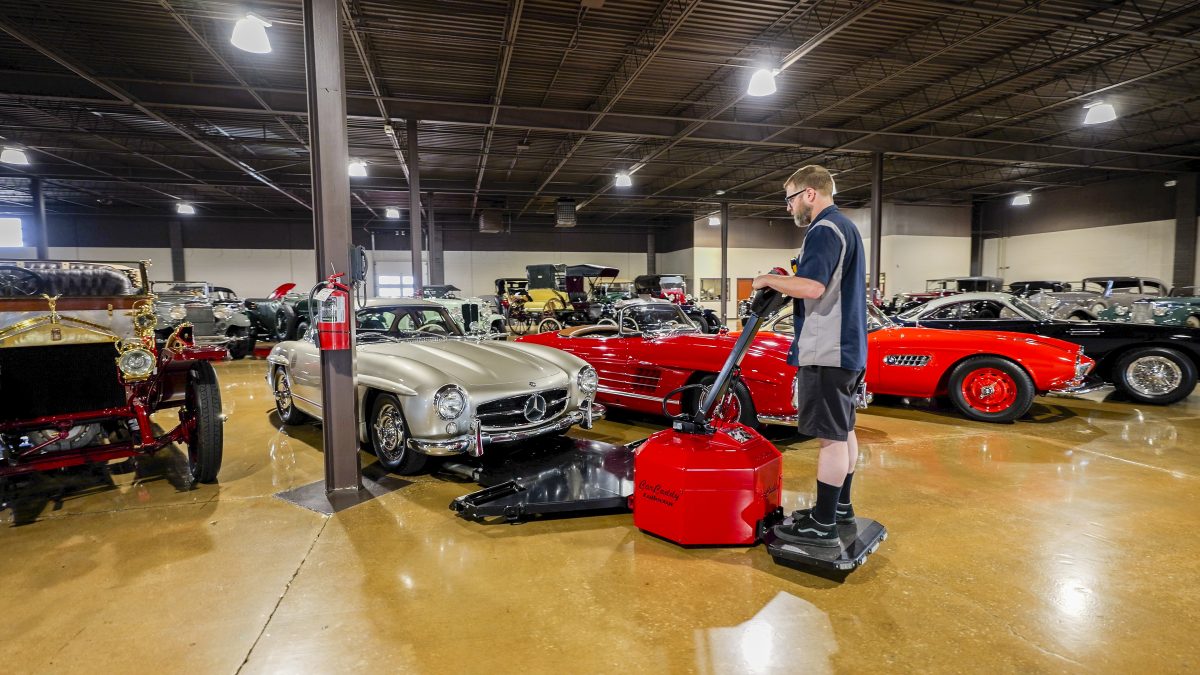
Private garages are notoriously tight. When you drive a car into a parking space using its own engine, you are forced to leave a significant “buffer zone.” You need room to open the driver’s door, step out safely, and account for blind spots. These necessary buffer zones consume valuable floor space that could otherwise house additional vehicles.

An electric car pusher completely changes this dynamic. By allowing you to move a vehicle from the outside, you gain complete visibility and control over the entire parking process.

Consider the advantages of walking alongside your vehicle as you guide it:

  • 360-Degree Visibility: You can clearly see all four corners of the car, eliminating dangerous blind spots.
  • Zero Door-Ding Risk: Since you do not need to open the car doors once it is parked, you can position vehicles side-by-side with minimal clearance.
  • Complete Precision: Smooth, battery-powered acceleration allows you to park cars literally inches apart without fear of sudden jerks or collisions.

Using an electric car pusher empowers you to utilize your garage’s true capacity. You can safely pack your collection closely together, maximizing your return on the physical space you already own.

Eliminating Three-Point Turns in Tight Spaces

Most standard vehicle steering systems are simply not designed for complex indoor maneuvering. Trying to steer a classic car or a modern supercar into a 90-degree corner often requires endless, frustrating three-point turns. This process burns time, risks accidental impacts, and fills your enclosed garage with hazardous exhaust fumes.

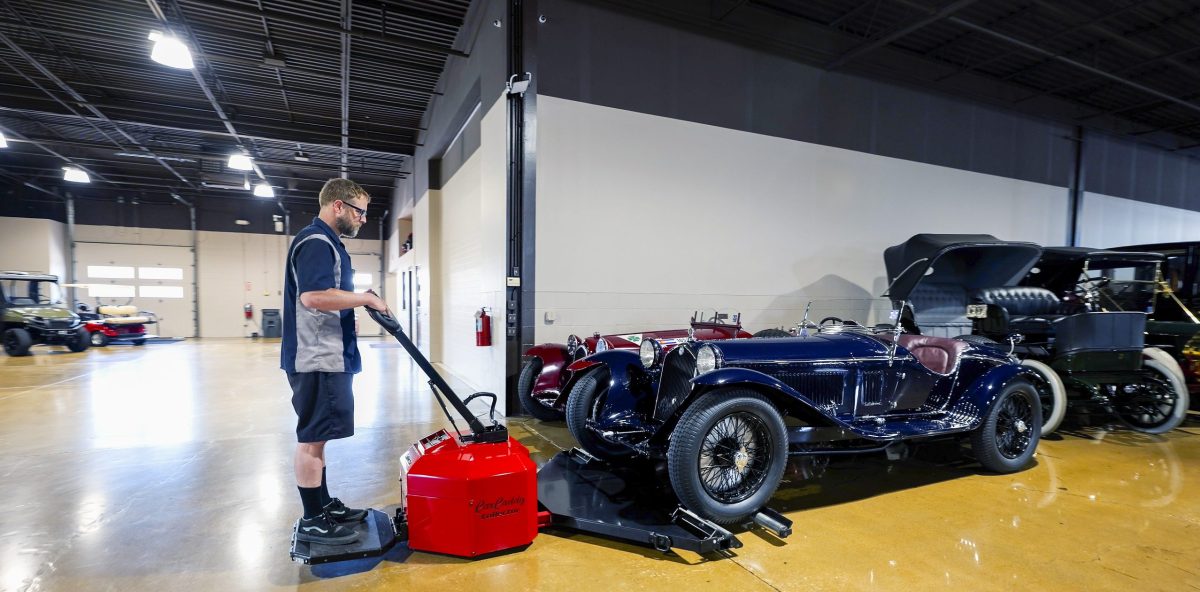
A high-quality vehicle mover solves this problem by offering a 180-degree turning radius. Instead of fighting the car’s steering rack, the machine lifts or attaches to the wheels, allowing you to manipulate the vehicle precisely where it needs to go.

Pivot on a Dime

Because a vehicle mover operates independently of the car’s steering column, you can pivot a vehicle on its own axis. This unique capability allows a collector to slide a car into a tight corner that would be physically impossible to drive into. You can maneuver around support columns, tuck cars tightly against back walls, and organize your layout based on aesthetics rather than turning radius limitations.

By eliminating complex steering maneuvers, you keep your paint jobs safe and ensure your garage operates with maximum efficiency.

The Solo Curator: Managing Your Collection Independently

Building a substantial car collection is a rewarding endeavor, but managing the logistics of moving those cars can quickly become a headache. Traditionally, pushing a dead vehicle or carefully spotting a car into a tight corner required a team effort. You had to coordinate schedules with neighbors, friends, or hired staff just to rearrange your garage floor.

The right equipment puts the power back in your hands. You can operate an electric car pusher entirely by yourself, making you a fully independent curator of your own space.

No More Calling for Backup

An efficient storage strategy means you can manage a 20-car collection without relying on anyone else.

  • Instant Accessibility: Move any car, at any time, without waiting for a second set of hands.
  • Reduced Labor: Avoid the physical strain of manually pushing heavy vehicles.
  • Operational Privacy: Keep your collection management discreet and self-contained.

With a dedicated vehicle mover, you dictate the schedule. You are completely free to work on building your collection, rotating your displays, or preparing a car for transport entirely on your own terms.

Take Control of Your Garage Space

Your automotive collection deserves a professional, secure, and optimized environment. By eliminating buffer zones, utilizing equipment with a tight turning radius, and embracing independent management, you can drastically increase the capacity of your current garage.

Stop letting wasted space limit your passion. Invest in the right high-density storage solutions today, and ensure your facility operates safely, efficiently, and profitably for years to come.

The Hidden Cost of Manual Pushing: Protecting Your Most Valuable Asset—Your Team

Boutique dealerships, classic car museums, and private collectors know the value of every vehicle in their care is more than monetary—it represents a history, an image, and a reputation. Preserving that value means more than climate control and routine detailing; it means smart, safe day-to-day handling practices that safeguard both your vehicles and your people.

One of the most overlooked risks is manual vehicle pushing. When a battery is flat or a showpiece needs repositioning, it’s common to see a handful of employees, docents, or technicians assembling to move an irreplaceable car by hand.

What seems like a convenient, time-saving fix actually introduces unnecessary hazards and detracts from the professional presentation of your collection or showroom. Moving multi-ton vehicles by hand puts your team at risk and undermines the meticulous image you strive to maintain.

In this post, we’ll explore the hidden costs of manual car pushing, the risks it creates for your assets and staff, and why investing in an electric vehicle mover or electric car pusher is a protective measure for your business and brand.

The Risk of the “Quick Push”

We’ve all faced the temptation—a vehicle won’t start, and the instinct is to gather whoever is nearby for a “quick push.” From classic roadsters to modern supercars, even the best-maintained vehicles sometimes need repositioning. But routine manual pushing is fraught with hazards that can have long-lasting consequences.

The Physical Toll on Your Team

Every organization relies on trusted team members, whether skilled technicians, knowledgeable docents, or dedicated staff. Asking them to manually push vehicles weighing several thousand pounds exposes them to serious risk of injury. Back strains, shoulder issues, or knee problems are common in these situations, regardless of age or experience.

Even on polished museum floors or showroom tiles, moving heavy vehicles means overcoming substantial rolling resistance. A minor slip on a waxed surface or an unexpected obstacle can quickly result in significant injury.

The Threat of the Incline

Boutique dealerships and museums often have ramps, elevators, and gentle slopes for accessibility or display purposes. Attempting to push a vehicle up even a slight incline drastically increases the chances of a mishap. Should someone lose grip or footing, the car can quickly roll backward, creating immediate danger to anyone nearby and risking considerable damage to priceless vehicles or surrounding property.

The Bottom Line Impact

Injuries not only harm your team, they affect your reputation and insurance premiums. Medical claims can be costly, but even more damaging is the loss of seasoned staff or exhibition downtime. When several employees are diverted from their primary responsibilities to push a car, productivity suffers, and the visitor or customer experience is interrupted.

A better solution is to remove this manual hazard entirely by introducing an electric vehicle mover or electric car pusher into your operations.

Professionalism vs. Liability

The aura of a boutique dealership, a world-class car museum, or a private collection depends on attention to detail and flawless presentation. First impressions count—every process and tool you use reflects your commitment to excellence.

The Perception of Chaos

Imagine a visitor to your museum or a potential buyer in your showroom witnessing staff physically struggling to move a classic or luxury car. What should be a serene, curated environment suddenly appears chaotic and disorganized. Such scenes erode trust, and can even call into question your ability to care for valuable vehicles.

Creating a High-Tech Operation

Now, consider the impact of an electric vehicle mover or electric car pusher. With these advanced tools, a single operator can effortlessly maneuver even the heaviest classic car or luxury SUV with precision and control. No commotion, no struggle—just quiet, smooth movement that reinforces your status as a technologically advanced, safety-first operation.

Guests, buyers, and even other collectors notice the difference. Investing in modern equipment communicates professionalism and care, setting your collection or dealership apart.

Controlled Braking: Stopping the Unstoppable

Moving some of the world’s most valuable vehicles isn’t just about getting them to shift—it’s about stopping them exactly where and when you intend.

The Danger of Momentum

Once a historic lead-sled or an electric SUV is rolling, traditional pushing methods offer little control over stopping. Without power brakes, the risk of overshooting, damaging surroundings, or even injuring staff is high. Trying to slow or stop a moving vehicle with manpower alone is a gamble you shouldn’t take.

The Power of Regenerative Braking

This is where a modern electric car pusher or electric vehicle mover truly changes the game. Advanced models feature regenerative braking systems that allow precise, instant stopping. When the operator lets off the control, the unit engages its motor resistance and brings both itself and the attached car to a quick, controlled halt—no risk of coasting, and no reliance on the car’s own brake system.

Whether repositioning inside a gallery, loading into a storage facility, or moving cars in a busy dealership, instant braking is a vital safety advantage for your staff and your artifacts.

Protect Your Collection and Elevate Your Brand

Your vehicles are unique, and the way you care for them should be, too. Asking valued employees, curators, or even yourself to manually push heavy vehicles is a risk not worth taking.

The hidden costs of manual pushing go beyond immediate safety—they influence your brand’s credibility and your ability to provide a truly premium experience. By investing in an electric vehicle mover or electric car pusher, you’re ensuring safe, efficient movement of every vehicle while upholding the standard your audience expects.

  • Reduce workplace injuries and downtime
  • Enhance operational efficiency with fewer staff required for vehicle movement
  • Maintain a quiet, orderly atmosphere for guests and clients
  • Demonstrate a commitment to innovation and safety

Review your current vehicle handling protocols today, and consider how the right electric vehicle mover or electric car pusher can add value to your operation. Protect your people, your reputation, and your investment one move at a time.

A Guide to Operating Your Vehicle Puller Safely

Moving vehicles in tight spaces like car museums, car auction showrooms, or storage and repair facilities presents unique challenges. Whether it’s a priceless classic car or an expensive supercar, ensuring the safety of both the vehicle and the staff is paramount. Pushing a car by hand or attempting to drive it in tight quarters is not just inefficient; it’s risky. This is where a specialized vehicle mover becomes an indispensable tool.

Using a vehicle puller correctly is essential for preventing accidents and damage. This guide outlines the key safety protocols, training requirements, and maintenance checks necessary for operating these machines. By following these best practices, you can create a safer, more efficient environment for everyone.

Key Safety Precautions for Operation

Safe operation starts with a clear understanding of the equipment and its environment. Before pulling a car, operators must be aware of their surroundings and follow established procedures to minimize risks.

  • Clear the Path: Before moving any vehicle, ensure the intended path is completely clear of obstacles, debris, and personnel. A clean and open pathway prevents unexpected collisions and allows for smooth maneuvering.
  • Know Your Load: Understand the weight and dimensions of the vehicle being moved. Do not exceed the rated capacity of your vehicle mover, as this can lead to equipment failure and loss of control.
  • Maintain a Safe Speed: Operate the vehicle puller at a slow, controlled speed. Abrupt starts, stops, or sharp turns can destabilize the load and create a hazardous situation.
  • Stay Alert: The operator should always face the direction of travel and maintain a clear line of sight. Avoid distractions and remain focused on the task at hand to react quickly to any potential hazards.
  • Use Proper Signals: In busy environments, use clear hand signals or a spotter to communicate with other staff members. This is especially important when navigating blind spots or tight corners.

Essential Training

Although the CarCaddy Vehicle Puller does not require a certification, proper training is the cornerstone of safe vehicle mover operation. A basic understanding of how the vehicle mover operates and its major functions should be a priority for new users.

Elements of a Strong Training Program:

  • Hands-On Instruction: Operators should receive practical, hands-on training from an experienced supervisor. This includes learning how to correctly attach the vehicle puller to a car, maneuver it, and park it safely.
  • Understanding the Equipment: Training must cover the specific features of the vehicle mover being used, including its controls, emergency stop functions, and battery charging procedures.
  • Emergency Procedures: Operators must know what to do in case of an emergency, such as equipment malfunction or an unexpected obstacle. This includes how to safely stop the mover and secure the vehicle.
  • Regular Refresher Courses: Periodic refresher training helps reinforce safety standards and keeps operators updated on any new procedures or equipment features.

Regular Inspection and Maintenance

A well-maintained vehicle mover is a safe vehicle mover. Routine inspections and a consistent maintenance schedule are critical for identifying potential issues before they become serious safety hazards.

Daily Pre-Operation Checklist:

Before each use, operators should perform a quick inspection. This checklist should include:

  • Brakes: Test the brakes to ensure they are functioning correctly.
  • Controls: Check that all controls, including the emergency stop button, are responsive.
  • Battery: Verify that the battery is adequately charged for the tasks ahead.
  • Tires: Inspect tires for any signs of wear or damage.
  • Connections: Ensure that all connection points are secure and free of defects.

Although the CarCaddy Vehicle Puller is a low maintenance machine,  proactive maintenance program should also be in place for more in-depth service. This helps prolong the life of your equipment and ensures it operates reliably and safely, preventing unexpected downtime and accidents.

Utilizing Vehicle Movers in Challenging Environments

Car museums, private collections, and high-density storage facilities often present challenging environments with limited space. A vehicle mover is specifically designed to excel in these conditions.

In a museum setting, for instance, exhibits are changed frequently. An electric vehicle puller allows staff to rearrange priceless artifacts efficiently and with precision, minimizing risks. Manually pulling a car in such a delicate environment is precarious and can lead to costly damage.

Similarly, car collectors often have vehicles that don’t run. A vehicle mover provides a safe way to relocate these cars without risking injury or damage that can occur from pushing by hand.

Maximizing Space with Vehicle Movers

For car storage facilities, space is money. Using a vehicle puller allows you to position cars much closer together than would be possible if you needed to open a door to get a person inside. Many facilities report fitting up to 20% more vehicles after investing in a CarCaddy Vehicle Puller. This level of optimization allows a single employee to move a car quickly and safely, maximizing both space and operational efficiency.

Promote a Culture of Safety and Efficiency

Implementing a robust safety program for your vehicle movers does more than just prevent accidents. It fosters a culture of professionalism and care that protects your employees, your valuable vehicles, and your bottom line. By prioritizing training, maintenance, and safe operating procedures, you ensure your operations run smoothly and efficiently.

Ready to enhance the safety and efficiency of your facility? Contact us today and order your CarCaddy Vehicle Puller!

What is a Powered Vehicle Mover? Complete Guide & Features

Moving vehicles safely and efficiently has become essential across various industries—from automotive manufacturing to vehicle storage facilities. When manual pushing isn’t practical and forklifts pose safety risks, powered vehicle movers offer the ideal solution. But what exactly is a powered vehicle mover, and how can it transform your operations?

A powered vehicle mover is a specialized piece of equipment designed to transport cars, trucks, and other vehicles without the need for an engine or driver. These machines attach to a vehicle’s wheels or frame, allowing operators to move vehicles precisely and safely in tight spaces. Whether you’re managing an assembly line, organizing a storage lot, or working in a dealership, understanding how these machines work can significantly improve your workflow efficiency.

This comprehensive guide explores everything you need to know about powered vehicle movers, from their key features to their practical applications. You’ll discover how these machines enhance safety, what specifications matter most, and when investing in a high-performance model makes sense for your operations.

Defining a Powered Vehicle Mover

A powered vehicle mover, also known as a vehicle puller or auto mover, is an electric-powered machine that moves vehicles without requiring them to be operational. The device typically features a platform where an operator stands or sits while controlling the movement of the attached vehicle.

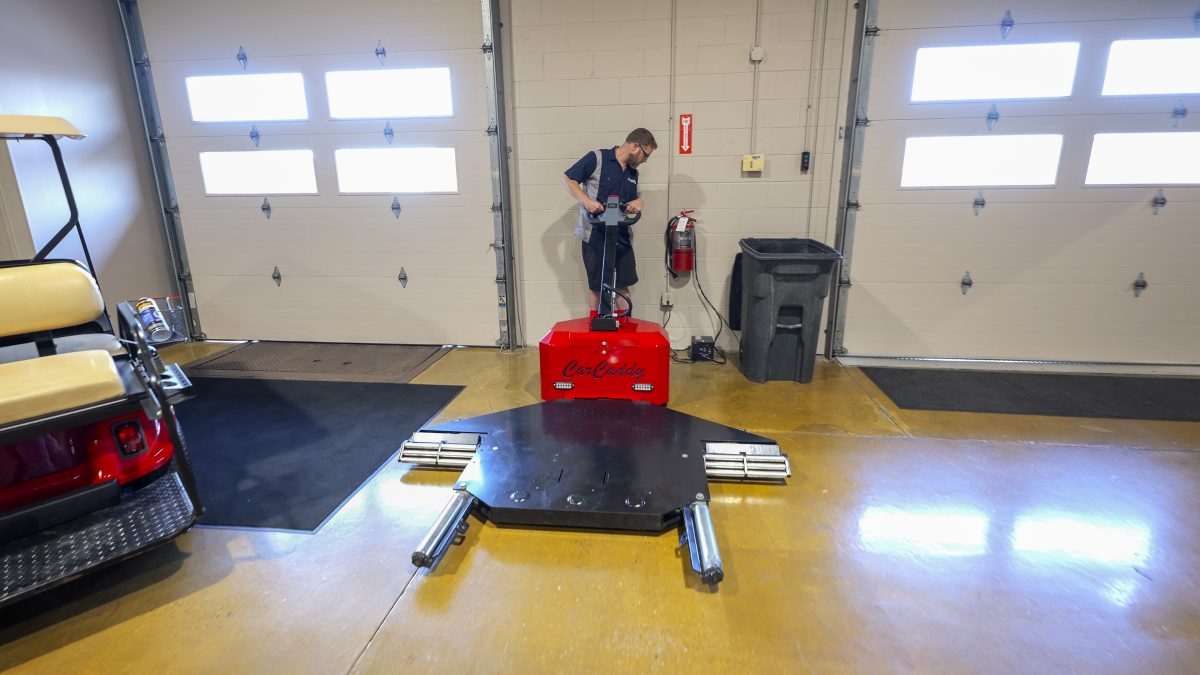
These machines work by securing onto a vehicle’s front wheels through roller planes or specialized attachment systems. Once connected, the powered unit provides the traction and power needed to push or pull the vehicle in any direction. The operator controls speed, direction, and braking through an intuitive control panel, making vehicle positioning precise and effortless.

Most powered vehicle movers operate on battery systems, making them environmentally friendly and suitable for indoor use. They eliminate the need for starting vehicle engines, reducing emissions and noise in work environments while providing consistent, reliable movement regardless of the vehicle’s mechanical condition.

Key Features of a High-Performance Vehicle Mover

High-performance powered vehicle movers incorporate advanced engineering to handle demanding industrial applications. These machines go beyond basic transportation, offering superior stability, durability, and operator safety features that standard models cannot match.

Load Capacity and Stability

Professional-grade vehicle movers can handle substantial loads, with many models supporting vehicles weighing up to 7,000 pounds and front axle weights of 3,000 pounds or more. High-performance units are specifically engineered to manage loads up to five tons consistently, making them suitable for heavy-duty applications in automotive manufacturing and large vehicle storage operations.

The increased load capacity comes from reinforced structural components and advanced weight distribution systems. These machines maintain stability even when moving heavier vehicles, preventing the rocking motion common in lighter-duty models.

Smooth Transportation and Bogie Wheel Construction

One distinguishing feature of high-performance vehicle movers is their bogie wheel construction. Instead of wheels positioned across the machine, bogie wheels are aligned in-line, providing a smoother ride and enhanced stability during transport.

This wheel configuration reduces vibration and allows the machine to navigate uneven surfaces more effectively. Operators experience less jarring movement, which translates to better control and increased confidence when maneuvering vehicles through challenging environments.

Roller Planes and Overroll

Advanced vehicle movers feature roller planes with  overroll protection . These roller planes allow vehicle tires to smoothly roll onto the machine’s front section, creating a secure connection without requiring complex positioning procedures.

The overroll protection prevents vehicles from rolling too far forward during the attachment process, eliminating the risk of damage to both the vehicle and the moving equipment. This safety feature is particularly valuable in high-volume operations where speed and reliability are essential.

Robust Construction and Joint Pins

High-performance models incorporate reinforced joint pins and bushings for press arm connections. These components are significantly larger and more robust compared to standard vehicle movers, ensuring reliable operation under continuous heavy use.

The enhanced joint construction reduces wear and extends service life, making these machines cost-effective investments for facilities that rely on frequent vehicle movement. Maintenance requirements remain low despite the increased durability and performance capabilities.

Enhanced Safety for Operators and Facilities

Safety represents a primary advantage of powered vehicle movers over manual vehicle handling methods. These machines eliminate the physical strain associated with pushing vehicles by hand while providing precise control that reduces accident risks.

Modern vehicle movers feature shock-assisted ride-on platforms that provide operator comfort during extended use. The stable platform design minimizes the rocking motion that can occur with basic models, allowing operators to maintain better balance and control throughout the moving process.

Emergency safety stop switches provide immediate shutdown capability when needed. LED lighting systems improve visibility in low-light environments, while angled control panels offer ergonomic operation that reduces operator fatigue during long shifts.

Vehicle Compatibility and Limitations

Powered vehicle movers demonstrate remarkable versatility in terms of vehicle compatibility. They can effectively move everything from compact cars to SUVs and heavier commercial vehicles. This broad compatibility makes them valuable tools for mixed-use facilities handling various vehicle types.

However, certain limitations exist. Vehicles with extremely low ground clearance or particularly low front ends may require special low-profile front sections. High-end sports cars often fall into this category, requiring specialized equipment modifications for safe handling.

Most standard powered vehicle movers handle typical passenger vehicles, light trucks, and commercial vehicles without difficulty. The key consideration is ensuring the vehicle’s weight falls within the mover’s specified capacity limits and that adequate ground clearance exists for proper attachment.

Specifications and Components

Understanding the technical specifications helps in selecting the right powered vehicle mover for specific applications. Key specifications include load capacity, battery system details, drive system configuration, and dimensional requirements.

Drive System and Speed Control

Professional vehicle movers typically feature 36VDC drive systems with non-marking drive wheels. These systems provide smooth acceleration and precise speed control, typically offering speeds from 0-3 mph in both forward and reverse directions.

High-tech speed controllers allow operators to adjust acceleration and braking characteristics to match specific operational needs. This adjustability proves valuable when moving delicate or valuable vehicles that require extra care during positioning.

Braking and Safety Features

Advanced braking systems include neutral throttle braking, which automatically applies braking force when the throttle is released. This feature provides additional safety by preventing uncontrolled movement if the operator releases the controls unexpectedly.

Battery charge indicators help operators monitor power levels and plan charging schedules to avoid interruptions during busy periods. External battery chargers enable convenient overnight charging, ensuring equipment readiness for each work shift.

Maximizing Your Investment in Vehicle Moving Technology

Powered vehicle movers represent a significant advancement in vehicle handling technology, offering safety, efficiency, and versatility benefits that far exceed manual handling methods. Whether you’re operating an automotive assembly line, managing a vehicle storage facility, or working with collector cars, these machines can transform your operations.

The key to success lies in matching the equipment specifications to your specific needs. Consider your typical vehicle weights, operating environment conditions, and usage frequency when evaluating options. High-performance models justify their additional cost in demanding applications where reliability and durability are paramount.

For facilities beginning their transition to powered vehicle movement, start by assessing your current challenges and operational requirements. This analysis will guide you toward the most suitable equipment configuration and help ensure your investment delivers the expected productivity and safety improvements.

Contact Us Today To Start Customizing Your CarCaddy Vehicle Puller: The Collectors Edition

How a Vehicle Puller Keeps People Safe When Pulling a Car

Moving vehicles safely and efficiently in tight spaces has become a critical concern for businesses across multiple industries and vehicle collectors alike just look at our testimonials. Vehicle pullers represent a specialized solution that eliminates the risks associated with manual vehicle handling while dramatically improving operational efficiency.

Enhanced Safety When Pulling a Car

Safety remains the primary driver behind vehicle mover adoption. When you’re pulling a car manually or using improvised equipment, you’re exposing both your vehicles and employees to unnecessary risks.

Protecting Your Assets

Vehicle movers contact only the tires during transport, eliminating body damage that commonly occurs with manual pushing or unsafe mechanical pushers. This protection proves especially valuable when handling expensive or classic vehicles where even minor scratches can result in costly repairs.

One-Person Operation

A single trained operator maintains complete control throughout the moving process. This eliminates communication breakdowns and reduces the physical strain that leads to workplace injuries. The operator remains protected by the machine itself, creating a safer work environment for everyone involved.

Built-In Safety Features

High end vehicle movers like the CarCaddy Vehicle Puller include engineered safety systems designed for industrial environments. These typically include horn alerts, emergency stop switches, LED lighting systems, and customizable safety configurations that adapt to your specific operational requirements.

Operational Efficiency That Makes Sense

Universal Vehicle Compatibility

Modern vehicle movers handle various vehicle types and weights, typically supporting capacities up to 7,000 pounds. Adjustable roller arms and variable height settings accommodate everything from compact cars to larger SUVs and trucks.

Advanced Safety Technology

Automatic over-roll protections prevent vehicles from sliding off during transport, even during sudden stops or when navigating obstacles. This technology proves particularly important when moving vehicles with larger wheels or all-wheel-drive systems.

Customizable Performance

Adjustable acceleration and braking settings allow operators to match the equipment’s performance to specific operational needs and safety requirements.

Key Applications Across Industries

Manufacturing and Assembly Lines

Vehicle movers streamline assembly line operations by safely transporting vehicles between stations without risking damage to painted surfaces or assembled components.

Museums and Collections

Classic car museums and private collectors benefit from the precise control and damage prevention that vehicle movers provide. The equipment’s ability to handle valuable vintage vehicles safely makes it indispensable for these specialized applications.

Automotive Testing Facilities

Testing environments require frequent, precise vehicle positioning. Vehicle movers provide the accuracy and repeatability necessary for these demanding applications.

Essential Features to Consider

When selecting a vehicle puller, focus on these critical specifications:

Drive System and Capacity: Look for robust 36VDC drive systems with non-marking drive wheels that can handle your maximum vehicle weight requirements.

Control Features: Variable speed controls (typically 0-3 mph), adjustable acceleration/braking, and neutral throttle braking provide the precision needed for safe operations.

Safety Systems: Emergency stop switches, LED lighting, battery charge indicators, and roller arm configurations ensure safe operation in any environment.

Optional Enhancements: Consider wheel bonnets with swivel hooks, AWD dolly kits, and specialized battery systems based on your specific operational needs.

Making the Investment Work

The combination of eliminated vehicle damage, reduced injury risk, and improved operational efficiency makes vehicle movers a sound investment for any operation that regularly moves vehicles. Proper operator training maximizes these benefits while ensuring your team follows best practices and safety procedures.

The most successful implementations include designating trained “superusers” who become vehicle mover specialists within your organization. This approach combines efficiency gains with the highest safety standards. Just ask us we are happy to provide training.

Learn More About Vehicle MoversContact our team to discuss how the right vehicle moving equipment can transform your operations while protecting both your valuable assets and your workforce.