The Art of the Effortless Move: Why High-End Collections Deserve Better Than a Five-Person Push

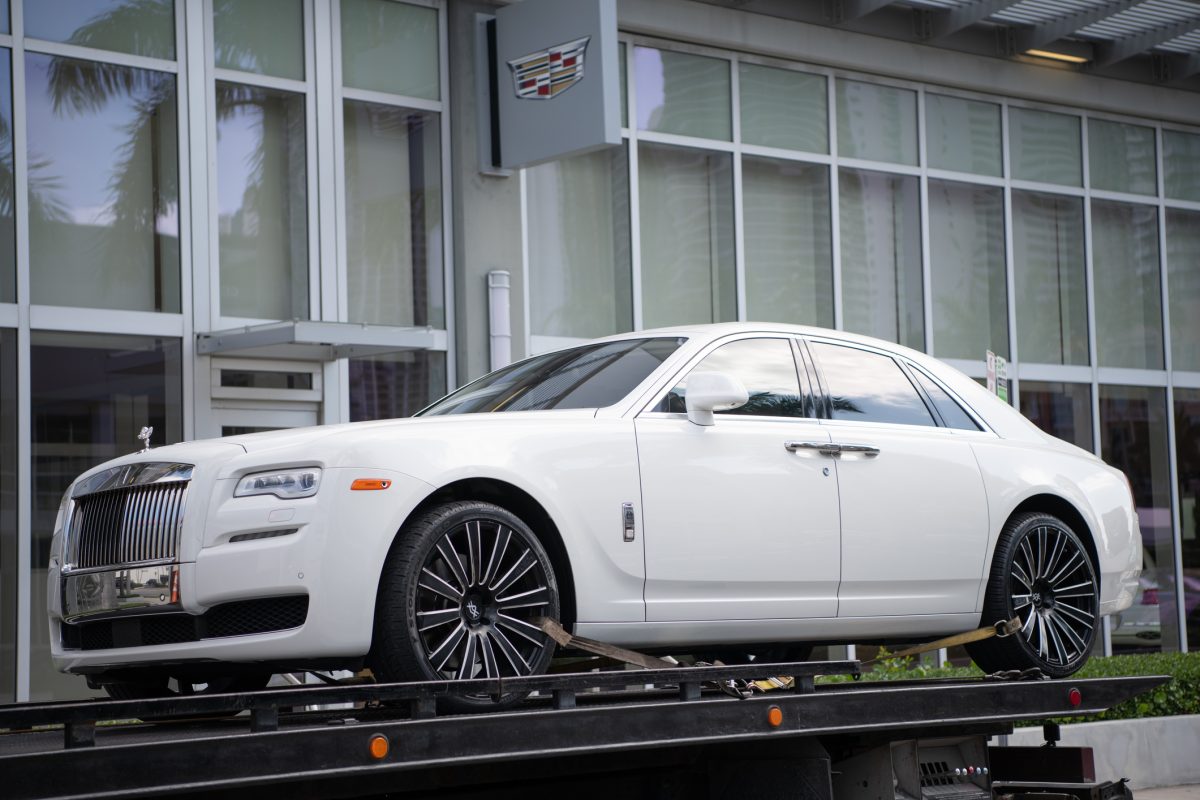
Imagine this: A pristine, multi-million-dollar classic rolls into your showroom or private gallery. The paint is flawless, the chrome gleams under the LED lights, and the historic value is irreplaceable. But it needs to be repositioned.

Suddenly, the luxury atmosphere evaporates. You have to round up four or five staff members. Someone’s leaning on a vintage fender. Another person is precariously close to a custom bumper. Everyone is sweating, breathing heavily, and praying nobody’s belt buckle scratches the clear coat. It looks disorganized, it risks catastrophic damage, and frankly, it just doesn’t match the sophisticated aesthetic of a high-end automotive space.

Your vehicles are masterpieces. Moving them shouldn’t look like a high school gym class project.

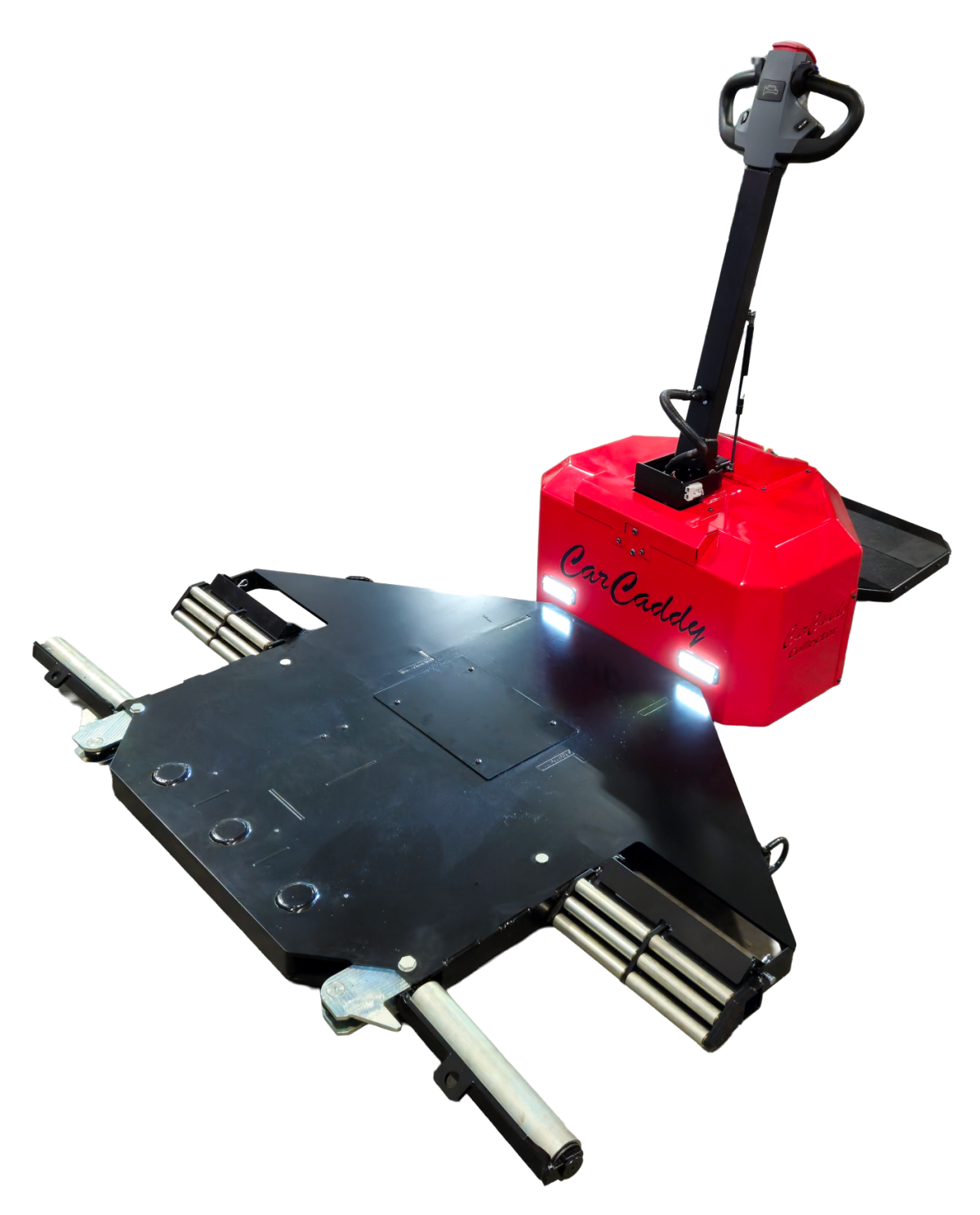
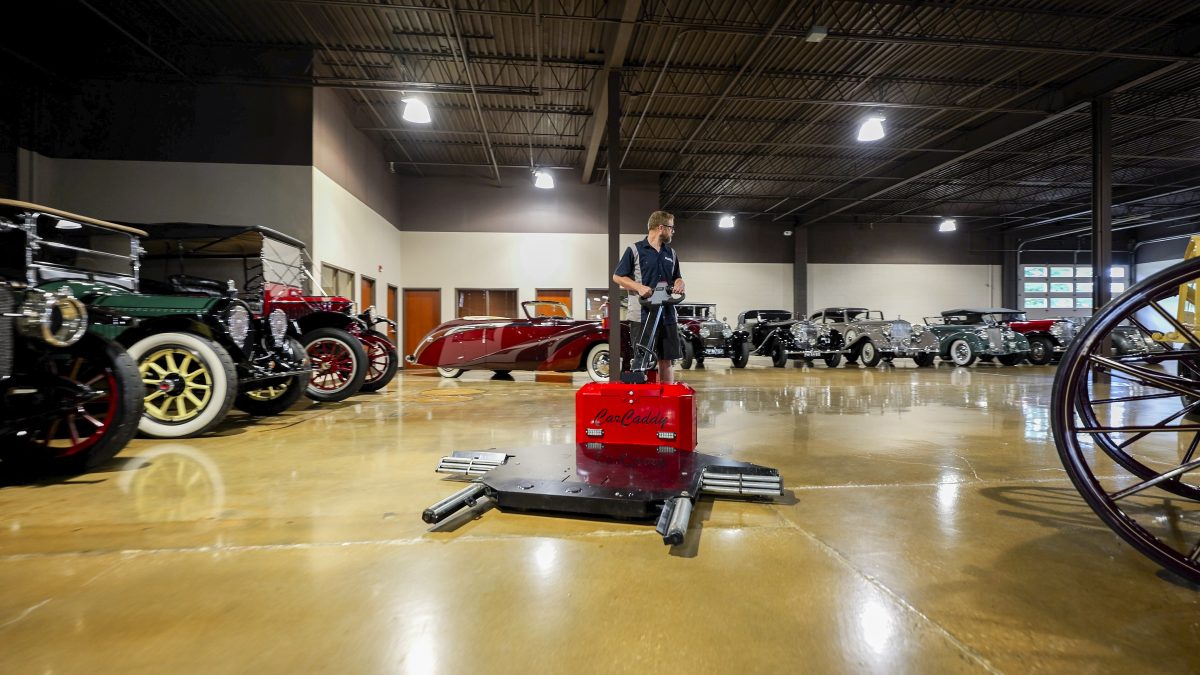
Enter the CarCaddy Vehicle Puller: The Collector’s Edition. Engineered right here in the USA by DJ Products in Minnesota, this sleek machine is completely redefining how boutique dealerships, car museums, and private collectors manage their investments. It turns a stressful, multi-person chore into a silent, flawless, one-person operation.

Precision Engineering for Priceless Assets

When you are dealing with rare vintage vehicles, exotic supercars, or high-end luxury inventory, traditional moving methods simply don’t cut it. Pushing cars manually or using clumsy, industrial-grade tow equipment poses serious liabilities.

The CarCaddy Collector’s Edition was built specifically to eliminate those risks. Here is how the engineering keeps your vehicles pristine:

Zero Bumper or Body Contact: The CarCaddy features a brilliant, low-profile design with variable adjustable roller arms. It gently grips and secures the tires, completely bypassing the delicate bodywork, low-hanging front splitters, and vintage bumpers.

Impeccable Maneuverability: Operating in tight showroom spaces or packed gallery floors requires surgical precision. With its advanced Wagon Wheel steering and an angled control panel with molded handlebars, a single operator can guide a vehicle around tight corners and into exact positions with zero physical strain.

Total Speed Control: Mechanical jerks can damage transmissions or cause vehicles to roll unexpectedly. The CarCaddy utilizes a high-tech speed controller that allows smooth, variable acceleration from 0 to 3 mph in both forward and reverse. Coupled with adjustable acceleration/braking and a neutral throttle braking system, the machine stops safely the moment the operator lets go.

Power That Operates in Total Silence

Industrial gas-powered tugs are loud, exhaust-heavy, and completely ruin the refined ambiance of a luxury dealership or museum.

The CarCaddy runs on a clean, whisper-quiet 36VDC drive system powered by a robust three-battery setup. It delivers an impressive 7,000 lb. vehicle towing capacity and handles a 3,000 lb. front axle weight effortlessly—all without a single drop of exhaust or loud engine revs.

Even your pristine showroom floors are protected. The machine is outfitted with non-marking drive wheels and non-marking crown caster wheels. You get all the mechanical muscle you need without leaving a single scuff mark behind.

Performance Capability

Max Vehicle Weight Up to 7,000 lbs

Max Front Axle Weight  Up to 3,000 lbs

Drive System 36VDC with external battery charger

Speed Range 0–3 mph (Variable Forward/Reverse)

Safety Features Neutral throttle braking & safety stop switch

Bespoke Aesthetics: Because Form Follows Function

If you have spent hundreds of thousands of dollars designing a state-of-the-art showroom, a historic museum gallery, or a private luxury garage, the last thing you want is a piece of ugly, industrial orange warehouse equipment sitting in the corner.

The CarCaddy Collector’s Edition is designed to look just as premium as the vehicles it moves. It boasts a sleek, low-profile silhouette, brilliant LED high-beam headlights for crisp visibility, and a lighted rider platform that conveniently flips up or down depending on whether you want to ride or walk the machine.

Best of all? It is entirely color customizable.

While it comes standard in an eye-catching Ferrari Red, DJ Products can custom-paint your CarCaddy to match your specific branding, your facility’s interior design, or even a standout vehicle in your collection. Whether you want a sophisticated Matte Black with Gold accents, a classic Silver, an elegant White, or a custom Baby Blue, this machine integrates seamlessly into luxury spaces. To put it simply: it just looks damn cool.

“The Collector’s Edition is a sleek and sexy vehicle moving solution for museums, classic consignment shops, or private collectors… plus, it just looks DAMN COOL!”

Protect Your Staff, Your Floors, and Your Inventory

As a business owner or elite collector, efficiency and risk management are always top of mind. Relying on an army of employees to push a vehicle invites workplace injuries, strains, and costly accidents.

With the CarCaddy, you eliminate the safety hazards of manual labor. A single staff member can safely move a heavy luxury SUV or a fragile classic car across a crowded room in seconds. The integrated battery charge indicator ensures you are always aware of your power levels, and the external battery charger makes keeping the machine topped off completely effortless. And if you ever need support, our technical service team offers same-day parts shipping to ensure your gallery never skips a beat.

Let’s Engineer the Perfect Setup for Your Collection

Every automotive showroom, museum layout, and private collection has its own unique challenges—from tight turning radiuses to specific floor finishes or custom vehicle weights. You shouldn’t have to guess which options or custom configurations will work best for your space.

Our engineering team in Minnesota is ready to look at your facility’s layout, discuss the specific vehicles you manage, and help you select the exact specifications and aesthetic customizations to match your high-end standards.

Don’t leave your priceless inventory to the mercy of a five-person push. Contact a CarCaddy engineer today to elevate your vehicle management to the luxury standard it deserves.

Moving Low-Clearance Hypercars: Check Vehicle and Mover Fit

Before moving a low-clearance vehicle, confirm that the mover can engage it without contacting the bodywork or exceeding the equipment’s limits. The make, value or appearance of a vehicle does not establish compatibility. A CarCaddy application needs a vehicle-specific fit check.

Measure the vehicle and the movement route

Record the vehicle weight, front-axle weight, tire dimensions and ground clearance. Check the space around the tires, splitters, side skirts and underbody components throughout engagement, movement and release. Consider the route’s thresholds, floor condition, turns and stopping area, including any change in clearance as the vehicle moves.

Use the specifications for the actual CarCaddy model

The CarCaddy Vehicle Puller Collector’s Edition is a powered vehicle puller with roller arms. Its Collector’s Edition specifications list 7,000 lb. vehicle weight, 3,000 lb. front axle weight, a 36VDC drive system and a 0–3 mph forward/reverse range. Check both weight limits and confirm the remaining fit requirements with the manufacturer.

Those figures do not establish a universal minimum ground clearance or compatibility with every Bugatti, Pagani or other low-clearance vehicle. Do not infer that the puller is a generic wheel dolly, that it can rotate every vehicle through 360 degrees, or that tire engagement guarantees zero bodywork contact.

Plan controlled movement

The published features include neutral throttle braking, adjustable acceleration/braking and a safety stop switch. Follow the instructions for the specific unit, train operators, keep people clear and arrange any spotters required by the route or facility procedure. Confirm ramps and inclines separately before use.

Common questions about low-clearance applications

Can I choose equipment from the vehicle brand alone?

No. Different models and configurations can have different weights, tires and clearances. Supply measurements for the actual vehicle and confirm the engagement method before moving it.

Does a low-profile design guarantee no damage?

No equipment choice removes every risk. Fit, vehicle condition, the route, operator training and the operating procedure all matter. Stop and resolve any uncertain clearance or handling requirement before proceeding.

What if carbon-fiber bodywork is already damaged?

Have the vehicle manufacturer or an appropriately qualified repair specialist assess the damage and handling requirements. This article does not provide repair instructions or a universal repair-cost estimate.

Confirm the fit before you buy or move

Review the Collector’s Edition specifications, then contact the CarCaddy team with the vehicle measurements, axle weights and route details. Ask for an application review for the specific model and configuration being considered.

Beyond the Bumper: Why Historic Paints and Original Chrome Require a Tire-Lift Solution

Quick answer: Traditional push-pads and complex metal frames can easily damage delicate automotive paint, custom wraps, and vintage chrome trim. To prevent micro-abrasions and stress fractures, auto businesses should use an electric car pusher that features an under-car cradle design. This method safely grips only the rubber tires, leaving zero trace on the vehicle.

Operating a boutique auto dealership, restoration shop, or high-end garage means handling significant investments every single day. You take in vehicles that feature original chrome trim, rare fiberglass panels, and expensive custom vinyl wraps. Moving these cars around the shop floor safely is a top priority for your daily operations. You need to maximize efficiency without putting your clients’ assets at risk.

Many shops rely on outdated equipment to move dead vehicles. Employees often use manual pushing techniques or rely on generic equipment equipped with bulky push-pads. While these methods might seem cost-effective initially, they introduce a high risk of accidental damage. Even a minor scratch on a vintage vehicle can destroy your profit margin and damage your reputation with a loyal customer.

Upgrading your shop floor technology directly protects your bottom line. Investing in a specialized electric car pusher ensures that your staff can move vehicles efficiently and safely. By understanding exactly how traditional tools fail, you can make an informed decision that protects the delicate bodywork of every car in your care.

How does aging metal react to traditional car pushing machines?

Classic cars and high-end exotics require specialized handling. Vintage lacquer paint and original chrome trim simply cannot handle the pressure exerted by traditional push pads. Many legacy machines use large foam or rubber pads that press directly against the bumper or body panels to generate pushing force.

Over time, this direct contact causes severe problems for delicate materials. Even soft rubber pads can cause micro-abrasions on clear coats. The friction generated during movement grinds microscopic dirt particles directly into the paint. Furthermore, older fiberglass and aluminum bodies suffer under localized pressure. Pushing thousands of pounds of dead weight through a single contact point on a fiberglass bumper often creates hidden stress fractures.

Custom vinyl wraps present another major challenge. Modern wraps are thin and highly susceptible to peeling or tearing when subjected to dragging friction. A traditional car pushing machine that relies on a flat contact pad can easily catch the edge of a custom wrap, causing hundreds of dollars in damage in a matter of seconds.

Why is the under-car cradle approach safer for your vehicles?

The safest way to move a vehicle is by utilizing the components designed to bear its weight. Our equipment, the CarCaddy, uses an innovative under-car cradle approach. Instead of pressing against painted panels or fragile chrome, this system grips only the rubber of the tires.

Tires are inherently durable and designed to handle the entire weight and rolling resistance of the car. By directing the pushing and pulling force exclusively through the tires, the electric car pusher completely bypasses the vehicle’s bodywork. You eliminate the risk of cracking fiberglass, scratching paint, or denting aluminum.

This approach provides a seamless, stress-free moving experience. Your staff can easily position the machine, secure the tires, and maneuver the vehicle through tight shop spaces. The under-car cradle design offers excellent control and visibility, allowing a single employee to move a heavy vehicle safely without relying on a team of technicians.

How do you move cars without straps or scratches?

Heavy industrial equipment often relies on complex tie-down systems. Many towing or moving devices require ratchets, hooks, or nylon straps near the rims to secure the load. These metal hooks and tight straps introduce a completely new set of risks to the vehicle’s wheels and lower body panels.

A dropped metal hook easily chips the paint on a high-end alloy wheel. Ratchet straps that vibrate against the lower rocker panels during transport cause severe clear-coat damage. Your customers expect their vehicles to remain pristine while in your shop, and relying on strap-heavy equipment makes that difficult to guarantee.

The CarCaddy Electric Car Pusher secures the vehicle effortlessly without needing a single strap or hook. The cradle mechanism pinches the tire securely from the front and back, locking the vehicle in place through mechanical leverage. This eliminates the need to route straps through delicate wheel spokes or around suspension components. You can move the car exactly where it needs to go, leaving zero trace that it was ever moved.

Next steps for upgrading your auto handling process

Protecting your clients’ assets should be the foundation of your shop’s standard operating procedures. Relying on outdated push-pads and strap-based towing equipment introduces unnecessary risk and liability into your business. Upgrading to a specialized electric car pusher protects your reputation and improves your operational efficiency.

Take a walk through your facility today and observe how your team currently handles dead vehicles. Calculate the potential cost of repairing a damaged custom wrap or repairing a cracked vintage fiberglass bumper. You will quickly see that investing in the right equipment delivers a strong return on investment. Choose a machine that uses an under-car cradle design, and give your staff the tools they need to succeed.

Frequently Asked Questions (FAQ)

What is the safest way to push a car with a dead battery?

The safest method is using an electric car pusher that features an under-car cradle design. This equipment grips only the tires, ensuring no pressure is applied to the delicate paint, fiberglass, or chrome trim of the vehicle.

Why do rubber push pads damage car paint?

Rubber push pads trap dirt and dust between the pad and the vehicle’s surface. When pushing force is applied, the pad shifts slightly, grinding these abrasive particles into the paint and causing permanent micro-abrasions.

Can an electric car pusher move vehicles with custom wraps?

Yes, provided you use a model that grips the tires rather than the bodywork. Pushing directly against a wrapped bumper with a traditional pad will often tear or peel the vinyl material.

Do I need multiple employees to operate a tire-gripping car pusher?

No. A high-quality electric car pusher is designed for single-user operation. One employee can safely attach the cradle to the vehicle’s tires and maneuver the car through tight spaces without assistance.

Get a free price quote today to upgrade your machinery that you use to move cars today.

Work Smarter, Not Harder: Why Pushing Dead Cars is Ruining Your Shop’s Productivity

A “dead” car blocking a service bay creates an immediate bottleneck in any automotive repair shop. When a vehicle will not start, the standard protocol usually involves calling three or four mechanics away from their current tasks to push the heavy chassis across the shop floor. This everyday shop dilemma disrupts workflow, frustrates your team, and halts revenue-generating repairs.

The hidden costs of manual labor extend far beyond a few minutes of lost time. Pulling or pushing 7,000-pound vehicles manually is a leading cause of shop floor injuries, particularly back and muscle strains. Industry data shows that back pain accounts for tens of millions of lost workdays across the country each year. When your top technicians are out nursing a back injury, your shop’s productivity plummets. Add in the risks of dropped vehicles or accidental bumper damage from improper pushing techniques, and the financial toll of moving dead cars manually becomes staggering.

Your technicians are highly skilled professionals who should spend their time turning wrenches and completing billable work. When you force them to act as manual laborers, you waste your most valuable resource. Modern shops need a better way to manage immobile vehicles safely and efficiently.

The CarCaddy Solution: One-Person Operation

A powered vehicle mover transforms a hazardous, multi-person chore into a simple, one-person operation. The CarCaddy vehicle mover allows a single technician to safely load, move, and unload vehicles alone, completely freeing up the rest of your crew for profitable repair work.

The core of this efficiency is a robust 36VDC drive system powered by a three-battery setup. This system provides the consistent, reliable torque needed to push or pull vehicles weighing up to 7,000 pounds. It also handles up to a 3,000-pound front axle weight effortlessly, making it highly versatile for a wide range of cars, light trucks, and SUVs that come through your doors.

Shop environments are rarely perfect. You often have to navigate tight storage areas, crowded lots, or poorly lit spaces. The CarCaddy offers “Grab and Go” capability, making it easy to deploy at a moment’s notice. It comes equipped with high-beam LED headlights, ensuring your technicians have clear visibility when maneuvering vehicles out of dark corners or navigating the lot during early winter evenings. This level of control and power keeps your shop moving seamlessly, regardless of the physical obstacles.

Keeping Your Team and Floors Safe

Protecting your employees from physical strain is a top priority for any successful shop owner. The CarCaddy incorporates specific engineering controls designed to mitigate workplace hazards and maintain a clean facility.

Operator Protection Features

Safety is built directly into the operating mechanisms of the vehicle mover.

  • Neutral Throttle Braking: The unit features an automatic braking system. The machine stops immediately when the operator releases the throttle, preventing runaway vehicles on slight inclines.
  • Safety Stop Switch: An easily accessible safety stop switch instantly cuts power in the event of an emergency, giving the operator complete control.
  • Molded Handlebars: Ergonomically designed molded handlebars reduce hand and wrist fatigue, ensuring the operator remains comfortable and secure while steering heavy loads.

Facility Protection

Your shop’s appearance matters to your customers. Heavy equipment can easily damage expensive epoxy coatings or polished concrete.

  • Non-Marking Drive Wheels: The heavy-duty drive tires provide exceptional traction without leaving ugly black streaks across your service bays.
  • Crown Caster Wheels: The non-marking crown caster wheels allow for tight, precise turns while keeping your shop floors pristine and free of scuffs.

Modern Automotive Service Shops Need Modern Solutions

Relying on sheer physical force to move heavy vehicles is an outdated practice that actively harms your business. Every time multiple technicians step away from their bays to push a car, your shop loses money. Every time a mechanic strains their back, you risk long-term productivity losses and workers’ compensation claims.

Stop wasting manpower and let CarCaddy do the heavy lifting. By investing in the right equipment, you protect your staff, optimize your daily workflow, and ensure your team remains focused on what they do best: servicing vehicles and keeping your customers happy.

The Secret to Stopping Cold Starting: Moving Your Classic Cars

May is finally here, and for private automotive collectors, that means it is time to get your vehicles ready for the road. The weather is warming up, the salt is off the roads, and the open highway is calling. But before you can take your favorite summer driver out for a spin, you usually have to deal with a frustrating logistical hurdle: “the shuffle.”

Often, the exact car you want to take out on the first sunny weekend is tucked safely in the back corner of your garage, completely blocked by three other vehicles. Moving a million-dollar car with only inches of clearance is a stressful endeavor. It requires careful planning, a lot of patience, and usually a few extra sets of hands.

Many collectors resort to simply turning on the engines of the blocking cars, backing them out into the driveway, and then pulling the summer vehicle out. While this might seem like the fastest method, it introduces a host of risks to your delicate engines and your enclosed air quality. There is a much better, safer way to handle the summer shuffle.

By utilizing an electric car pusher, you can safely and efficiently move your vehicles without the exhaust fumes or the risk of damaging your engines. Let’s look at why this simple equipment upgrade is the best investment you can make for your private garage this season.

The Problem with Cold Starts

Starting a vintage engine just to move a vehicle 15 feet is one of the worst things you can do for its longevity. When a car has been sitting in a garage for weeks or months, the oil drains down into the oil pan. The engine is completely dry at the top. When you turn the key, the metal components rub against each other without proper lubrication for those first few crucial seconds.

This is known as a cold start, and it causes significant wear and tear. Furthermore, running an engine for only a minute or two prevents it from reaching its proper operating temperature. This short run time leads to several mechanical issues:

  • Condensation buildup: Moisture naturally forms inside the engine and exhaust system. If the car does not get hot enough to burn this moisture off, it sits inside the exhaust pipes and engine block, leading to internal rust and corrosion.
  • Oil pressure drops: Cold oil is thick and heavy. Asking your oil pump to move cold oil for a 15-foot trip, only to shut the engine off immediately, places unnecessary strain on your vehicle’s internal systems.
  • Toxic exhaust fumes: Starting multiple older, un-catalyzed vehicles in an enclosed or semi-enclosed garage fills your sanctuary with dangerous carbon monoxide and noxious odors.

Using an electric car pusher eliminates the need for cold starts entirely. You can safely maneuver your classic cars out of the way without ever turning the ignition key, protecting your investment and your lungs.

Reclaiming Your Garage Space

Garage real estate is incredibly valuable. Whether you have a dedicated warehouse or a heavily customized residential garage, maximizing your square footage is always a priority. Unfortunately, maneuvering vehicles by hand or by driving them requires leaving wide gaps between the cars. You need enough room to swing the driver’s side door open, get inside, and physically steer the wheel.

An electric car pusher changes the geometry of your garage entirely. Because the pusher attaches directly to the tires and allows you to control the vehicle’s direction from the outside, you no longer need door-swing clearance.

You can park your cars safely with mere inches of clearance between them. This allows you to fit more vehicles into the same footprint, effectively reclaiming lost space. You can push a vehicle tightly against a wall or snug it up next to another car with complete confidence, knowing you have total control over its momentum and direction.

Reorganize on Your Own Terms: One-Person Operation

For many collectors, the garage is a place of solitude and relaxation. Spending a Saturday morning detailing, maintaining, and reorganizing your collection should be an enjoyable experience. But if you have to rely on neighbors, friends, or family members to help you push heavy cars around, that independence disappears.

An electric car pusher gives you the freedom of a true one-person operation. You do not need a spotter, and you do not need someone steering from the driver’s seat while you push from the bumper.

  • Total control: You stand at the front or rear of the vehicle, giving you a clear line of sight to all potential obstacles.
  • Effortless movement: The electric motor does all the heavy lifting, allowing you to move heavy vintage steel across flat surfaces or slight inclines without breaking a sweat.
  • Ultimate convenience: Reorganize your entire layout on a whim, at any hour of the day, without waiting for assistance or waking up the neighborhood with loud exhaust notes.

Frequently Asked Questions (FAQ)

Can an electric car pusher handle heavy vintage vehicles?

Absolutely. Most high-quality electric car pushers are rated to move vehicles weighing several thousand pounds. Whether you are moving a lightweight European sports car or a heavy American muscle car, the pusher provides consistent, smooth torque to get the job done safely.

Will the pusher damage my tires or bodywork?

No. An electric car pusher is designed to engage smoothly with the tread of your tires. It does not make contact with your fragile bodywork, bumpers, or undercarriage components, ensuring your million-dollar vehicles remain in pristine condition.

Is it difficult to steer a car from the outside?

Not at all. The pusher handles the forward and reverse momentum. For steering, you simply guide the vehicle’s tires from the outside, or in some cases, you can reach through an open window to adjust the steering wheel slightly. Because you are moving at a slow, highly controlled pace, keeping the car on track is incredibly easy.

Make Your Next Garage Reorganization a Breeze

Your collection is your sanctuary, and the time you spend with your vehicles should be relaxing and rewarding. Moving your cars to prepare for the summer driving season should never involve stress, the risk of body damage, or the mechanical strain of cold starting a delicate engine.

As a fellow enthusiast, I understand the level of care your collection requires. Keep your private garage running smoothly and safely this season. Contact us today for a personalized price quote on an electric car pusher, and make your next garage shuffle a completely effortless experience.

Stop Pushing Your Luck: Securing Your Private Auto Collection

High-value private auto collections require immense investments of time, money, and passion. Every vehicle represents a distinct piece of automotive history, carefully preserved and maintained to retain its beauty and value. Building a private gallery of rare automobiles is a massive achievement, but managing that gallery introduces a unique set of logistical challenges.

Vehicles frequently need to be moved for cleaning, routine maintenance, or display reorganization. Every time a car transitions from a stationary position to being in motion, a specific “risk window” opens up. During this window, the vehicle is vulnerable to environmental hazards, human error, and mechanical failures.

Relying on physical manpower to push these heavy, irreplaceable assets exposes both your staff and your collection to unnecessary dangers. We have seen firsthand how quickly a routine maneuver can result in property damage or personal injury. This guide explains why transitioning away from manual labor and utilizing a dedicated car pushing machine is the most responsible choice for safeguarding your automotive investments.

Where Things Go Wrong with Manual Pushing

Moving a classic car by hand introduces a dangerous variable into your gallery management operations. We call this “The X Factor.” It refers to the sheer unpredictability of manual pushing. Even with a highly trained team, human strength and coordination have limits, and gravity is unforgiving.

When you manually push a vehicle, you are relying entirely on the physical exertion of your staff and the mechanical integrity of a car that may not have been driven in months or years. This combination frequently leads to hazardous situations.

Here are a few common scenarios where manual pushing leads to disaster:

  • Uncontrolled Momentum: A team of people might successfully get a heavy classic car rolling, but stopping it is entirely different. Even a slight, almost imperceptible grade in your garage floor can cause a vehicle to gain dangerous momentum.
  • Personal Injury: When multiple people surround a moving vehicle, the risk of physical injury skyrockets. A slight misstep can result in a foot getting caught under a rolling tire, or a worker straining their back trying to halt a 4,000-pound piece of metal.
  • Mechanical Unpredictability: Relying on the car’s original equipment to stop the vehicle safely is a massive gamble. Sticking brakes, locked steering columns, or flat spots on tires can cause the car to veer suddenly into a wall or, worse, into another priceless vehicle.

Control is Safety: The Power of Positive Control

The most effective way to eliminate “The X Factor” is to adopt a system that provides absolute positive control over the vehicle’s movement. A high-quality car pushing machine delivers exactly this.

Positive control means that the equipment dictates the speed, direction, and braking of the vehicle at all times. Instead of relying on human muscle and coordination to guide a heavy automobile, the machine handles the physical burden securely and predictably.

Consider the braking systems on vintage vehicles. A 40-year-old master cylinder is often unreliable, especially if the car sits idle for long periods. Seals dry out, fluid degrades, and pressure drops. When a team is pushing a car toward a tight parking spot, realizing the vehicle’s brakes have failed is a terrifying and costly moment.

A car pushing machine eliminates this risk entirely. The machine itself is doing the braking and the steering. It features an integrated, heavy-duty braking system that stops the vehicle exactly when and where you need it to stop, regardless of the condition of the car’s internal mechanics. Furthermore, these machines allow a single operator to move a vehicle smoothly, providing a clear line of sight and removing the chaotic communication required when a large group of people tries to steer a car by hand.

The True Cost of a “Whoops”

Operating a private collection means understanding the value of your assets. You invest heavily in climate control, security systems, and insurance premiums to protect your vehicles. Yet, choosing to save a little money by manually moving cars leaves a gaping hole in your risk management strategy.

The financial reality is that the cost of a single mistake far exceeds the cost of purchasing the proper equipment. A simple dent, a scraped bumper, or a cracked taillight on a rare vehicle can cost thousands of dollars to repair. In many cases, replacement parts for vintage or limited-production automobiles are completely unavailable, meaning custom fabrication is your only option.

Beyond the immediate repair costs, any damage to a classic car diminishes its historical integrity and overall market value. Even perfectly executed bodywork leaves a record of damage. A reliable car pushing machine effectively pays for itself the moment it prevents just one minor mishap. It is an investment in loss prevention that yields immediate peace of mind.

Protect Your Automotive Legacy Today

Managing a private auto collection should bring you joy and pride, not anxiety every time a vehicle needs to be repositioned. By upgrading your operational protocols and integrating professional-grade equipment, you protect your staff from injury and your vehicles from costly damage.

Do not leave the safety of your investment to chance and gravity. Your collection deserves the highest standard of care, and your peace of mind is worth the investment. Reach out to our team today for a quote on the most reliable car pushing machine for your private gallery, and keep your automotive legacy pristine for years to come.

Why Your Showroom Needs an Electric Vehicle Mover

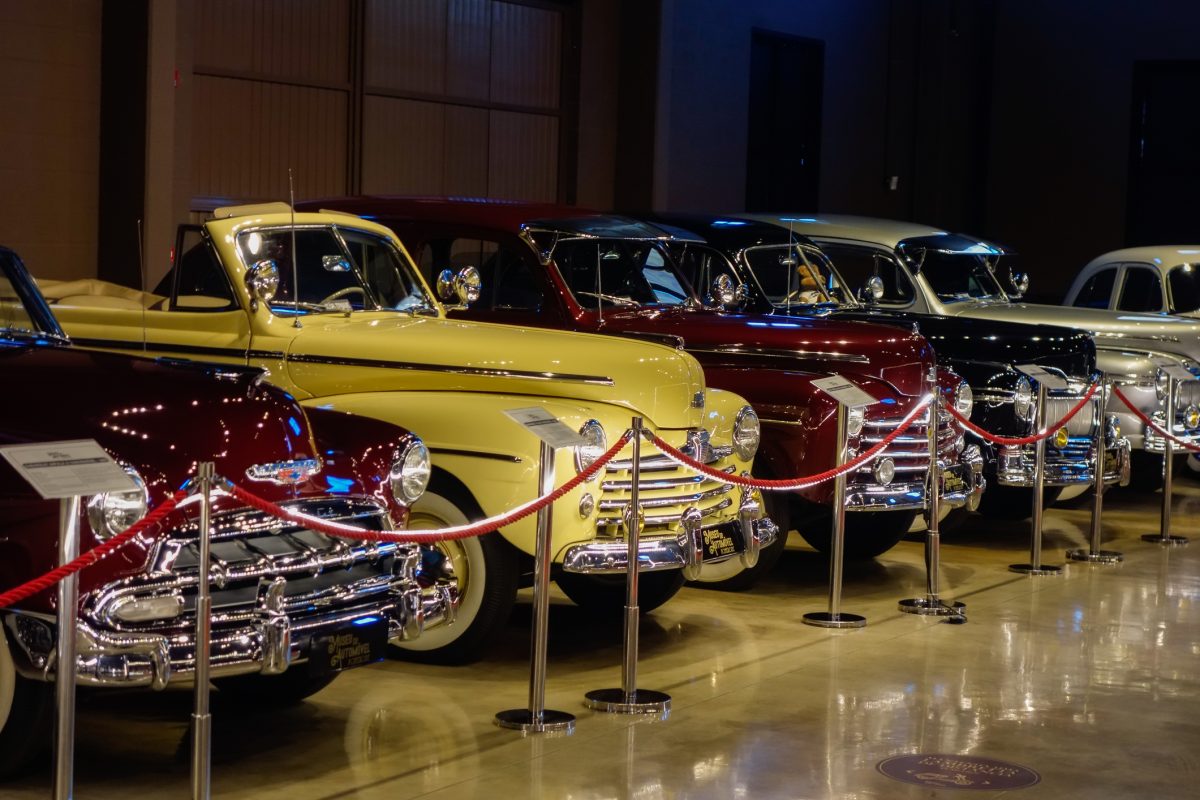
Walk into a high-end automotive museum or a meticulously curated private collection, and you immediately notice the atmosphere. The lighting perfectly highlights the curves of classic bodywork. The epoxy floors shine flawlessly underfoot. Above all, there is a distinct, hushed quiet that commands respect for the mechanical art on display. The “vibe” of the room is a massive part of the value, creating a premium experience for visitors, buyers, and fellow collectors.

Maintaining that pristine environment requires constant work behind the scenes. Vehicles need to be rotated, new acquisitions must be placed, and displays are frequently rearranged to keep the space fresh. Moving a heavy, valuable automobile indoors poses a significant logistical challenge. Starting a classic car engine indoors introduces noise, exhaust fumes, and the risk of accidental damage. Pushing it manually requires a team of people and invites a high risk of slips or handprints on immaculate paint jobs.

This is where investing in an electric vehicle mover becomes essential. Unlike loud industrial equipment designed for outdoor shipping yards, an electric vehicle mover is completely silent and emission-free. It is the definitive choice for relocating cars during public hours or within strict, climate-controlled spaces where air quality and the visitor experience are absolutely paramount.

Silence is the Ultimate Luxury

Think about the equipment typically used in industrial settings or shipping yards. It is loud, clanking, and disruptive. That type of machinery shatters the reverent atmosphere of a well-lit museum hall or a high-end private garage. When guests are admiring a million-dollar collection, the last thing they want to hear is the grinding gears of a heavy-duty forklift or a gas-powered tractor.

An electric vehicle mover operates with a whisper-quiet electric motor. You can actively reposition a display on one side of a showroom while visitors continue enjoying a guided tour on the other side. There are no loud engine revs, no backup alarms echoing off the walls, and no disruptive mechanical noises. The silence maintains the luxurious, professional atmosphere of your space.

Zero Emissions, Zero Odor

Automotive preservation is a white-glove industry. The environment must be strictly controlled to prevent deterioration of leather, rubber, and classic paint formulations. Operating gas-powered equipment indoors immediately compromises that environment. Combustion engines release toxic fumes, strong odors, and airborne particulates that settle on pristine vehicles.

Furthermore, using gas-powered machinery indoors usually requires opening massive warehouse bay doors to ventilate the carbon monoxide. Opening those doors ruins your expensive climate control. Humidity and outside temperature rush in, forcing your HVAC system to work overtime and putting delicate vintage components at risk.

Using an electric vehicle mover eliminates this problem entirely. Because the battery-powered motor produces zero emissions, there is no exhaust, no lingering smell of unburnt fuel, and no need to ventilate the building. You keep your doors closed, your climate control stable, and your air quality pristine. It ensures a comfortable, odor-free experience for your guests and a safe environment for your staff.

Smooth Motion for Priceless Assets

Moving a vehicle by hand is notoriously difficult. It takes several people to break the inertia, and the resulting movement is often jerky and unpredictable. A sudden stop or a slight miscalculation in steering can easily result in a bumped bumper or a scraped fender. When dealing with rare or custom automobiles, even the smallest mistake is an incredibly costly one.

An electric vehicle mover provides a smooth, heavily controlled transfer of power. The acceleration and deceleration feel almost hydraulic. The operator has precise control over the speed, allowing the car to inch forward without any sudden lurches. This level of control is crucial when navigating tight spaces between stanchions, display cases, and other priceless vehicles.

Museum-Grade Precision for the Private Collector

Many heavy-duty pushers on the market are built strictly for service bays and high-volume dealerships. They are bulky, complicated, and designed to be used by mechanics in greasy jumpsuits handling daily repairs.

We take a different approach with our CarCaddy. We specialize in preservation, not just repair. We deliver the exact same museum-grade precision trusted by massive institutions, but in a format that is accessible and incredibly easy for a private collector to operate entirely alone. You do not need a team of five people to reposition your collection.

Here is how our electric vehicle mover empowers a single user to manage a world-class collection:

  1. Effortless attachment: The unit easily slides under the tires of the vehicle without touching the chassis or the bodywork. This protects delicate undercarriages and avoids the need for crawling on the floor.
  2. Ergonomic controls: The handle features intuitive, variable-speed thumb controls. You simply walk behind the unit, guiding it effortlessly as the motor does all the heavy lifting.
  3. Tight turning radius: The compact footprint allows a single operator to pivot vehicles in remarkably tight spaces, maximizing the floor plan of your private garage.
  4. Clean operation: The battery-powered system means there are no oil leaks, no hydraulic fluid drips, and no grease to stain your beautiful epoxy floors.

Let’s face it. Curating and preserving your collection is what you know and love. An experienced equipment partner can offer advantages, such as specialized moving technology, that keep your overhead low while providing superior protection for your assets. In the meantime, you are free to work on enjoying and building your collection.

Elevate Your Showroom Operations

Your collection represents a massive investment of time, money, and passion. The tools you use to manage it should reflect that same level of quality and care. Enhance the professional atmosphere of your collection with a tool that works as hard as you do, all while remaining completely silent.

Keep your showroom running safely and efficiently. Request a quote and see which of our electric vehicle mover models best suits your display needs.

Using Electric Movers for Vintage Cars in Museums

Moving a vintage car into a museum exhibit requires care for the vehicle, the staff and the surrounding collection. An electric mover can reduce manual pushing and allow compatible vehicles to be repositioned without starting their combustion engines. The equipment still needs to be checked against the vehicle and the route.

Check the vehicle before choosing a mover

Vintage vehicles may have unusual wheel construction, fragile tires or limited ground clearance. Do not assume a tire-engaging mover is suitable for every historic wheel or tire. Confirm the condition and permitted handling method with the collection’s responsible specialist and the equipment manufacturer.

The Collector’s Edition specifications for the CarCaddy Collector’s Edition publish 7,000 lb. vehicle-weight and 3,000 lb. front-axle limits. Check both figures and confirm tire dimensions, clearances and load distribution for the actual vehicle.

Plan the gallery route

Review aisle widths, display cases, thresholds, floor condition and stopping space. Keep visitors clear during moves. Electric operation avoids exhaust from running the moved vehicle’s combustion engine, but it does not guarantee silence, eliminate every workplace hazard or protect artifacts without a suitable operating procedure.

Questions to resolve before the first move

Are all vintage tires compatible?

No universal compatibility is assumed. Give the manufacturer the tire and wheel dimensions, construction, condition and vehicle details before selecting a unit. Historic or deteriorated tires may need specialist assessment.

How much training is required?

Follow the instructions for the specific unit and the museum’s operating procedures. Staff need training before use; a fixed training time or automatic proficiency cannot be promised. Visibility and the route may also require a spotter.

Can the mover use ramps or inclines?

Confirm the actual slope, surface, vehicle load and operating conditions with the manufacturer before planning an incline move. A braking feature or weight rating alone does not establish that a ramp application is suitable.

Confirm fit for your collection

Review the Collector’s Edition specifications, then contact the CarCaddy team with the vehicle and route details. A model-specific fit check and a trained operating team are the starting points for planning the move.

Maximize Space: A Collector’s Guide to High-Density Car Storage

As a private automotive collector, your vehicles are significant investments. Storing them safely while maximizing your available square footage is a constant priority. Private garages often lack the expansive, wide-open layouts found in commercial warehouses, meaning every square foot counts when you want to protect your assets and grow your collection.

Relying on a vehicle’s own power to maneuver it into a tight spot presents serious safety risks. A simple slip of the foot can result in thousands of dollars in property damage. You need a storage strategy that offers total control, protects your valuable inventory, and optimizes your floor plan without requiring costly facility expansions.

This guide provides practical, expert-driven strategies for high-density vehicle storage. You will learn how the right equipment can transform a cramped garage into an efficient, professional-grade facility that protects your bottom line.

The ‘Inch-Perfect’ Move: Precision Parking

Private garages are notoriously tight. When you drive a car into a parking space using its own engine, you are forced to leave a significant “buffer zone.” You need room to open the driver’s door, step out safely, and account for blind spots. These necessary buffer zones consume valuable floor space that could otherwise house additional vehicles.

An electric car pusher completely changes this dynamic. By allowing you to move a vehicle from the outside, you gain complete visibility and control over the entire parking process.

Consider the advantages of walking alongside your vehicle as you guide it:

  • 360-Degree Visibility: You can clearly see all four corners of the car, eliminating dangerous blind spots.
  • Zero Door-Ding Risk: Since you do not need to open the car doors once it is parked, you can position vehicles side-by-side with minimal clearance.
  • Complete Precision: Smooth, battery-powered acceleration allows you to park cars literally inches apart without fear of sudden jerks or collisions.

Using an electric car pusher empowers you to utilize your garage’s true capacity. You can safely pack your collection closely together, maximizing your return on the physical space you already own.

Eliminating Three-Point Turns in Tight Spaces

Most standard vehicle steering systems are simply not designed for complex indoor maneuvering. Trying to steer a classic car or a modern supercar into a 90-degree corner often requires endless, frustrating three-point turns. This process burns time, risks accidental impacts, and fills your enclosed garage with hazardous exhaust fumes.

A high-quality vehicle mover solves this problem by offering a 180-degree turning radius. Instead of fighting the car’s steering rack, the machine lifts or attaches to the wheels, allowing you to manipulate the vehicle precisely where it needs to go.

Pivot on a Dime

Because a vehicle mover operates independently of the car’s steering column, you can pivot a vehicle on its own axis. This unique capability allows a collector to slide a car into a tight corner that would be physically impossible to drive into. You can maneuver around support columns, tuck cars tightly against back walls, and organize your layout based on aesthetics rather than turning radius limitations.

By eliminating complex steering maneuvers, you keep your paint jobs safe and ensure your garage operates with maximum efficiency.

The Solo Curator: Managing Your Collection Independently

Building a substantial car collection is a rewarding endeavor, but managing the logistics of moving those cars can quickly become a headache. Traditionally, pushing a dead vehicle or carefully spotting a car into a tight corner required a team effort. You had to coordinate schedules with neighbors, friends, or hired staff just to rearrange your garage floor.

The right equipment puts the power back in your hands. You can operate an electric car pusher entirely by yourself, making you a fully independent curator of your own space.

No More Calling for Backup

An efficient storage strategy means you can manage a 20-car collection without relying on anyone else.

  • Instant Accessibility: Move any car, at any time, without waiting for a second set of hands.
  • Reduced Labor: Avoid the physical strain of manually pushing heavy vehicles.
  • Operational Privacy: Keep your collection management discreet and self-contained.

With a dedicated vehicle mover, you dictate the schedule. You are completely free to work on building your collection, rotating your displays, or preparing a car for transport entirely on your own terms.

Take Control of Your Garage Space

Your automotive collection deserves a professional, secure, and optimized environment. By eliminating buffer zones, utilizing equipment with a tight turning radius, and embracing independent management, you can drastically increase the capacity of your current garage.

Stop letting wasted space limit your passion. Invest in the right high-density storage solutions today, and ensure your facility operates safely, efficiently, and profitably for years to come.

Solo Collection Management: Plan Vehicle Moves in Your Private Gallery

Rearranging a private car collection or showroom takes planning, especially when a vehicle cannot be driven. A powered vehicle puller can reduce the need for manual pushing, but the mover, vehicle and route must be compatible before work begins.

Start with the model and its published limits

This article covers the CarCaddy Vehicle Puller Collector’s Edition. The Collector’s Edition specifications list a maximum vehicle weight of 7,000 lb. and front axle weight of 3,000 lb. Check both figures for the actual vehicle; total vehicle weight alone is not enough to establish fit.

The published features include a 36VDC drive system, a 0–3 mph forward/reverse range, roller arms, neutral throttle braking, adjustable acceleration/braking and a safety stop switch. These features do not remove the need for operator training, clearance checks or a controlled route.

Plan the route before moving the collection

Check the vehicle’s tire condition, dimensions, ground clearance and weight distribution, along with the available aisle space, floor condition and stopping area. Confirm any ramp or incline application with the manufacturer before proceeding. Keep visitors and other staff clear of the movement area.

Single-operator controls still require a site plan

One operator controls the puller. Whether a particular move also needs a spotter or other assistance depends on visibility, the route and the facility’s risk assessment. Follow the instructions for the specific unit and train staff before use. Do not treat a speed range or braking feature as a guarantee of an immediate stop or freedom from collision.

Using an electric puller can let a compatible vehicle be repositioned without running the vehicle’s combustion engine. The practical time and labor savings depend on the layout and the work involved; no fixed percentage saving is assumed here.

Confirm the application for your gallery

Before choosing equipment, contact the CarCaddy team with the vehicle details, axle weights, tire dimensions and intended route. Ask about the available configuration and training requirements, then review the Collector’s Edition specifications for the unit being considered.